

Skip to content
Cart

Your cart is empty

Continue shopping

OFFRE SPÉCIALE : CREA25

-25% SUR TOUTES NOS CREATINES

Collagen

Collagen is the most common protein in our bodies. It is present in our skin, bones, joints, tendons and ligaments. It gives them strength and elasticity.

3 products

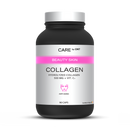
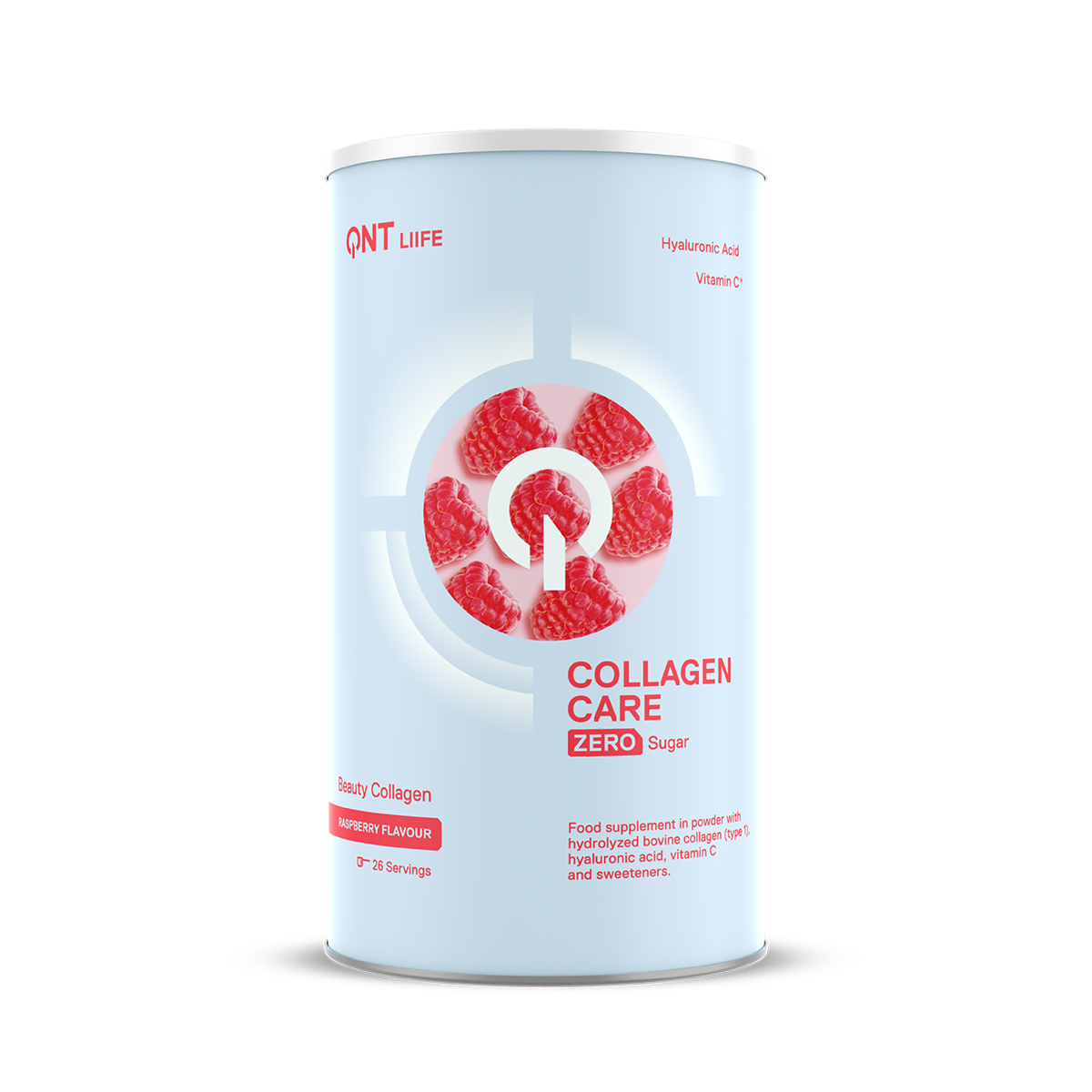
Collagen Care | 390 g | Framboise
Sale price26,00 €
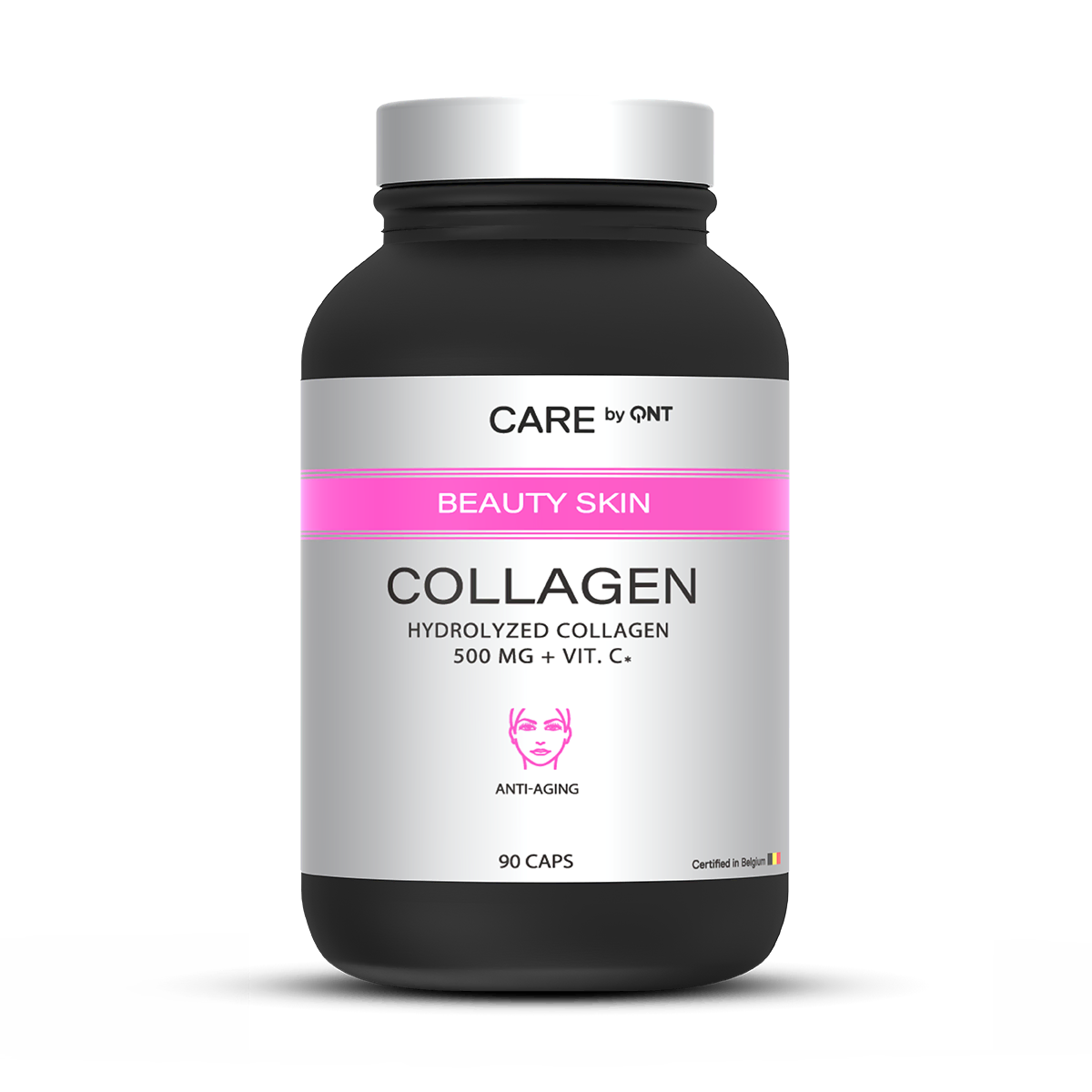
Collagène Hydrolysé 500 mg  | 90 capsules
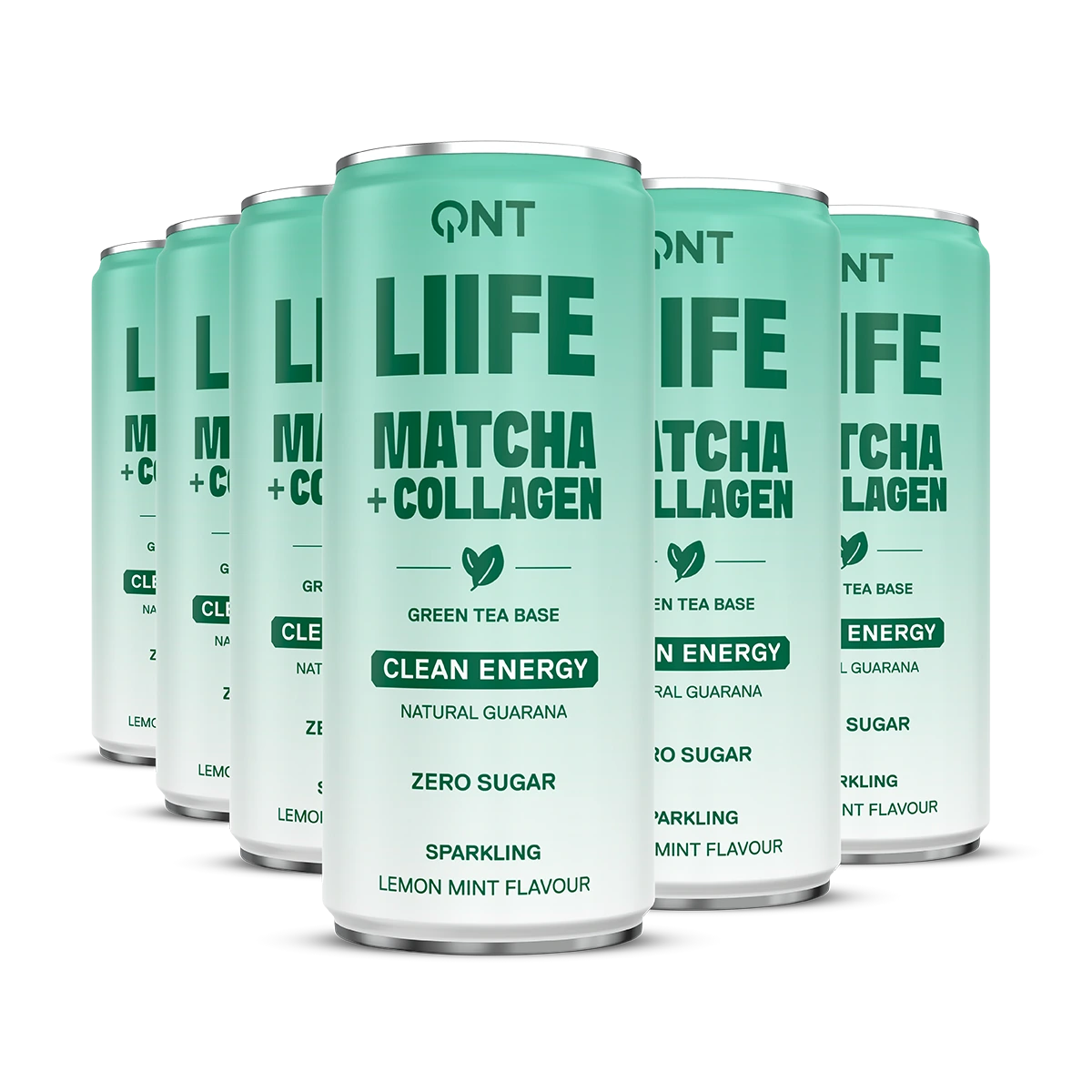
Energy Collagen Matcha | 12 x 250 ML
Sale price24,00 €
Filters
Sort by
Price
to
Collagen

Why take collagen?

It is essential for the elasticity of our skin. It provides suppleness and vitality, helping to prevent the appearance of wrinkles and fine lines.

Collagen also plays a key role in maintaining the flexibility and mobility of our joints. As we age, the body produces less collagen, which can explain stiffness and rigidity in the joints over time. This is where a collagen supplement can become essential to preserve tendon and joint elasticity. Air pollution and stress in modern life also affect the condition of our skin, and collagen intake can help restore its firmness and tone.

Collagen is also crucial for tissue repair, whether during wound healing or for muscle recovery after training.

To increase collagen intake, a diet rich in fish or red meat can help. However, red meat should be consumed in moderation, making supplementation a more appropriate choice for health. Vitamin C also enhances the body’s endogenous collagen production.

Care by QNT Collagen contains hydrolyzed collagen for rapid absorption, along with vitamin C to support optimal collagen production by the body.

The Key Benefits of Sports Collagen for Athletes

Collagen has become an essential supplement for athletes and fitness enthusiasts due to its multiple benefits for performance and recovery. Rich in protein and essential amino acids, collagen plays a crucial role in repairing and strengthening connective tissues such as tendons, ligaments, and cartilage. This action is particularly beneficial for athletes, as it helps prevent injuries associated with intense and repetitive physical activity. Additionally, collagen contributes to improved muscle recovery after training, reducing soreness and stiffness. It also supports bone and joint health, promoting longevity in sports practice. By incorporating collagen into their nutritional regimen, athletes can not only optimize performance but also accelerate recovery, allowing them to train more effectively and sustainably. This is why it is often referred to as sports collagen.

When to take collagen?

When the skin begins to lose its elasticity or wrinkles start to appear on the face, it can be beneficial to start a small collagen regimen.

If muscles feel significantly stiffer after a workout or recovery becomes more difficult than before, a little collagen can help mitigate these issues.

Collagen can help slow down some signs of aging, allowing you to feel the effects of time more gradually.

If you notice these signs yourself, it’s a good time to try slowing the effects of aging with some collagen.

SUBHEADING

Frequently Asked Questions

Votre santé et vos résultats sont notre priorité.Cette FAQ répond aux questions essentielles sur les produits QNT afin que vous sachiez exactement ce que vous achetez et comment ils soutiennent vos objectifs.

All the FAQ

What is collagen?

Collagen is a structural protein that makes up nearly 30% of the human body’s protein. It is essential for skin elasticity, joint flexibility, bone strength, and tissue repair. As we age, its natural production decreases, which can lead to wrinkles, joint stiffness, and slower recovery.

What are the benefits of collagen?

  • Beauty & skin: improves elasticity, tone and prevents the appearance of wrinkles.
  • Joints & tendons: supports mobility and reduces age-related rigidity.
  • Muscles & recovery: promotes muscle repair after training.
  • Tissues & healing: plays a key role in tissue regeneration.
  • Bones & cartilage: contributes to joint strength and longevity.

Why take extra collagen?

With age or in case of intense physical activity, the natural production of collagen decreases.

A supplement allows:

  • Compensate for this decrease and maintain good tissue elasticity.
  • Optimize sports recovery.
  • Preserve skin and joint health.

Vitamin C, often associated with collagen, stimulates its endogenous production.

When to take collagen?

In the evening: to support nighttime regeneration.

After training: to promote muscle and joint recovery.

As a beauty regimen: when skin loses elasticity or wrinkles appear.

As prevention: to slow the effects of aging and support mobility.

Is collagen useful for athletes ?

Yes.

Sports collagen is particularly beneficial for:

  • Strengthen tendons, ligaments and cartilage.
  • Prevent injuries related to intensive training.
  • Improve muscle recovery and reduce post-session pain.
  • Support bone and joint health for sustainable practice.