













Skip to content
Cart

Your cart is empty

Continue shopping

BCAA

BCAA's or Branched Chain Amino Acids are what are commonly known as essential amino acids, i.e. amino acids which cannot be produced by the body and which the body absolutely needs. They must therefore come from food. Leucine, valine and isoleucine are essential amino acids. There are 9 in all.

5 products

BCAA 8500 | 350 g | Fruits
des boisBCAA 8500 Instant powder Citron| 350 g
Sale price29,90 €
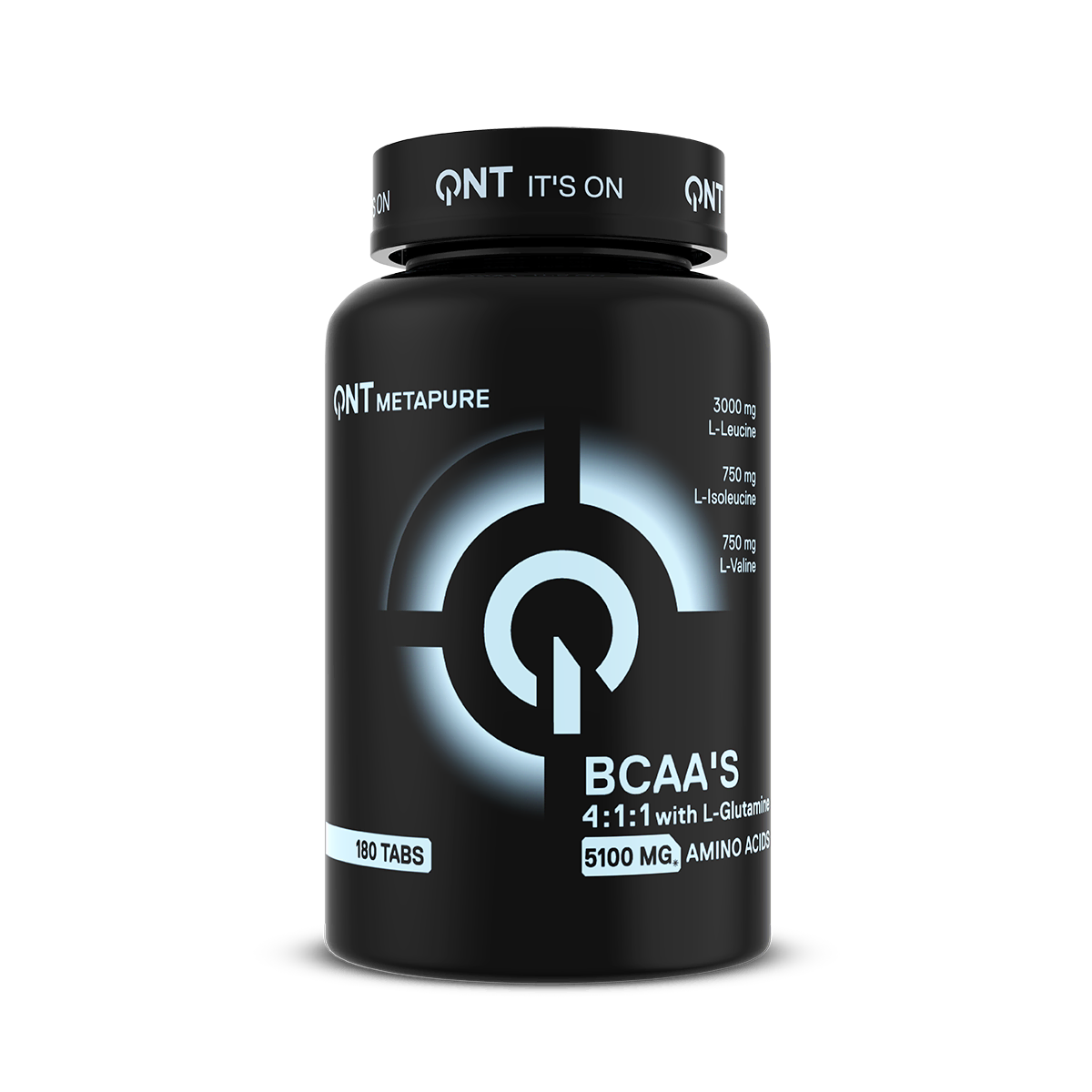
BCAA 4:1:1 + L-Glutamine  | 180 Tablettes
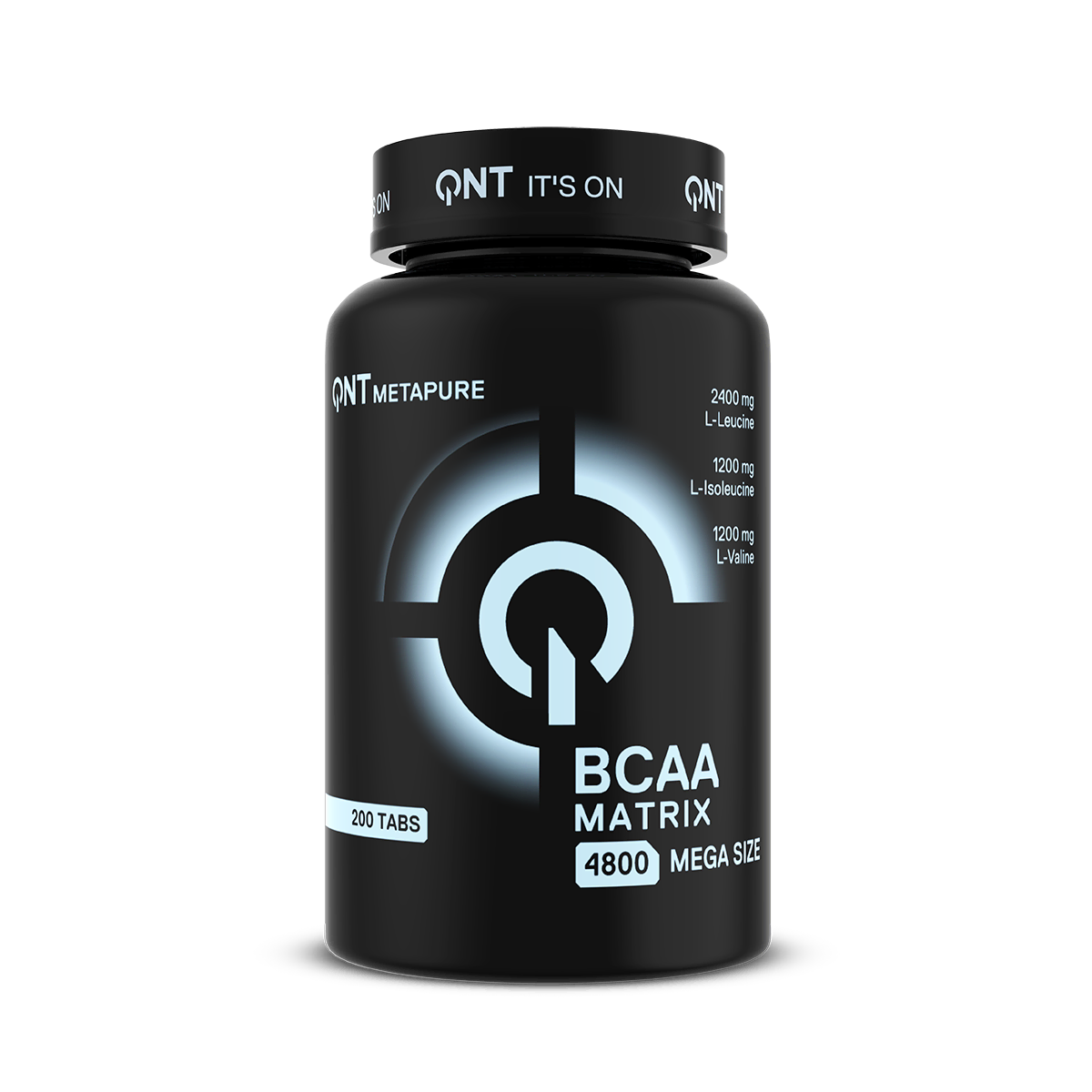
Matrix BCAA 4800 | 200 Tablettes
Sale price25,00 €
BCAA's 8000 mg | 12 x 700 ml CitronBCAA's 8000 mg | 12 x 700 ml pamplemousse Blanc
Sale price36,00 €
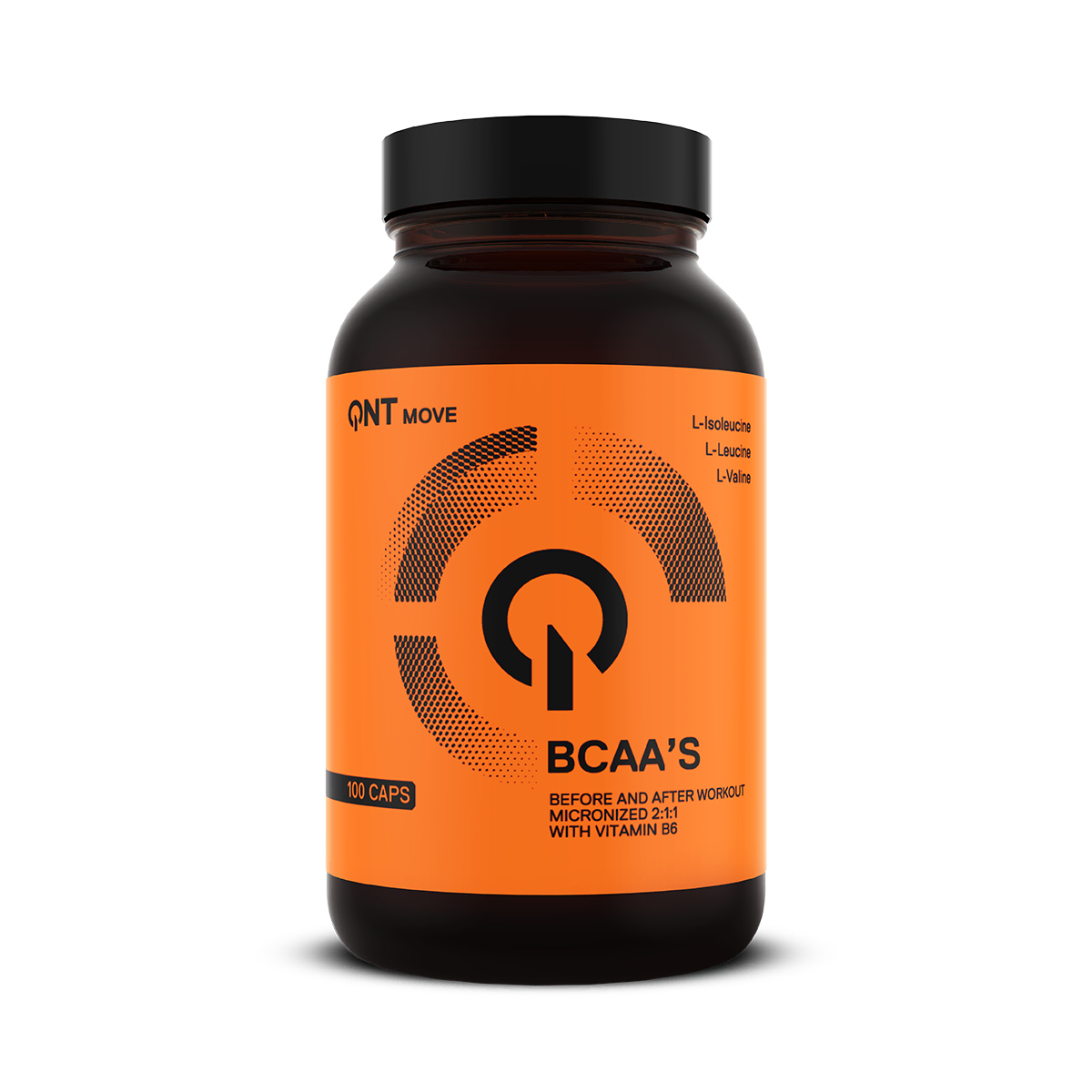
BCAA'S + vit. B-6  | 100 Capsules
Sale price21,30 €
Filters
Sort by
Price
to
BCAA

WHAT ARE BCAAS AND WHAT ARE THEIR ROLES?

BCAAs, or branched-chain amino acids, play a crucial role in protein structure. Proteins are made up of a chain of amino acids, but they cannot be directly absorbed by the blood in this complex form. They must first be broken down into individual amino acids, which can then cross the bloodstream.

However, an important detail to keep in mind is that our body can synthesize and convert many amino acids into others, except for essential amino acids, among which are the BCAAs. Therefore, it is crucial to provide your body with an adequate amount of BCAAs according to your goals.

The effectiveness of BCAAs lies in the ratio between the three amino acids: leucine, isoleucine, and valine. For optimal results, a balanced mix requires two parts leucine to one part isoleucine and one part valine, corresponding to a 2:1:1 ratio. It is also worth noting that a 4:1:1 ratio could be even more beneficial, while an 8:1:1 ratio does not appear to offer significant improvements.

WHY TAKE BCAAs?

INCREASED ENERGY AND REDUCED FATIGUE

BCAAs can serve as an alternative energy source to glycogen during exercise, prolonging your workouts and maintaining high intensity. They also limit the use of tryptophan, thereby enhancing alertness and reducing fatigue.

ACCELERATED MUSCLE RECOVERY

BCAAs play a key role in repairing muscle fibers, promoting faster recovery and greater muscle gains. Effective recovery allows muscles to train more frequently and productively. The faster the fiber repair, the quicker the muscle can resume beneficial training and progress.

SUPPORT DURING INJURY

Another benefit of BCAAs is that if you pause training due to injury or lack of time, increasing BCAA intake minimizes muscle loss. Even without physical exercise, BCAAs stimulate muscle protein synthesis, helping maintain muscle tissue, boost metabolism, and limit fat gain during inactivity. They therefore support both muscle growth and maintenance during prolonged periods of rest.

IMMUNE SYSTEM SUPPORT

BCAAs stimulate the production of antibodies and lymphocytes, strengthening the immune system. Training while ill further weakens the body, making BCAAs an important aid for faster recovery.

FAT LOSS

By promoting muscle growth, BCAAs have a direct impact on basal metabolism, increasing your body’s caloric needs. As muscle mass increases, your calorie requirements rise to maintain proper body function, indirectly promoting fat burning. During strict dieting phases, BCAAs also help preserve muscle mass, essential for a balanced body composition and supporting dietary efforts. Maintaining muscle mass supports overall metabolism and helps retain a harmonious physique.

REDUCED MUSCLE SORENESS AND ANTI-CATABOLIC EFFECT

After intense training, muscle soreness often appears the next day or two. BCAAs have a significant anti-catabolic effect, slowing the breakdown of muscle fibers caused by training. This helps minimize the impact of the catabolic process while muscles repair and grow.

In summary, BCAAs not only stimulate muscle growth but also act as guardians of your metabolism and body balance, especially during calorie restriction. Integrating BCAAs into your routine can be a smart choice for long-term results.

BCAAs, for whom and when?

Since BCAAs are useful and beneficial for intense training, it is important to have them available before and during the session. And for better recovery, also after.

All athletes who want to improve their performance can use BCAAs.

BCAAs are particularly useful in high-intensity, short-duration, and strength sports like weightlifting because they help with recovery, reduce muscle breakdown, and stimulate muscle building. They are also beneficial in endurance sports to provide an alternative energy source and maintain high intensity for longer. Taking BCAAs during long-duration exercise helps reduce breakdown of active muscles, minimize glycogen depletion, and decrease central nervous system fatigue.


Difference between BCAAs and EAAs:

  • EAAs are essential amino acids, meaning they cannot be synthesized by the body and must come from the diet. There are 9: isoleucine, leucine, valine, lysine, methionine, phenylalanine, threonine, histidine, and tryptophan.
  • BCAAs are included among the EAAs. They provide an effective combination for muscle needs, while the body also requires the other EAAs for overall protein synthesis and metabolic functions.

Coach’s tips

  • Want to make sure all essential amino acids are available for your body to function optimally? If you take BCAA with whey, you’ll get almost all essential amino acids.
  • You could consume BCAA throughout the day since their effects are beneficial, but their greatest effectiveness is during workouts. Take your BCAA before each session, also during to reduce fatigue and stay efficient longer, and after to recover better.
  • When to stop BCAA? As long as you train intensively, there’s no reason to stop. If you’re not training, you can still take them to prevent muscle loss, but is it worth it without a fitness or aesthetic goal?

SUBHEADING

Frequently Asked Questions

Parel aims to easily offer comfort and confidence in people's daily routines by creating practical, functional apparel with an all-day usability.

All the FAQ

What are BCAAs?

BCAAs (Branched Chain Amino Acids) are three essential amino acids: leucine, isoleucine, and valine. They play a key role in protein synthesis and muscle metabolism. Since the body cannot produce them on its own, they must be obtained through diet or supplementation.

What are the benefits of BCAAs?

Energy and alertness: serve as an alternative energy source to glycogen and reduce fatigue.

Muscle recovery: support fiber repair and accelerate recovery.

Anti-catabolism: limit muscle breakdown during exercise.

Support during injury or inactivity: help preserve muscle mass.

Immune system: stimulate the production of antibodies and lymphocytes.

Weight management: promote satiety and indirectly contribute to fat loss.

When to take BCAAs?

Before training: to prepare the muscles and reduce fatigue.

During training: to maintain energy and limit muscle breakdown.

After training: to optimize recovery and muscle rebuilding.

They can also be taken during rest periods to help prevent muscle loss.

Are BCAAs useful for all sports?

Yes.

Strength training and power sports: reduce muscle breakdown and stimulate growth.

Endurance sports: provide an alternative energy source and delay central nervous system fatigue.

Intense or regular sports: support recovery and performance.

What is the difference between BCAA and EAA?

  • EAA (Essential Amino Acids): 9 essential amino acids that the body cannot synthesize (including BCAAs).
  • BCAA: a subgroup of EAAs, particularly effective for muscle building and recovery.

In summary, BCAAs primarily target the muscles, while EAAs cover the body’s full spectrum of essential amino acid needs.