Skip to content
Cart

Your cart is empty

Continue shopping

Creatine

Creatine is the most effective supplement when it comes to improving strength. Studies on creatine have proven its effectiveness in significantly increasing muscle strength.

2 products

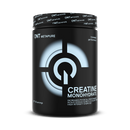
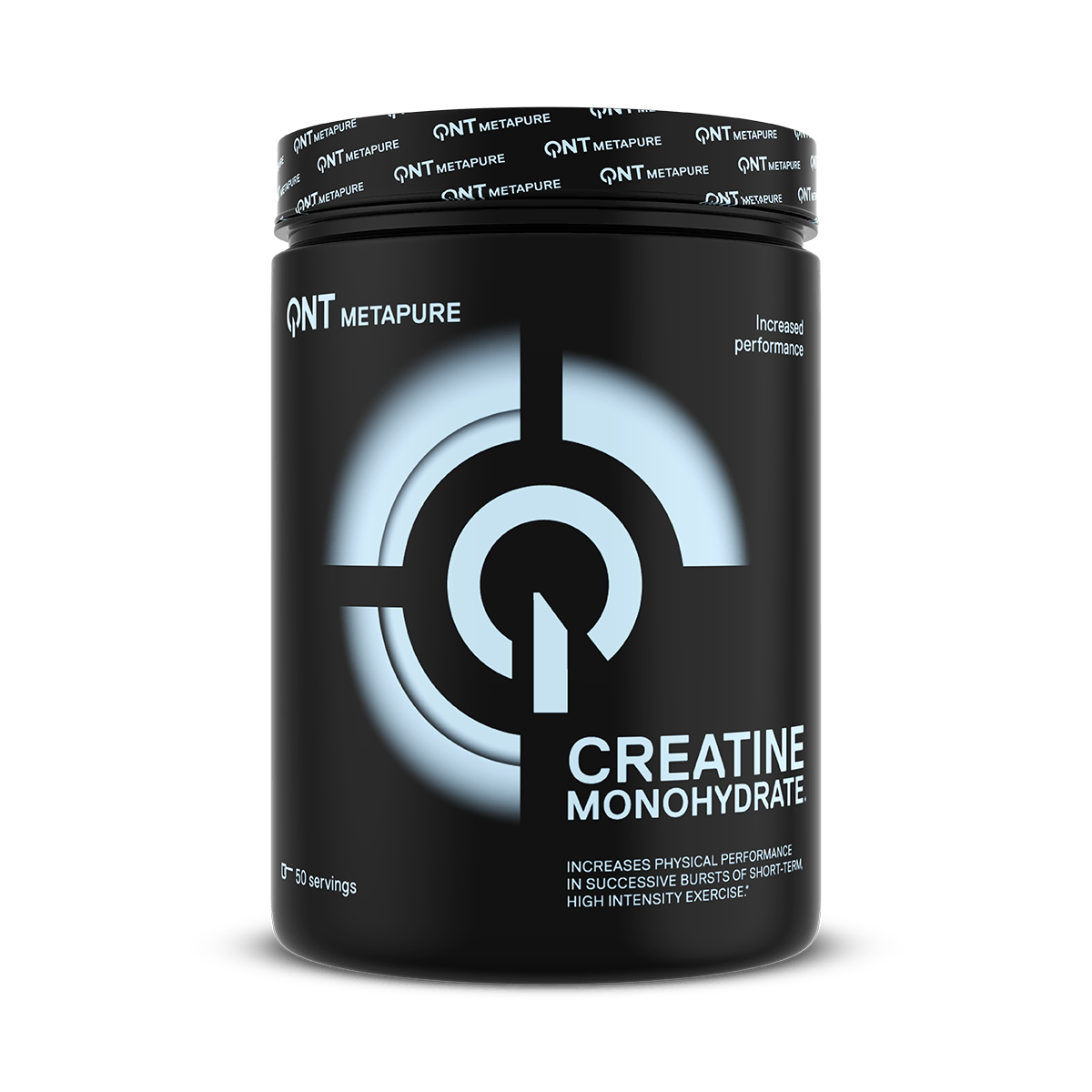
Save 5% Créatine monohydrate QNT 300 g
Sale price Starting at 19,00 € Regular price20,00 €
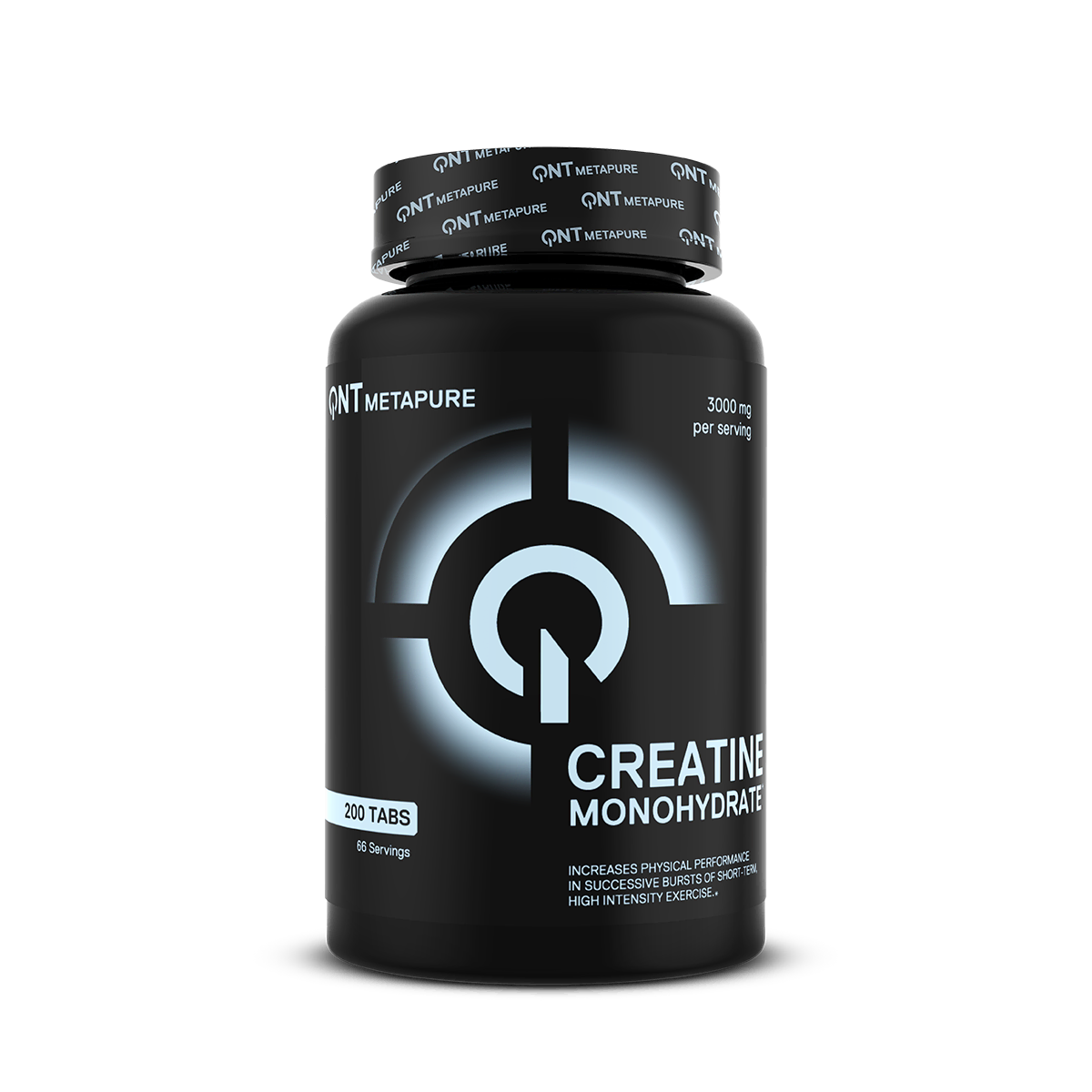
Créatine monohydrate QNT 3000 mg 200 comprimés
Filters
Sort by
Price
to
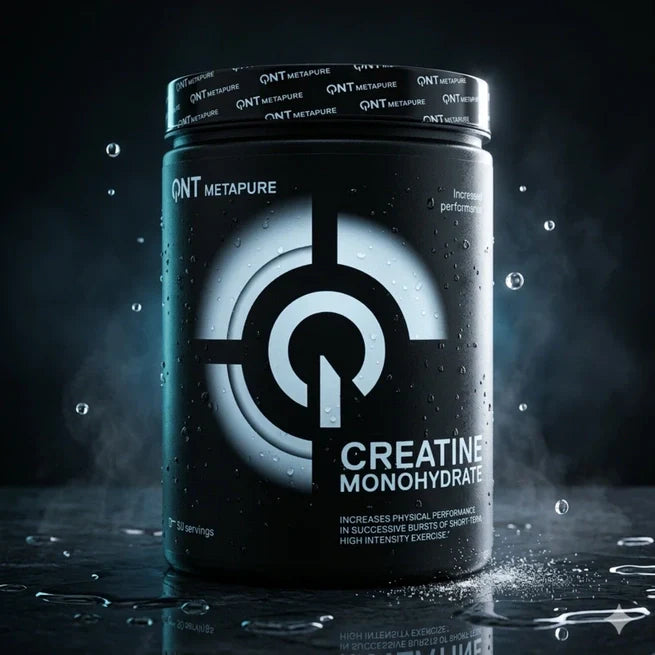
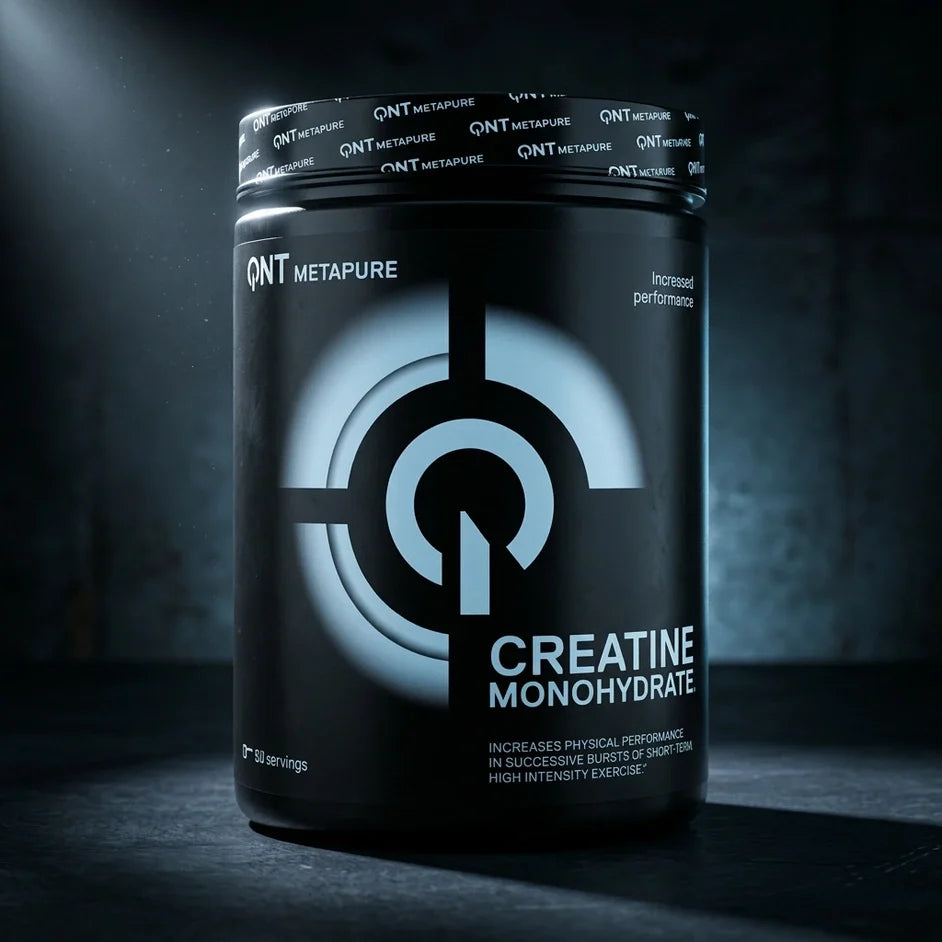
QNT Creatine Monohydrate

How to take creatine and get the best results: dose and timing

The rule is simple: 3 to 5 g of creatine monohydrate per day, every day, including rest days. Consistency matters far more than timing, because the goal is to gradually saturate your muscle stores over time.

There are two ways to do it:

  • Straight daily dose (the simplest): 3 to 5 g per day. Your stores fill up over three to four weeks.
  • Loading phase (optional): around 20 g per day (four 5 g servings) for 5 to 7 days, then 3 to 5 g to maintain. Faster, but not essential.

So what is the best time to take creatine? Studies show little difference between before and after your session. The easiest option is to take it after training, in your recovery shake.

To maximise the benefits of creatine, keep a few habits in mind: stay consistent day to day, don't skip rest days, and look after absorption. What should you mix it with? Water, juice or your whey: pairing it with carbs or protein improves how well your muscles take it up, which is the best way to take creatine for results. With the QNT tablets, simply swallow your dose with a large glass of water.

Creatine and water: how much should you drink?

This is the question that comes up most, and the answer matters. Creatine draws water inside your muscle cells: your muscles store more water, which improves how hydrated they are. To support this, you need to drink enough throughout the day.

Our practical advice:

  • Aim for at least 2 to 3 litres of water per day while you are supplementing with creatine.
  • Spread your intake across the day rather than drinking it all at once.
  • Drink even more on hard training days and in hot weather.

Staying well hydrated lowers the risk of cramps and dips in performance, and lets creatine do its job fully. There is no need to drink extreme amounts, though: it is simply about covering your needs and being consistent. Keep a water bottle within reach, it is the easiest habit to build.

Creatine: side effects and safety

Creatine monohydrate is one of the most studied supplements out there, and the scientific data confirms it is well tolerated by healthy adults when taken at the recommended doses.

The few issues people report are rare and almost always linked to taking too much or taking it on an empty stomach: mild digestive discomfort, bloating or stomach upset. To avoid them:

  • Stick to 3 to 5 g per day, with no overdosing.
  • Take your creatine with or after a meal, and drink enough water.
  • If you do a loading phase, split the servings well across the day.

Creatine does not have to be cycled: you can take it continuously. As with any food supplement, it fits within a varied, balanced diet and does not replace a healthy lifestyle. People sometimes ask whether creatine is bad for your liver or kidneys: in healthy adults at normal doses there is no cause for concern, but if you have any doubt or are on specific medication, check with a healthcare professional before supplementing.

Does creatine make you gain weight?

Here is a stubborn myth that deserves a clear answer. Yes, the scales can show 1 to 3 kg more in the first few days or weeks. No, it is not fat.

That change is water stored inside your muscles (intracellular hydration), not body fat and not water retention under the skin. Many athletes actually feel their muscles look fuller and more pumped. This is the real story behind "creatine water retention": the water sits in the muscle, where you want it.

A few points to keep it in perspective:

  • This weight gain is fast, modest and reversible: when you stop, the extra water leaves.
  • Over the long term, creatine mainly supports muscle growth when it is paired with strength training.
  • To limit that early fluctuation, go for the straight 3 to 5 g daily dose rather than a loading phase.

In short, creatine does not make you gain fat: it helps you perform better and build muscle.

Creatine for women

Creatine for women is one of the big topics right now, and for good reason. Women get exactly the same benefits as men: more strength, better performance on intense efforts and easier recovery. They even tend to have naturally lower creatine stores, which makes supplementing especially worthwhile.

A couple of myths to set aside:

  • No, creatine does not make you bulky in a masculine way: it has no hormonal effect.
  • No, it does not make you "puffy": the small initial weight gain is water in the muscles, not fat.

The dose is identical: 3 to 5 g per day, taken continuously. Combined with regular training, creatine helps tone your shape and support muscle, a real asset for body composition. QNT's unflavoured Creatine Monohydrate powder blends easily into a shake, a juice or a morning smoothie.

Powder or tablets: which QNT creatine should you choose?

QNT offers the same quality creatine monohydrate in two formats, so you can pick the one that fits your lifestyle:

  • Creatine Monohydrate (powder): the most affordable and flexible option. You measure your 3 to 5 g precisely and mix it into water, juice or your whey. Ideal if you already make shakes every day.
  • Creatine Monohydrate 3000 mg (tablets): the convenient, travel-friendly format. No weighing, no shaker: you swallow your dose with a large glass of water, at the office, on the move or away from home.

Both contain pure creatine monohydrate, made to QNT's quality standards. The choice mostly comes down to your habits: powder for flexibility and the best value for the quantity, tablets for sheer simplicity. You can also switch between them: powder at home, tablets for days when you are out and about. What matters most is being consistent with your daily dose.

Who is creatine for, and how do you fit it into your routine?

Creatine is for every athlete who trains with intense, repeated efforts: weightlifting, CrossFit, sprinting, team sports or combat sports. Beginner or seasoned, man or woman, you can benefit from it whenever your training demands strength and explosiveness.

To fit it in easily:

  • Take 3 to 5 g per day, every day, no exceptions.
  • Add it to your post-workout shake or an everyday drink.
  • Drink enough (2 to 3 litres of water per day) to support muscle hydration.
  • Be patient: you will feel the effects after two to four weeks of regular use.

Creatine delivers its best results alongside structured training and an adequate protein intake, for example with a QNT whey. Pick your format (powder or tablets), stay on track day to day, and let consistency do the work session after session.

What is creatine and what does it do?

Creatine is a compound your body makes on its own (in the liver, kidneys and pancreas), and it is also found in meat and fish. It is stored in your muscles as phosphocreatine, where it helps regenerate ATP, the fuel your muscles burn during short, explosive efforts.

It is one of the most studied supplements in the world. The reference form is creatine monohydrate, the best documented and most effective. In practical terms, EFSA recognises that creatine increases physical performance in successive bursts of short-term, high-intensity exercise, such as weight training, sprinting and strength sports.

By topping up your muscle stores, it helps you string together heavy sets, push out one more rep and recover better between efforts. At QNT you will find it in two formats: Creatine Monohydrate powder and Creatine Monohydrate 3000 mg tablets.

Frequently Asked Questions

Your health and results are our top priority. This FAQ answers the essential questions about QNT products, so you know exactly what you’re buying and how they support your goals.

What is creatine?

Creatine is a molecule naturally present in the body, synthesized from three amino acids (arginine, glycine and methionine). Stored mainly in the muscles, it is used to provide energy during short and intense efforts. Creatine monohydrate is the most studied and effective form.

What are the benefits of creatine?

Improved strength and power output for combat sports, sprinting, jumping and strength training; better performance on short, intense series; support for muscle development via increased protein synthesis and intracellular volume; faster recovery between sessions; some studies suggest a small positive effect on endurance via sprint capacity at the end of long efforts.

When to take creatine?

Before training: about 15 minutes before exercise to boost energy.

After training: to optimize recovery and protein synthesis.

In cure: minimum 4 weeks, up to 3 months, repeated several times a year. Ideally in two doses (before and after the session) for maximum effect.

Is creatine suitable for everyone?

Yes, it is suitable for: strength and explosive-sport athletes (strength training, sprinting, combat sports); endurance athletes looking to support repeated efforts; vegetarians, who often have lower baseline stores since creatine is mostly found in meat and fish. Talk to a doctor first if you have a kidney condition.

What is the difference between creatine powder and tablets?

  • Creatine powder: more economical, flexible in dosage, easy to mix with water or juice.

  • Creatine in tablets: practical and portable, ideal on the go, but less flexible in dosage.


Both forms are effective, the choice depends on your lifestyle and preferences.