






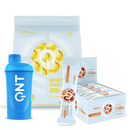
3 Flavours
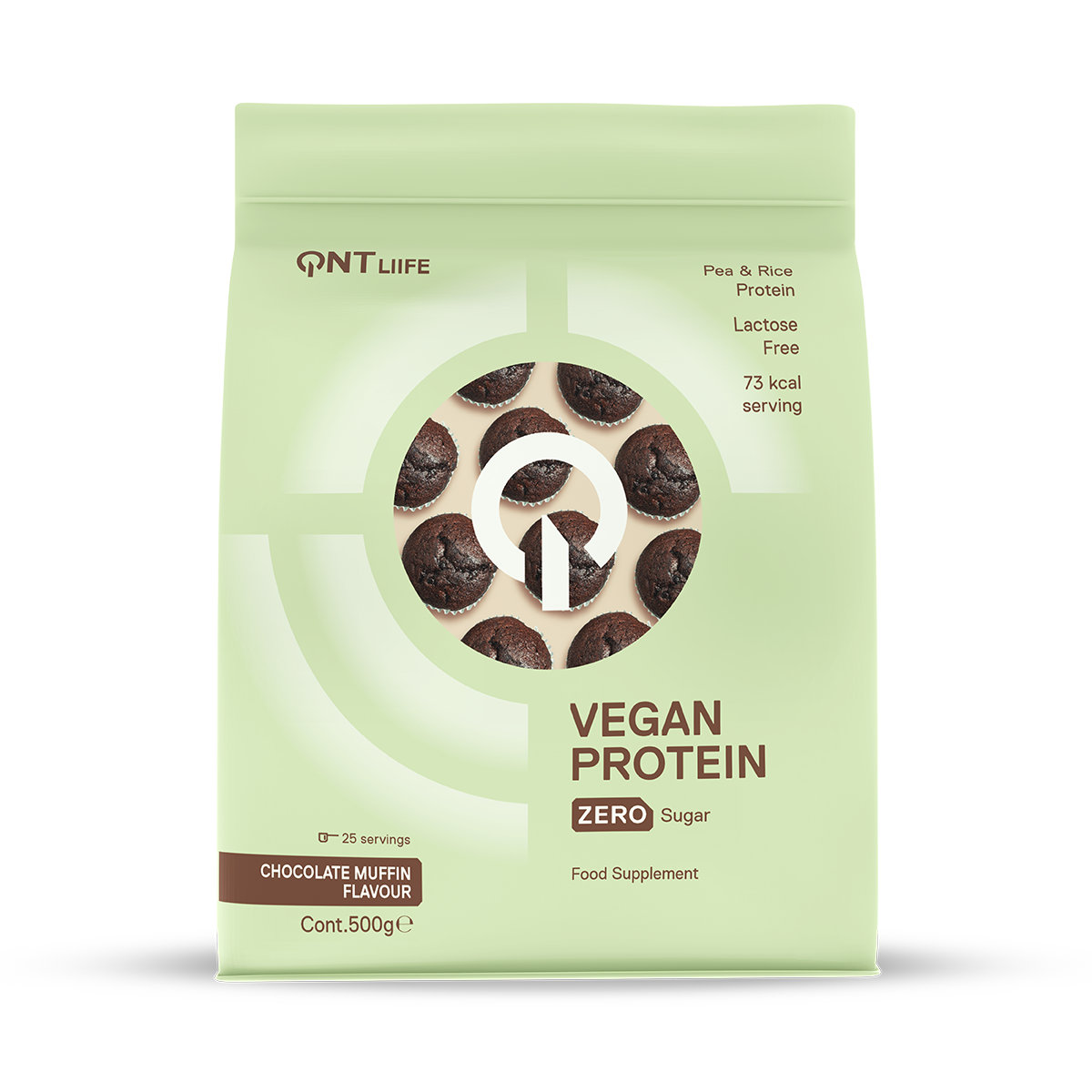
Vegan Protein | 500 g
Hazelnut
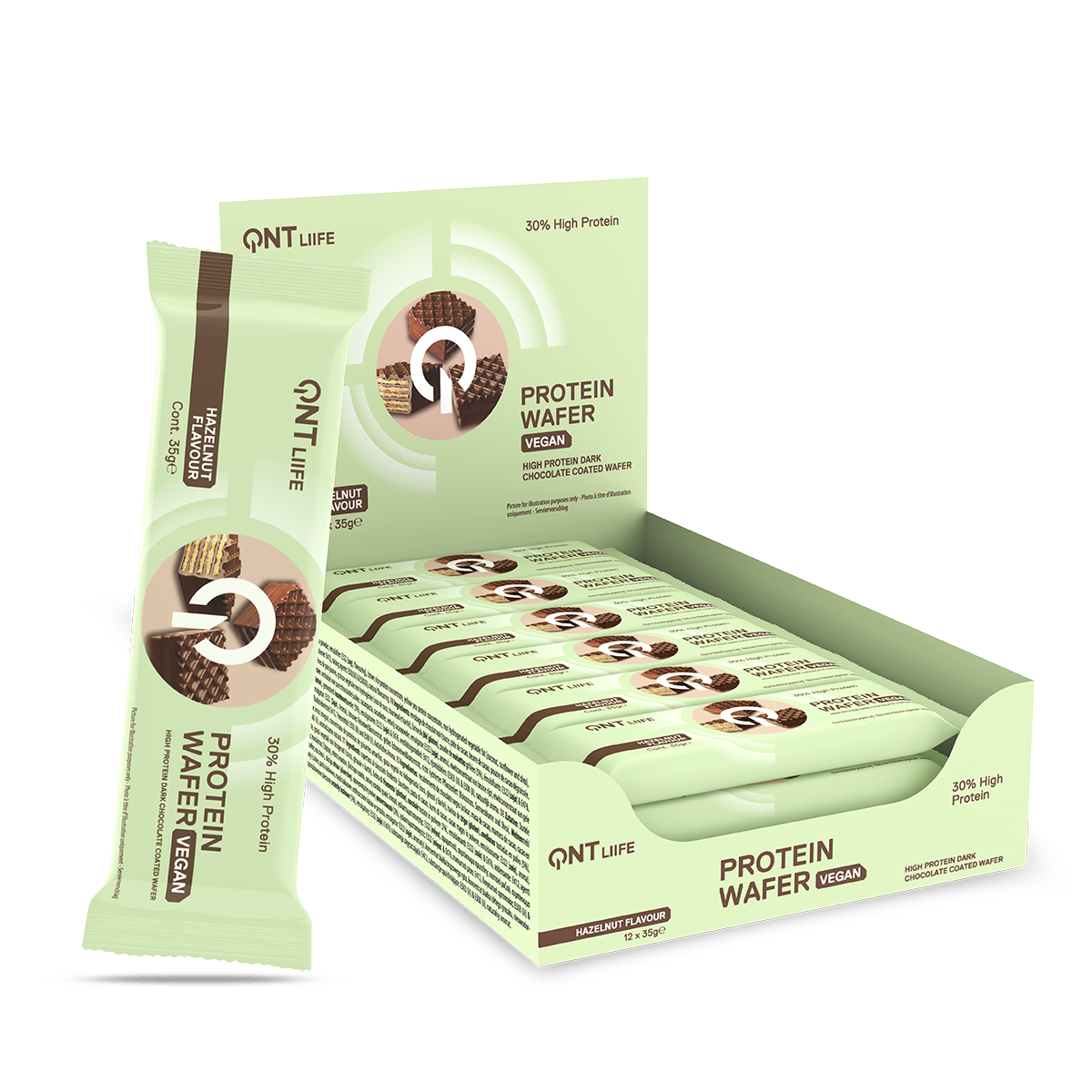
Vegan Protein wafer | 12 x 35 g
QNT vegan protein: pea, rice and real performance
What is vegan protein (and why pair pea with rice)?
Plant protein and training: as effective as whey?
The everyday benefits of vegan protein
Who is QNT vegan protein for?
When and how to take your vegan protein
Which QNT vegan product should you choose?
Frequently Asked Questions
Your health and results are our top priority. This FAQ answers the essential questions about QNT products, so you know exactly what you’re buying and how they support your goals.
What is the difference between pea protein and rice protein?
How much protein per day for vegan muscle building?
Does the Vegan Protein powder contain soy or gluten?
How do I choose between the powder, the wafer and the L-Carnitine bar based on allergens?
Guides & conseils

VEGETARIANS AND SPORT.
It is quite popular these days to shift away from the meat and what comes from the animal world. However, we have always advocated the benefits of ...

What are proteins used for ?
Protein: key role in muscle building, recovery, immunity and metabolism. Complete guide for athletes, vegetarians and vegans.
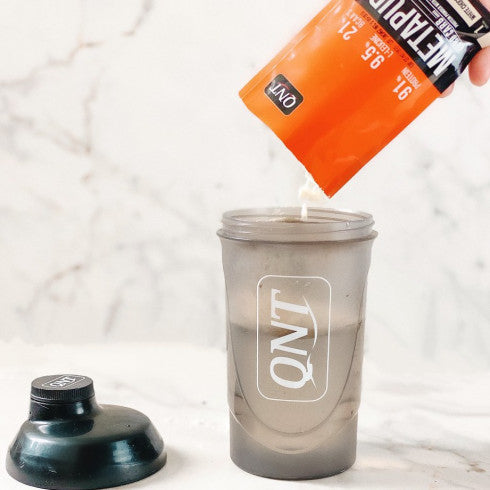
Which protein powder is right for you?
Which protein powder to choose? Faced with the numerous ranges offered on the market, it is normal to feel lost and not know which one to turn to. ...


