



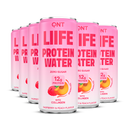
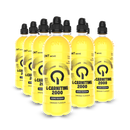



3 Flavours
L-Carnitine 2000 mg | 12 x 700 ml

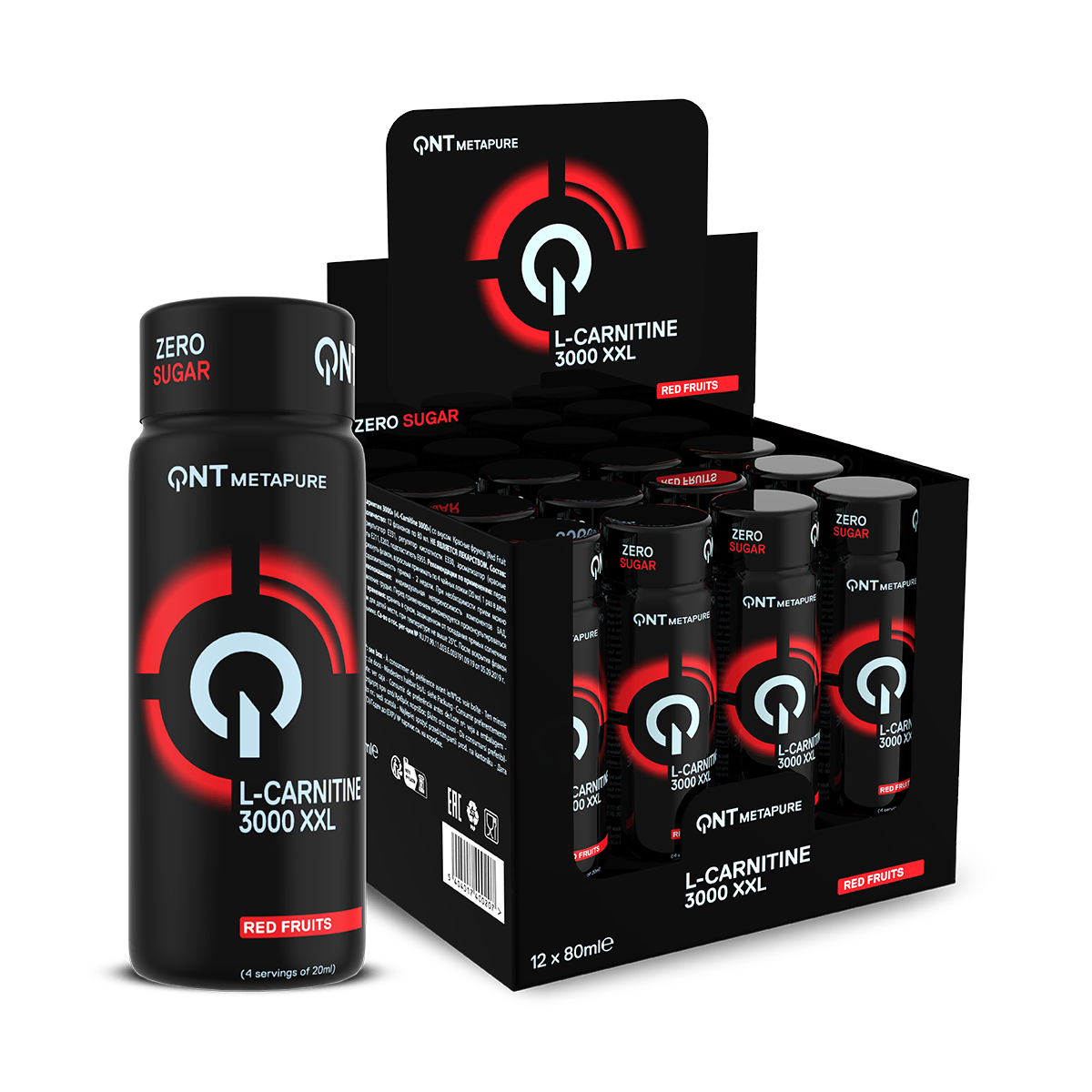
Red berries
L-Carnitine 3000 mg | 12 x 80 ml
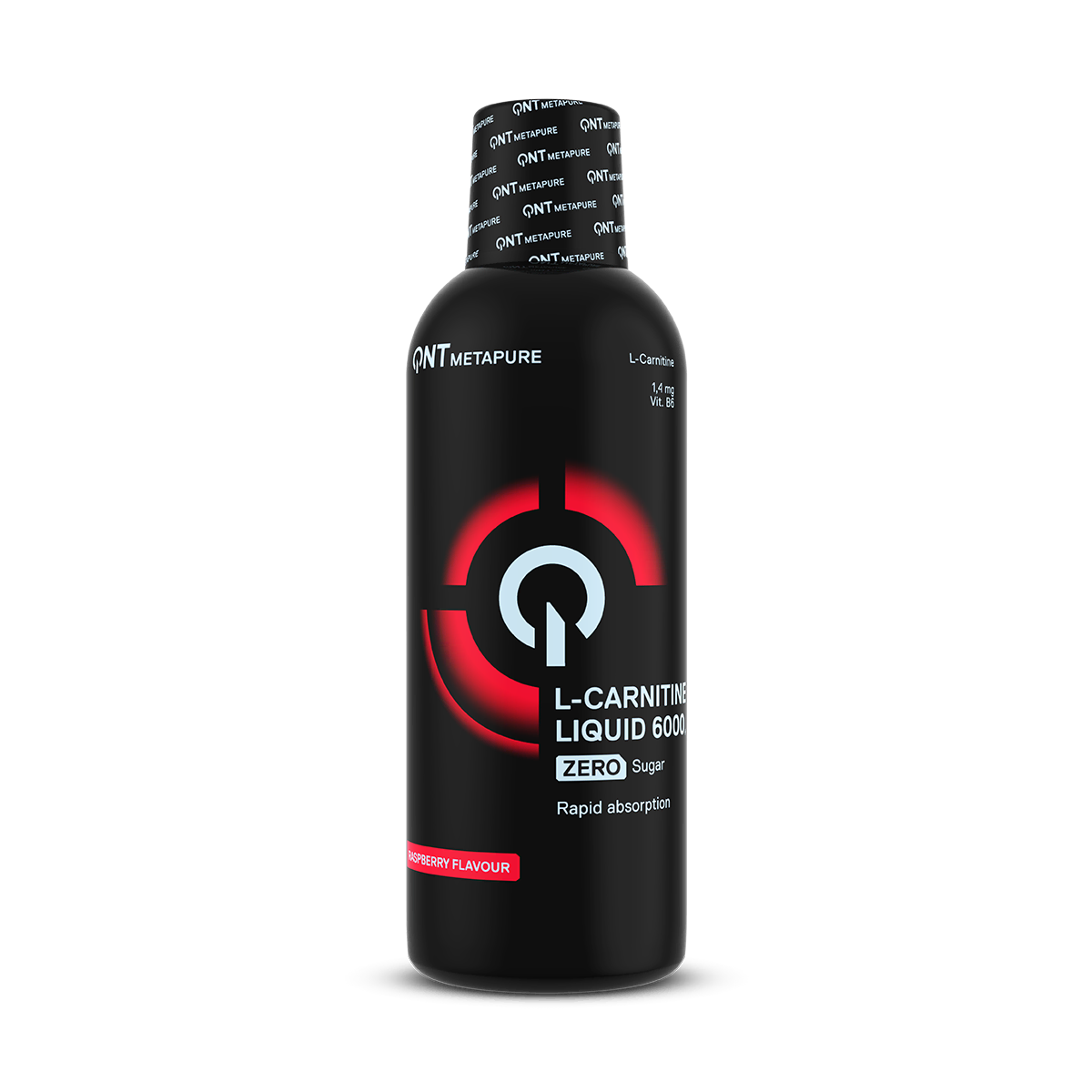
Raspberry
L-Carnitine Liquid 6000 | 500 ml
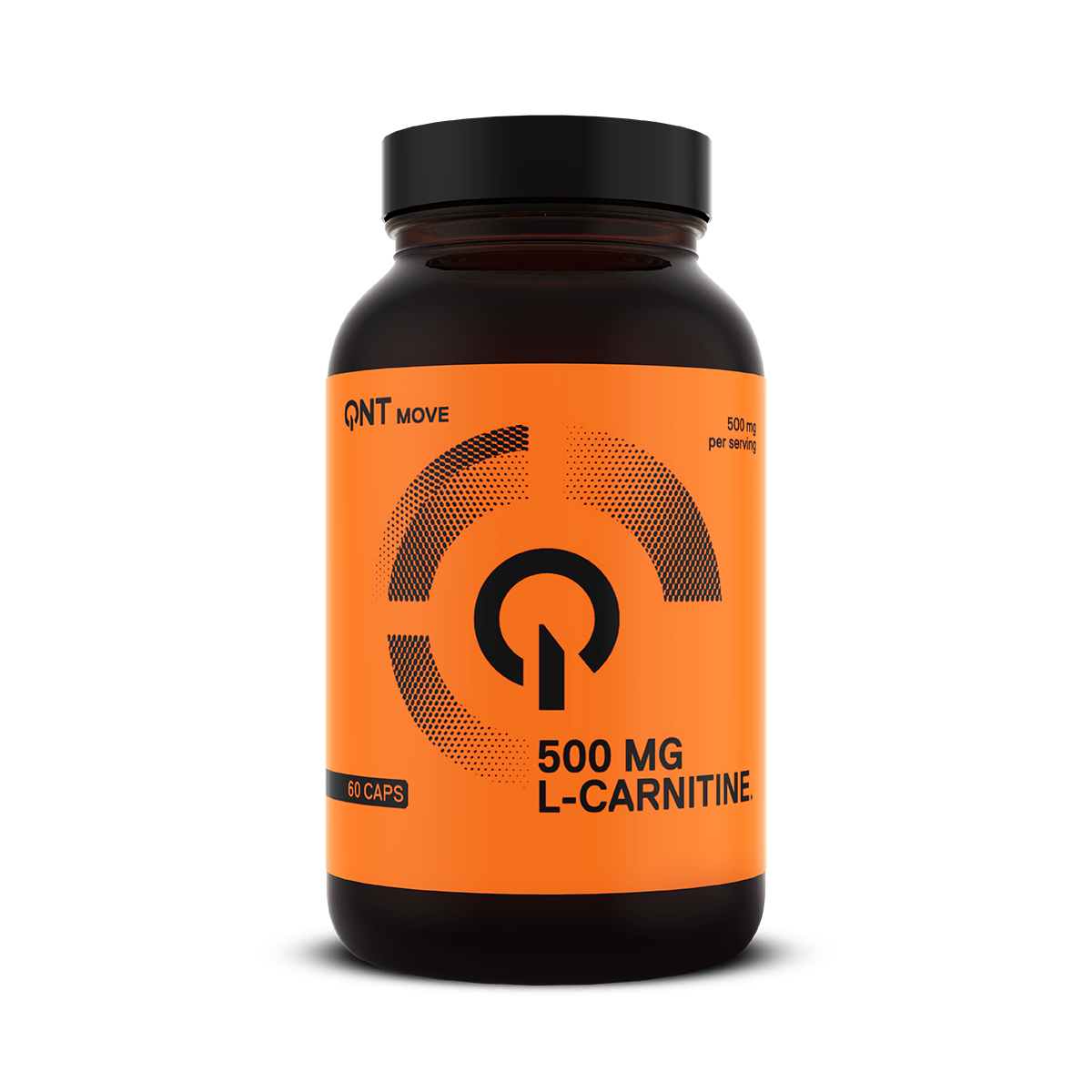
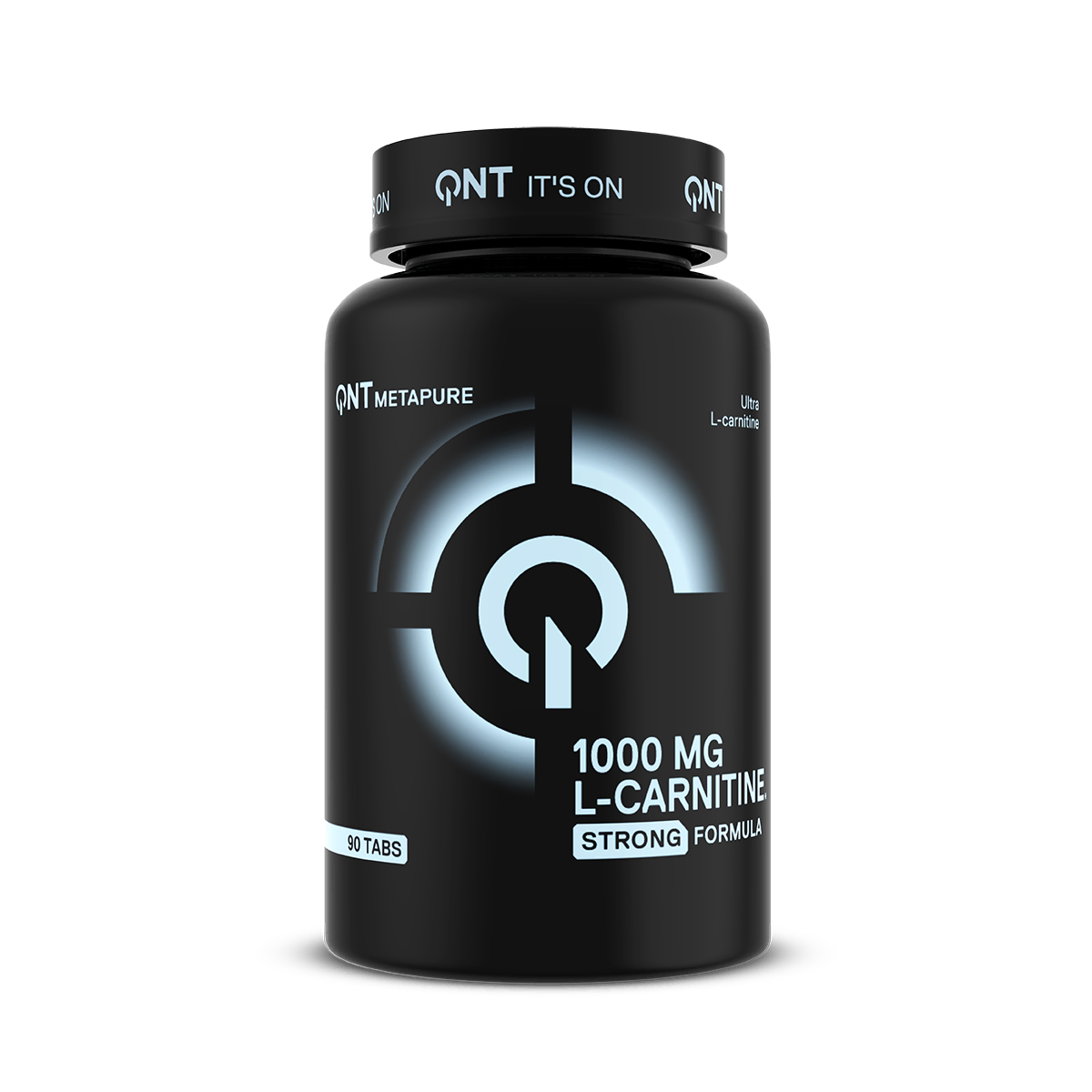
L-Carnitine
What is L-Carnitine?
How is L-Carnitine produced?
A fat burner
Energy Boost
Taking L-Carnitine
Frequently Asked Questions
Your health and results are our top priority. This FAQ answers the essential questions about QNT products, so you know exactly what you’re buying and how they support your goals.
What is L-Carnitine?
What are the benefits of L-Carnitine?
How does L-Carnitine act during training?
Who can benefit from L-Carnitine?
In what form should L-Carnitine be found at QNT?
Guides & conseils

All you need to know about carnitine
L-carnitine: role, benefits, dosage and timing — everything you need to know about this key supplement for burning fat and boosting your performance.
Everything you need to know about fat burners.
Fat burners: thermogenics, lipotropics, key ingredients, side effects and tips to maximise weight loss effectively.
How to lose weight after 40?
After 40, losing weight requires a different approach. Hormones, strength training, sleep, nutrition: the complete guide for lasting results.


