
Skip to content
Cart

Your cart is empty

Continue shopping

Collagen

Collagen is the most common protein in our bodies. It is present in our skin, bones, joints, tendons and ligaments. It gives them strength and elasticity.

3 products

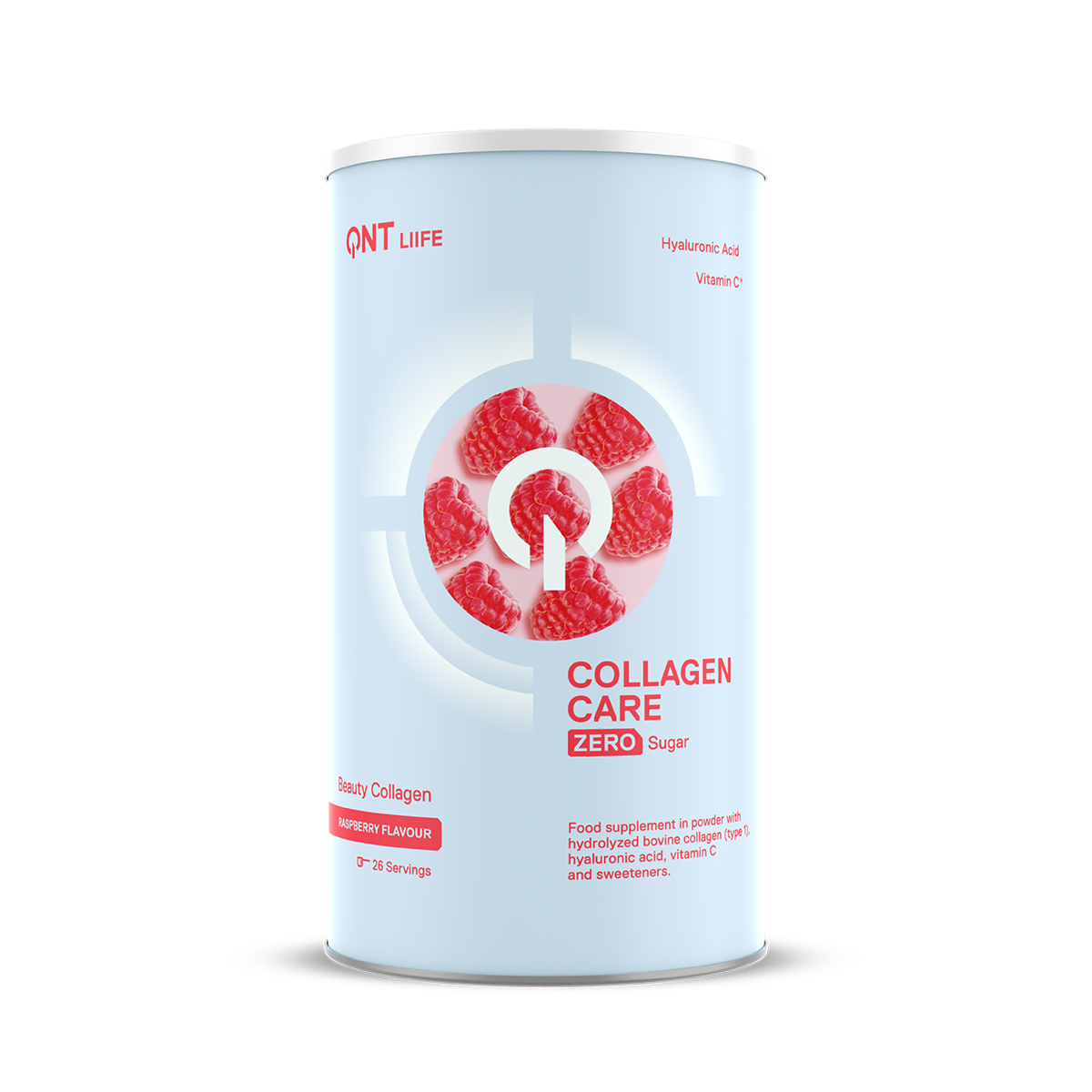
Save 20% QNT Collagen Care raspberry 390 g, collagen powder
Sale price21,32 € Regular price26,65 €
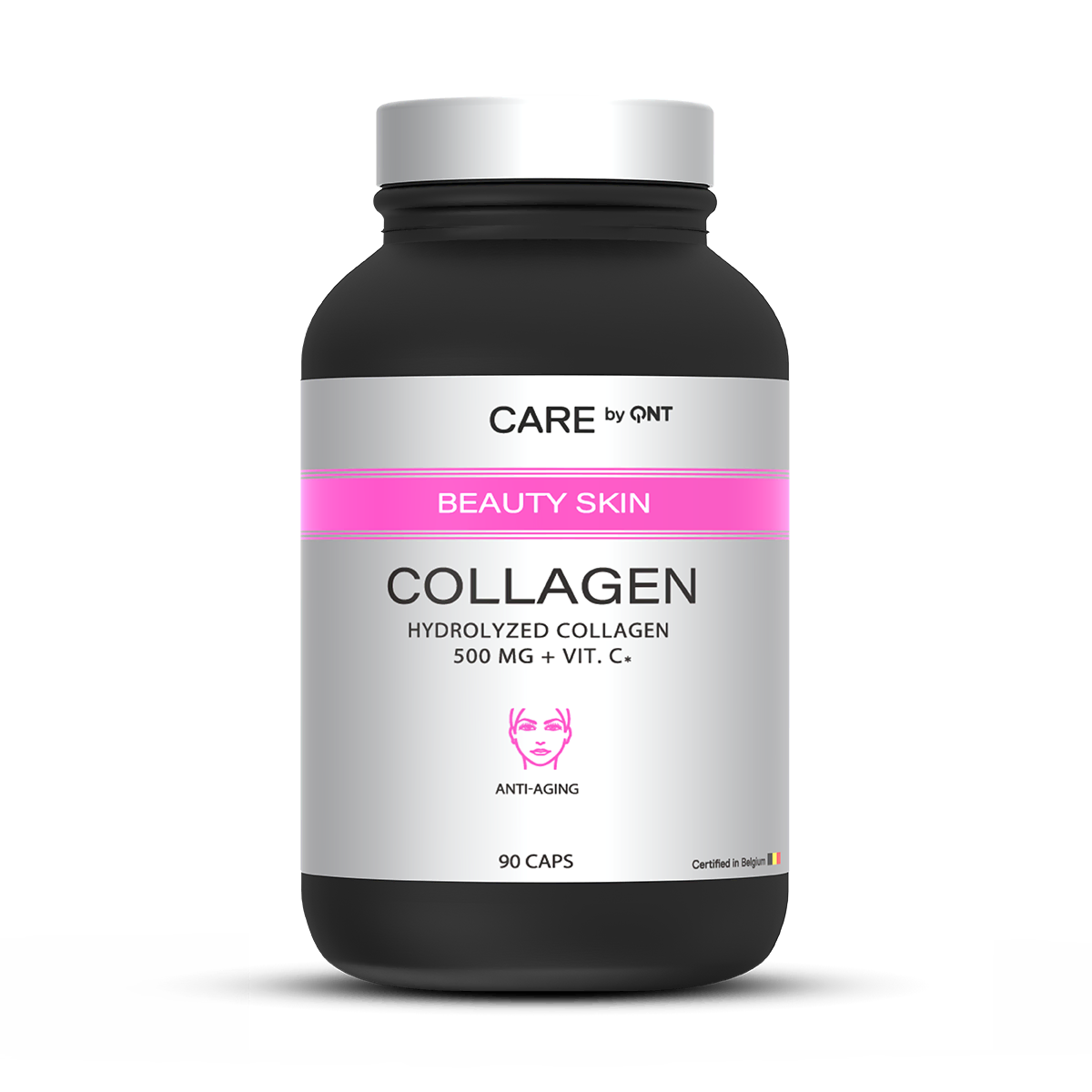
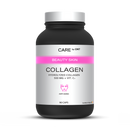
Save 20% QNT Collagène Hydrolysé 500 mg, collagen in capsules
Sale price16,08 € Regular price20,10 €
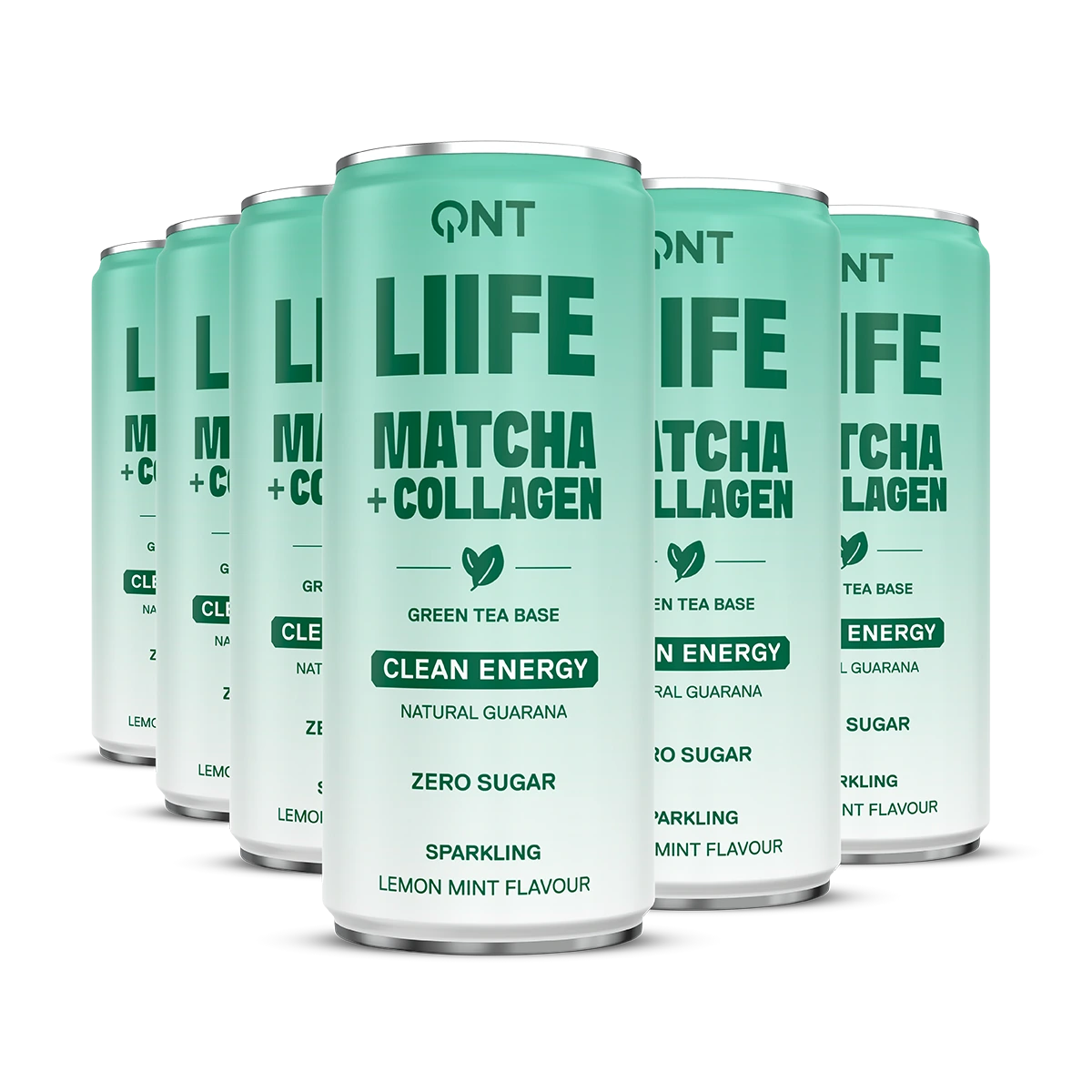
Save 5% QNT Energy Collagen Matcha green tea & lemon-mint 250 ml, collagen
Sale price22,80 € Regular price24,00 €
Filters
Sort by
Price
to
QNT Collagen: the complete guide

What is collagen?

Collagen is the most abundant protein in your body. It is the structural protein of your skin, joints, tendons, ligaments and bones: it gives them their structure and holds them together. What makes it distinctive is how rich it is in specific amino acids: glycine, proline and hydroxyproline, which a typical diet provides in only small amounts.

Worth knowing: your body's natural collagen production gradually declines with age, generally from around 25 to 30 onwards. This is a normal, physiological process.

That is exactly why interest in collagen powder and collagen peptides as food supplements keeps growing. Rather than treating it as a promise, think of it as a targeted intake of amino acids that is easy to build into your daily routine. The QNT collagen range gives you three formats to do that simply: a powder you dose yourself, capsules, and a ready-to-drink option.

Marine collagen: why this type makes the difference

Marine collagen, also known as fish collagen, is extracted from fish skin and scales. It is mainly made up of type I collagen, the type most present in your skin and supporting tissues. It is also the form people look for most: marine collagen is by far the most searched term on the subject.

So why choose marine over other sources? A few practical reasons:

  • An amino acid profile rich in glycine, proline and hydroxyproline
  • Good bioavailability once it is in hydrolysed peptide form
  • A genuine alternative to bovine or porcine sources

There are three main types of collagen: type I (skin, tendons, bone), type II (cartilage) and type III (often found alongside type I). For a versatile everyday intake, type I from a marine source is the most common choice. At QNT, Collagen Care and Hydrolysed Collagen 500 mg give you that intake in an easy-to-use form.

Hydrolysed collagen and peptides: what exactly are they?

You will often see the terms hydrolysed collagen and collagen peptides. They describe the same thing. Native collagen is a very large molecule. Hydrolysis (a controlled break-down, usually enzymatic) splits it into much shorter chains called peptides.

The benefit is concrete: these smaller peptides are more soluble and more readily absorbed by the body than native collagen. That is why almost every quality supplement uses hydrolysed collagen rather than the native form.

One practical point that often gets overlooked: because hydrolysis has already opened up the collagen structure, the heat of a hot drink is not a problem. You can stir your powder into coffee or tea without any issue. QNT's Hydrolysed Collagen 500 mg is built specifically around this hydrolysed form, designed for simple use and good absorption.

How much collagen per day and how long should a course last?

The question comes up constantly: how much collagen per day? For powder and peptide supplements, the most common usage range sits at around 5 to 10 g per day, taken in a single serving.

Collagen works over time, not as a one-off. The classic approach is a course followed over several weeks:

  • Daily consistency: one serving every day is the key
  • A course of several weeks rather than the occasional dose
  • You can alternate periods of use with breaks

For capsules such as Hydrolysed Collagen 500 mg, simply follow the dosage on the product label, which states how many capsules to take per day. For powder, a scoop or a spoonful is enough, mixed into the drink of your choice. The main thing: pick a format you will actually stick with over time, because consistency is what matters most in a collagen course.

When and how to take your collagen

Good news: there is no magic hour. The best time to take your collagen is mostly the time you will not forget. Many people take it in the morning in their coffee or a smoothie, others after training with their shake, or in the evening. Regularity matters more than timing.

When it comes to preparation, collagen powder is very versatile. You can mix it into:

  • a coffee or tea (the heat does not damage it once it is hydrolysed)
  • a smoothie, a juice or some yoghurt
  • a large glass of water

A useful, compliant tip: pair your collagen with a source of vitamin C. Vitamin C contributes to normal collagen formation for the normal function of skin, bones, cartilage and gums (authorised EFSA claim). Think a piece of fruit, citrus juice or a fortified drink. And if you want maximum simplicity, LIIFE Energy Collagen (a matcha-based, energising ready-to-drink format) needs nothing to measure and you can take it anywhere.

Which QNT collagen should you choose?

The QNT collagen range covers three use cases. Choose the one that fits your lifestyle:

  • Collagen Care: the powder format at its best. Ideal if you want to manage your own serving and add it to your morning drink or shake. The most flexible option for a sustained course.
  • Hydrolysed Collagen 500 mg: the capsule format, convenient and with no preparation. Perfect if you prefer a quick, taste-free serving that is easy to carry, following the dosage on the label.
  • LIIFE Energy Collagen: the ready-to-drink option, a matcha-based drink and therefore energising (unlike the other two formats, which are caffeine-free). No measuring, no mixing: you drink it and you are done. The on-the-go choice for the office, the gym or travel.

In short:

  • Like to dose and personalise? Collagen Care (powder)
  • Want the simplest, most neutral-tasting option? Hydrolysed Collagen 500 mg (capsules)
  • Want something ready to drink on the move? LIIFE Energy Collagen

All three benefit from QNT know-how, a brand made in Belgium, with recognised quality and control standards.

Who is collagen for?

Collagen suits a wide audience, well beyond athletes. Because natural production declines with age, it is especially relevant for adults who want to top up their intake of the specific amino acids (glycine, proline, hydroxyproline) that an everyday diet provides in only small amounts.

It can find a place in the routine of:

  • athletes and active people who put their bodies under real strain and want to complement their protein intake, for example with a complete protein for muscle alongside collagen
  • adults aged 30 and over who pay attention to their overall wellbeing
  • anyone who looks after their daily routine (skin, hair and nails are among the tissues naturally rich in collagen)

Collagen is not a medicine and does not replace a balanced diet: it is a food supplement that adds to good habits. For best results, combine it with a varied diet, enough hydration and regular physical activity. If you are pregnant, breastfeeding or on medication, ask a healthcare professional for advice before starting any course.

Frequently Asked Questions

Your health and results are our top priority. This FAQ answers the essential questions about QNT products, so you know exactly what you’re buying and how they support your goals.

Is there a vegan or vegetarian collagen at QNT?

No. Collagen is by nature an animal protein, so a true vegan collagen does not exist. QNT collagen is marine (sourced from fish), so it suits neither vegan nor vegetarian diets. If you want a plant-based option, look at a vegan protein instead.

Can collagen replace my whey or usual protein?

No, they are complementary and do different jobs. Collagen is a structural protein rich in glycine, proline and hydroxyproline but low in complete essential amino acids. For muscle, keep a complete protein like whey and add collagen on top, not instead.

Does collagen have any side effects or contraindications?

Hydrolysed collagen is generally well tolerated. Because it is marine, avoid it if you have a fish allergy. It is not a medicine but a food supplement: if you are pregnant, breastfeeding or on medication, ask a healthcare professional for advice before starting a course.

How long before you notice the effects of a collagen course?

There is no guaranteed timeframe, as collagen is a food supplement and not a treatment. Common usage relies on a consistent course of several weeks rather than a one-off dose. Aim for consistency and pair it with a varied diet and some vitamin C.