








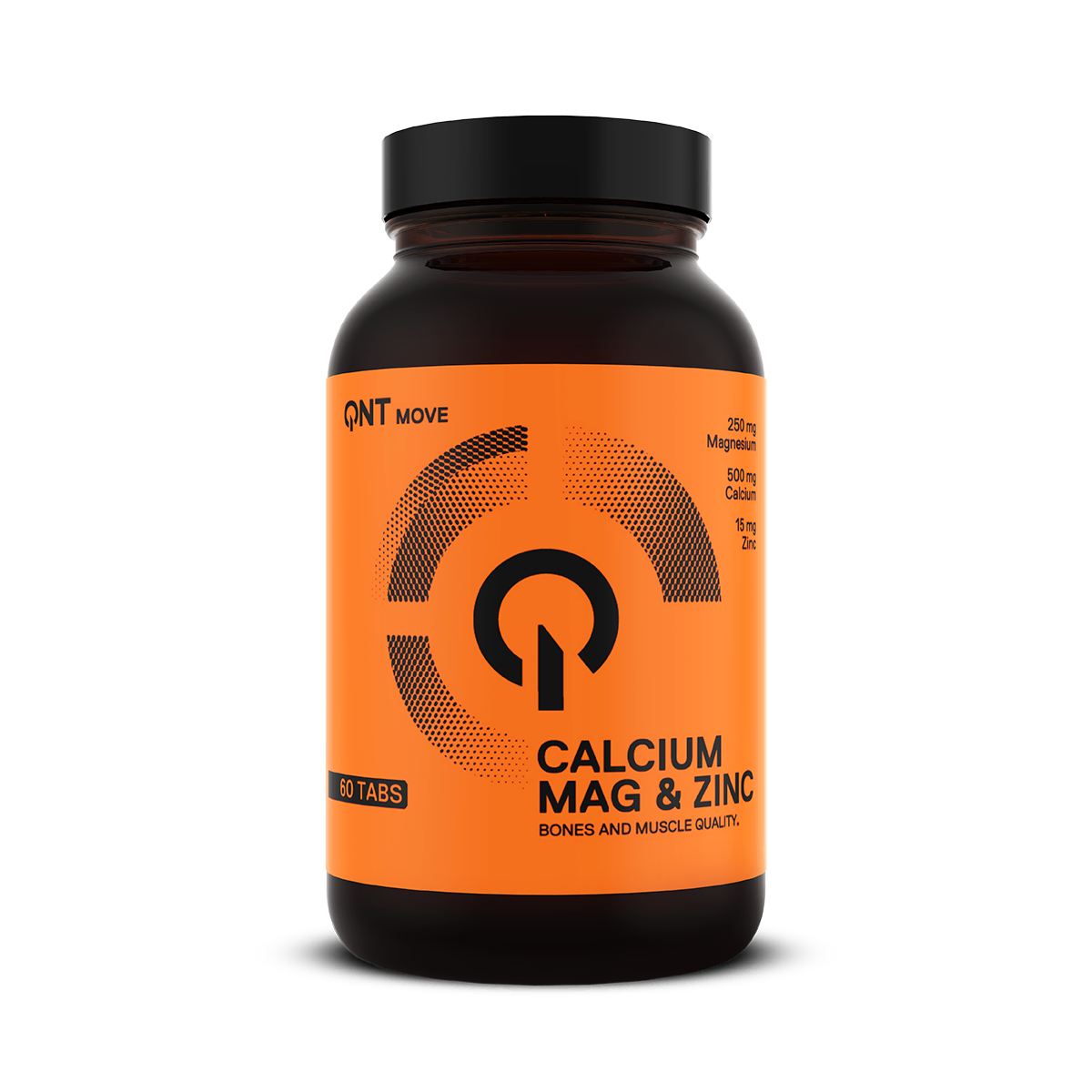
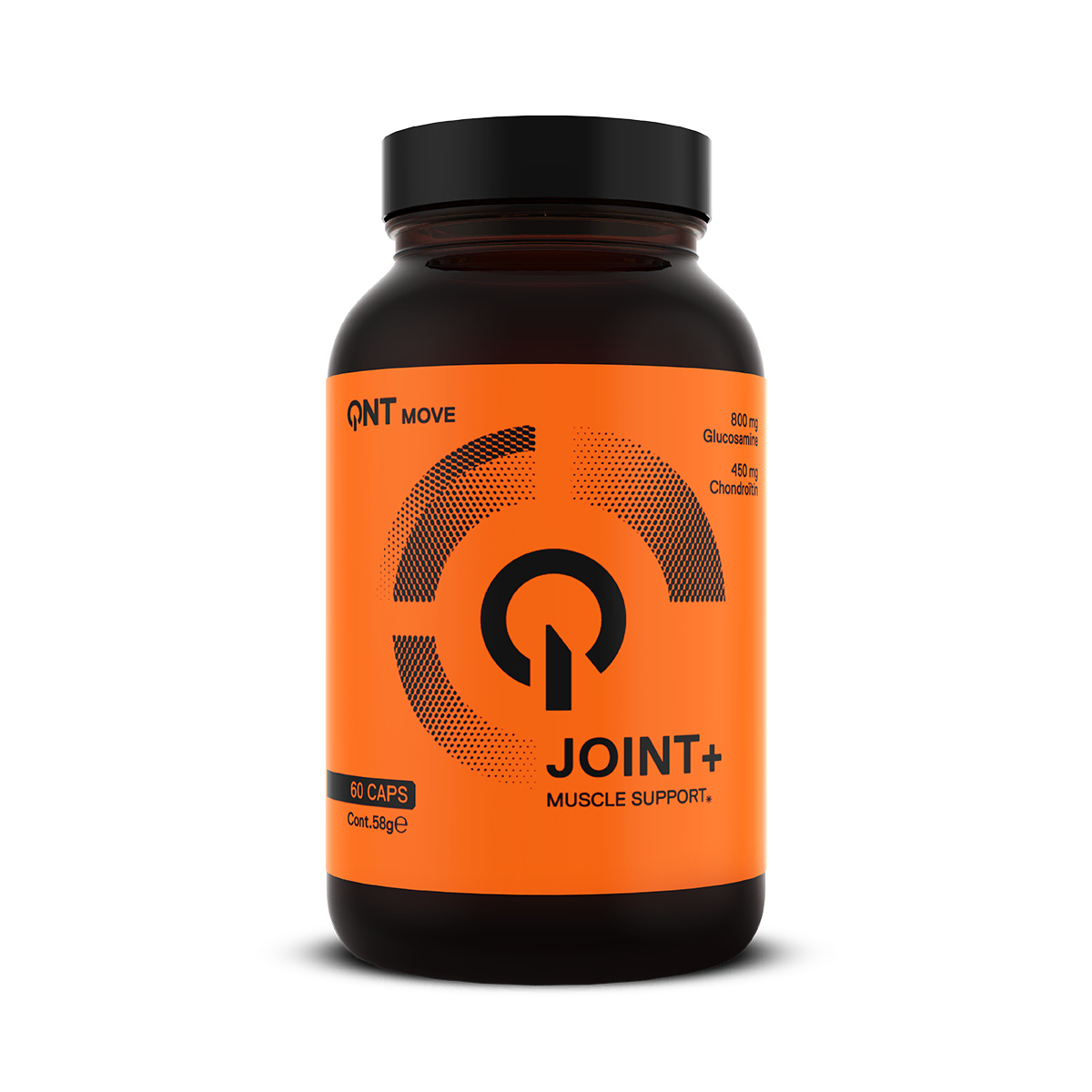
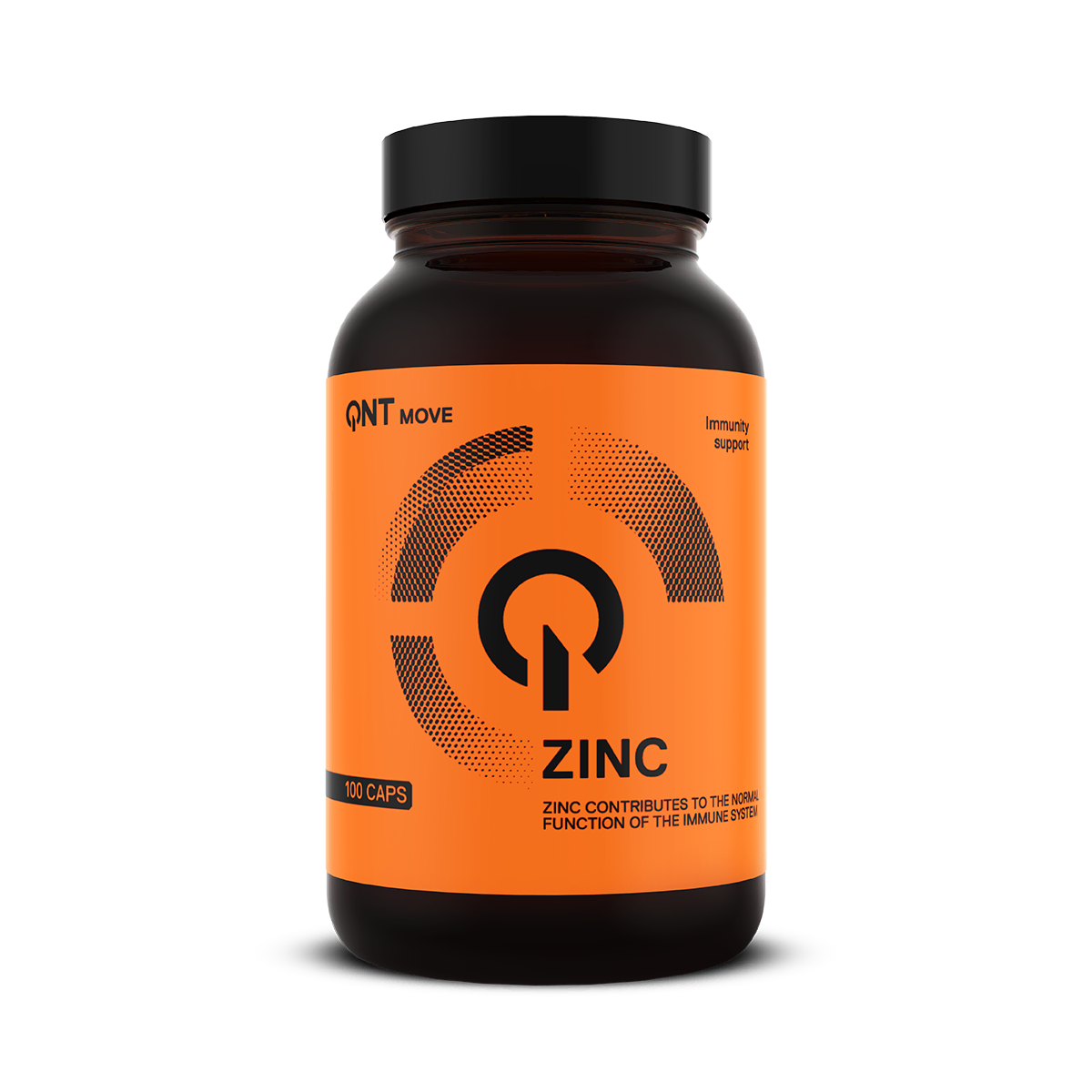
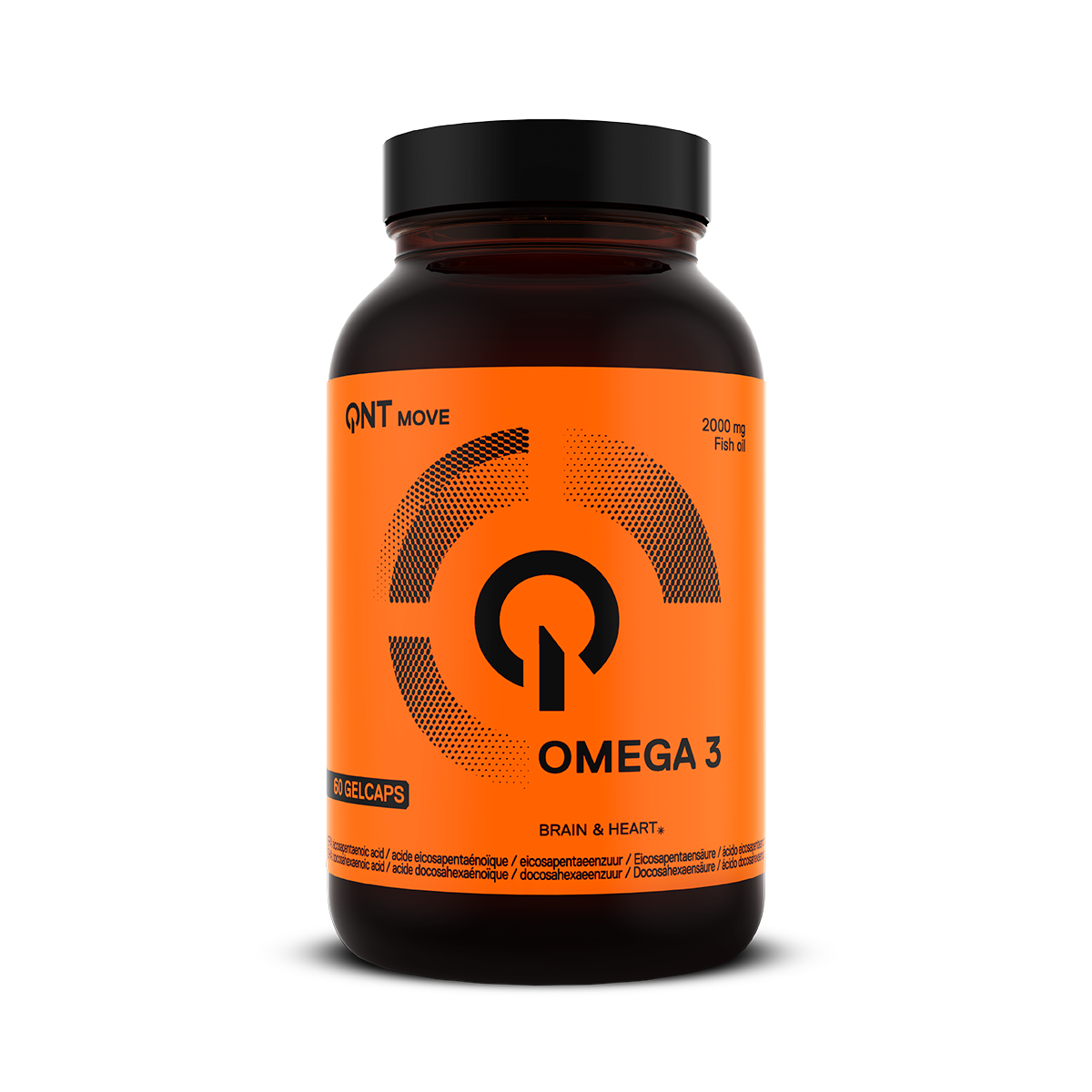

What do vitamins and minerals actually do?
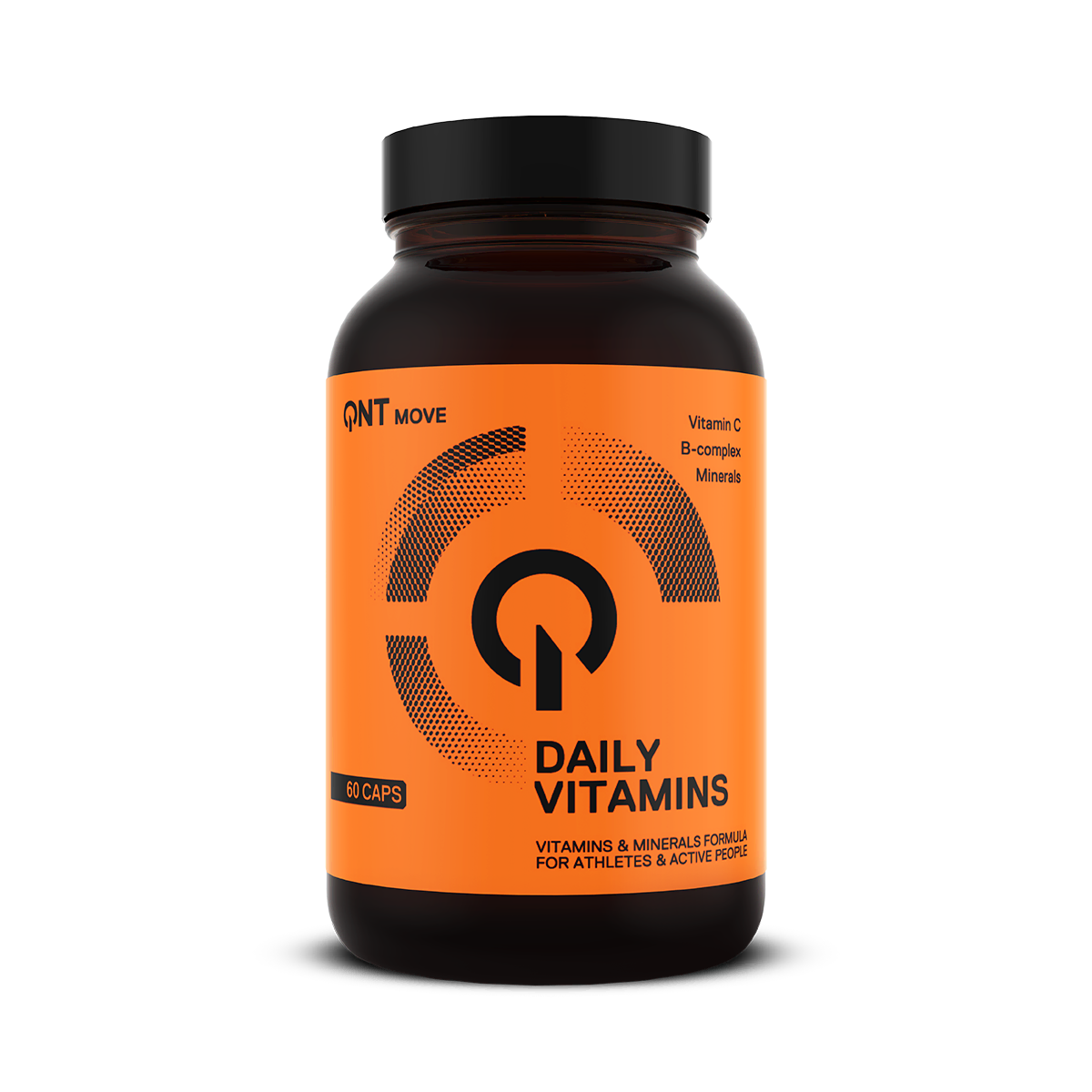
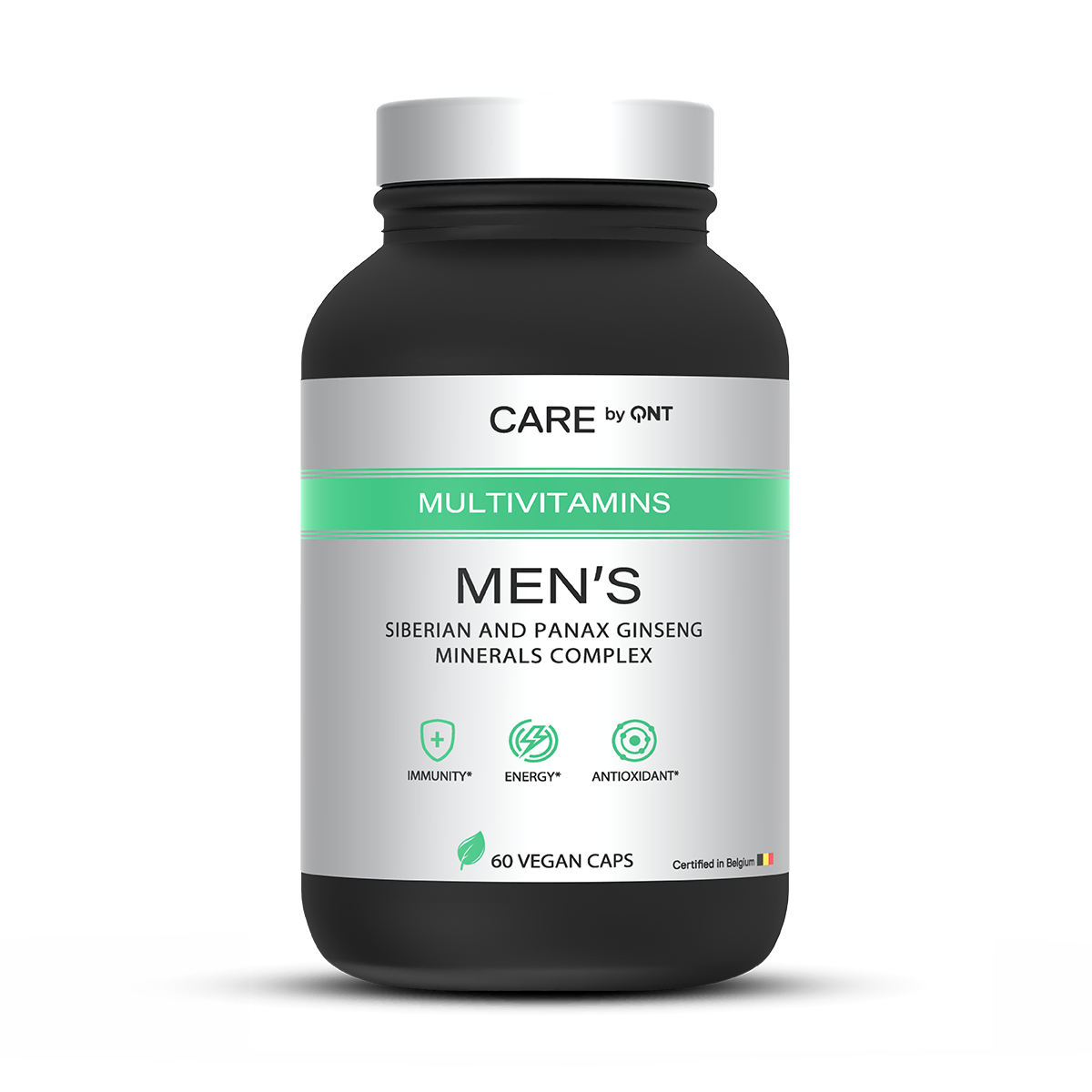
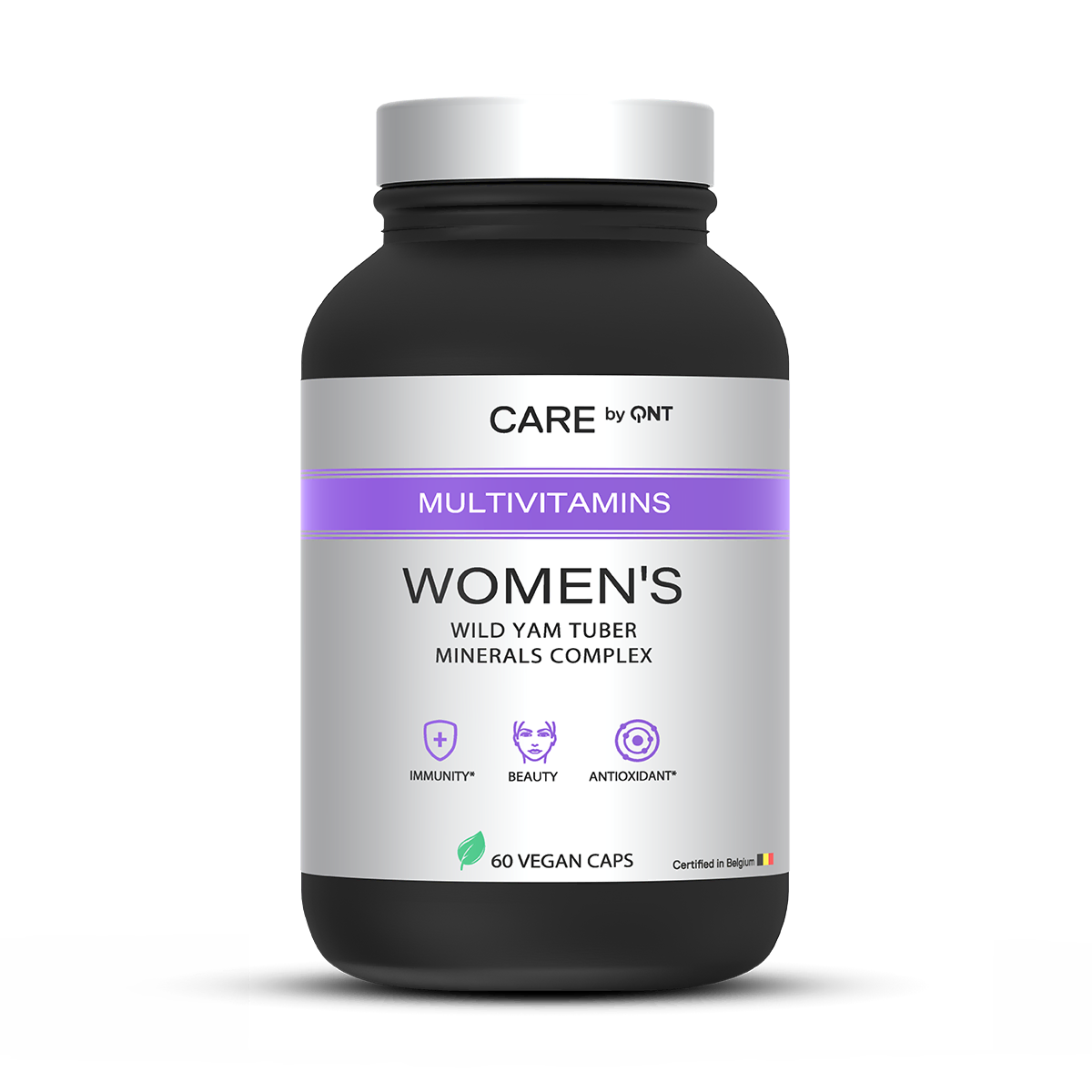
QNT multivitamins: the base for covering your needs
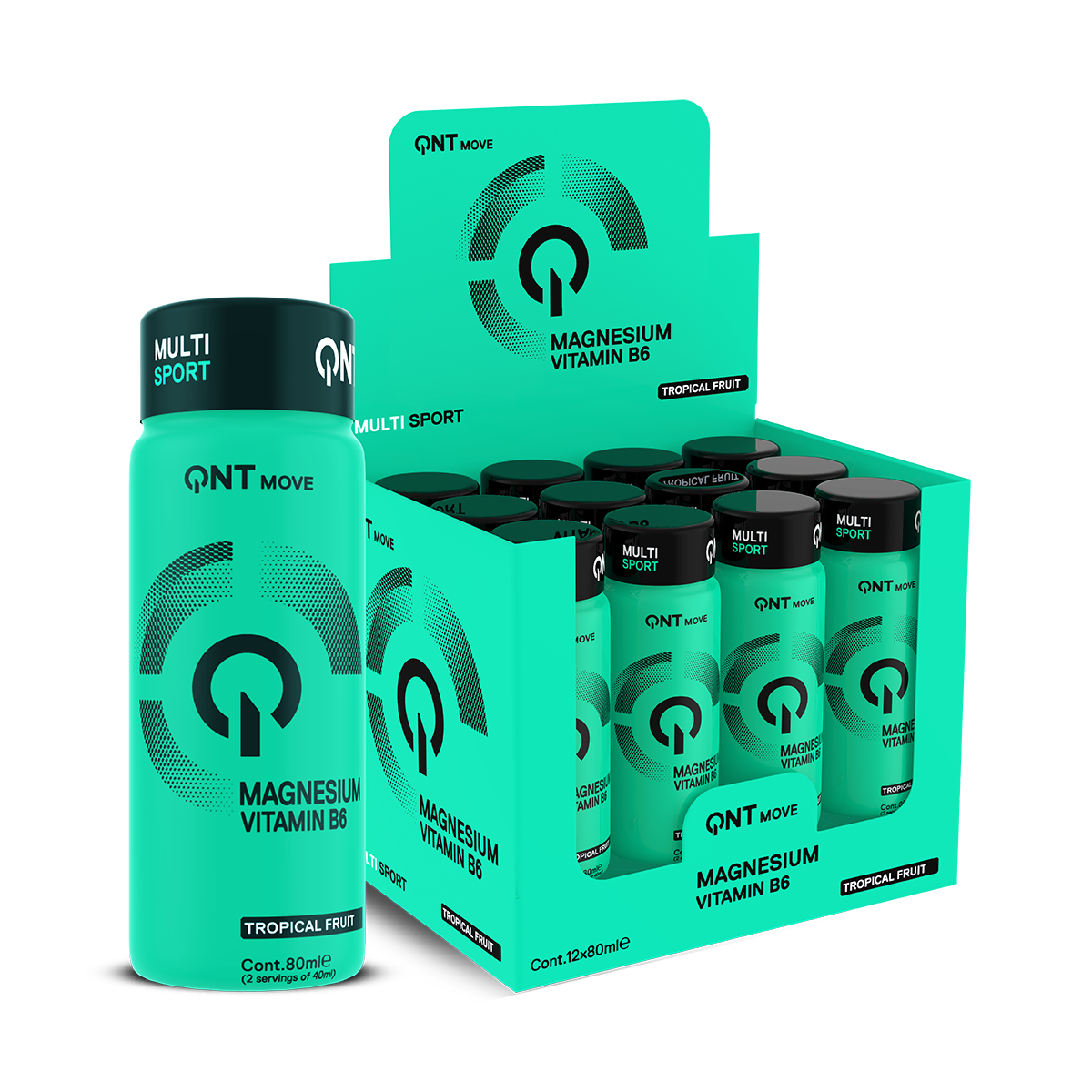
Magnesium: energy, fatigue, recovery and sleep
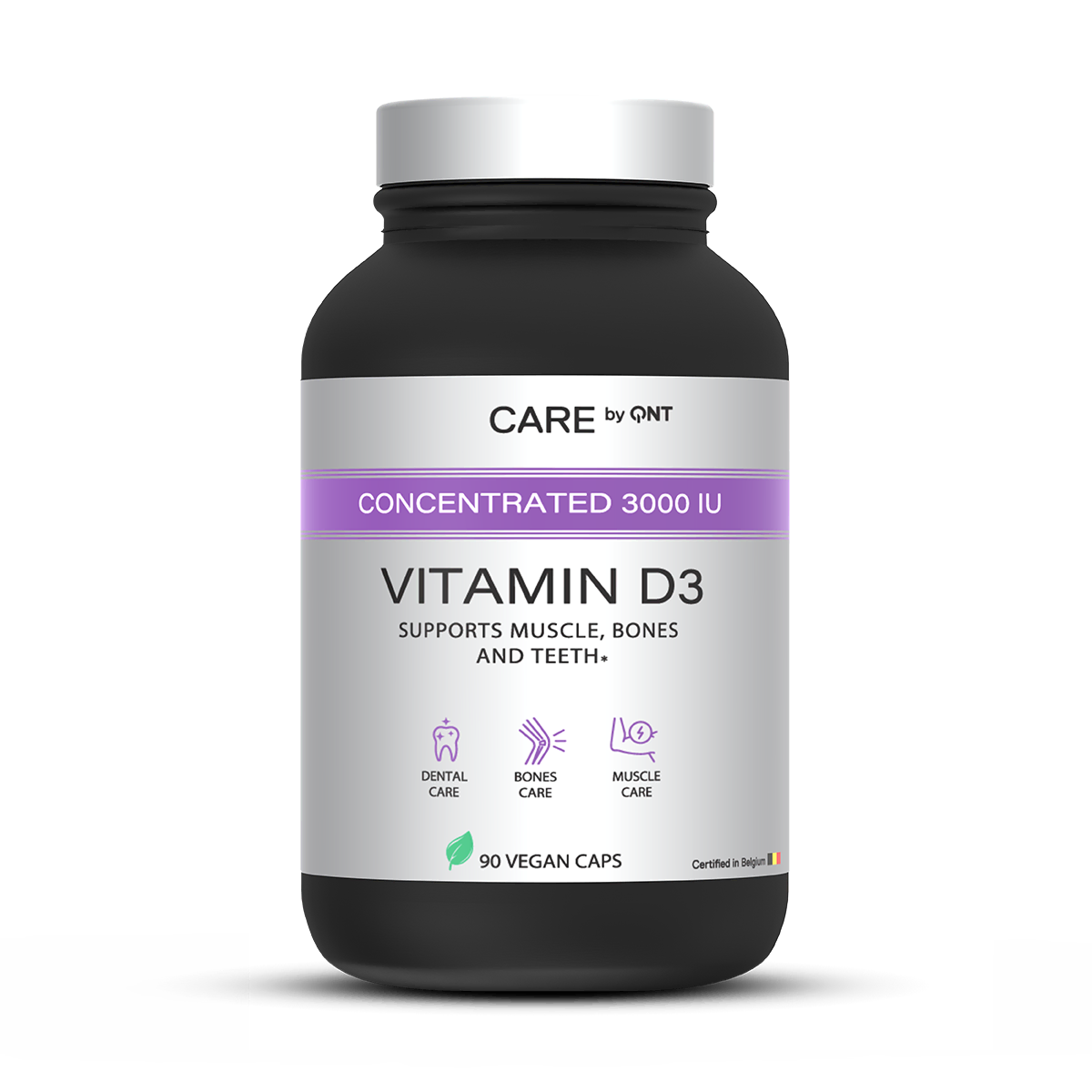
Immune support, vitamin D and antioxidants: zinc, vitamin D3
Vegan or vegetarian diet: the intakes to watch
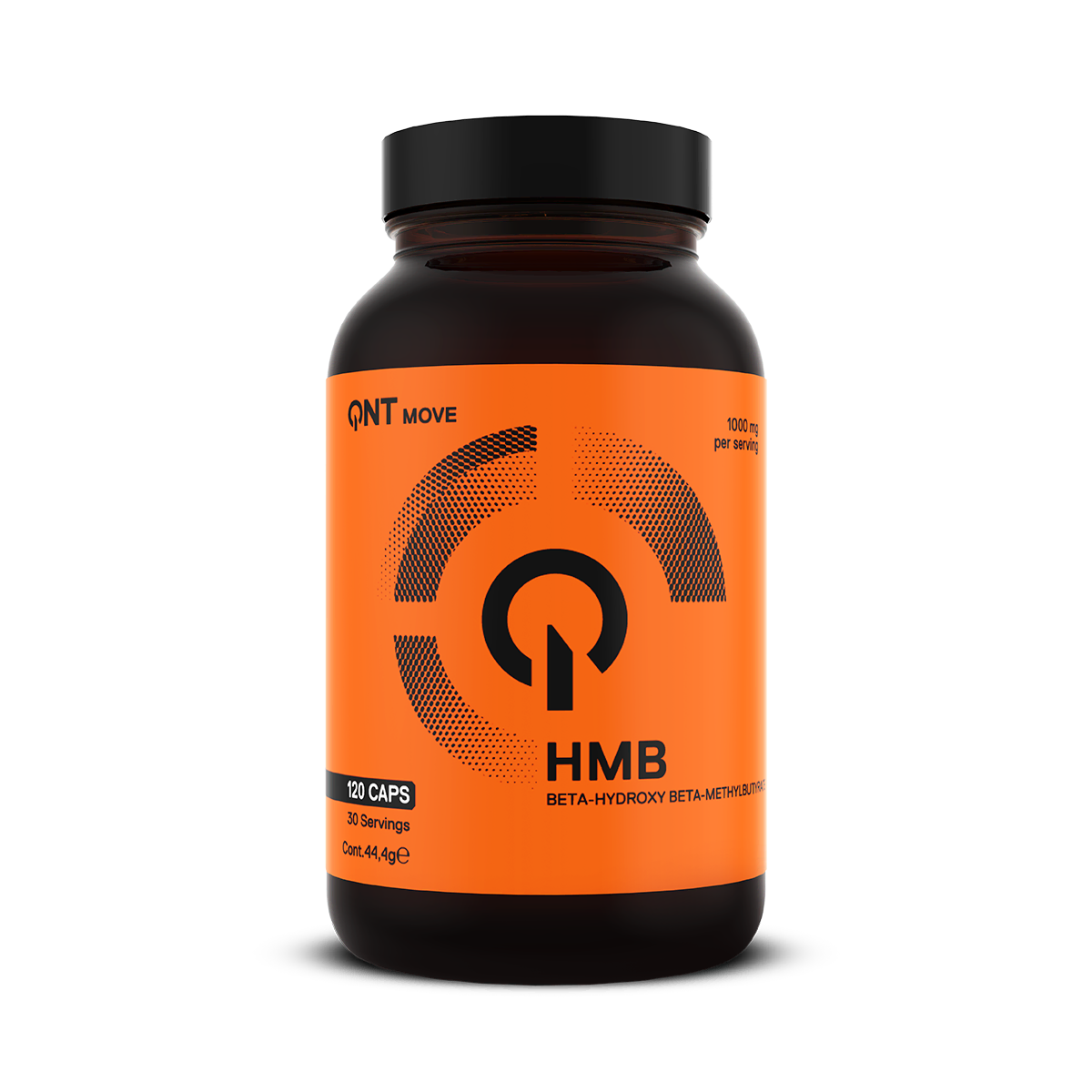
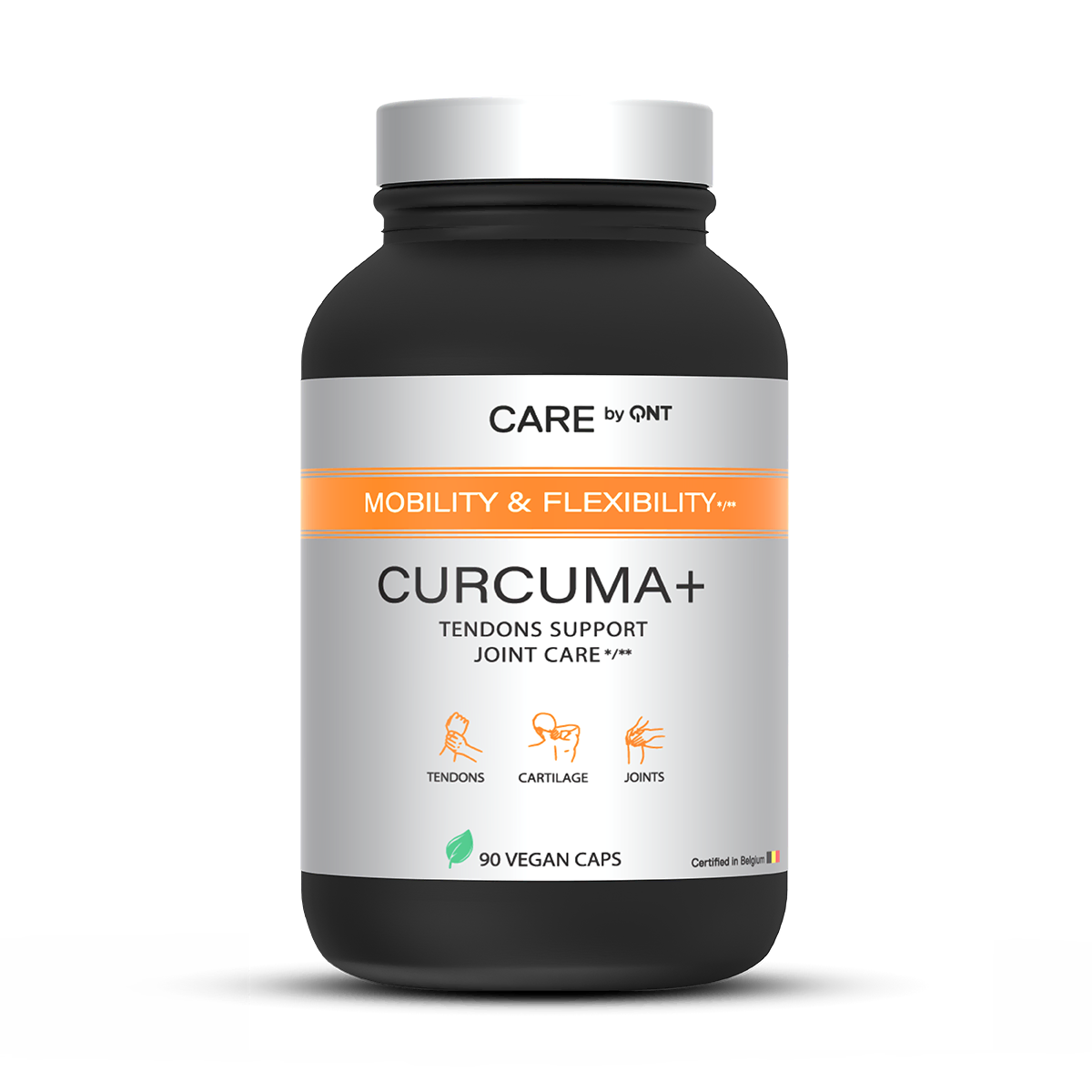
Curcuma, omega 3, HMB and Joint+: the targeted supplements
Frequently Asked Questions
Your health and results are our top priority. This FAQ answers the essential questions about QNT products, so you know exactly what you’re buying and how they support your goals.
What is the difference between magnesium bisglycinate and other forms of magnesium?
How much magnesium per day should you aim for?
Can you stack several supplements such as a multivitamin, magnesium and omega 3?
What is vitamin B9 (folate) for and where do you find it?
Guides & conseils

The benefits of vitamins and minerals for balanced health.
Multivitamins, minerals, deficiencies: how to identify them, correct them and choose the right supplements to support your daily health.

The benefits of vitamin D, why take it?
Vitamin D... If there is one substance that we miss the most during the winter, it is this one! Indeed, vitamin D is found in foods such as orange ...

Magnesium: The Best Foods to Prevent Deficiency
Magnesium is an essential mineral for many bodily functions, but did you know that a deficiency can significantly impact your well-being? In this a...
Zinc and Health: Intake, Deficiency, Supplementation, Tips
Zinc is a true ally for health, yet it often remains overlooked. Present in every cell of the body, this essential mineral is involved in hundreds ...

Vitamin B12: Benefits, Deficiencies, and Food Sources
Vitamin B12 is a key nutrient for your well-being, playing a vital role in energy production, nervous system health, and red blood cell formation. ...

Vitamin B9: Folic Acid and Folates – Benefits, Sources & Deficiency
Often overlooked, vitamin B9 plays a key role in our daily health. From the formation of red blood cells to the protection of the nervous system, a...


