

Skip to content
Cart

Your cart is empty

Continue shopping

Endurance

Endurance is defined as the ability to maintain an effort of relative intensity over a prolonged period of time.

It is an essential muscular quality in sports such as athletics (3000 m, 5000 m, 10,000 m, marathon, etc.), cycling and swimming (over longer distances).

It also forms the basis of physical fitness and develops cardiac volume.

3 products

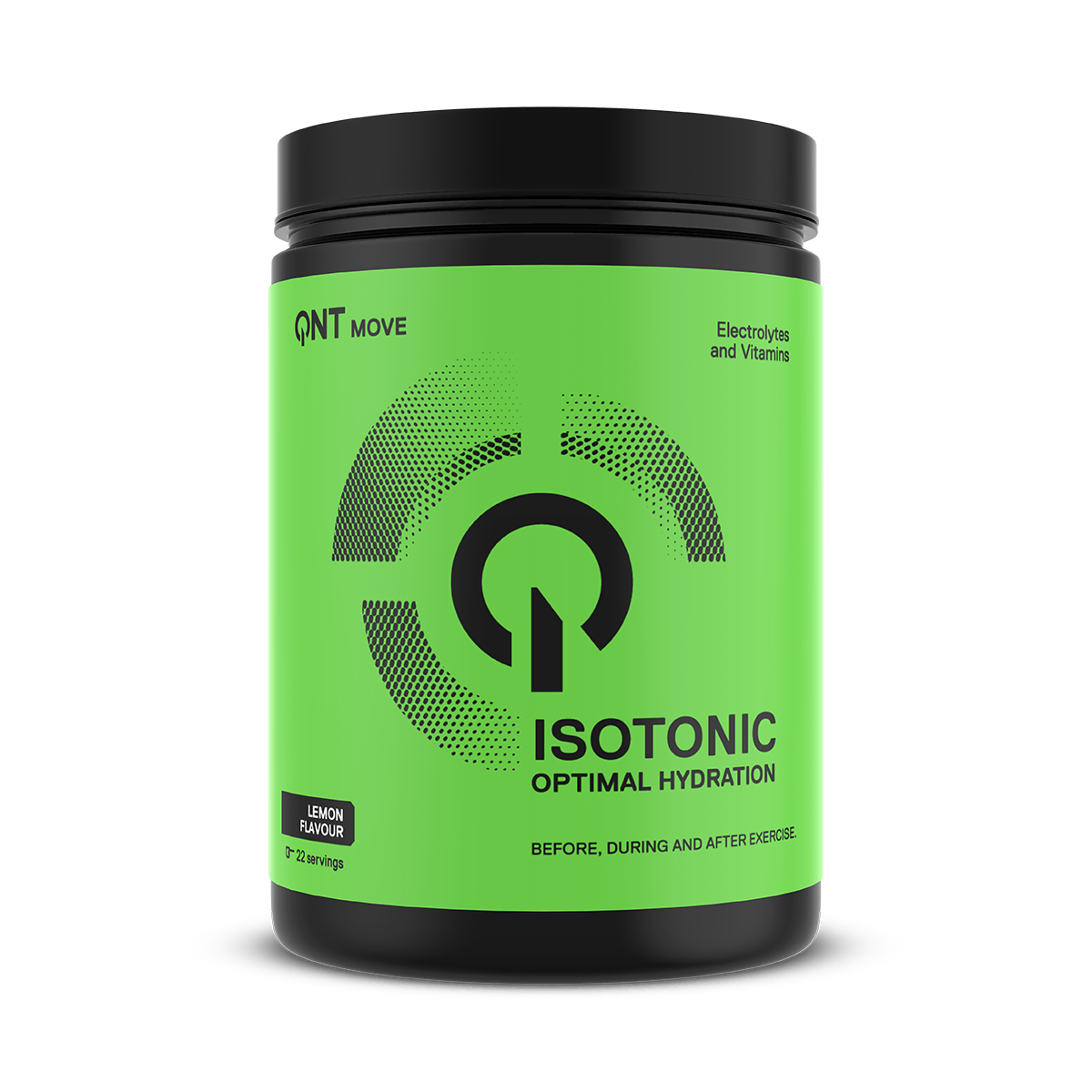
Isotonic Poudre | 660 g Citron/Citron vertIsotonic Poudre | 660 g Fruits rouges
Sale price15,00 €
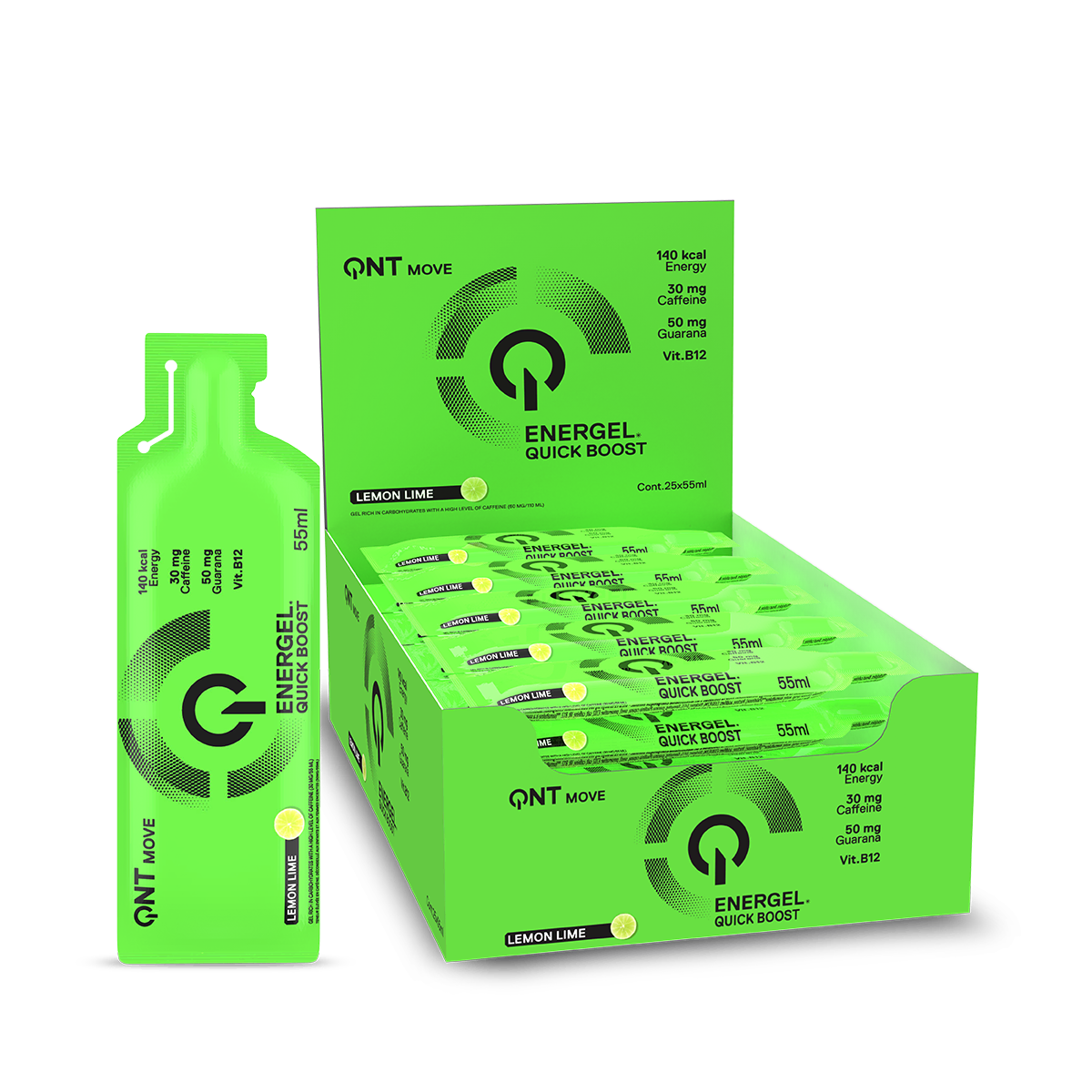
Gel énergétique Energel Quick Boost | 25 x 55 ml | Citron-citron vertGel énergétique Energel Quick Boost | 25 x 55 ml | Fruits des bois
Sale price47,50 €
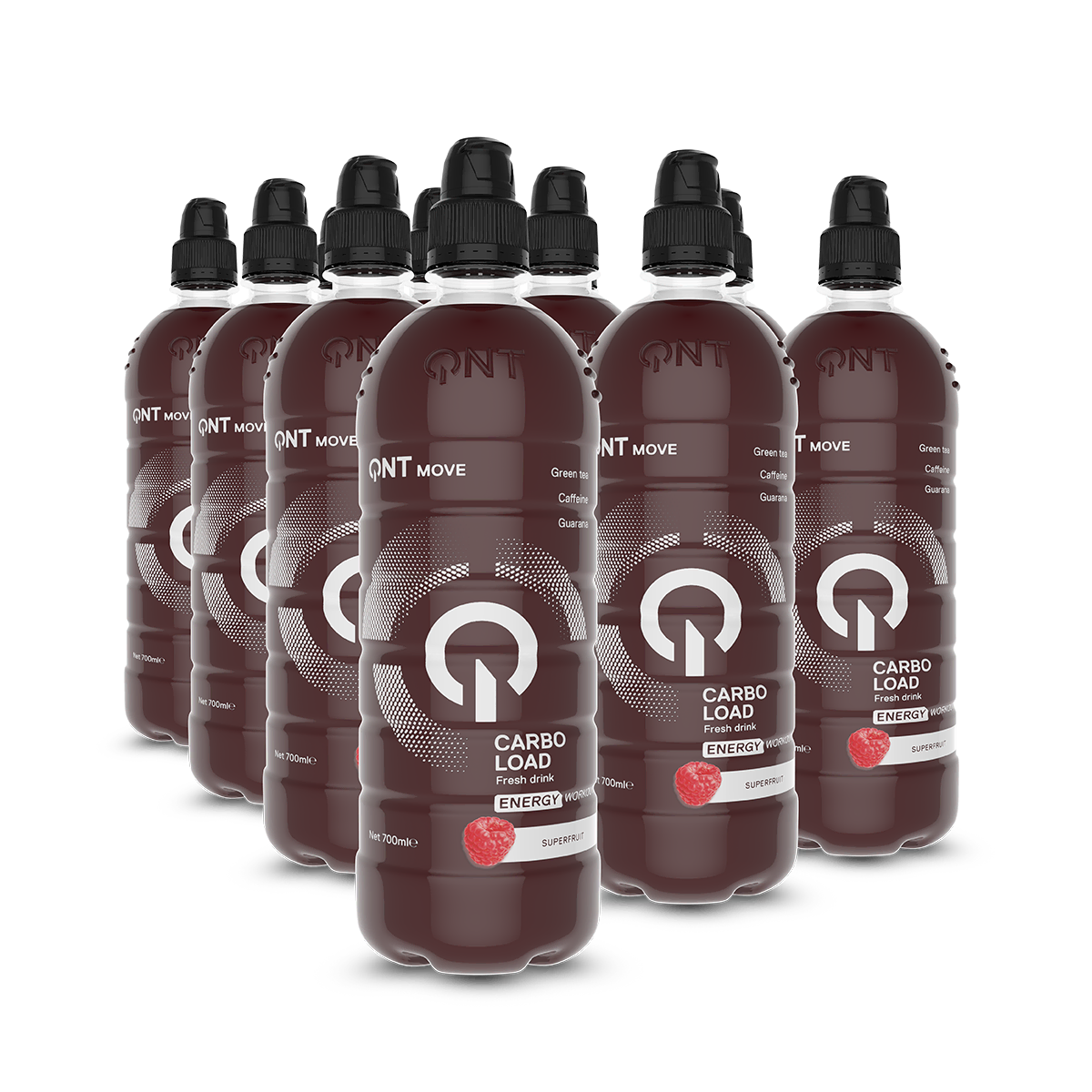
Carbo Load  Superfruit | 12 x 700 mlCARBO LOAD CITRON/CITRON VERT | 12 X 700 ML
Sale price30,00 €
Filters
Sort by
Price
to
Endurance

Endurance: Basic Principles

To build strong endurance, you need to establish solid foundations with the resources you have at the start. Not everyone begins with the same level of endurance. However, endurance is a quality that can be improved relatively easily.

If you want to improve your endurance, start by choosing the activity you enjoy: jogging, cycling, etc.

Set a minimum goal to start: for example, 10 minutes of jogging, or if your fitness level is low, 10 minutes of alternating walking and light jogging.

The principle is simple: with each session, gradually increase the duration. For example, the second session could be 20 minutes of jogging, the third session 30 minutes, the fourth 40 minutes, and so on.

It’s important to train at least once a week and maintain this discipline consistently.

Training.

Endurance in training is defined in two ways:

First, the ability to sustain an effort over a longer duration.

Second, the ability to perform at a higher intensity over the same distance.

The body must be able to eliminate the waste produced by exercise as quickly as it is generated.


Beyond basic training, once endurance starts to develop, progressing further requires a different type of training. You cannot indefinitely increase your training duration.

In this context, interval training can be used. The principle remains the same: increase the training pace for a set period, gradually increasing the frequency or duration of these intervals.

It is particularly useful to use a heart rate monitor. It can provide information on recovery speed after an interval and on the intensity of the effort relative to your endurance level.

Specific nutrition for endurance efforts: proteins, carbohydrates, and vitamins for endurance athletes.

Endurance is a long-duration effort. Depending on the length of the activity, it is important to replenish available energy to continue without hitting a wall.

In the long term, endurance is an aerobic effort, meaning that muscles use as much oxygen as the heart and lungs can supply. Aerobic exercise increases the body’s oxygen consumption, which accelerates breathing and heart rate. This type of exercise works the heart, lungs, and circulatory system, helping to keep them healthy and improving cardiorespiratory fitness.

Low-intensity efforts lasting more than 20 minutes primarily draw energy from fat, but if the pace increases, some quick sugars may be needed to sustain performance. At QNT, products like Energy Powder and Carbo Load provide an energy boost during long, intense efforts. Energel Quick Boost also supplies sugar and guarana.

Additionally, in endurance sports, carrying excess body weight is more taxing. It’s advantageous to avoid weight gain during the year to remain fit and perform well.

Calorie restriction can be useful, but an endurance diet must remain complete:

  • Proteins: Sufficient intake is crucial since long distances can reduce muscle mass. Muscles should remain strong, enduring, and functional.
  • Carbohydrates: Include slow-digesting carbs like rice, whole-grain bread, or pasta. Quick sugars after training help the body recover faster. Within 90 minutes post-workout, sugars are directed to replenish muscle glycogen rather than being stored as fat.
  • Meal Frequency: Eating 5–6 balanced meals per day is ideal for endurance athletes. Caloric needs depend on genetics, body type, and training intensity.

Competition Nutrition:

  • The day before an event, increase carbohydrates, reduce daily protein intake to 10%, increase carbs to 70%, and fats to 20%.
  • On race day, increase protein to 15%, reduce carbs to 60%, and increase fats to 25%. This ensures adequate nutrients are available to sustain performance.

Hydration is critical in endurance. Both throughout the year and during competition, regular hydration is essential. Long-duration efforts demand more water and over longer periods than shorter efforts.

Finally, extended activity depletes trace elements, minerals, and vitamins. Supplementing with vitamins and minerals is therefore essential to maintain proper body function and avoid fatigue or other health issues.

Mistakes to Avoid

It is generally better to train endurance before resistance.

Endurance develops cardiac volume. That’s why endurance athletes often have a slow heart rate: with a larger cardiac volume, the heart doesn’t need to beat as often to supply the body with oxygen through the blood. Resistance training, on the other hand, strengthens the heart and can thicken its walls, increasing its power, but this may limit the heart’s ability to expand in volume.

Set a plan and stick to it.

There’s no point in trying to develop endurance if you don’t follow a consistent approach. Missing a day isn’t a problem, but postponing for a week can lead to ongoing procrastination and limited results.

SUBHEADING

Frequently Asked Questions

Parel aims to easily offer comfort and confidence in people's daily routines by creating practical, functional apparel with an all-day usability.

All the FAQ

Qu’est-ce que l’endurance en sport ?

L’endurance est la capacité du corps à maintenir un effort prolongé dans le temps. Elle se définit par :

  • La faculté à produire un effort sur une durée longue.
  • La faculté à maintenir une intensité plus élevée sur une même distance.
    Elle repose sur le développement du système cardiorespiratoire et musculaire.

Comment améliorer son endurance ?

  • Commencer progressivement : jogging ou marche active de 10 minutes, puis augmenter la durée à chaque sortie.
  • Entraînement régulier : au moins une séance par semaine pour progresser.
  • Interval-training : alterner phases intenses et phases de récupération pour stimuler le cœur et les muscles.
  • Suivi avec cardio-fréquencemètre : mesurer la récupération et l’intensité de l’effort.

Quelle nutrition pour les efforts d’endurance ?

  • Protéines : pour préserver la masse musculaire et soutenir la récupération.
  • Hydrates de carbone lents : riz, pâtes complètes, pain complet pour l’énergie durable.
  • Sucres rapides : après l’entraînement pour reconstituer les réserves de glycogène.
  • Lipides : en quantité modérée pour l’énergie et l’équilibre hormonal.
  • Hydratation : boire régulièrement pendant l’année et durant les compétitions.
  • Suppléments utiles : Energy Powder, Carbo Load, Energel Quick Boost pour un regain d’énergie.

Que manger avant une compétition d’endurance ?

  • La veille : augmenter les glucides (70 %), réduire les protéines (10 %), graisses à 20 %.
  • Le jour J : protéines à 15 %, glucides à 60 %, graisses à 25 %.
    Ce plan permet d’avoir suffisamment de nutriments disponibles pour tenir la distance.

Quels compléments sont utiles pour l’endurance ?

Energy Powder & Carbo Load : apport d’énergie prolongée.

Energel Quick Boost : sucres rapides + guarana pour éviter le coup de fatigue.

Vitamines & minéraux : indispensables pour compenser les pertes liées aux efforts longs.