


Skip to content
Cart

Your cart is empty

Continue shopping

Whey Protein

The Whey Protein: The Holy Grail of Proteins for Athletes

Whey Protein is one of the most widely used proteins among athletes and is even considered indispensable among some enthusiasts. Protein extracted from cow's milk, it is highly sought after for its many beneficial properties. Quick to absorb and easy to digest Whey protein helps in the maintenance of muscle tone and muscular development.

6 products

Light Digest Whey Protéine | 500 gLight Digest Whey Protéine | 500 g
Sale price18,50 €
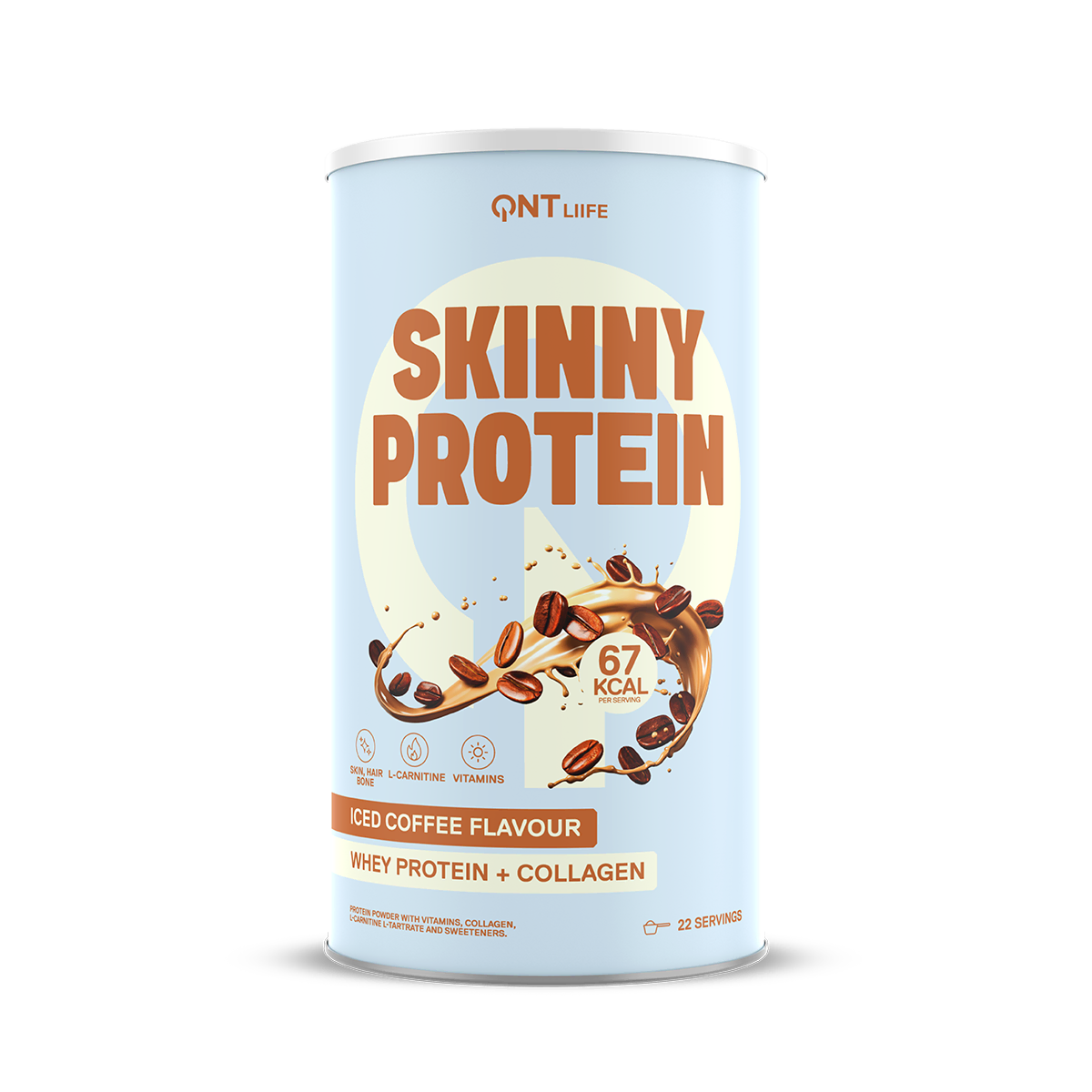
SKINNY PROTEIN | 440 GSKINNY PROTEIN | 440 G
Sale price22,00 €
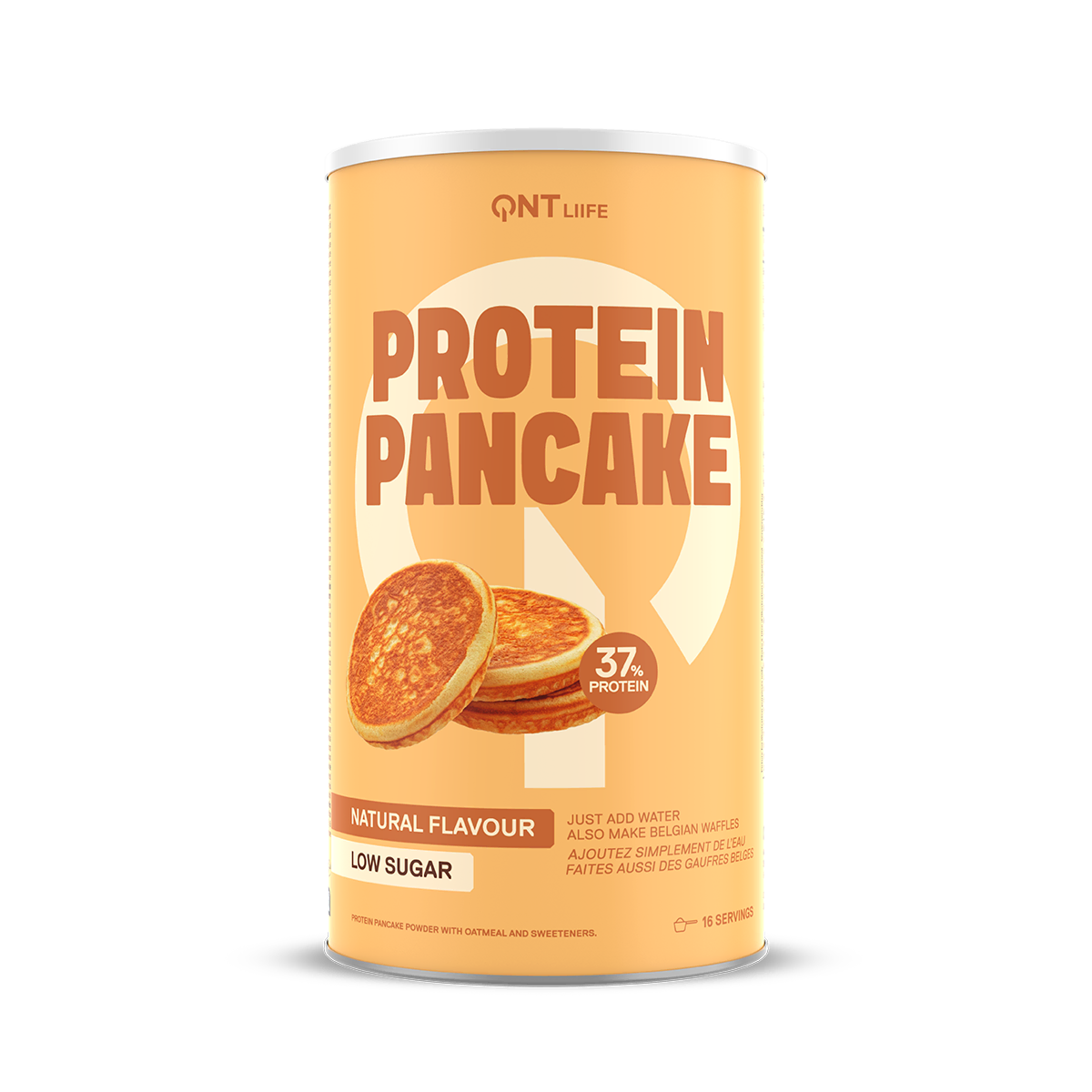
Low Sugar Protein Pancake | 500 gProtein Pancake faible en sucre | 500 g
Sale price19,80 €
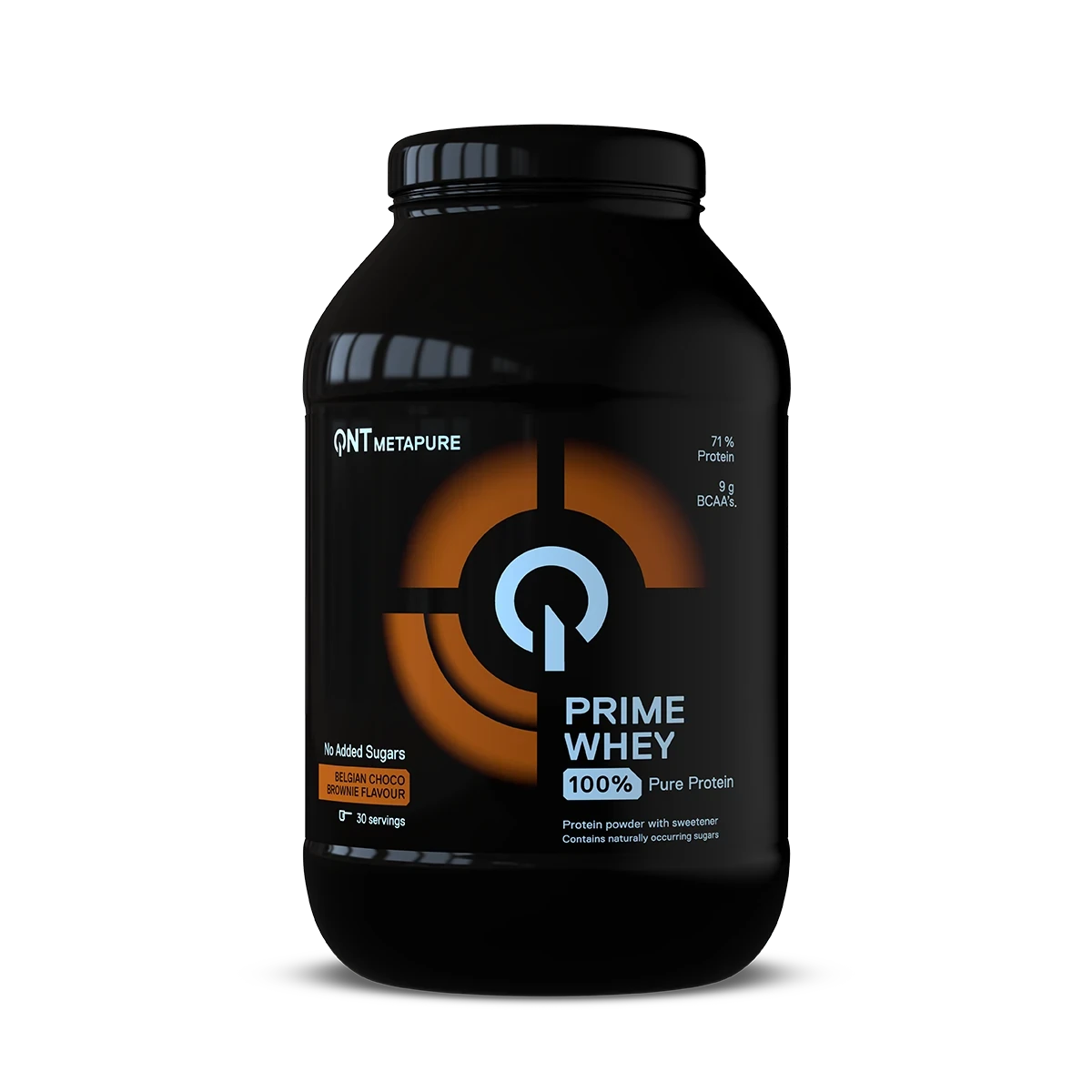
Prime Protéine Whey | 908g Brownie chocolat belgePrime Whey Protein | 908 g
Sale priceFrom 36,60 €
Delicious Protéines Whey Poudre | 2,2 kg Chocolat belgeDelicious Protéine Whey Poudre | 908 g Banane
Sale priceFrom 36,60 €
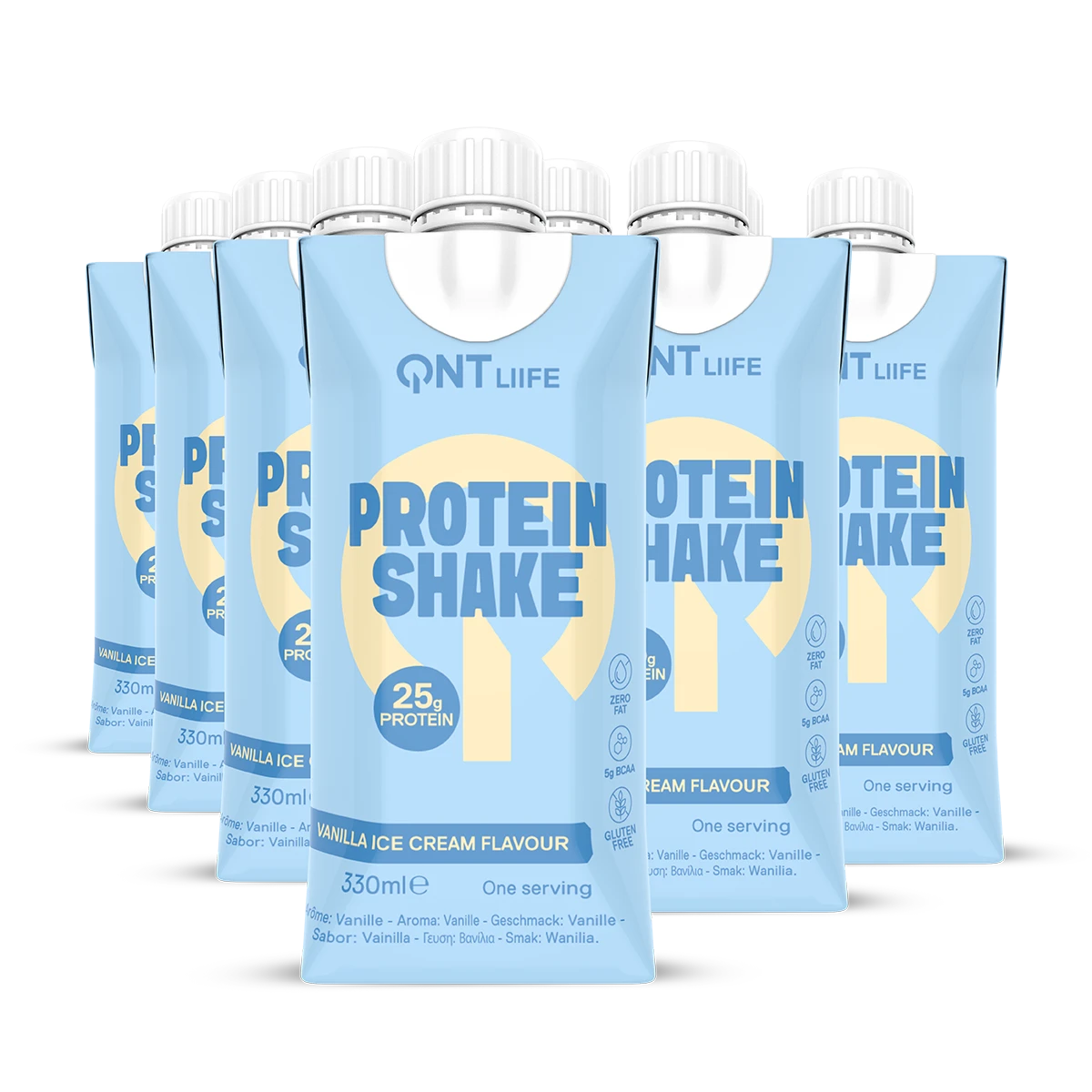
Protein Shake | 12 x 330 mlProtein Shake | 12 x 330 ml
Sale price34,80 €
Filters
Sort by
Price
to
Whey Protein

Whey Protein: The Queen of Protein Powders

Whey Protein, also known as whey or milk serum protein, is an essential supplement in the sports world, particularly for bodybuilding and strength training. Derived from animal sources, this protein is packed with essential amino acids, making it the preferred choice for athletes looking to optimize their performance and enhance recovery.

The Importance of Protein in Muscle Building

Protein plays a vital role in the world of bodybuilding, acting as a key element for muscle growth and development. After an intense workout, damaged muscle fibers need to be repaired in order to become stronger and more resilient. Whey protein, with its high concentration of essential amino acids, is crucial in this recovery process. It works directly on the muscles, supporting not only repair but also promoting optimal muscle growth.

Additionally, whey protein helps prevent muscle breakdown, an essential factor for bodybuilders and athletes aiming to increase or maintain lean muscle mass. This makes protein supplementation—especially whey—an important ally for improving performance, accelerating recovery, and achieving long-term strength goals.

Low in Fat, Rich in Nutrients

Whey protein, extracted from cow’s milk, is a natural by-product of the cheese-making process. The resulting liquid whey is then processed into a protein-rich powder that is naturally low in fat and sugar. This outstanding nutritional profile makes whey protein one of the most popular and trusted protein powders on the market.

It is especially appreciated for delivering high-quality protein without unnecessary fats, which is essential for anyone monitoring their calorie intake or aiming to maintain a clean, balanced diet. Thanks to its purity, whey protein is an excellent choice for athletes, fitness enthusiasts, and individuals looking to support weight management while fueling their body with essential nutrients.

The Nutritional Benefits of Whey Protein

Whey protein is not only rich in essential amino acids but is also highly digestible thanks to its fast absorption rate. Its high biological value makes it an ideal choice for athletes looking to enhance performance while supporting their overall health.

In addition, whey protein naturally contains immunoglobulins and lactoferrin, compounds that help strengthen the immune system—an often overlooked but crucial advantage for athletes undergoing intense and frequent training sessions. This combination of rapid assimilation, complete amino acid profile, and immune support makes whey protein one of the most effective supplements for recovery, strength, and long-term well-being.

When Should You Take Whey Protein?

Whey protein is commonly consumed using a shaker, making it a quick, convenient, and effective way to get this essential source of protein. It can be taken at any time of the day, but it is especially beneficial right after a workout, as this is when the muscles need protein the most to kick-start the repair and growth process.

Taking whey protein post-training maximizes recovery, supports muscle development, and helps replenish nutrients lost during exercise—making it an ideal supplement for athletes and fitness enthusiasts of all levels.

The Best Timing for Taking Whey Protein

To maximize the benefits of whey protein, it is recommended to consume it between meals and immediately after your workout. This timing helps stimulate the anabolic process, supporting the rebuilding of damaged muscle fibers.

Because of its rapid absorption rate, whey protein is particularly effective for post-workout recovery, delivering essential nutrients to your muscles quickly and efficiently. This ensures optimal repair, improved performance, and faster progress toward your fitness goals.

Taking Whey Protein in the Morning

Whey protein is also highly beneficial when consumed in the morning. After several hours of sleep, your body wakes up in a mild catabolic state, meaning it needs protein to stabilize energy levels and restart muscle protein synthesis. A morning whey shake provides a fast, high-quality protein boost that helps:

  • Studies show that protein intake in the morning can enhance concentration and mental performance by stabilizing blood sugar and supporting neurotransmitter production.
  • Whey protein has been shown to reduce mid-morning fatigue and cravings by increasing satiety and improving metabolic response.
  • An early dose of amino acids helps maintain a positive nitrogen balance throughout the day.

This makes whey protein an excellent breakfast addition for anyone looking to support energy, focus, weight management, and muscle growth.

Whey Protein in Your Daily Routine

Beyond its use around workouts, whey protein can also be consumed in the morning to prevent cravings or to replace a carbohydrate-heavy breakfast. A morning shake helps stabilize energy levels, increase satiety, and support better focus throughout the day — making it an excellent option for those aiming to control hunger and maintain steady nutrition.

Whey protein can also be easily integrated into various recipes throughout the day to ensure a consistent protein intake, which is essential for muscle recovery and growth. You can mix it into smoothies, blend it with yogurt, or even use it in healthy meals and high-protein snacks. This makes whey protein a convenient, delicious, and accessible source of high-quality protein for athletes, active individuals, and anyone who wants to support their fitness goals.

Whey Protein and Recovery

Recovery is an aspect often overlooked in the world of sports. Yet, it is during this period that muscles repair and become stronger. Whey Protein, with its fast absorption rate, is ideal for speeding up this process. It provides a quickly available source of protein for the muscles, which is essential for fast and effective recovery.

How Whey Protein Supports Recovery

Whey Protein is rich in leucine, an amino acid that plays a crucial role in protein synthesis. After a workout, consuming leucine can accelerate recovery and reduce muscle soreness, allowing you to come back stronger and faster for your next session. Additionally, Whey Protein helps lower cortisol levels, a stress-related hormone that can be elevated after intense exercise.

Whey Protein and Sports Performance

Whey Protein is not only beneficial for bodybuilding. It is also effective for enhancing performance in various sports, including endurance activities like cycling and running. Its ability to provide a fast source of high-quality protein is essential for supporting athletic performance at all levels.

Whey Protein for Endurance Athletes

Endurance athletes can also benefit from Whey Protein. It can help reduce muscle breakdown that occurs during long training sessions, allowing for better performance and faster recovery. By providing a high-quality protein source, Whey Protein helps endurance athletes maintain muscle mass, improve stamina, and speed up recovery after exercise.

Conclusion

Whey Protein is undoubtedly one of the best options for those looking to enhance their athletic performance and overall well-being. Its richness in essential amino acids, low fat and sugar content, and rapid absorption make it an indispensable choice for any serious athlete. So, what are you waiting for? Incorporate Whey Protein into your diet and start experiencing the benefits today. More information about proteins can be found in our dedicated article on proteins.

SUBHEADING

Frequently Asked Questions

Parel aims to easily offer comfort and confidence in people's daily routines by creating practical, functional apparel with an all-day usability.

All the FAQ

Qu’est-ce que la Whey Protein ?

La Whey Protein, ou protéine de lactosérum, est une protéine issue du lait de vache. Riche en acides aminés essentiels, elle est rapidement assimilée par l’organisme, ce qui en fait un complément idéal pour la musculation, la récupération et la performance sportive.

Pourquoi la Whey est-elle si populaire en musculation ?

  • Favorise la réparation et la croissance musculaire après l’entraînement.
  • Aide à prévenir la dégradation musculaire.
  • Soutient la prise de masse maigre et la performance.
  • Riche en leucine, un acide aminé clé pour la synthèse des protéines.

Quand faut-il consommer la Whey Protein ?

Après l’entraînement : pour une récupération rapide et efficace.

Entre les repas : pour maintenir un apport protéique constant.

Le matin : pour éviter les fringales ou remplacer un petit déjeuner riche en glucides.

Quels sont les avantages nutritionnels de la Whey ?

  • Faible en graisses et sucres, idéale pour surveiller son apport calorique.
  • Riche en BCAA (acides aminés essentiels).
  • Assimilation rapide, parfaite pour la récupération post-entraînement.
  • Contient des immunoglobulines et lactoferrines qui renforcent le système immunitaire.

La Whey est-elle réservée aux bodybuilders ?

Non. La Whey est bénéfique aussi pour les sportifs d’endurance (cyclisme, course à pied) car elle aide à :

  • Réduire la dégradation musculaire lors des longues séances.
  • Maintenir la masse musculaire.
  • Améliorer l’endurance et accélérer la récupération.