












Skip to content
Cart

Your cart is empty

Continue shopping

BCAA, Amino Acids, and Sports

Amino acids are classified based on their ability to be synthesized by the body or not. Non-essential amino acids are synthesized by the body, unlike essential amino acids. The latter can be obtained through supplementation. Their rapid assimilation helps provide energy to the body, supports muscle maintenance and growth, enhances immune system function, and promotes quicker recovery. Amino acids are the ideal supplements to help you achieve your goals.

10 products

BCAA 8500 | 350 g | Fruits
des boisBCAA 8500 Instant powder Citron| 350 g
Sale price29,90 €
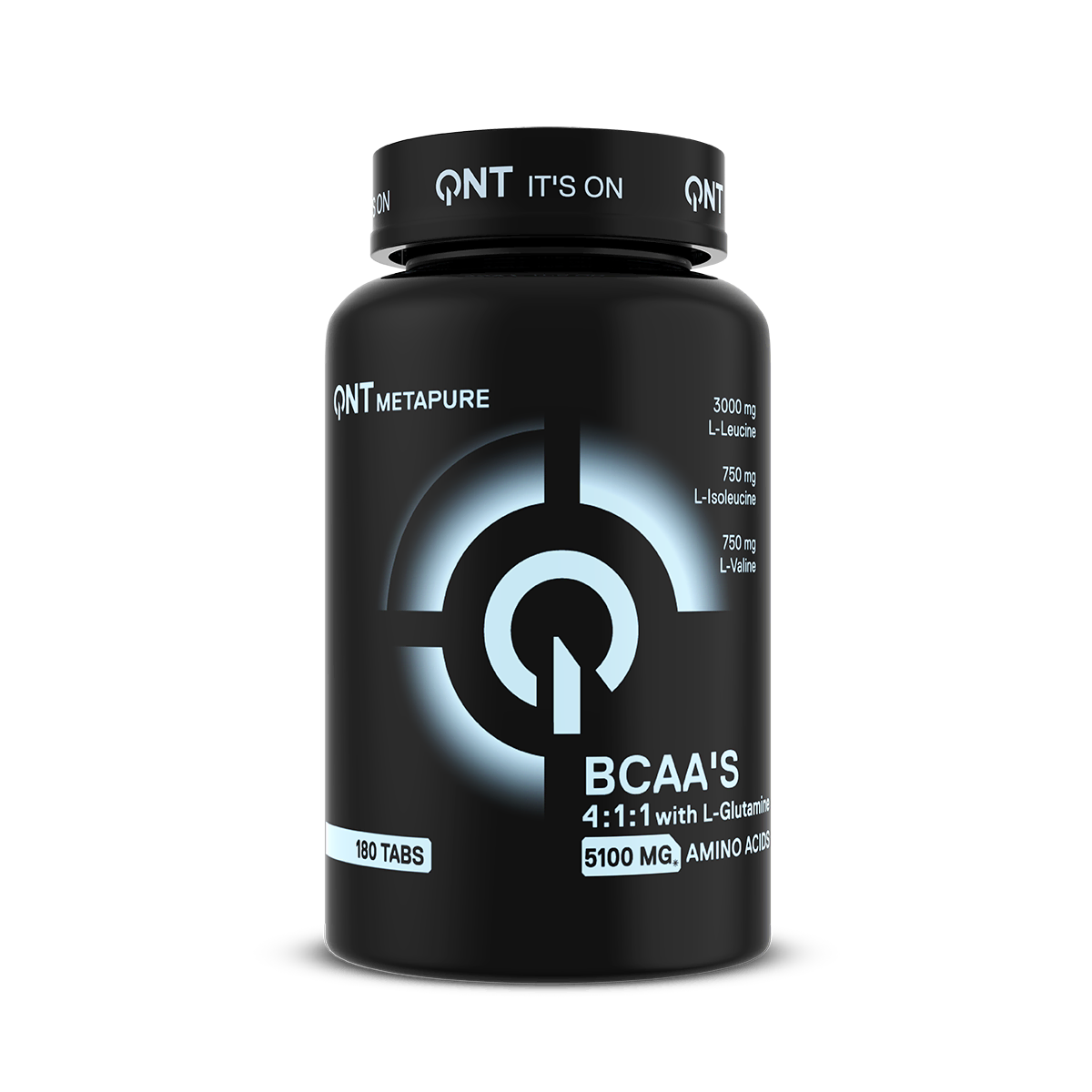
BCAA 4:1:1 + L-Glutamine  | 180 Tablettes
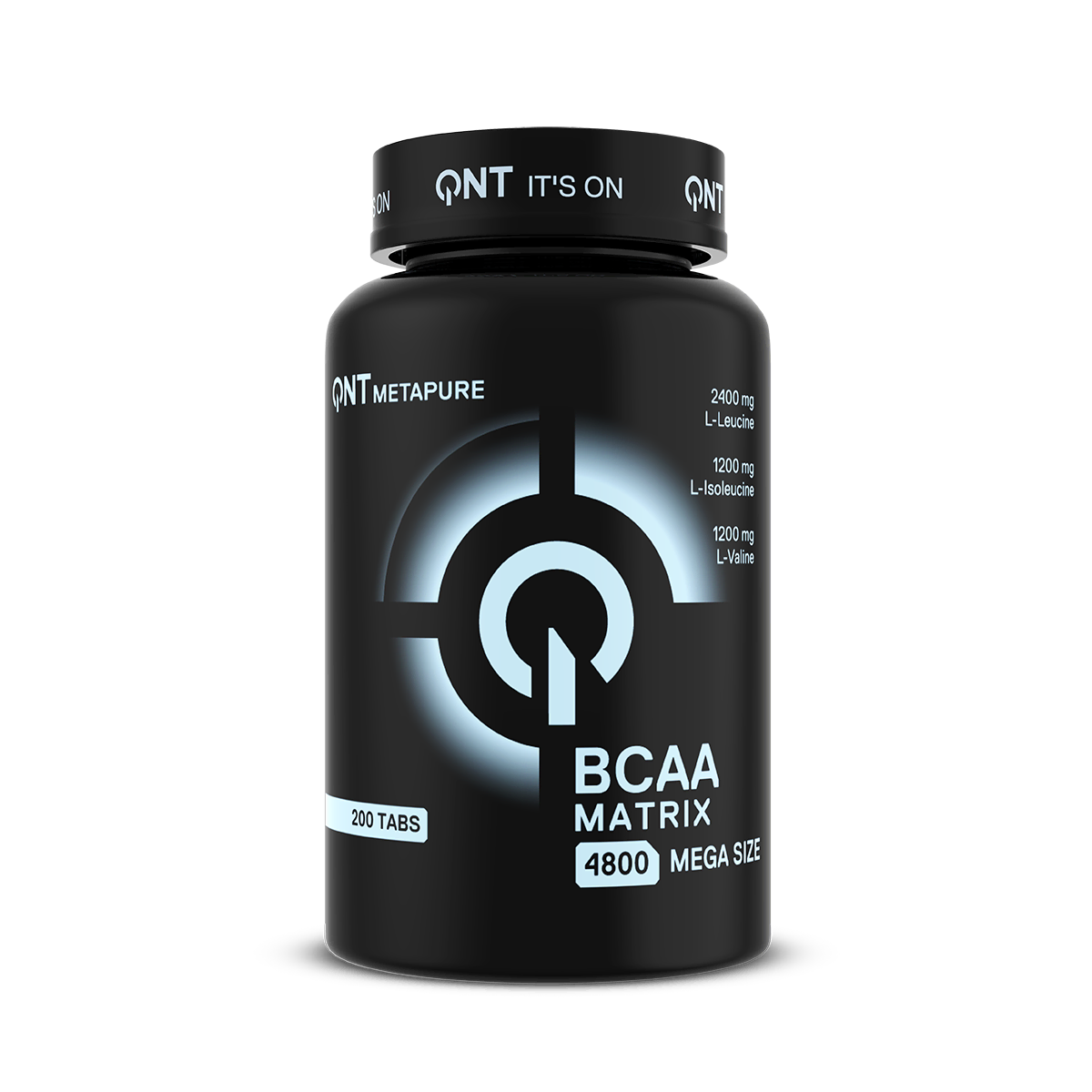
Matrix BCAA 4800 | 200 Tablettes
Sale price25,00 €
BCAA's 8000 mg | 12 x 700 ml CitronBCAA's 8000 mg | 12 x 700 ml pamplemousse Blanc
Sale price36,00 €
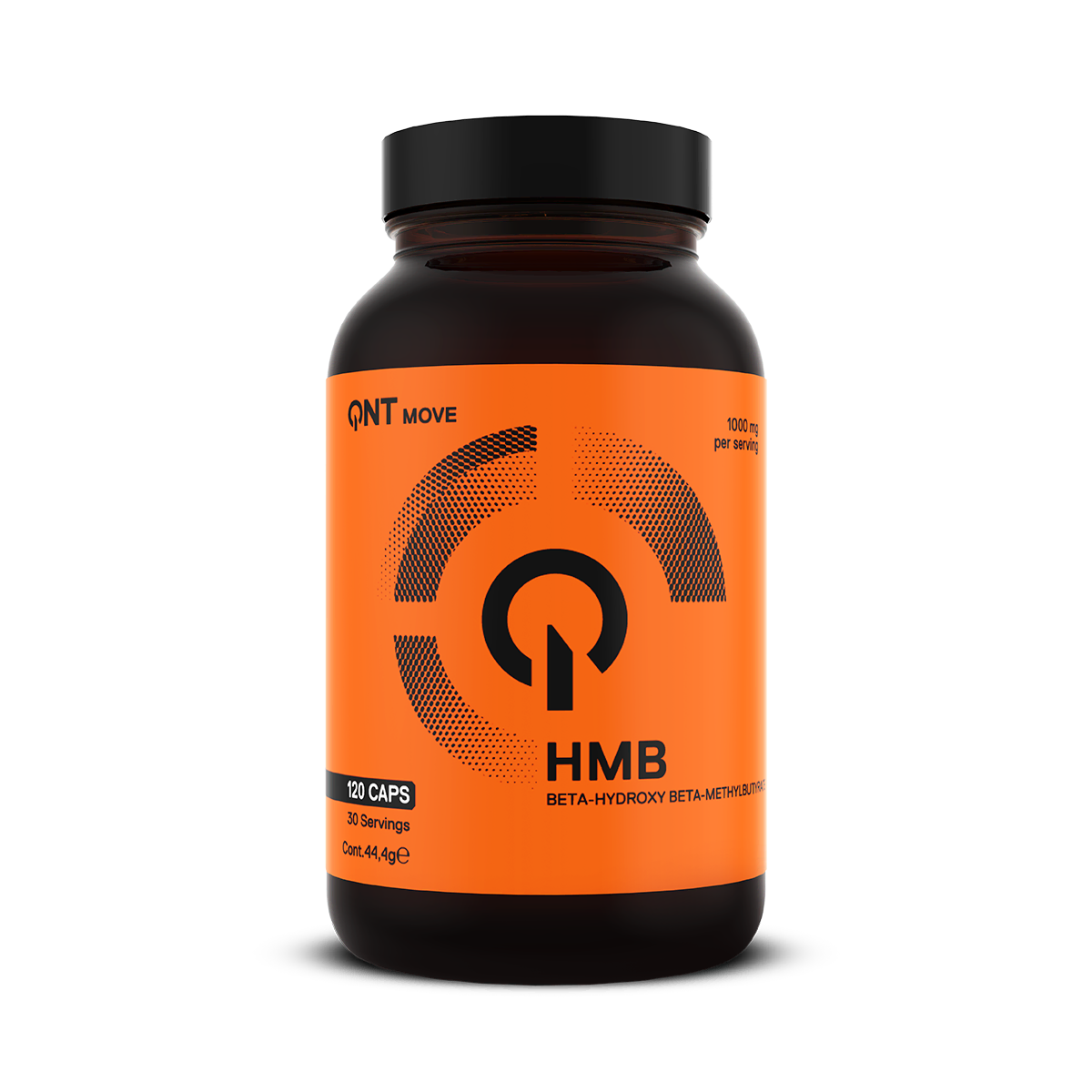
HMB 1000 mg | 120 Capsules
Sale price21,00 €
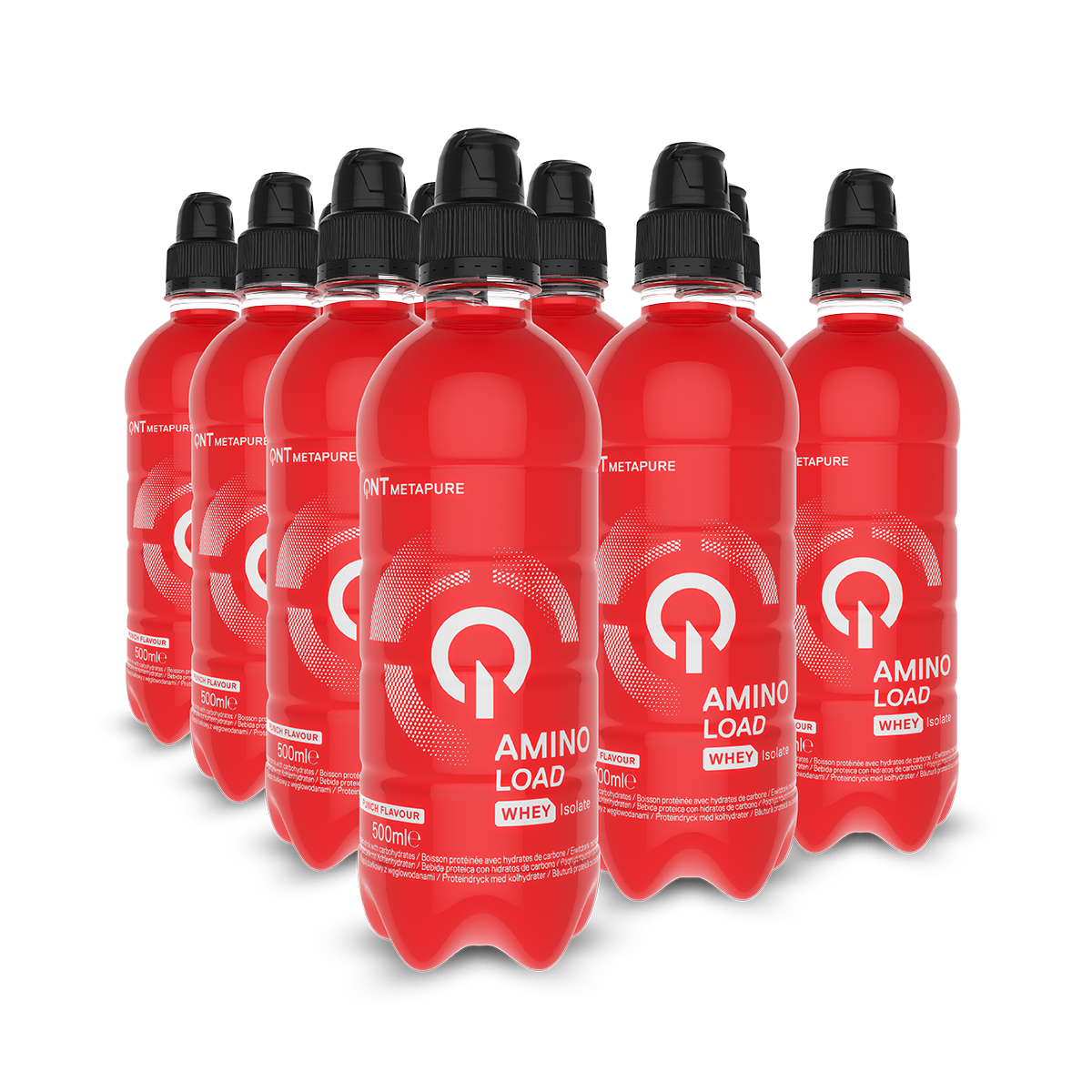
Amino Load | 12 x 500 ml
Sale price33,60 €
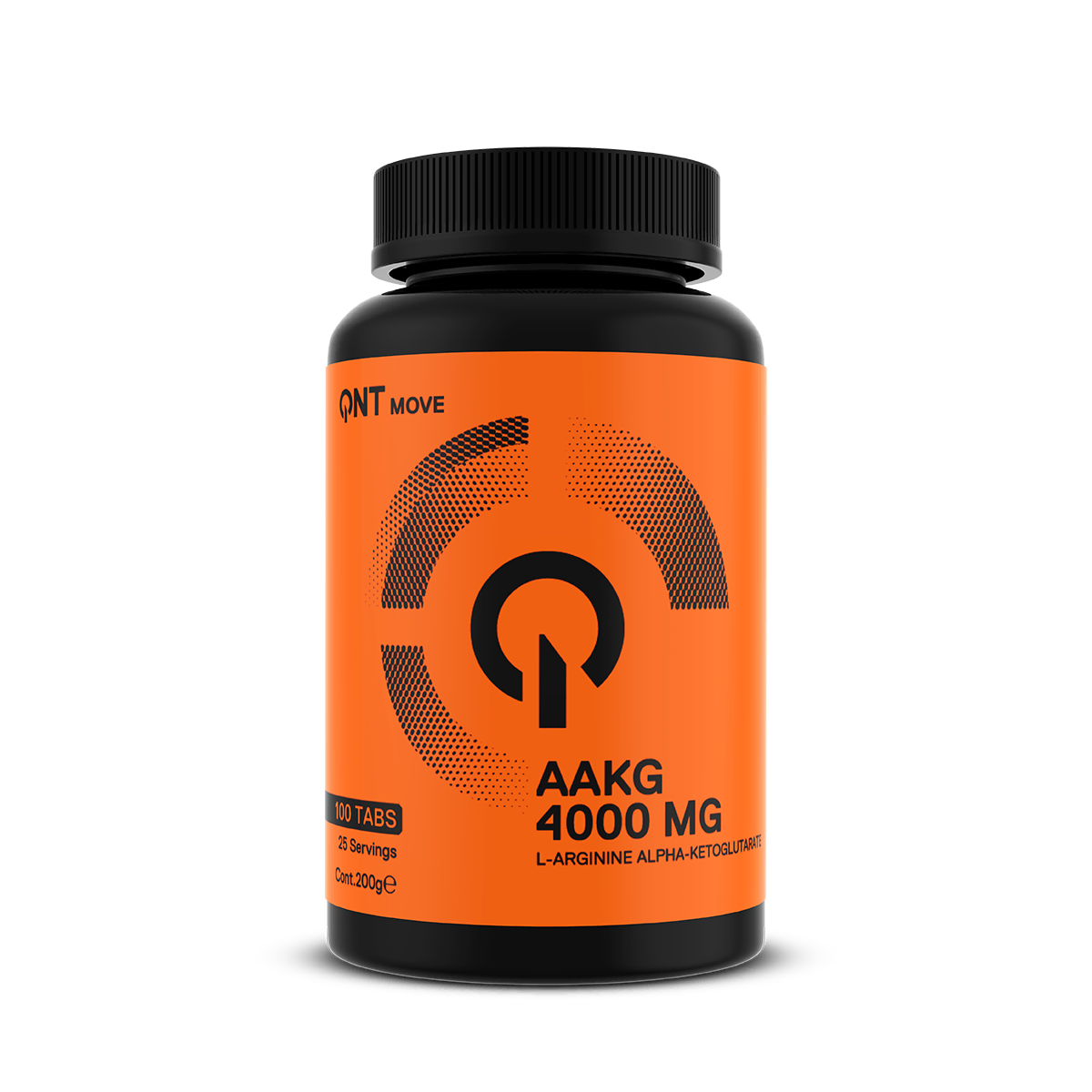
AAKG
Sale price21,00 €
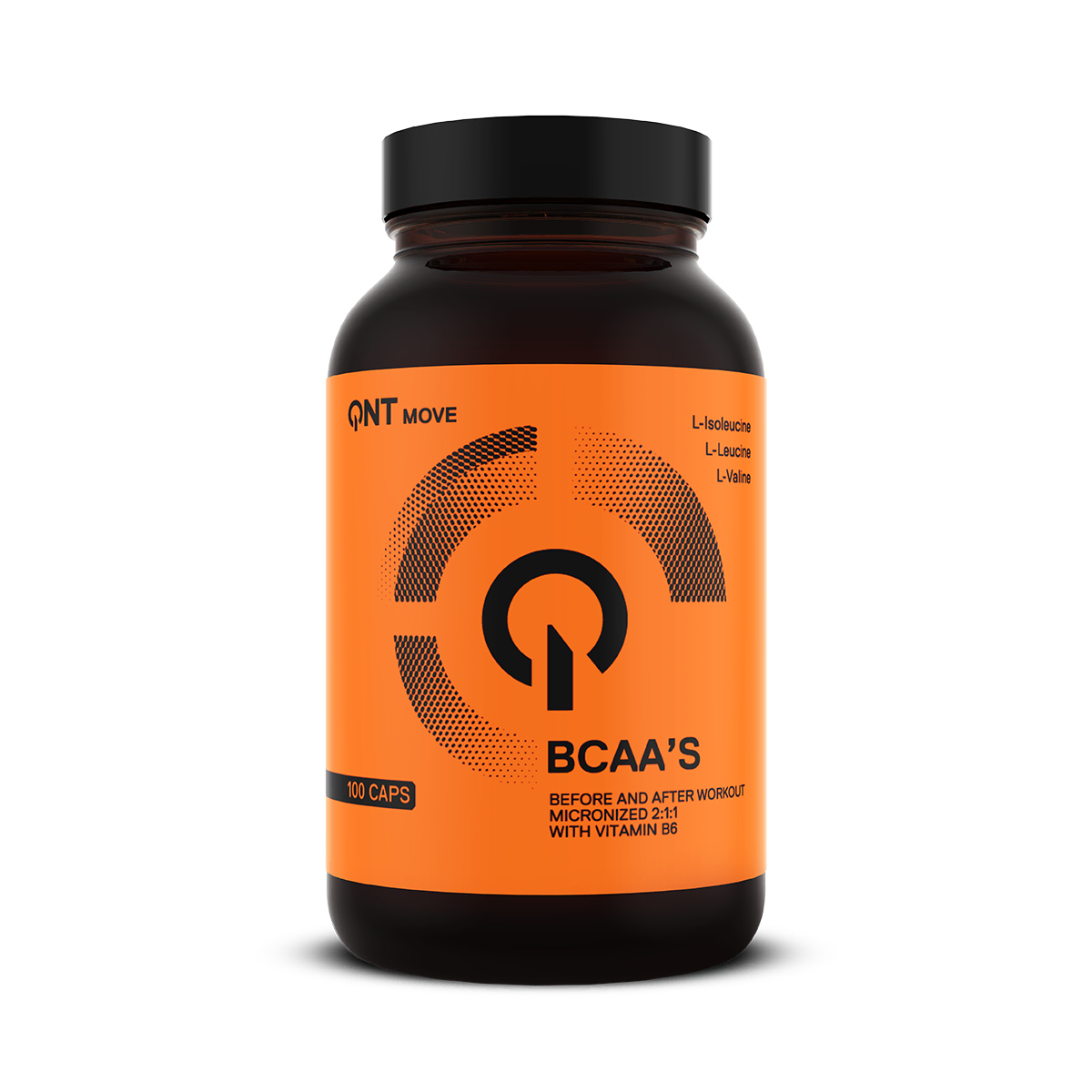
BCAA'S + vit. B-6  | 100 Capsules
Sale price21,30 €
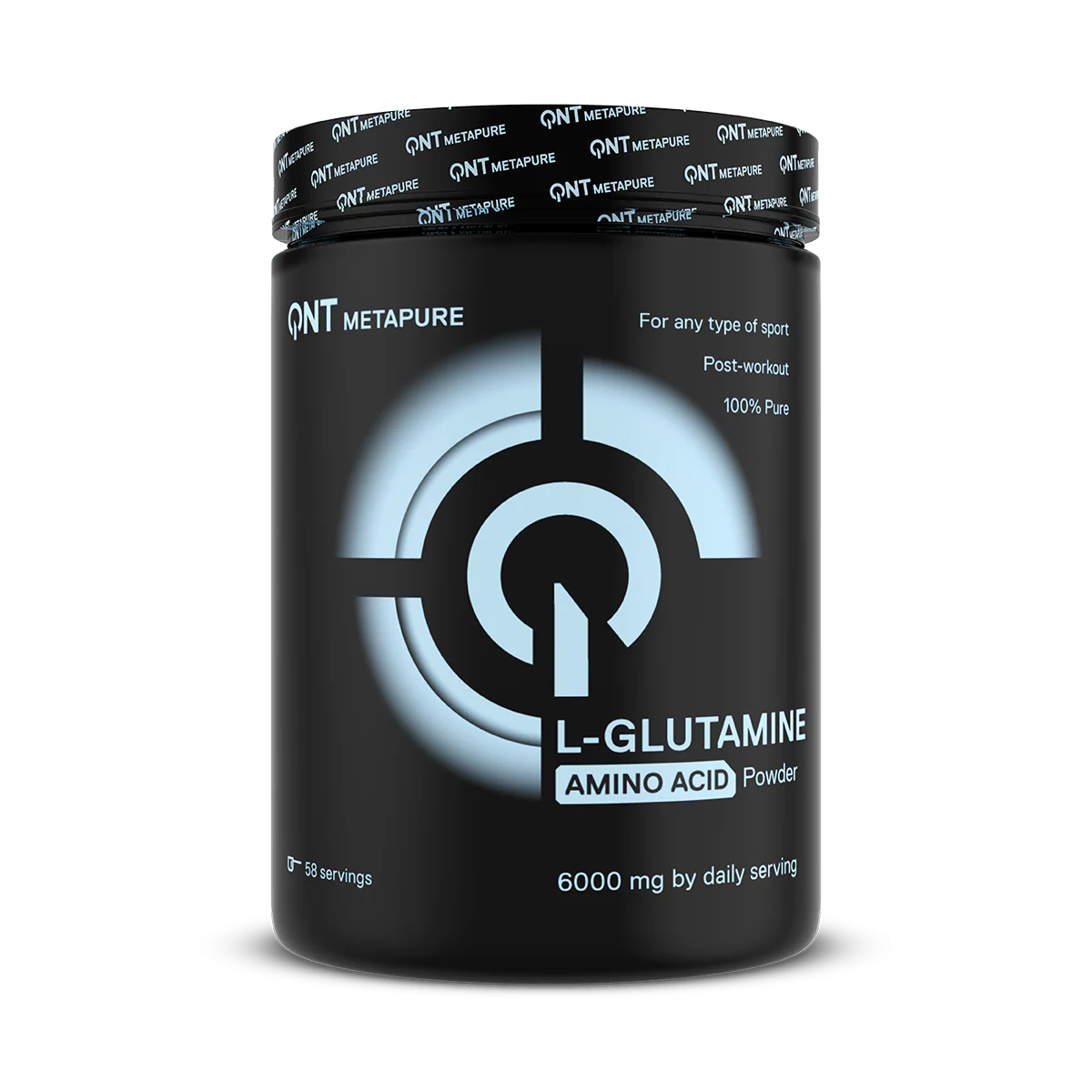
L-Glutamine 6000 mg | 350 g
Sale price22,00 €
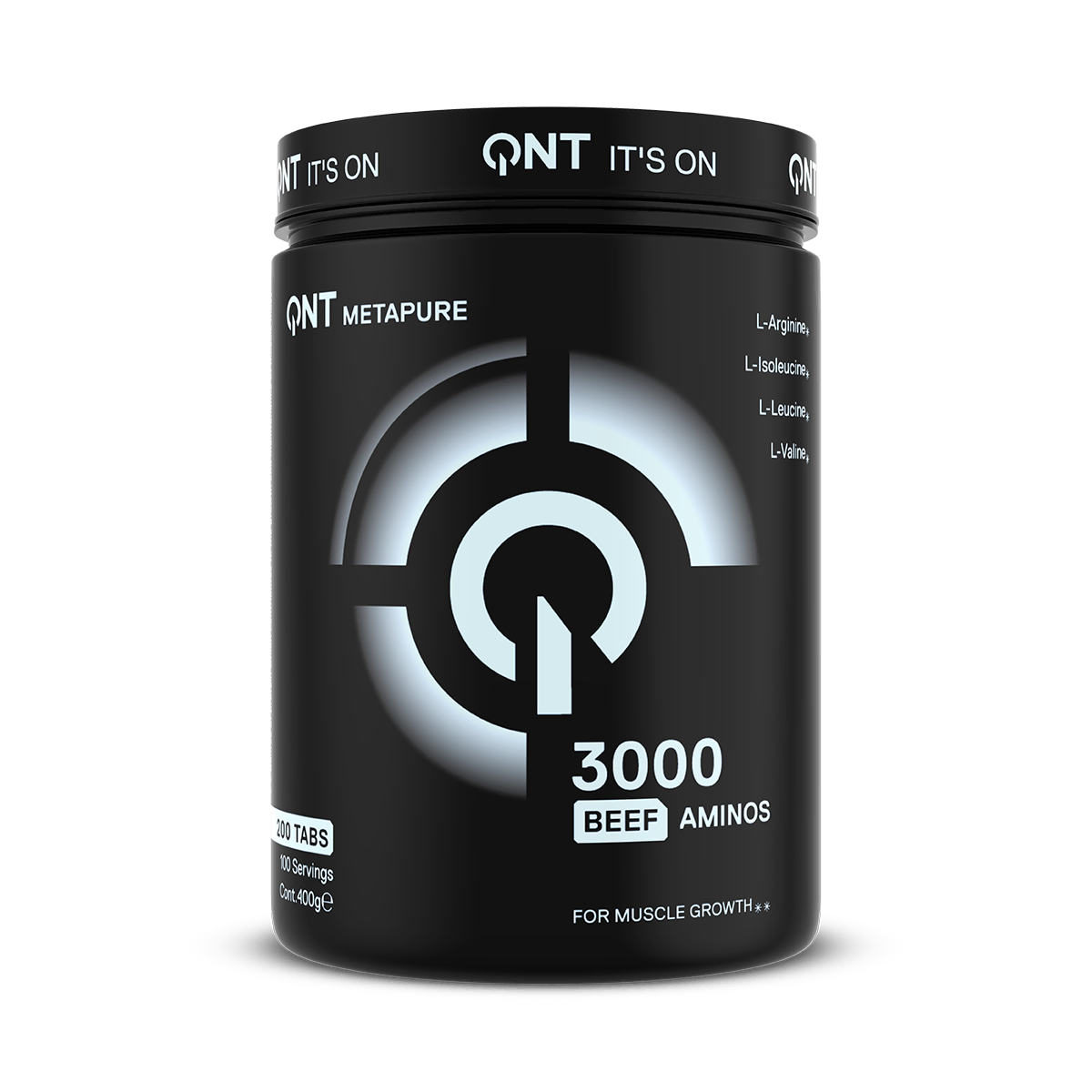
Amino Acid 3000 mg 100% BŒUF | 200 Tablettes
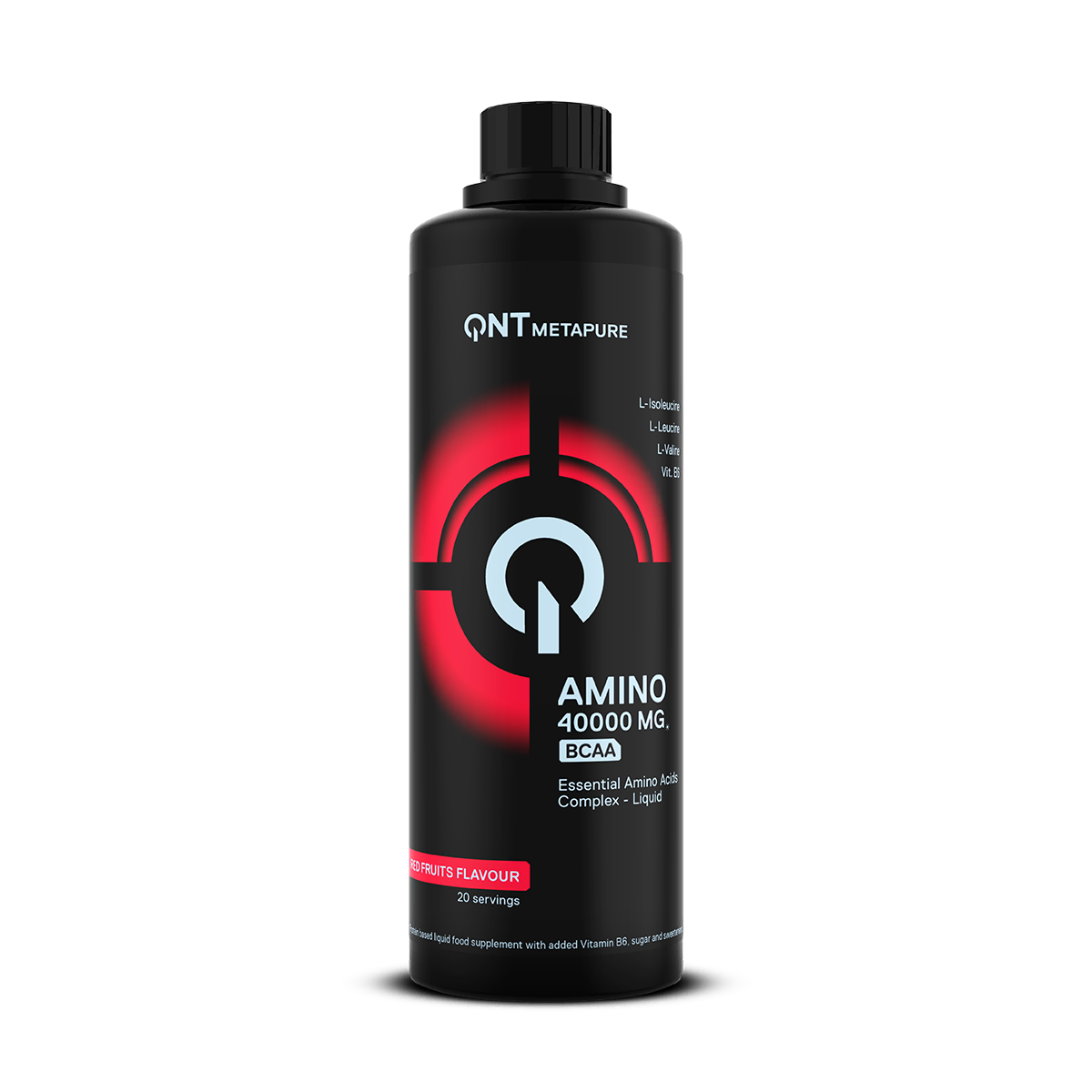
Amino Acid Liquid 40000 MG | 500 ml
Sale priceFrom 15,25 €
Filters
Sort by
Price
to
BCAA & AMINO ACIDS

What Are Amino Acids?

Amino acids are the building blocks of proteins, playing a fundamental role in almost all biological processes. They are involved in tissue construction and repair, the production of enzymes and hormones, and supporting the immune system. Furthermore, they are essential for energy production and the regulation of metabolic processes.

What is an amino acid?

An amino acid is an organic molecule composed of an amine group (-NH2), a carboxyl group (-COOH), and a unique side chain for each amino acid. Amino acids link together to form proteins through peptide bonds, creating polypeptide chains that fold into specific three-dimensional structures.

Importance of amino acids

Amino acids are crucial for many bodily functions:

  • Tissue construction and repair: Amino acids are necessary for muscle protein synthesis, promoting the growth and repair of muscle tissues.
  • Enzyme and hormone production: Enzymes, which catalyze chemical reactions in the body, and hormones, which regulate various physiological processes, are both composed of amino acids.
  • Immune system support: Certain amino acids, like glutamine, are essential for the proper functioning of immune cells.
  • Energy production: Amino acids can be used as an energy source by the body, especially during stress or intense exercise.
  • Metabolic regulation: Amino acids play a role in regulating the metabolism of proteins, carbohydrates, and fats.

In short, amino acids are indispensable for overall health and well-being. A balanced diet rich in high-quality proteins is essential to ensure adequate intake of essential amino acids. For athletes and individuals with increased needs, dietary supplements can be an effective option to optimize performance and recovery.

Role of amino acids in sports

Amino acids are essential nutrients for athletes and active individuals, playing a crucial role in sports performance and recovery. Their influence spans multiple aspects of training and competition, from muscle protein synthesis to energy management and fatigue reduction.

Muscle protein synthesis

Amino acids, particularly BCAA (branched-chain amino acids) such as leucine, isoleucine, and valine, are fundamental for muscle protein synthesis. Leucine, in particular, is known to stimulate protein synthesis and promote muscle hypertrophy. This activation is essential for building and repairing muscle tissue, especially after intense training sessions.

Tissue regeneration

Intensive training causes micro-tears in muscle fibers, requiring regeneration to strengthen muscles. Amino acids provide the necessary building blocks for this repair. Glutamine, for example, plays a key role in tissue regeneration and supports the immune system, which is crucial for athletes undergoing intense training.

Energy production

Amino acids can be metabolized to produce energy, particularly during physical stress or glycogen depletion. During prolonged workouts, the body can use BCAA as an alternative energy source, delaying muscle fatigue and enhancing endurance. Isoleucine, for example, helps regulate blood sugar levels and provides energy to muscles during exertion.

Fatigue reduction

Amino acids also help reduce both mental and physical fatigue. Tryptophan, a precursor to serotonin, can influence serotonin levels in the brain, regulating mood and the perception of fatigue. BCAA can also help decrease serotonin production during exercise, delaying central (mental) fatigue and improving focus and overall performance.

Improved concentration

Mental focus is crucial for athletes, especially in sports requiring precision or complex strategies. Amino acids, by participating in neurotransmitter synthesis, can enhance mood, alertness, and concentration. This is particularly beneficial in sports where mental clarity and rapid decision-making are essential.

Optimized recovery

Post-exercise recovery is a critical phase for athletes. Amino acids accelerate this process by reducing inflammation and facilitating the repair of damaged muscle tissue. Taking amino acid supplements after training can reduce muscle soreness and enable quicker resumption of workouts, maximizing performance gains and reducing injury risk.

Amino acids are powerful allies for athletes, offering benefits ranging from muscle protein synthesis to fatigue reduction and improved concentration. Integrating amino acids into the diet, whether through food or supplements, is essential for optimizing athletic performance and supporting rapid, effective recovery. For athletes aiming to maximize their potential, amino acids are a key component of their nutritional strategy.

When to Take Amino Acids?

The timing of amino acid intake is crucial to maximize their benefits on athletic performance, energy, prevention of catabolism, and muscle recovery. Here’s how amino acids can be effectively integrated before, during, and after training.

Before or During Training

Objectives: Provide energy, prevent catabolism, improve performance.

  1. Provide energy:Amino acids, especially BCAAs, can serve as an alternative energy source when glycogen stores are low. During prolonged exercise, muscles use BCAAs to maintain energy levels, delaying muscle fatigue. Taking BCAAs before or during training helps stabilize energy levels and enhance endurance, especially during long and intense sessions.
  2. Prevent catabolism:Catabolism is the process of breaking down muscle tissue to provide energy, particularly when glycogen stores are depleted. This can limit muscle gains and prolong recovery.BCAAs, especially leucine, play a key role in preventing catabolism by promoting protein synthesis and reducing muscle breakdown. This helps preserve muscle mass during training.
  3. Improve performance:By maintaining high energy levels and preventing muscle degradation, amino acids allow athletes to perform at their best throughout their session. They also support concentration and mental alertness, which is crucial for sports requiring precision and coordination.

After Training

Objectives: Aid muscle repair, promote muscle growth.

  1. Aid muscle repair:After intense training, muscles undergo micro-tears that need repair to become stronger and bigger. Amino acids provide the building blocks necessary for this repair.Glutamine, for example, is essential for tissue regeneration and supports the immune system after intense exercise.
  2. Promote muscle growth:Taking amino acids post-workout stimulates muscle protein synthesis, a vital process for muscle hypertrophy (muscle growth).Leucine is particularly effective at activating signaling pathways (like mTOR) that regulate protein synthesis. This accelerates muscle growth and optimizes gains from training.
  3. Reduce muscle soreness and inflammation:Amino acids, such as BCAAs, can reduce delayed onset muscle soreness by decreasing inflammation and speeding tissue repair. This allows athletes to resume training more quickly with less discomfort.

Integrating amino acids into your routine before, during, and after training can significantly enhance performance and recovery. Before and during exercise, they provide energy, prevent muscle breakdown, and improve overall performance. After training, they support tissue repair, muscle growth, and reduce inflammation and soreness. By optimizing the timing of amino acid intake, you can maximize your gains and reach your athletic goals more effectively.

Our Different Amino Acids

Amino acids play a crucial role in sports performance and recovery. We offer a comprehensive range of amino acids, each with specific benefits to optimize your results. Here’s a detailed overview of our main amino acids:

  1. BCAA (Branched Chain Amino Acids)BCAAs, or branched-chain amino acids, consist of three essential amino acids: leucine, isoleucine, and valine. These amino acids make up approximately 30% of the total amino acids present in muscles and are particularly important for athletes due to their numerous benefits.

  • L-leucine: This amino acid is crucial for muscle building and tissue repair. Leucine activates the mTOR pathway, stimulating muscle protein synthesis and promoting muscle hypertrophy.
  • L-isoleucine: Provides energy to muscles, helping to maintain and develop muscle mass. Isoleucine also helps regulate blood sugar levels, which can improve endurance and reduce fatigue.
  • L-valine: Contributes to protein synthesis and muscle recovery. Valine helps prevent muscle breakdown during exercise, which is essential for preserving muscle mass.

BCAAs are particularly useful before, during, and after training to enhance performance, reduce fatigue, and support recovery.

  1. L-GlutamineL-glutamine is a non-essential amino acid but is abundant in the body. It plays a key role in recovery after training by supporting tissue regeneration and preventing muscle catabolism.


  • Rapid recovery: L-glutamine promotes quick recovery after intense training by aiding the repair of damaged muscle tissue.
  • Catabolism prevention: During physical stress, such as during and after exercise, glutamine levels can drop, leading to muscle breakdown. Supplementing with L-glutamine helps maintain adequate levels and prevents catabolism.
  • Glycogen formation: L-glutamine helps form and store glycogen, which is crucial for providing energy during exercise and replenishing energy stores afterward.

Usage: L-glutamine is ideal post-workout to maximize recovery and prevent energy loss, but it can also be taken during training to avoid muscle breakdown.

  1. L-ArginineL-arginine is a non-essential amino acid that plays an important role in producing nitric oxide, a molecule that enhances blood flow and supports muscle anabolism.
  • Growth hormone production: L-arginine stimulates growth hormone production, promoting an anabolic effect beneficial for muscle growth.
  • Improved blood flow: By increasing nitric oxide production, L-arginine enhances blood circulation, improving the delivery of nutrients and oxygen to muscles. This boosts endurance and performance.
  • Creatine synthesis: L-arginine is also a precursor to creatine, which provides quick energy to muscles during high-intensity training.

Usage: L-arginine is ideal for intense strength training, as it improves recovery, increases muscle mass, and supports optimal training performance.

Amino acids are essential nutrients for athletes, offering specific advantages for performance, recovery, and muscle growth. Whether your goal is to increase energy, prevent muscle breakdown, or enhance recovery, our range of amino acids can help you achieve your sports objectives. Integrate them into your training routine to maximize performance and optimize results.

Comment consommer les Oméga-3 ?

Posologie : 2 gélules par jour.

Moment : pendant les repas (par exemple une le matin et une le soir).

Durée d’un flacon : 30 jours (60 capsules).
Il est conseillé de consulter un professionnel de santé pour adapter la dose selon les besoins individuels.

SUBHEADING

Frequently Asked Questions

Parel aims to easily offer comfort and confidence in people's daily routines by creating practical, functional apparel with an all-day usability.

All the FAQ

Qu’est-ce que les Oméga-3 ?

Les Oméga-3 sont des acides gras essentiels que le corps ne peut pas produire seul. Ils doivent être apportés par l’alimentation ou la supplémentation. Les Oméga-3 QNT apportent EPA et DHA, deux acides gras clés qui soutiennent la santé cardiovasculaire, cérébrale et visuelle.

Quels sont les bienfaits des Oméga-3 QNT ?

EPA et DHA contribuent à une fonction cardiaque normale (à partir de 250 mg/jour).

DHA contribue au fonctionnement normal du cerveau.

DHA contribue également au maintien d’une vision normale.

Les Oméga-3 participent aussi au maintien d’une concentration normale de triglycérides.

Quelles sont les meilleures sources alimentaires d’Oméga-3 ?

Poissons gras : saumon, maquereau, sardines, anchois.

Fruits de mer : krill, huîtres.

Huiles de poisson et d’algue : sources concentrées d’EPA et DHA (l’huile d’algue est adaptée aux végétariens/végans).

Graines : lin, chia, chanvre (riches en ALA, précurseur des EPA/DHA).

Noix : notamment les noix de Grenoble.

Légumes verts : épinards, chou kale.

Aliments enrichis : lait, œufs, yaourts enrichis en oméga-3.

À qui s’adressent les Oméga-3 ?

Ils conviennent à :

  • Personnes actives souhaitant soutenir leur santé cardiovasculaire et cognitive.
  • Sportifs cherchant à optimiser leur récupération et leur énergie.
  • Étudiants et travailleurs pour soutenir concentration et vision.
  • Toute personne souhaitant intégrer un apport régulier en acides gras essentiels dans une alimentation équilibrée.