




Spring Shredding Guide: How to Maximize Fat Loss for Your Best Summer Body
Table of Contents
Winter is over. The layers are coming off. And if you're reading this, you already know the clock is ticking — summer is around the corner, and it's time to get serious about stripping away body fat while holding onto every ounce of hard-earned muscle.
This is your complete spring shredding guide. No gimmicks, no crash diets, no magic shortcuts. Just a science-backed strategy covering training, nutrition, supplementation, and recovery — everything you need to walk into summer looking and feeling your absolute best.
Whether you've been training through winter or you're just getting back on track, this guide gives you a clear, actionable roadmap to maximize fat loss over the next 8 to 12 weeks.
What Does "Shredding" Actually Mean?
Shredding — also called cutting — is the process of reducing body fat while preserving lean muscle mass. It's what separates simply losing weight from actually transforming your physique. Anyone can drop numbers on the scale by eating less. The goal of a proper shred is more specific: lose fat, keep muscle, and reveal the definition underneath.
A successful spring shred typically involves three pillars working together: a controlled caloric deficit, strategic training that prioritizes muscle retention, and targeted supplementation to support energy, recovery, and fat metabolism.
The key distinction? Shredding is temporary and intentional. It's a focused phase — usually 8 to 12 weeks — not a permanent lifestyle. You push hard, achieve your target physique, and then transition back to maintenance. This mindset prevents the burnout and metabolic adaptation that crash diets cause.
Step 1: Set Up Your Nutrition for Fat Loss
Nutrition is responsible for the majority of your shredding results. You can't out-train a bad diet, and no supplement will compensate for consistently overeating. Getting your nutrition right is the foundation everything else builds upon.
Calculate Your Caloric Deficit
To lose body fat, you need to consume fewer calories than your body burns. The sweet spot for sustainable fat loss is a deficit of 300 to 500 calories per day. This translates to roughly 0.3 to 0.5 kg of fat loss per week — fast enough to see visible progress, slow enough to preserve muscle and avoid metabolic slowdown. Evidence-based recommendations for contest preparation suggest a caloric deficit of 15–25% below maintenance to optimize fat loss while preserving lean mass (Helms et al., 2014).
Start by calculating your Total Daily Energy Expenditure (TDEE) using an online calculator or a simple formula. Then subtract 300–500 calories. Track your intake for at least the first two weeks to build awareness of portion sizes and macros.
Prioritize Protein Above Everything Else
Protein is the single most important macronutrient during a shred. It preserves muscle mass in a caloric deficit, increases satiety so you feel fuller for longer, and has the highest thermic effect of food — meaning your body burns more calories simply digesting protein.
Target: 1.8 to 2.4 g of protein per kilogram of body weight daily. For an 80 kg person, that's 144 to 192 g of protein per day. The International Society of Sports Nutrition recommends 1.4–2.0 g/kg/day for physically active individuals, with higher intakes beneficial during caloric restriction (Jäger et al., 2017).
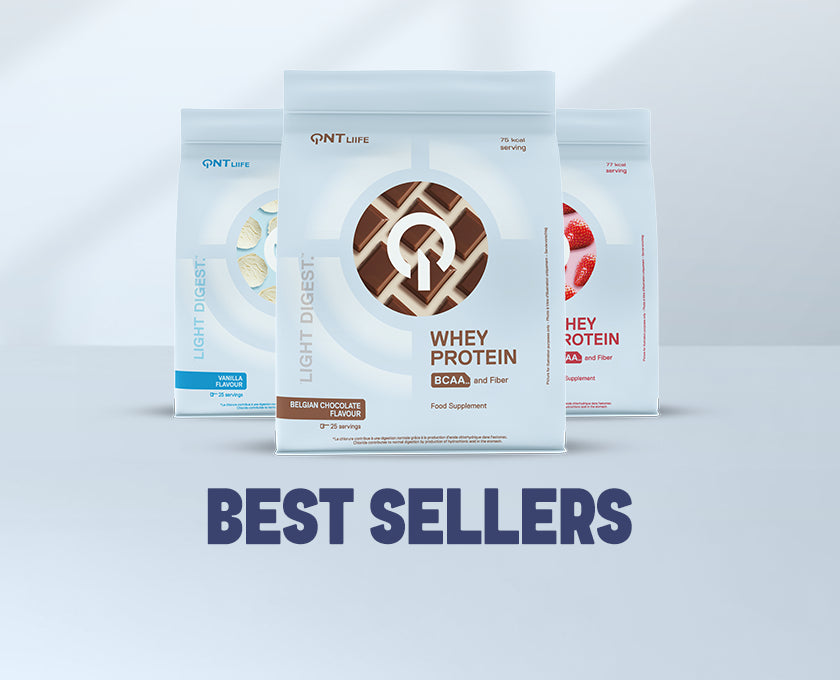
Lean meats, fish, eggs, and dairy are your primary sources. When whole food isn't practical — especially around workouts or during busy mornings — a high-quality protein supplement makes hitting your target much easier. The QNT protein range offers whey, isolate, and plant-based options designed for athletes in a cutting phase.
Structure Your Carbohydrates and Fats
Once protein is set, divide the remaining calories between carbohydrates and fats based on your training demands and personal preference.
Carbohydrates are your body's primary energy source. They break down into glucose, which fuels your muscles during training and your brain throughout the day. During a shred, you don't eliminate them — you reduce them strategically and time them around workouts so the energy goes where it's needed most.
Fats (lipids) are essential for hormone production (especially testosterone), joint health, vitamin absorption (A, D, E, K), and cell function. Cutting fats too low tanks your hormones and recovery. Prioritize healthy sources.
A practical approach for shredding:
- Carbohydrates: 2 to 4 g per kg of body weight. Concentrate them around your workouts for energy and recovery. Reduce slightly on rest days.
- Fats: 0.8 to 1.2 g per kg of body weight. Don’t go too low — fats are the engine behind your hormonal production and metabolic rate.
Focus on complex carbohydrates (oats, rice, sweet potato, fruits) and healthy fats (olive oil, avocado, nuts, fatty fish). Minimize processed foods, added sugars, and alcohol — they add empty calories and impair recovery.
Recommended products to structure your meals:
- Protein Noodles QNT Liife combine carbs and 32g of protein in a hot meal ready in 5 minutes — ideal for post-workout timing.
- Omega 3 QNT provide quality fats to support hormonal production during your cut.
- Daily Vitamins cover the micronutrient gaps that can appear when you reduce your carbs and fats.
Meal Timing and Frequency
There is no single "best" meal timing for fat loss. What matters is consistency and adherence. That said, some strategies can help during a shred:
- Eat protein at every meal to maximize muscle protein synthesis throughout the day.
- Fuel around your workouts. Have a carb-and-protein meal 1–2 hours before training and a protein-rich meal within 2 hours after.
- If you practice intermittent fasting, it can work well during a shred — but only if you still hit your daily protein and calorie targets within your eating window.
Step 2: Train Smart — The Spring Shred Workout Strategy
Training during a cut should prioritize one thing above all: keeping the muscle you built. This is not the time to drop intensity or switch to "light weight, high reps." Your muscles need a reason to stay.
Resistance Training: The Non-Negotiable
Lift heavy. Seriously. The biggest mistake people make during a shred is reducing weight on the bar in favor of more reps. Research consistently shows that maintaining training intensity — meaning lifting close to the same loads you used during a bulk — is the strongest signal for muscle retention during a caloric deficit.
Recommended approach:
- Train 4 to 5 days per week with a structured split (upper/lower, push/pull/legs, or full-body)
- Prioritize compound movements: squats, deadlifts, bench press, rows, overhead press, pull-ups
- Keep sets in the 3 to 4 set range per exercise, 6 to 12 reps for most movements
- Maintain or increase weight where possible — reduce volume (total sets) before reducing load if recovery suffers
Cardio: The Accelerator, Not the Foundation
Cardio supports fat loss by increasing your daily calorie burn, but it should supplement your resistance training — never replace it. Too much cardio can compromise recovery, increase hunger, and lead to muscle loss.
A balanced cardio approach for shredding:
- 2 to 3 sessions of moderate-intensity cardio per week (30–45 minutes): brisk walking, cycling, swimming, or incline treadmill walking
- 1 to 2 sessions of high-intensity interval training (HIIT) per week (15–25 minutes): sprints, bike intervals, circuit training
- Daily step target: 8,000 to 12,000 steps. This is your secret weapon — low-intensity movement throughout the day (NEAT) burns significant calories without taxing recovery.
If you're doing fasted cardio in the morning, taking L-Carnitine beforehand can help optimize fat oxidation during the session.
Progressive Overload Still Applies
Even in a deficit, push yourself to maintain or slowly progress your lifts. Track your training. If you notice significant strength loss, it's a signal that your deficit is too aggressive or your recovery is insufficient. Adjust calories, sleep, or training volume accordingly.
Step 3: The Shredding Supplement Stack
Supplements are exactly what the name suggests — they supplement your diet and training. They won't replace hard work, but the right stack can meaningfully accelerate your results when everything else is dialed in.
L-Carnitine: Your Fat Loss Accelerator
If there's one supplement built for a shredding phase, it's L-Carnitine. Here's why: L-Carnitine's primary function is transporting long-chain fatty acids into your cells' mitochondria, where they're burned for energy. During a cut — when you're deliberately creating an energy demand through a caloric deficit and exercise — L-Carnitine helps your body tap into fat stores more efficiently.
The research backs this up. A systematic review and meta-analysis of randomized controlled trials found that L-Carnitine supplementation resulted in significantly more weight loss — an average of 1.33 kg more than placebo (Pooyandjoo et al., 2016). Further research confirmed that 24 weeks of L-Carnitine supplementation increased muscle carnitine content by 21% and improved exercise performance (Wall et al., 2011). The best results are seen at 2000 mg daily over 8 to 12 weeks. Crucially, that fat loss came without significant muscle loss — exactly what you want during a shred.
Beyond fat oxidation, L-Carnitine also reduces exercise fatigue and supports faster recovery, meaning you can train harder and more frequently throughout your cut.
How to use it during your spring shred:
- Dose: 2000 mg daily (the scientifically optimal amount)
- Timing: 30–60 minutes before your workout, or first thing in the morning if doing fasted cardio
- Duration: Maintain supplementation for the full 8–12 week shredding phase
The QNT L-Carnitine range gives you options to match your preferences:
- L-Carnitine 3000 — High-concentration liquid shot, perfect as a pre-workout ritual
- L-Carnitine 2000 — Precision-dosed ampoules using premium Carnipure® L-Carnitine for optimal absorption
- L-Carnitine 500 mg Capsules — Convenient capsule format for flexible daily dosing
For a refreshing alternative that combines hydration with supplementation, QNT L-Carnitine Immunity Water is ideal for sipping during workouts or throughout the day.
Protein Powder: Hit Your Targets Consistently
During a shred, your protein requirements are at their highest, but your total calories are at their lowest. This makes protein supplementation almost essential for most people. A high-quality whey protein delivers 20–30 g of protein per serving with minimal calories, carbs, and fats.
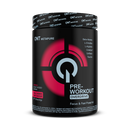
Use it post-workout, as a snack between meals, or blended into a smoothie when you need a quick, high-protein option. Explore the full QNT protein collection for options that fit your dietary preferences.
Creatine: Protect Your Muscle and Performance
Many people stop taking creatine during a cut — this is a mistake. Creatine helps preserve lean muscle mass, maintains strength output during training, and supports intracellular hydration that keeps muscles looking full and defined even in a deficit.
Continue taking 3 to 5 g of creatine monohydrate daily throughout your shred. Over 500 studies confirm creatine monohydrate is safe for healthy adults, with no evidence of kidney or liver damage at recommended doses (Kreider et al., 2017). Check out the QNT creatine range for pure, tested formulas.
Fat Burners: Targeted Thermogenic Support
When your nutrition, training, and L-Carnitine are already dialed in, a quality fat burner can provide an additional edge. The active ingredients — primarily caffeine and green tea catechins — have been shown to significantly increase energy expenditure and fat oxidation in a comprehensive review of fat-burning supplements (Jeukendrup & Randell, 2011).
Caffeine alone, dosed at 3–6 mg per kg of body weight, enhances endurance, high-intensity exercise performance, and strength output — making it a dual-purpose tool during a shred (Goldstein et al., 2010). A separate meta-analysis confirmed that caffeine and catechins together significantly increase both energy expenditure and fat oxidation beyond placebo (Hursel et al., 2011).
How to use fat burners during your shred:
- Timing: Take 30–45 minutes before training for maximum performance and thermogenic benefit
- Dose: Follow product label; do not exceed 400 mg total caffeine per day (including coffee)
- Duration: Cycle 4–6 weeks on, 1–2 weeks off to prevent tolerance buildup
Explore the QNT Fat Burners collection for formulas designed to complement your cutting phase.
Additional Supporting Supplements
- Omega-3 fatty acids: Support inflammation management, joint health, and overall metabolic function. Omega-3 supplementation may reduce exercise-induced inflammation and support recovery in athletes (Philpott et al., 2019).
- Multivitamin: A caloric deficit increases the risk of micronutrient gaps. A quality multivitamin acts as an insurance policy.
Step 4: Recovery and Lifestyle — The Hidden Multipliers
Fat loss doesn't happen in the gym. It happens when you recover. Sleep, stress management, and hydration directly influence hormones that control fat storage, appetite, and muscle retention. Neglecting recovery during a shred is like driving with the handbrake on.
Sleep: The Most Underrated Fat Loss Tool
Research consistently shows that poor sleep increases hunger hormones (ghrelin), reduces satiety hormones (leptin), impairs insulin sensitivity, and decreases training performance. In a caloric deficit, these effects are amplified.
Target 7 to 9 hours of quality sleep per night. Prioritize consistent sleep and wake times, reduce screen exposure before bed, and keep your bedroom cool and dark.
Stress Management
Chronic stress elevates cortisol, a hormone that promotes fat storage — particularly around the midsection — and accelerates muscle breakdown. During a shredding phase, when your body is already under the stress of a caloric deficit and intense training, managing additional stress is critical.
Incorporate daily practices: 10 minutes of walking outdoors, deep breathing, journaling, or whatever helps you decompress.
Hydration
Fat oxidation requires adequate hydration. Dehydration impairs exercise performance, reduces metabolic rate, and can mimic hunger signals — leading to unnecessary snacking.
Aim for at least 2.5 to 3 liters of water daily, more on training days or in warm weather. Adding QNT L-Carnitine Immunity Water to your daily intake is a smart way to combine hydration with L-Carnitine supplementation.
Your 12-Week Spring Shredding Timeline
Weeks 1–4: Foundation Phase
- Establish your caloric deficit (start with 300 calories below TDEE)
- Set your macro targets and begin tracking
- Build your training routine: 4 resistance sessions + 2 cardio sessions per week
- Begin L-Carnitine supplementation at 2000 mg daily
- Focus on building habits: meal prep, sleep hygiene, daily step targets
Weeks 5–8: Acceleration Phase
- Increase the deficit to 400–500 calories below TDEE if progress has stalled
- Add one additional cardio session or increase daily steps to 10,000+
- Maintain training intensity — this is when most people let it slip
- Reassess progress through measurements and photos (not just the scale)
- Continue consistent L-Carnitine, creatine, and protein supplementation
Weeks 9–12: Peak Phase
- Fine-tune your approach based on progress: adjust carbs, cardio, or rest days as needed
- Increase HIIT sessions if fat loss has slowed
- Prioritize recovery: sleep, hydration, and stress management become even more critical
- Maintain protein at the upper end of your range (2.2–2.4 g/kg)
- Reduce any planned diet breaks as you approach your target
Spring Shredding Guide: Common Mistakes to Avoid
Cutting calories too aggressively. A deficit larger than 500–600 calories risks muscle loss, hormonal disruption, and extreme hunger that leads to binging. Slow and steady wins the shred.
Dropping training intensity. Switching to light weights and high reps "to burn more fat" is counterproductive. Your muscles need the same stimulus that built them.
Ignoring recovery. Training more and sleeping less is a recipe for plateau, injury, and burnout. Recovery is when your body actually burns fat and repairs muscle.
Obsessing over the scale. Weight fluctuates daily due to water retention, glycogen levels, and gut contents. Track weekly averages, use measurements and photos, and trust the process.
Skipping supplements that matter. L-Carnitine, creatine, and protein are not luxury additions during a shred — they're strategic tools that protect your muscle and optimize your fat loss.
FAQ: Spring Shredding Questions Answered
How long does it take to get shredded for summer?
Most people need 8 to 12 weeks of consistent dieting and training to see significant changes in body composition. If you're starting from a higher body fat percentage, beginning 12 to 16 weeks before summer gives you the best chance.
Can I build muscle while shredding?
If you're relatively new to training or returning after a break, it's possible to gain some muscle while losing fat — a process called body recomposition. For experienced lifters, the goal during a shred is muscle preservation rather than growth.
What's the best cardio for shredding?
A combination of low-intensity steady-state (walking, cycling) and HIIT (sprints, circuits) provides the best results. Low-intensity cardio burns fat without taxing recovery, while HIIT provides a metabolic boost in less time.
Does L-Carnitine actually help with fat loss?
Yes. A meta-analysis of 9 RCTs found L-Carnitine produced an average 1.33 kg more weight loss than placebo (Pooyandjoo et al., 2016). Read our full L-Carnitine and weight loss guide for the complete scientific breakdown. For a comprehensive independent review, see Examine.com's L-Carnitine page.
Do fat burners actually work?
The most effective fat burner ingredients — caffeine and green tea catechins — have strong scientific backing. A comprehensive review found they significantly increase energy expenditure and fat oxidation (Jeukendrup & Randell, 2011). They work best when combined with a proper caloric deficit and training program — not as standalone solutions. Browse the QNT Fat Burners range.
Should I stop taking creatine during a cut?
No. Creatine supports muscle retention, training performance, and intracellular hydration during a deficit. Continue your creatine supplementation throughout your shred.
How much protein do I need while cutting?
Aim for 1.8 to 2.4 g per kg of body weight daily. This higher range helps preserve muscle mass in a caloric deficit and keeps you feeling satisfied between meals.
Conclusion: Your Spring Shredding Action Plan
- Create a moderate caloric deficit of 300–500 calories per day
- Keep protein high at 1.8–2.4 g/kg to protect your muscle mass
- Train with intensity. Prioritize compound lifts and maintain your weights
- Use cardio strategically. Combine steady-state sessions with HIIT
- Supplement smartly. L-Carnitine at 2000 mg daily, creatine for muscle retention, and protein to hit your macros
- Prioritize recovery. Sleep 7–9 hours, manage stress, and stay hydrated
Ready to build your shredding stack? Browse the complete QNT supplement range and get everything you need to fuel your transformation.


