Skip to content
Cart

Your cart is empty

Continue shopping

Glutamine

Glutamine is the most abundant amino acid in the body, essential for muscle recovery and intestinal health. It supports the immune system, helps muscle protein synthesis and plays a role in blood sugar regulation. Glutamine is particularly important for athletes, as it is consumed in large quantities during intense exercise. It occurs naturally in certain foods and is often taken in supplement form to improve sports performance and recovery. Supplementing with it can be beneficial for maintaining optimal balance, especially during rigorous training.

1 product

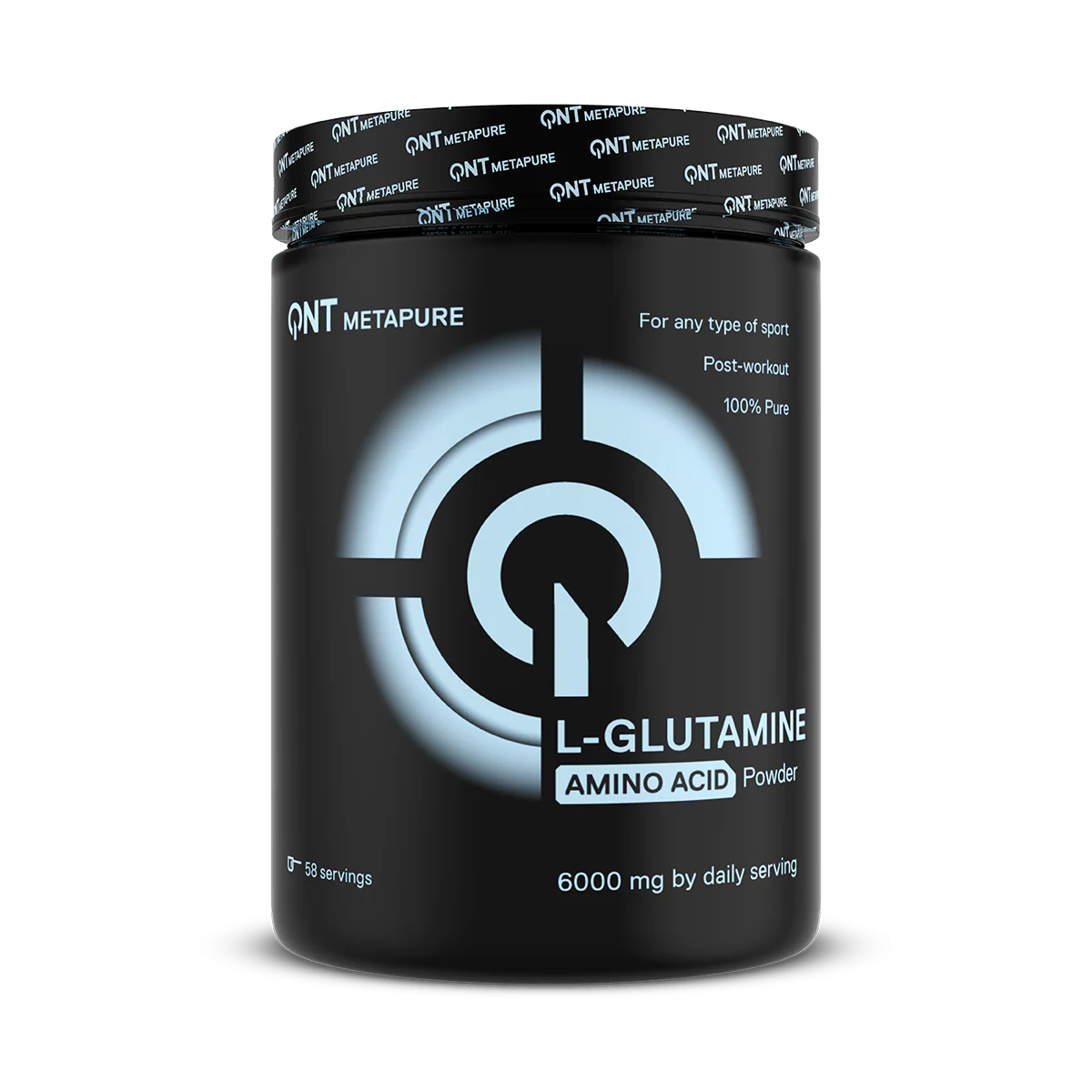
L-Glutamine 6000 mg | 350 g
Sale price22,00 €
Filters
Sort by
Price
to
Glutamine

WHAT IS GLUTAMINE?

Glutamine is much more than just an amino acid. It serves as fuel for your muscles and is a cornerstone of gut health. Naturally present in your body and in certain foods, it plays a crucial role in supporting your athletic performance and overall well-being.

A Vital Amino Acid

Glutamine is the most abundant amino acid in the blood and muscles. It plays a key role in numerous biological processes. As a non-essential amino acid, your body can synthesize it, but levels can drop significantly during intense physical activity or periods of stress.

Fuel for Your Muscles

During exercise, your muscles use glutamine as a source of energy. It supports muscle protein synthesis, promoting muscle growth and repair. This is why glutamine supplementation is often recommended for athletes and active individuals.

Support for Gut Health and the Immune System

Glutamine is essential for maintaining a healthy digestive system. It helps strengthen the intestinal barrier, preventing harmful substances from entering the bloodstream. Additionally, it is vital for the proper functioning of your immune system. During stress or after intense training, your body’s demand for glutamine increases, and additional intake can help maintain your natural defenses.

Role in Blood Sugar Regulation

Glutamine also impacts blood glucose regulation. It can help stabilize sugar levels, which is especially beneficial for athletes who need to maintain optimal energy levels during training and competitions.

How Your Body Uses Glutamine

Your body distributes glutamine to organs that need it most, including muscles, the intestines, and the immune system. During recovery, after injury or training, glutamine demand increases, which may require extra intake to meet your body’s needs.

Glutamine is a versatile amino acid that plays a key role in supporting muscle function, gut health, immune function, and glucose regulation. For an athlete like you, understanding and optimizing glutamine intake can be a critical factor in improving performance and overall well-being.

HOW MUCH GLUTAMINE DO WE NEED PER DAY?

The daily amount of glutamine a person needs can vary depending on several factors, including the intensity of physical activity, overall health, and personal fitness and nutrition goals.

For athletes and highly active individuals, recommendations generally range between 5 and 10 grams per day. This dose can be increased during periods of intense recovery or particularly demanding training. However, individual requirements may vary.

It’s important to start with a lower dose to assess your body’s tolerance and adjust gradually according to your needs and the guidance of a healthcare professional. Consulting a healthcare provider or nutritionist is always recommended, especially if you have specific medical conditions or follow a specialized diet. They can provide personalized advice based on your unique profile and goals.

As an athlete, you probably know that listening to your body is crucial. Signs such as fatigue, slow recovery, or other symptoms may indicate a need to adjust your glutamine intake.

Can glutamine be taken daily?

Glutamine, a non-essential amino acid important for many bodily functions, is often used to support muscle recovery, immune system function, and gut health. Daily consumption is generally considered safe for most people when taken at recommended doses. However, as with any supplement, it should be tailored to individual health conditions and specific needs.

People with kidney or liver issues, as well as pregnant or breastfeeding women, should consult a healthcare professional before starting glutamine supplementation.

Foods rich in glutamine:

Glutamine is also available through diet. Foods high in glutamine include:

  1. Meat and poultry – beef, chicken, and turkey.
  2. Fish and seafood – especially fatty fish like salmon and mackerel, as well as shrimp and crab.
  3. Dairy products – milk, yogurt, and cheese.
  4. Eggs – complete source of amino acids including glutamine.
  5. Nuts and seeds – almonds, cashews, pumpkin seeds, sunflower seeds.
  6. Legumes – beans, lentils, chickpeas, great for vegetarians and vegans.
  7. Leafy greens – spinach and parsley, especially when eaten raw.
  8. Fermented foods – miso, tempeh, which may increase glutamine availability.

How to use glutamine:

  • Before training: helps reduce muscle fatigue and supports performance.
  • After training: aids muscle repair, reduces soreness, and speeds recovery.
  • Before sleep: supports overnight muscle recovery and growth.

Glutamine can be taken continuously, although some prefer cyclical use (e.g., 6–8 weeks on, 2 weeks off). Staying well-hydrated is important, and glutamine can be combined with other supplements like BCAAs to enhance recovery.

Effectiveness for muscle recovery:

Glutamine is especially beneficial for individuals under extreme physical stress, like endurance athletes or those training frequently at high intensity. Supplementation can help reduce illness risk and accelerate muscle repair. Typical intake is 5–10 grams per day, ideally post-workout and before bed.

Glutamine can be an effective tool for supporting muscle recovery, particularly for those engaging in intense, regular training. Its effectiveness may vary individually and should be integrated into a broader recovery plan including proper nutrition, hydration, and rest. Consulting a healthcare professional before starting supplementation is advised to ensure it aligns with your health and performance goals.

HOW TO INCORPORATE GLUTAMINE INTO YOUR DIET?

Natural Sources of Glutamine.

You can find glutamine in foods such as meat, fish, eggs, and certain dairy products. But to fully benefit from it—especially if you’re an athlete—a glutamine supplement can make all the difference.

QNT Glutamine Supplements.

At QNT, we offer top-quality glutamine supplements. Easy to incorporate into your daily routine, they help maintain optimal levels of this essential amino acid, supporting you in your pursuit of peak fitness.

SUBHEADING

Frequently Asked Questions

Parel aims to easily offer comfort and confidence in people's daily routines by creating practical, functional apparel with an all-day usability.

All the FAQ

What is glutamine and what does it do?

Glutamine is the most abundant amino acid in blood and muscles. It plays a key role in muscle protein synthesis, gut health, immune system support and blood glucose regulation. It is particularly important for athletes subject to intense or regular efforts.

What are the benefits of glutamine for athletes?

  • Muscle fuel: promotes the growth and repair of muscle fibers.
  • Recovery: helps reduce pain and accelerates regeneration after training.
  • Intestinal health: strengthens the digestive barrier and limits the entry of harmful substances.
  • Immunity: supports natural defenses, especially during times of stress or fatigue.
  • Stable energy: helps regulate blood sugar to maintain performance.

How much glutamine should be consumed per day?

For athletes, the recommended dose is generally 5 to 10 g per day, adjusted according to training intensity and individual needs. It can be taken before exercise (performance), after exercise (recovery), and before bedtime (nighttime regeneration). Glutamine is considered safe when consumed at the recommended doses.

Which foods are naturally rich in glutamine?

Glutamine is found in :

  • Meat and poultry (beef, chicken, turkey)
  • Fish and seafood (salmon, mackerel, shrimp)
  • Dairy products (milk, yogurt, cheese)
  • Eggs
  • Nuts and seeds (almonds, pumpkin seeds)
  • Legumes (lentils, chickpeas)
  • Green vegetables (spinach, parsley)Fermented products (miso, tempeh)

Is glutamine effective for muscle recovery?

Yes.

After intense exercise, glutamine levels drop, which can slow recovery and weaken immunity. Supplementation helps replenish these reserves, reduce muscle soreness, and accelerate tissue repair. It is especially beneficial for endurance athletes or those who train frequently at high intensity.