Skip to content
Cart

Your cart is empty

Continue shopping

Whey Protein Isolate

Whey Protein Isolate : The Quintessential Protein for Demanding Athletes

The isolate is a Whey protein and is therefore also extracted from whey. Its difference from Whey is in the filtration process. This has been taken further to make it even more pure and remove as much lactose, fat and sugar as possible. It is perfect for those who are lactose intolerant. This purer protein is ideal in a drying goal thanks to its higher protein content due to its filtration.

3 products

PROMO QNT Metapure Whey Isolate Zero Belgian chocolate 908 g, whey isolate
Sale price Starting at 47,97 €
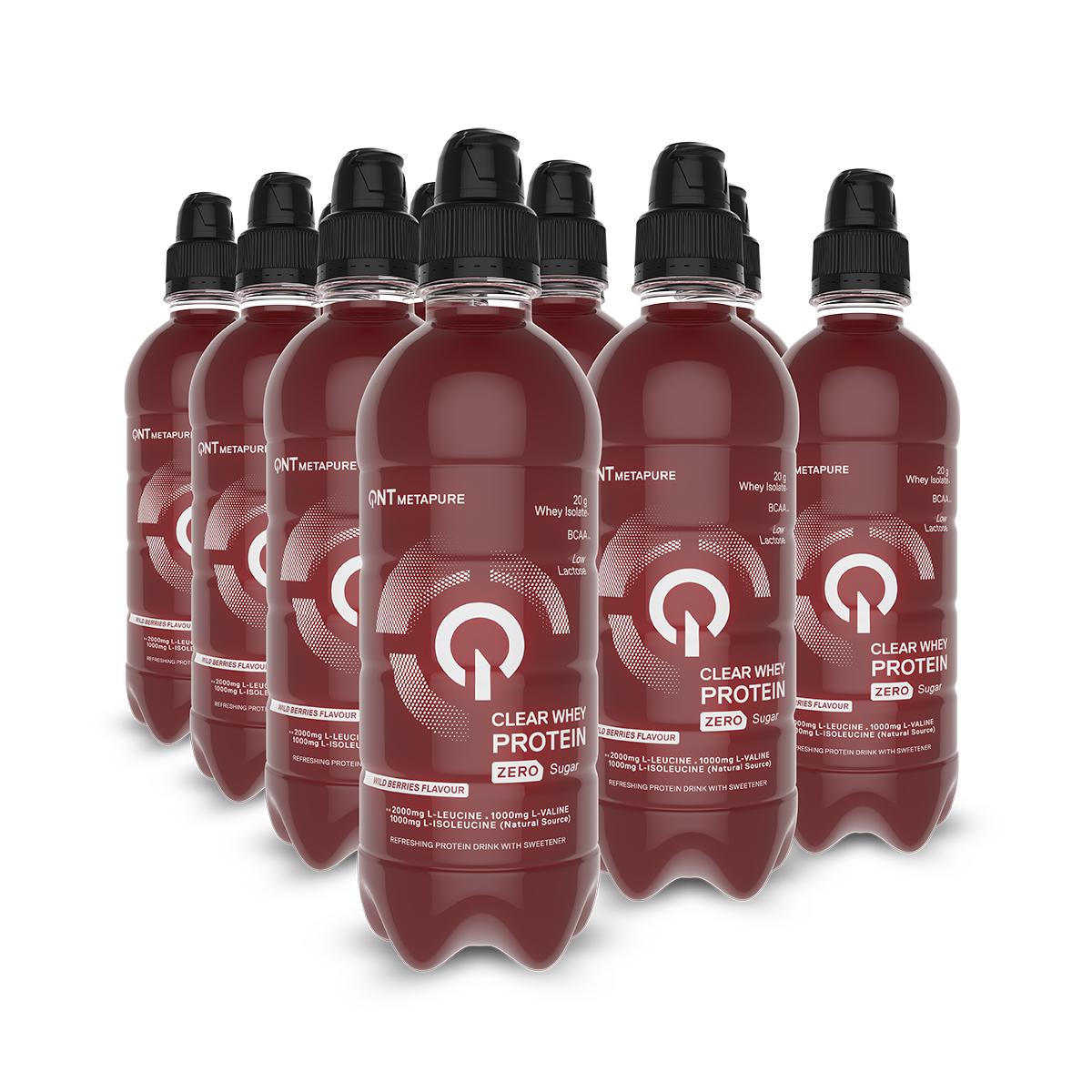
Save 5% QNT Clear Whey Zero Carb Eau Protéinée 500 ml, whey isolate
Sale price34,20 € Regular price36,00 €
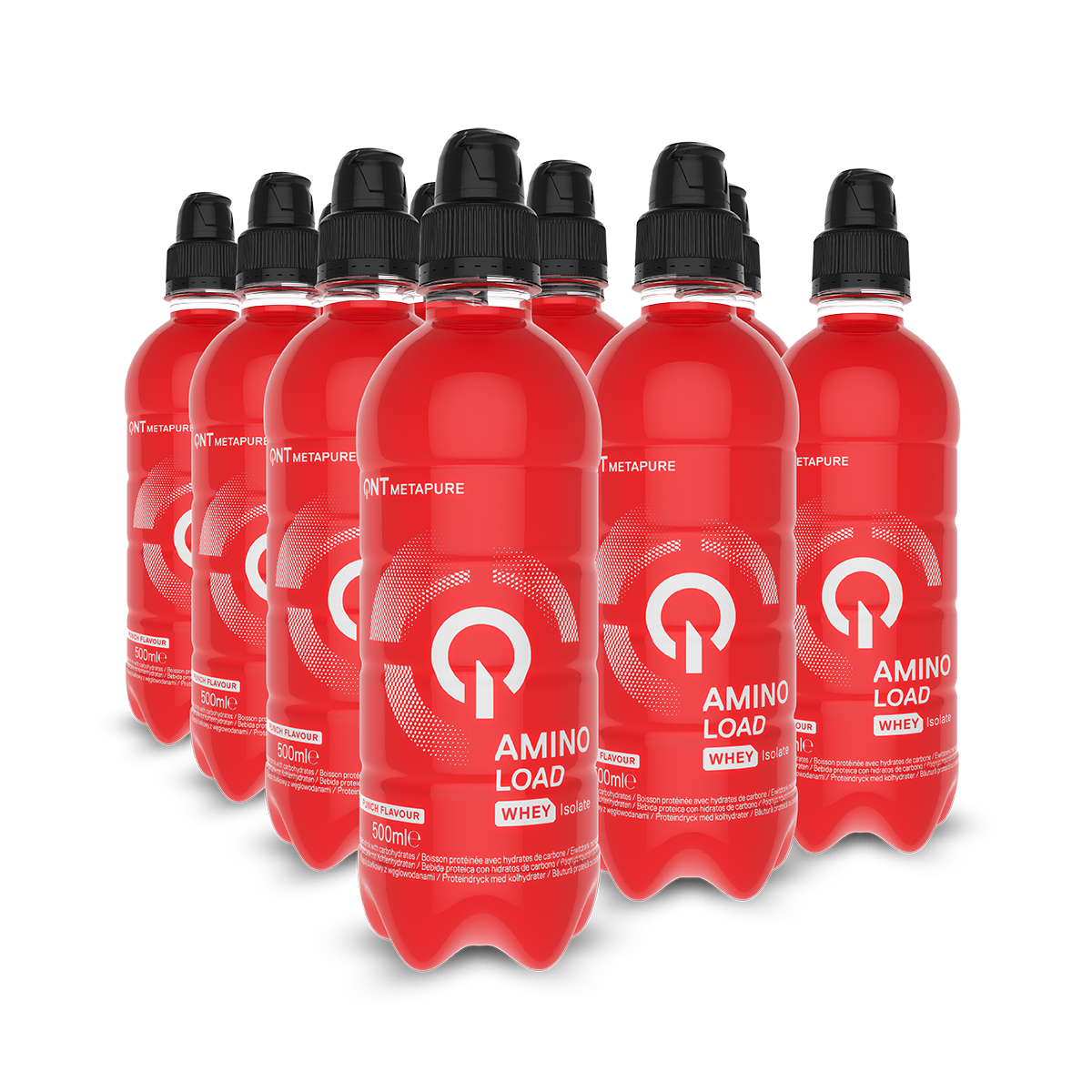
Save 5% QNT Amino Load red fruits 500 ml, amino acids
Sale price34,20 € Regular price36,00 €
Filters
Sort by
Price
to
QNT Whey Isolate: the purest protein for cutting

What is whey isolate (whey protein isolate)?

Whey isolate, also called whey protein isolate, is the most filtered form of whey protein. Where a whey concentrate usually tops out around 70 to 80 percent protein, an isolate (whey protein isolate) reaches 90 percent and above thanks to more advanced filtration (microfiltration), which strips out most of the carbs, fat and lactose.

The result is an ultra-pure powder: dense in protein and low in everything else. That is exactly what you want when every calorie counts. At QNT, the benchmark is Metapure Whey Isolate Zero, formulated to deliver maximum protein with minimal sugar and fat.

You will also come across the term native whey isolate, which refers to an isolate whose protein is drawn straight from milk rather than from a cheese by-product, aiming for even greater freshness and purity. Either way, isolate remains a complete protein: it supplies the essential amino acids, including the well-known BCAAs (leucine, isoleucine, valine) naturally found in whey, which contribute to maintaining and building muscle mass as part of a suitable diet and regular training.

Isolate or whey concentrate: which should you choose?

It all comes down to purity. Here are the markers worth weighing before you decide:

  • Protein content: isolate 90 percent and up, concentrate 70 to 80 percent.
  • Lactose: very low in isolate, higher in concentrate.
  • Carbs and fat: almost none in a good isolate, more present in concentrate.
  • Price: isolate usually costs more, which makes sense given the more demanding filtration.

In practice: if you want the best protein-to-calorie ratio, if you track your macros to the gram, or if lactose bothers you, isolate is the smarter pick. A classic whey concentrate is still excellent for everyday use and more affordable, but for the absolute precision of a cut, isolate keeps the edge.

That is why Metapure Whey Isolate Zero sits as the premium protein in the QNT range: you pay for protein, not for filler.

Whey isolate and cutting: protect muscle, sharpen your shape

Cutting (a definition phase) means reducing body fat while holding on to as much muscle as possible. The number-one lever is keeping protein intake high while calories drop. That is exactly where isolate shines.

Why isolate is your ally on a cutting diet:

  • Maximum protein density for very few calories, ideal when you cut carbs and fat.
  • Carbs and fat close to zero, so it slots easily into tight macros.
  • The satiating effect of protein, useful for holding off cravings in a calorie deficit.

A shake of Metapure Whey Isolate Zero helps you hit your daily protein target without piling on calories. To cut cleanly, aim to spread your protein intake across the day and adjust portions to your bodyweight and activity level. Whey isolate does not burn fat on its own: your calorie deficit and your training do the work, and isolate protects muscle through the process.

Low in lactose and easy to digest

Lactose is often what causes trouble with dairy proteins: bloating, digestive discomfort, that heavy feeling after a shake. The big strength of whey isolate is its very low lactose content, far lower than a whey concentrate.

For many people who are sensitive to lactose, an isolate like Metapure Whey Isolate Zero goes down far better than a standard protein. You get a quality protein intake with lighter digestion and no bloated stomach.

Worth noting: low in lactose does not mean completely lactose-free, and a severe intolerance is still something to discuss with a healthcare professional. If whey does not suit you at all, a lactose-free plant-based protein steps in with a fully plant-based profile. But for everyday digestive comfort, especially around training, isolate is generally the best-tolerated form of whey.

Its clean profile (few carbs, little fat) also makes it a clean base for anyone who wants a no-nonsense shake with no surprises on the label.

The QNT isolate range: powder and ready-to-drink

QNT offers isolate in several formats to fit your day:

  • Metapure Whey Isolate Zero: the benchmark isolate in powder form, high in protein and very low in sugar and fat. The premium choice for both muscle building and cutting, also available in an Axome version.
  • Iso Whey Zero Carb (protein water): a ready-to-drink isolate-based drink, clear and refreshing, with zero carbs, perfect when you want protein without mixing a shake (at the office, on the move, after a session).
  • Amino Load: a functional drink delivering amino acids, handy around training to top up your intake.

The idea: the same commitment to purity, offered as a powder for your daily shake and as ready-to-drink formats for busy days. You keep isolate quality everywhere, with no prep required. All our proteins are made to the standards of a Belgian brand committed to quality (made in Belgium).

How much and when to take your whey isolate?

A serving of whey isolate is generally around 25 to 30 g of powder, mixed into 200 to 300 ml of water or plant-based drink. Water keeps the shake as light as possible, which fits a cutting approach well.

The most useful times to take it:

  • After training: its fast absorption makes it a good post-workout habit to support muscle recovery.
  • At breakfast or as a snack: to reach your daily protein target.
  • Between meals: in a calorie deficit, a satiating shake helps keep cravings in check.

The real principle to remember: your total daily protein is what matters, not perfect timing down to the minute. Spread your intake across several servings and adjust to your bodyweight, your goal and your training. On days without a shaker, ready-to-drink Iso Whey Zero Carb steps in with the same isolate base.

Frequently Asked Questions

Your health and results are our top priority. This FAQ answers the essential questions about QNT products, so you know exactly what you’re buying and how they support your goals.

Does Metapure Whey Isolate Zero really have zero carbs and zero sugar?

The Zero name reflects a profile that is very low in carbs and sugar: the filtration strips out most of the carbs, lactose and fat, leaving almost pure protein. Always check the nutrition panel on the label of your chosen flavour, since exact values can vary slightly between them.

Whey isolate vs hydrolysed whey: what is the difference?

Isolate is filtered to reach a very high protein content with very little lactose. Hydrolysed whey is an isolate whose proteins are further pre-broken into shorter fragments. For most goals, a good isolate like Metapure Whey Isolate Zero already covers what you need.

Can I mix whey isolate with milk, or only with water?

Both work. Water keeps the shake lightest and lowest in calories, which suits a cut well. Milk gives a creamier texture but adds calories and lactose, which cancels out part of the point of a low-lactose isolate if you are sensitive to it.

I am lactose intolerant: can I still take whey isolate?

Whey isolate is very low in lactose, so many sensitive people tolerate it far better than a whey concentrate. Low in lactose does not mean lactose-free, though: with a severe intolerance, ask a healthcare professional for advice or choose a lactose-free plant-based protein instead.