













How to prevent and treat tendonitis?
Table of contents
Following a significant increase in their training load or repeated intense efforts, some people develop tendonitis, also known as tendinopathy. These pains can occur anywhere on the body (arms, shoulders, knees, etc.) and are actually signals sent by our body that we may bae doing too much.

What is tendonitis?
Tendons are a kind of cord that have the role of attaching our muscles to our bones. They therefore have a very important role in sports. It is when the tendons are inflamed that we start talking about tendonitis. The latter often occurs following similar efforts repeated for too long.
Tendinitis is therefore very recurrent in sportsmen and women, and particularly in endurance sportsmen and women. Runners, being required to reproduce a single movement throughout their session, are very likely to develop leg tendonitis during their training, as are footballers. Tennis players, on the other hand, are more likely to develop tendonitis in their shoulders and elbows.
Tendonitis can therefore be noticed by pain during movement of the affected joints or even at rest. Sometimes there is also swelling in the painful area.
How can it be treated?
There is no need to consult your doctor straight away, unless the tendonitis is very painful, lasts an abnormally long time (more than a week) or you have repeated pain in the same area, it should not be difficult to treat.
To relieve the pain, cold can be very effective. An ice pack placed daily on the affected area may, in time, ease the symptoms. A daily massage with an anti-inflammatory cream should also prove effective. Be aware that tendonitis that is not properly treated can become recurrent and really handicap your future activities.
Continue the sport?
Beware, however, that tendonitis is not a reason to stop all activity. On the contrary, a competent doctor will always advise to continue one's practice but to decrease the intensity consistently.
So, in the case of a runner for example, the ideal would be to run more slowly and over a shorter distance. There is no question of leaving too much room for pride, you will have to stop as soon as you start to feel discomfort. Another idea would be to take up another sport that does not directly involve your joints, such as cycling or swimming.
How can it be prevented?
It can't be said enough, but warming up properly before each sports session is essential for the good of your joints. The warm-up should be gradual and specifically targeted at the areas of your body affected by the upcoming exercise.
Good hydration should also be incorporated into your daily routine to prevent inflammation. For those who struggle to stay hydrated throughout the day, simply drinking a glass of water before each meal can already make quite a difference.
In addition to hydration, eating an anti-inflammatory diet will greatly reduce your risk of injury in the future. This will start by incorporating more fruit and vegetables into your plates. Replacing pasta and rice with wholemeal pasta or brown rice will also be an interesting step, looking to consume as little processed food as possible.
It will also be very interesting to look for more regular alternatives for meat. We will start by favouring white meat over red meat and ideally seek to replace it from time to time with legumes or fish. The latter is often eaten too infrequently, creating a deficiency in Omega 3, the benefits of which are no longer in question. Our supplements can help you fill this gap in your diet.
Finally, one of the tasks that may seem the most complicated will be to try to eliminate as much sugar as possible from your daily diet. This is where fruit can play a vital role, replacing the chocolate bar you may have been used to eating at snack time.
Conclusion
Tendinitis is usually easily controlled. By applying these various tips you should be able to greatly reduce your risk of tendon-related injuries in the future, as well as improving your overall health.
Keep reading

Cyclos du Cœur 2026: QNT at the Cormet de Roselend for Télévie
Cyclos du Cœur 2026: QNT at the Cormet de Roselend for Télévie From 1 to 4 July 2026, QNT joins the Cyclos du Cœur on the Cormet de Roselend in sup...
 Training
Group classes more effective than classroom work?
This is a question that is often asked: which is more effective? Group classes or individual gym programs?
 Our Tips
Summer body edition for men: How to prepare your body?
Summer body: exercise, balanced nutrition, motivation and practical tips to transform your physique before summer, even starting from scratch.
 Training
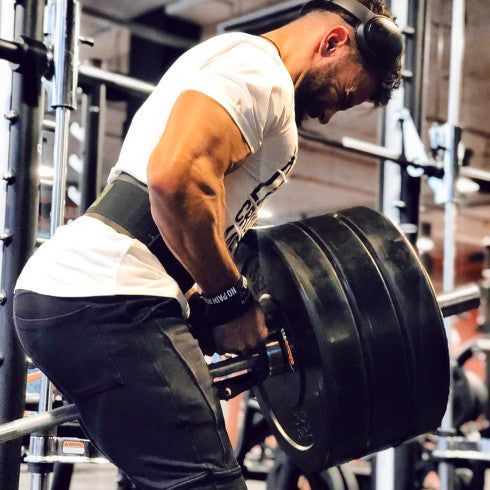
SHOULD YOU USE A WEIGHT BELT FOR LIFTING?
The next person you see in the squat cage with 20 kg on the bar and a big belt, maybe you can make a comment after reading these few lines.
 Our Tips
How to train flexibility?
The way to train flexibility is often highly controversial. Depending on the sports you practice, you work differently. A dancer and an athlete tra...
 Dietary Supplements
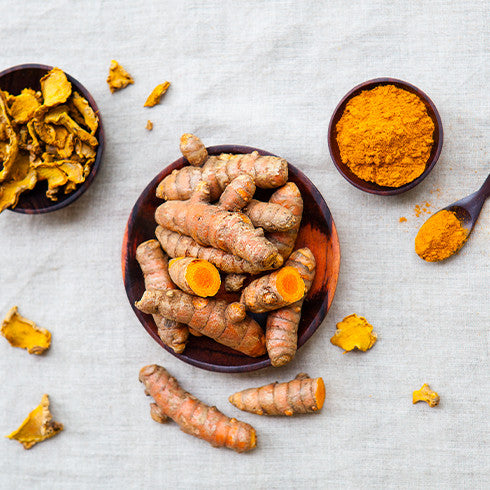
Why take turmeric?
There are hundreds and hundreds of spices with different properties and turmeric is obviously one of them! It is a spice that is generally quite we...
 Our Tips
Fasting and sport: 9 tips for training during Ramadan.
Working out during Ramadan is not easy. Not eating from sunrise to sunset is a major challenge for athletes wishing to continue their activities. T...
 Our Tips
Summer holidays: How to limit the damage?
On holiday, we often tend to let ourselves go. Unless you're a hardcore sportsman, you tend to abandon your trainers and indulge in a lot of dietar...
 Health
How to preserve your joints?
We have a total of about 400 joints located throughout the body. We therefore quickly understand why joint problems are quite common. You don't hav...
 Our Tips
9 good reasons to do sport.
Sometimes the urge to exercise is not always there. And although we always tell ourselves that this year will finally be the right one to get back ...


