






Table of Content
Last updated: March 28, 2026
The ketogenic diet promises rapid fat loss, stable energy, and improved mental clarity. But what does the science actually say? At QNT Sport, we've been formulating sports nutrition supplements in Belgium since 1992. We know that no diet is a magic solution. This guide breaks down the proven benefits of keto, who it's best suited for, and how to optimize your protein intake to maintain performance while following this eating approach.
What is the keto diet and how does it work?
The ketogenic diet is an eating pattern characterized by very low carbohydrate intake (under 50 g per day), high fat (70-75% of calories), and moderate protein (20-25%). By depriving your body of its usual fuel — glucose — you force it to tap into stored fat.
This metabolic process is called ketosis. When glycogen stores are depleted, your liver converts fatty acids into ketone bodies. These ketones become the primary fuel for muscles and brain.
| Macronutrient | Standard diet | Ketogenic diet |
|---|---|---|
| Carbohydrates | 45-65% | 5-10% (< 50 g/day) |
| Fat | 20-35% | 70-75% |
| Protein | 10-35% | 20-25% |
According to the ISSN Position Stand (2024), nutritional ketosis is defined as serum ketone levels above 0.5 mM. This is safe and should not be confused with ketoacidosis (ISSN, 2024).
The proven benefits of the keto diet
1. Fat loss
Meta-analysis of 18 RCTs: average weight loss of -2.87 kg and waist circumference reduction of -3.23 cm (Choi et al., 2023). Bueno et al. (2013) confirmed significantly greater long-term weight loss vs low-fat diets (PubMed).
2. Mental clarity and stable energy
Positive association with mental well-being (Norwitz et al., 2024). Ketones provide stable brain energy without glucose spikes. Stanford pilot study (2024) showed significant psychiatric improvement (Stanford Medicine).
3. Appetite control
Fats and proteins provide prolonged satiety. Ketone production itself may suppress appetite. Less cravings, less snacking.
4. Stabilized blood sugar
Significant reduction in blood glucose and HbA1c, especially in overweight individuals with T2DM (He et al., 2022).
5. Potential for endurance athletes
ISSN (2024): fat oxidation reaches ~1.5 g/min on keto. However, high-intensity performance shows neutral to negative effects. Elite athletes should be cautious (ISSN, 2024).
Who is keto for — and who should be cautious?
May work for: fat loss seekers, those with cravings, endurance athletes, blood sugar stabilization (under medical supervision), high-fat food lovers.
Not recommended for: explosive sport athletes, pregnant/breastfeeding women, kidney/liver conditions, eating disorder history, type 1 diabetics.
How to get enough protein on keto
ISSN recommends 1.4-2.0 g/kg for active individuals (Jäger et al., 2017). On keto, aim for 1.6-2.0 g/kg.
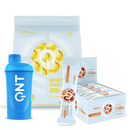
Metapure Whey Isolate Zero: ~25-30 g protein, < 1 g carbs per serving. Metapure protein bars for on-the-go.
Practical tips for starting keto
- Transition gradually over 1-2 weeks
- Hydrate: 2.5-3L water/day + electrolytes
- Plan meals and batch-prep
- Monitor ketones
- Supplement micronutrients (A, D, E, calcium, magnesium)
- Support fat oxidation with QNT L-Carnitine 3000 — zero carbs. See our L-Carnitine range and weight management supplements.
- Be patient — adaptation takes 2-4 weeks
QNT products for your keto lifestyle
- Metapure Whey Isolate Zero — < 1 g carbs/serving
- Protein bars
- L-Carnitine 3000 — supports fat oxidation (Pooyandjoo et al., 2016)
- Protein collection
More: L-Carnitine guide
By the QNT Sport team — Over 30 years of sports nutrition expertise
FAQ
Read more
 Lose Weight
L-Carnitine and weight loss: what science actually says
Does L-Carnitine really help you lose weight? Discover what clinical studies show, the right dosage, and how to use it effectively for fat loss.

Spring Shredding Guide: How to Maximize Fat Loss for Your Best Summer Body
Winter is over. The layers are coming off. And if you're reading this, you already know the clock is ticking — summer is around the corner, and it'...


