Skip to content
Cart

Your cart is empty

Continue shopping

Vitamins & minerals

Vitamins and minerals are crucial for addressing common nutritional deficiencies in modern diets. Our supplements, rich in high concentrations of these essential nutrients, are designed to strengthen your immune system and boost your energy and vitality. With QNT, ensure optimal intake for robust health and increased performance.

12 products

Filters
Sort by
Price
to
QNT vitamins and minerals: fill your daily nutrient gaps

What do vitamins and minerals actually do?

Vitamins and minerals are micronutrients your body needs every day but cannot make on its own (or only in small amounts). They are involved in a huge range of functions: energy production, muscle contraction, the workings of the nervous and immune systems, and bone strength.

In theory, a varied diet covers most of what you need. In practice, several situations widen the gap: a monotonous diet, stretches of stress, the change of seasons, low winter sunlight, or hard training (sweating means you lose magnesium, zinc and other minerals).

The most commonly mentioned signs of falling short: passing tiredness, a dip in tone, slower recovery. A supplement is never a replacement for a good plate of food: it tops up what your diet does not always cover. That is exactly what the QNT Vitamins and Minerals range is for: targeted formulas to support your day-to-day balance, alongside a balanced diet and a healthy lifestyle.

QNT multivitamins: the base for covering your needs

If you want a single complete formula, a multivitamin is the simplest choice. It packs a broad spread of vitamins and minerals into one serving to support normal energy-yielding metabolism and the normal function of the immune system.

At QNT, two vegan formulas are built around different needs:

  • Multivitamin women's (60 vegan capsules): a formula for women.
  • Multivitamin men's (60 vegan capsules): a formula for men.
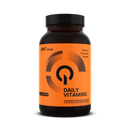
  • Daily Vitamins (60 capsules): the all-round daily top-up, an ideal starting point.

Why split men's and women's? The needs are not identical: women in particular have higher iron requirements during certain periods. Choosing the right formula helps you avoid both shortfalls and excesses.

How do you pick the right multivitamin? Look at the composition: a useful formula combines around a dozen vitamins with key minerals at sensible doses, rather than an endless, under-dosed list. A regular course (the change of seasons, getting back into training, a busy stretch) often makes more sense than taking it all year round.

Magnesium: energy, fatigue, recovery and sleep

Magnesium is one of the most sought-after minerals, and for good reason: it contributes to normal energy-yielding metabolism, to the reduction of tiredness and fatigue, to the normal functioning of the nervous system and to normal muscle function. All of which is why athletes keep an eye on it, since sweating increases losses.

QNT Magnesium Sport comes in a handy liquid format (12 x 80 ml) with vitamin B6, easy to carry and to drink after a session or across the day.

A few points that come up again and again:

  • What dose? Always stick to the dose stated on the product label; your daily need depends on your diet and how active you are.
  • Which form? You may have come across magnesium bisglycinate, valued for being easy on digestion. Forms vary from product to product: read the composition to know exactly what you are taking.
  • Magnesium and sleep: magnesium contributes to the normal functioning of the nervous system, which is why many people build it into their evening routine. If you are wondering whether magnesium helps with sleep, or when to take it (morning or evening), the most common practice is an end-of-day serving. Find the timing that suits you.

For an intake paired with calcium and zinc, also take a look at Calcium-Magnesium-Zinc (60 tablets).

Immune support, vitamin D and antioxidants: zinc, vitamin D3

To contribute to the normal function of the immune system while staying within authorised wording, two nutrients stand out:

  • Zinc (100 capsules): contributes to the normal function of the immune system and to the protection of cells from oxidative stress. A clear focus among athletes, which is where most zinc benefits come into play.
  • Vitamin D3 3000 IU (90 vegan capsules): contributes to the normal function of the immune system, the maintenance of normal bones and normal muscle function.

Vitamin D deserves special attention: at our latitudes the sun is too weak for much of the year, and a mostly indoor lifestyle limits how much we make naturally. Winter is when many people choose to run a course.

Want a mineral combination? Calcium-Magnesium-Zinc brings together three useful intakes, with calcium contributing to the maintenance of normal bones.

Vegan or vegetarian diet: the intakes to watch

A plant-based diet is perfectly compatible with performance and health, as long as you keep an eye on a few micronutrients whose main sources are animal or less bioavailable in plants.

The points most often flagged:

  • Vitamin B12: almost absent from a 100% plant-based diet, so this is the one not to neglect. It contributes to normal energy-yielding metabolism and the normal function of the immune system.
  • Vitamin D: often in short supply, especially in winter. QNT Vitamin D3 3000 IU comes in vegan capsules.
  • Zinc and iron: less well absorbed from plant sources.
  • Vitamin B9 (folate): important for overall balance, sought both through food and supplementation.

Good news: several QNT products in this range are vegan, including Multivitamin men's / women's, Curcuma+ (90 vegan capsules) and Vitamin D3. Enough to build a routine that fits a plant-based lifestyle, alongside a varied plate and our vegan protein.

Curcuma, omega 3, HMB and Joint+: the targeted supplements

Beyond the essentials, the range offers formulas for more specific needs:

  • Omega 3 (1000 mg, 60 capsules or 3000 mg, 90 softgels): fatty acids rich in EPA and DHA. DHA contributes to the maintenance of normal brain function and normal vision, and EPA and DHA contribute to the normal function of the heart (from the recommended daily intake). A classic when you eat little oily fish.
  • Curcuma+ (90 vegan capsules): a turmeric extract, a plant long valued in tradition, to slot into your wellbeing routine.
  • HMB 1000 mg (120 capsules): a leucine derivative popular with strength-training enthusiasts around their workouts.
  • Joint+ (60 capsules): a formula aimed at active people and athletes who put their bodies under heavy demand.

How do you fit them in? The simplest approach is to take your capsules with a meal, with a large glass of water, and to stay consistent. Over a course, regularity matters more than the occasional big dose.

Frequently Asked Questions

Your health and results are our top priority. This FAQ answers the essential questions about QNT products, so you know exactly what you’re buying and how they support your goals.

Why are vitamins and minerals essential?

Vitamins and minerals play a key role in almost all bodily functions:

  • Immunity (vitamin C, D, zinc, selenium)
  • Bone health (calcium, phosphorus, vitamin D, K)
  • Energy production (B vitamins, magnesium)
  • Health of skin, eyes, and hair (vitamin A, E, biotin)
  • Brain and heart function (iron, omega-3, potassium)

Are dietary supplements necessary for everyone?

Not necessarily. A balanced diet is usually sufficient, but certain groups may need them:

  • Pregnant or breastfeeding women (iron, folic acid).
  • Older adults (vitamin B12, D).
  • Vegetarians and vegans (B12, iron, calcium, omega-3).
  • Athletes (increased nutrient requirements).
  • People with specific medical conditions.

Quels sont les signes d’une carence en vitamines ou minéraux ?

Fatigue: lack of iron, vitamin D, or B12.

Skin and hair issues: deficiency in vitamins A, C, zinc, or biotin.

Bone pain: deficiency in calcium or vitamin D.

Mood changes: lack of magnesium, iron, or B vitamins.

Impaired night vision: vitamin A deficiency.

How to balance a vegetarian or vegan diet?

  • Vary your diet to cover all nutrients.
  • Use fortified foods (B12, D, calcium).
  • Consider supplementation for B12, D, and omega-3.
  • Optimize iron absorption with vitamin C–rich foods.
  • Plan meals with proteins, fiber, and healthy fats.

Which foods are the best sources of vitamins and minerals?

Vitamin A: carrots, sweet potatoes, spinach.

Vitamin B: meats, fish, eggs, legumes.

Vitamin C: citrus fruits, kiwis, bell peppers.

Vitamin D: fatty fish, eggs, sunlight.

Calcium: dairy products, green vegetables, sardines.

Iron: red meats, lentils, spinach.

Magnesium: nuts, seeds, avocados.

Potassium: bananas, tomatoes, green vegetables.

Zinc: seafood, legumes, nuts.