







How Much Water to Drink With Creatine: What the Science Really Says
Table of contents

Last updated: July 6, 2026
Do you really need to drink litres of extra water when you take creatine? The short answer is no. Creatine does not "dry out" your body and it does not demand some out-of-the-ordinary hydration routine: that idea is largely a myth. What actually matters is staying properly hydrated, just as you would for any sport. In this guide we explain what creatine really does to the water in your body, how much water to drink with creatine based on your profile, and the mistakes to avoid so you can get the full benefits, all grounded in science and more than 30 years of expertise, Made in Belgium since 1992.
What does creatine do to the water in your body?
Creatine monohydrate increases the phosphocreatine stores in your muscle cells. This process draws water into the cells: this is what is known as intracellular water retention. For every gram of creatine stored, roughly 3 to 4 grams of water are held inside the cell (Powers et al., 2003).
But the amount of water involved stays modest: it mainly explains the slight weight gain (often 0.5 to 2 kg) sometimes seen at the start of supplementation. This retention is intracellular: it happens inside the muscle cells, not under the skin. Far from "drying out" the body, creatine does not increase the risk of dehydration; it simply redistributes a little water toward the muscles, where it contributes to muscle volume.
Key takeaway: Creatine moves a small amount of water into the muscle cells (intracellular retention), without drying out the body or forcing you to drink litres of extra water. The idea that you need to "compensate" is a myth.
To learn more, see our complete creatine guide.
How much water to drink with creatine: the formula
In short: aim first for normal daily hydration, which is around 30 to 35 ml of water per kilo of body weight (roughly 2 to 3 litres per day for most athletes). Creatine does not fundamentally change this need: there is no point drinking litres more. Simply drink a little more on days of intense training or hot weather, and make sure you stay regularly hydrated throughout the day.
To estimate this baseline need, we at QNT Sport rely on EFSA recommendations (EFSA, 2010) and the ACSM position stand on hydration during exercise (Sawka et al., 2007). Your need depends mostly on your body weight, but also on your muscle mass, your sex and your activity level.
Your body weight (kg) × 30 to 35 ml = baseline daily need
| Body weight | Baseline need (× 30-35 ml) | Intense training days or hot weather |
|---|---|---|
| 50 to 65 kg | 1.7 to 2.3 L | + 300 to 500 ml |
| 65 to 80 kg | 2.3 to 2.8 L | + 300 to 500 ml |
| 80 to 95 kg | 2.8 to 3.3 L | + 500 ml |
The lower end of the ranges often suits women and less muscular people, while the higher end suits men and more muscular profiles. Creatine itself only adds a very small amount to the total.
Loading phase vs. maintenance
A common misconception is that water intake should increase in proportion to your creatine dose. That is false. Even though the loading phase multiplies your creatine intake by 5 to 6 (around 20 g/day for 5 to 7 days, versus 3 to 5 g/day for maintenance), your water needs are not multiplied to the same degree: the amount actually taken up by the muscles stays low. Keep your hydration regular and do not force yourself to drink excessive volumes.
The 6 mistakes to avoid to get the full benefits of creatine
- Not being consistent: creatine works by building up in the muscle. Take your 3 to 5 g every day, including rest days.
- Believing you must drink litres more: normal hydration (around 30 to 35 ml/kg) is enough. There is no need to force water down to "activate" creatine.
- Thinking the loading phase is mandatory: it saturates the muscles faster, but 3 to 5 g/day reaches the same result within a few weeks.
- Neglecting hydration and electrolytes during exercise: as with any intense training, drink regularly and consider electrolytes.
- Not dissolving your creatine properly: 1 g needs about 75 ml of water to dissolve well. For 5 g, count on at least 375 ml of lukewarm water.
- Expecting immediate results: the benefits appear after 2 to 4 weeks of regular intake.
Signs you are not drinking enough
- Dark urine: aim for pale yellow
- Muscle cramps: fluid/electrolyte imbalance
- Unusual fatigue: 2% dehydration = -20% endurance
- Headaches: common on creatine with insufficient fluid intake
- Declining performance: as with any effort, performance suffers from poor hydration
To be clear: yes, you need to be properly hydrated; yes, creatine draws a little more water into the muscle cells; but no, you do not need to drink litres more for it to "work", and no, at normal doses it does not dangerously "pump" the water out of your body.
The simplest tip: keep a water bottle with you
Rather than counting every glass, the most effective approach is to always have a water bottle within reach and to drink regularly throughout the day. A few useful pointers:
- Drink a large glass when you wake up to rehydrate after the night.
- Dissolve your creatine in about 375 ml of lukewarm water.
- During training, drink in small, regular sips.
- For the rest of the day, let thirst and the colour of your urine (pale yellow) guide you.
Adding QNT creatine to your routine
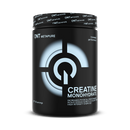
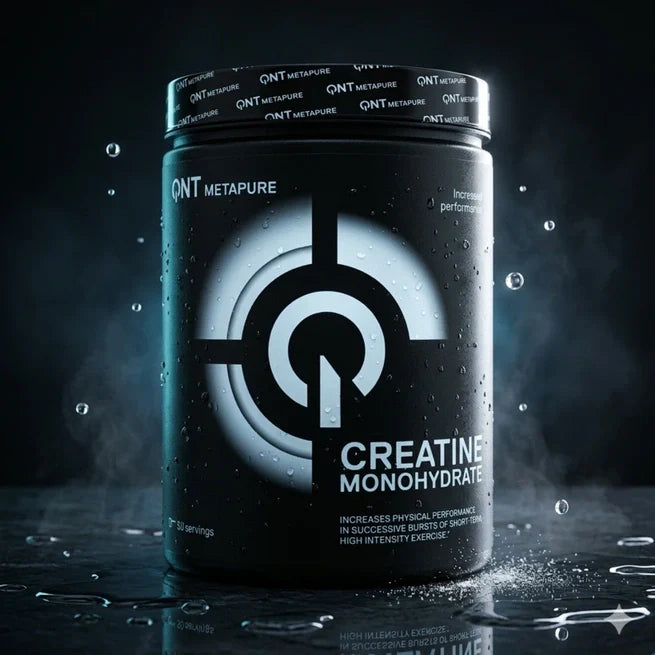
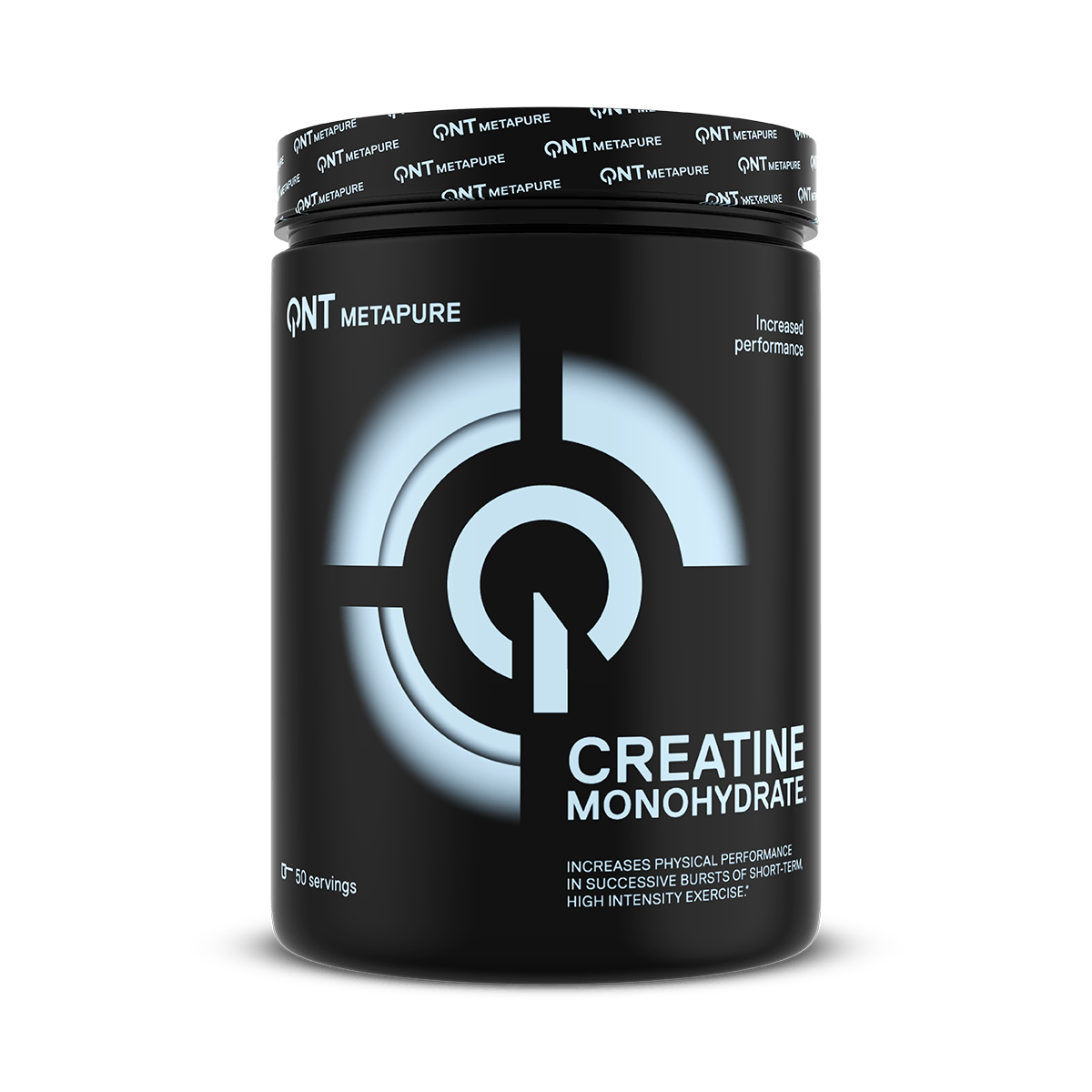
At QNT Sport, we have been formulating our supplements in Belgium since 1992. Our Creatine Monohydrate uses pharmaceutical-grade purity.
Good news: creatine can be taken at any time of day, what matters is consistency. The simplest option is often to add it to your whey shaker after training.
In practice:
- 5 g of QNT Creatine Monohydrate in about 375 ml of lukewarm water, or straight into your protein shaker.
- Shake for a few seconds, until it dissolves well.
- Take it whenever suits you: the main thing is not to forget it.
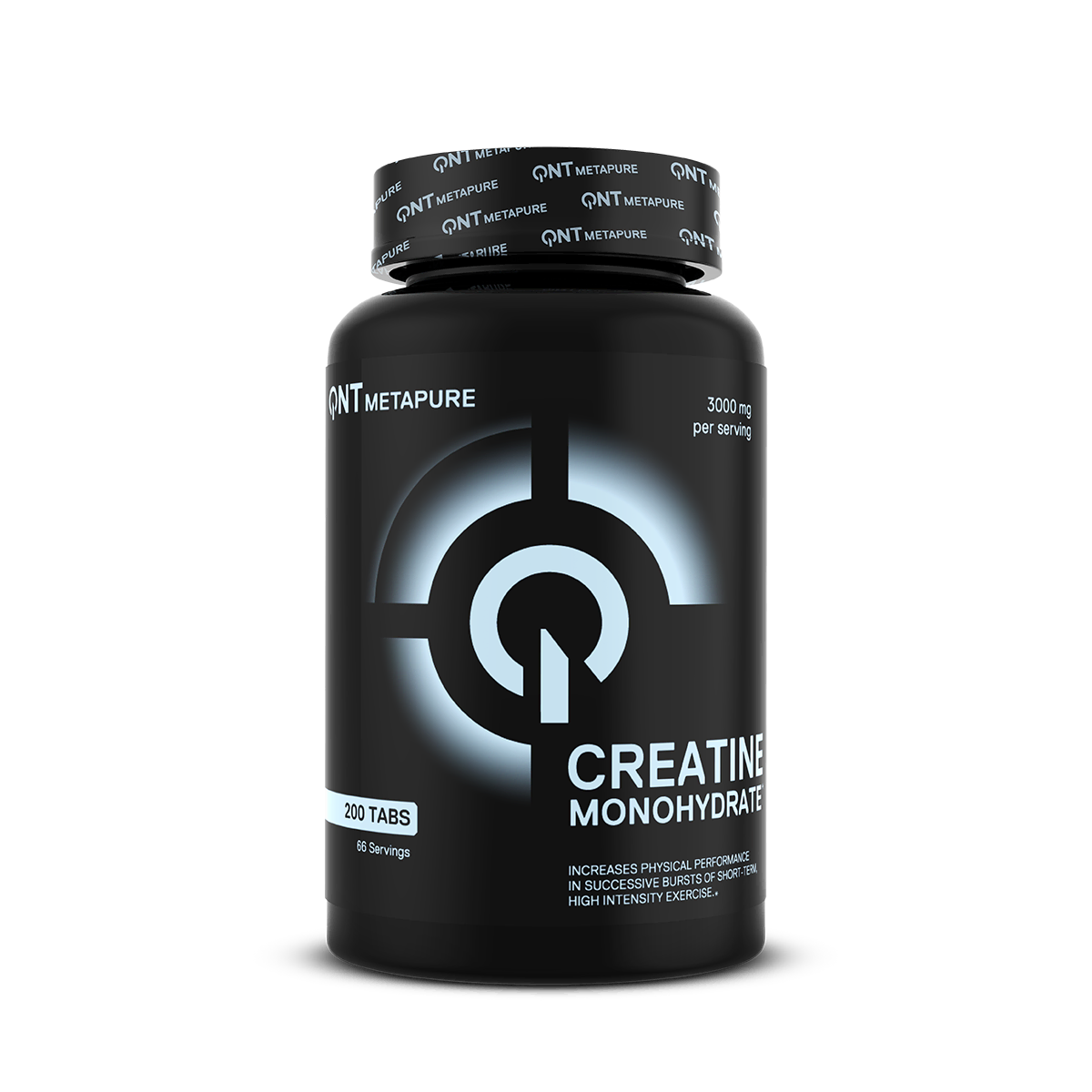
Prefer tablets? Our 3000 mg tablets go down with a large glass of water.
See our 10 tips to maximize creatine and discover our whole creatine range.
Conclusion
You do not need to drink litres of extra water to benefit from creatine: simply stay well hydrated (around 30 to 35 ml/kg), drink more on days of intense effort, and above all take your creatine consistently. That is really all there is to how much water to drink with creatine. Explore our creatine range made in Belgium.
By the QNT Sport team, over 30 years of sports nutrition expertise, Made in Belgium since 1992
Sources
- Buford, T.W. et al. (2007). ISSN position stand: creatine supplementation and exercise. J Int Soc Sports Nutr, 4(1), 6.
- Kreider, R.B. et al. (2017). ISSN position stand: safety and efficacy of creatine supplementation. J Int Soc Sports Nutr, 14, 18.
- Powers, M.E. et al. (2003). Creatine supplementation increases total body water without altering fluid distribution. J Athletic Training, 38(1), 44-50.
- Lopez, R.M. et al. (2009). Does creatine supplementation hinder exercise heat tolerance or hydration status? J Athletic Training, 44(2), 215-223.
- Sawka, M.N. et al. (2007). ACSM position stand: Exercise and fluid replacement. Med Sci Sports Exerc, 39(2), 377-390.
- EFSA (2010). Scientific Opinion on Dietary Reference Values for water. EFSA Journal, 8(3), 1459.
- Examine.com: Creatine. Independent research summary.
Frequently asked questions
How many litres of water per day with creatine?
Does creatine cause dehydration?
Is creatine suitable for everyone?
What are the benefits of creatine?
Read more
 Improve Performance
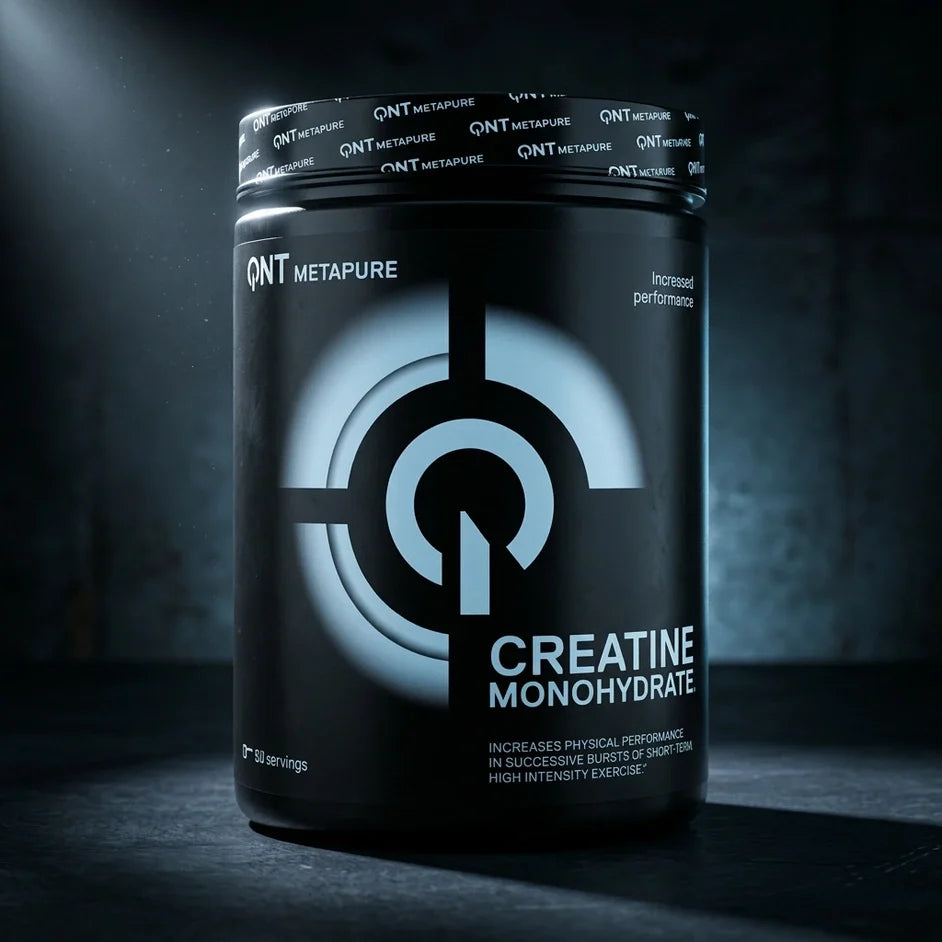
Metapure creatine monohydrate: explosive performance, pure formula
Discover QNT Metapure Creatine Monohydrate: 100% pure, no fillers, Metapure certified. Just 3g per day for explosive performance. Over 30 years of ...
 Improve Performance
Creatine before or after workout? Optimal timing guide
When should you take creatine, before or after your workout? Science-backed timing guide with rest day protocol and absorption tips.
 Improve Performance
Creatine monohydrate: complete guide to boosting your performance
Everything you need to know about creatine monohydrate: effects, dosage, timing and safety. Science-backed guide by QNT Sport, over 30 years of Bel...


