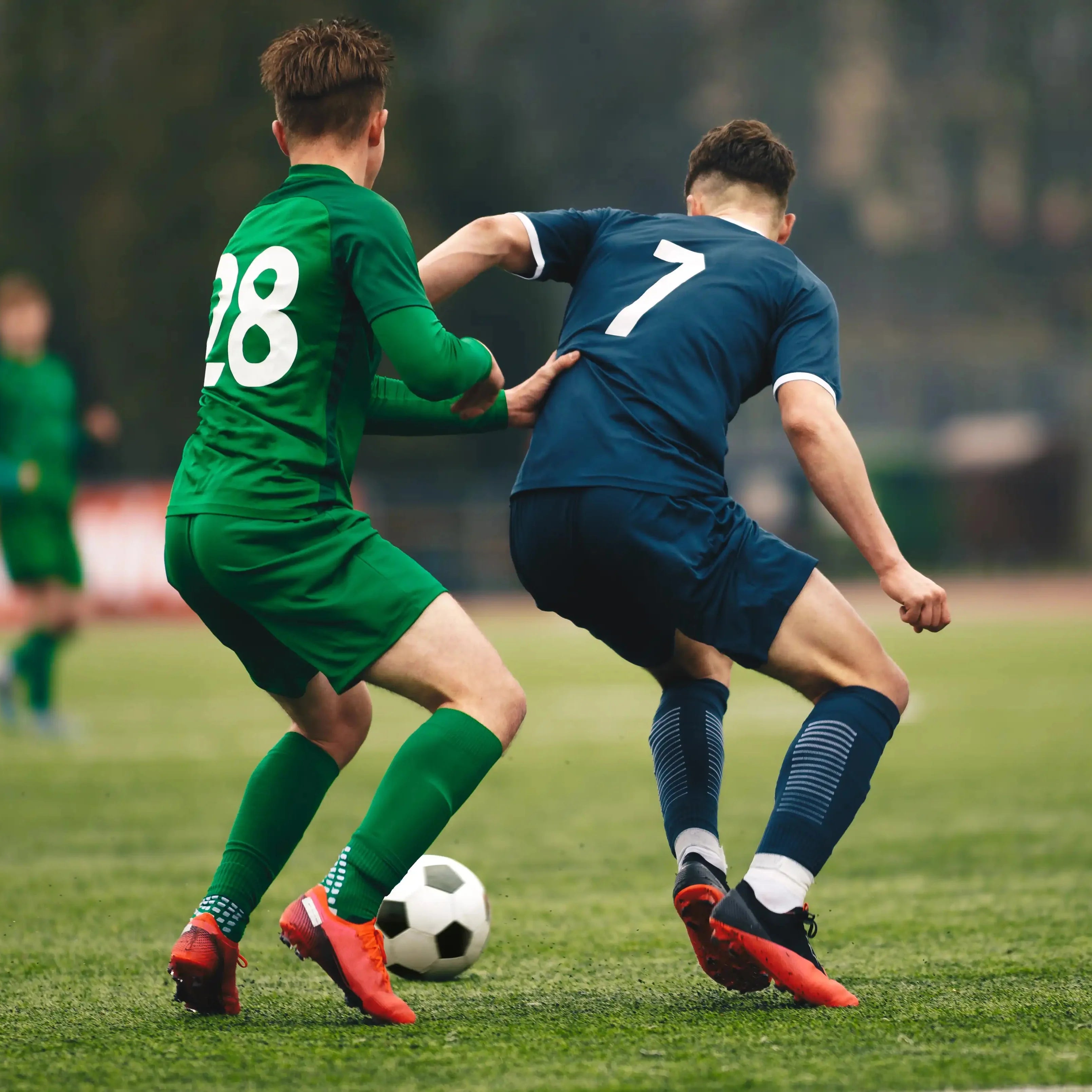






Running nutrition: the complete runner's fueling guide
Table of contents
- Why running is a unique nutritional case
- Before the race: from t-3 days to the start line
- During the race: fueling and hydration
- After the race: 0 to 72h recovery
- The runner's supplement stack
- Female runners: the iron section nobody writes
- Training day vs race day
- The 6 most common running nutrition mistakes
- Example: marathon start at 09:00, nutrition timeline
- Afsca/eu compliance
- Other sports? read our guides
- Sources
Last updated: April 10, 2026
A 10 km run burns 600 to 800 kcal and depletes nearly a third of your muscle glycogen. A marathon burns 2,000 to 3,000 kcal, can dehydrate you by 2 to 4% of body weight, and, from kilometre 30, brings the infamous "wall": the moment your brain switches to survival mode because glycogen is nearly empty. Nutrition isn't a bonus in running. It's the single biggest factor between finishing strong and dropping at the aid station. This guide walks you through the full protocol, 5K to marathon, with a dedicated section on female runners and iron deficiency.

Why running is a unique nutritional case
Unlike team sports like football (see our football nutrition guide for contrast), running is an aerobic-dominant, continuous effort. Your body burns a mix of carbs and fats that shifts with intensity: the faster you run, the more glycogen your muscles demand. Above lactate threshold, fat can't keep up, and every minute widens the carbohydrate debt (Burke et al., 2019).
Endurance research shows that the gut's ability to absorb carbohydrates during exercise is trainable: a trained stomach tolerates 60 to 90 g/h, while an untrained runner often caps out at 30 g/h with GI distress (Jeukendrup, 2014). Coaches call this gut training.
The 4 running-specific constraints
- Limited glycogen: 400 to 500 g total stores, enough for ~90 minutes of sustained effort. Beyond that, you need to fuel while running.
- Hydration & hyponatremia: Sweat losses of 0.5 to 2 L/h, but drinking only water in a marathon can trigger exercise-associated hyponatremia (dangerously low blood sodium). Sodium is the key electrolyte.
- Gastrointestinal distress: 30 to 50% of endurance runners report GI symptoms (nausea, cramps, diarrhea) (Costa et al., 2017). Prevention = rehearsed pre-race meal, reduced fibre at T-1.
- Joint & tendon impact: Each footstrike loads 2 to 3× body weight onto ankles, knees and hips. Connective tissue needs targeted nutritional support.
Before the race: from T-3 days to the start line
Carb loading (T-3 to T-1)
For any race longer than 90 minutes (half, marathon, trail), aim for 8 to 12 g/kg/day of carbohydrate in the 2–3 days before (Burke et al., 2019). This saturates muscle and liver glycogen. For shorter events (5K, 10K), 5–7 g/kg/day is enough.
QNT Carbo Load is designed to top up without overloading your stomach.
T-1: the day before
- Main meal rich in simple, easy-to-digest carbs (pasta, white rice, white bread).
- Cut fibre and fat to minimize gut volume on race morning.
- Steady hydration, no last-minute chugging.
The pre-race meal (T-3h to T-4h)
White rice, pasta, oats, white bread + jam, banana. 1 to 4 g/kg carbs, 10–20 g lean protein, low fibre, low fat. 400–600 ml water. This meal tops up liver glycogen overnight and at wake-up.
30 to 60 minutes before the gun
30 to 60 g of fast-absorbing carbs: banana, energy gel, sports bar. A gel like Energel Quick Boost with 150–200 ml of water, 15–20 minutes before the start, is the time-tested formula.
Caffeine (optional)
3 to 6 mg/kg, 45–60 minutes before the start, improves perceived effort and endurance performance (Guest et al., 2021, ISSN Position Stand). Test in training, never on race day for the first time.
During the race: fueling and hydration

Carbs per hour by distance
| Distance | Duration | Carbs/h | Strategy |
|---|---|---|---|
| 5K | < 25 min | 0 g | Not needed |
| 10K | 40–60 min | 0–30 g | Water + 1 optional mid-race gel |
| Half marathon | 90–120 min | 30–60 g | 1–2 gels + isotonic drink |
| Marathon | 3–5 h | 60–90 g | Gels every 30–45 min + isotonic |
| Ultra (>4 h) | variable | 60–90 g | Gels + solid food + isotonic |
Reference: Jeukendrup, 2014 / Stellingwerff & Cox, 2014.
Hydration: sodium matters more than volume
400 to 800 ml/h of an isotonic drink with 30–60 g carbs and 500–700 mg sodium per litre. That's exactly the profile of QNT Isotonic Powder. In a marathon, never drink water alone: you risk exercise-associated hyponatremia (rare but serious). Drink to thirst, but with sodium.
Preventing GI distress
- Test EVERYTHING in training, never a new gel on race day.
- Train your gut to your target carb load 4 to 6 weeks out.
- Cut fibre the day before and morning of the race.
- Avoid fatty, highly acidic or spicy foods 24 to 48 hours before.
After the race: 0 to 72h recovery
Phase 1: 0 to 30 minutes (glycogen window)
- Carbs: 1 to 1.2 g/kg.
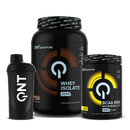
- Protein: 20 to 40 g. Metapure Whey Isolate Zero is the fastest format.
- Rehydration: 1.25 to 1.5× sweat losses, with sodium.
Phase 2: 30 min to 24h
Full meal within 2 hours: starches + protein + vegetables + unsaturated fats. 1.6 to 2.0 g/kg/day protein in 4–5 doses (Jäger et al., 2017). Sleep 8–10 hours for muscle and tendon repair.
Phase 3: 24 to 72h
- Pure Creatine Monohydrate 3–5 g/day, useful in endurance for final kicks and cognition (Kreider et al., 2017).
- Magnesium Sport if you're prone to cramps or sleep is disrupted post-marathon.
- Easy mobility, contrast baths, active walking. Avoid intense training for 72 hours after a marathon.
The runner's supplement stack
| Supplement | Dosage | Timing | Why |
|---|---|---|---|
| Isotonic drink | 30–60 g carbs/h | During | Hydration + energy |
| Energy gel | 30 g carbs | Every 30–45 min from 60 min | Glycogen + central fatigue |
| Carb Load | 8–10 g/kg/day | T-2 to T-1 | Glycogen saturation |
| Whey | 20–40 g | 0–30 min post-run | Muscle repair |
| Creatine | 3–5 g/day | Daily | Final kick, cognition |
| Magnesium | 300–400 mg | Evening | Cramps, sleep |
| BCAA / EAA | 5–10 g | Fasted long runs | Limits catabolism |
| Omega-3 | 2,000–3,000 mg EPA+DHA | Daily | Inflammation modulation |
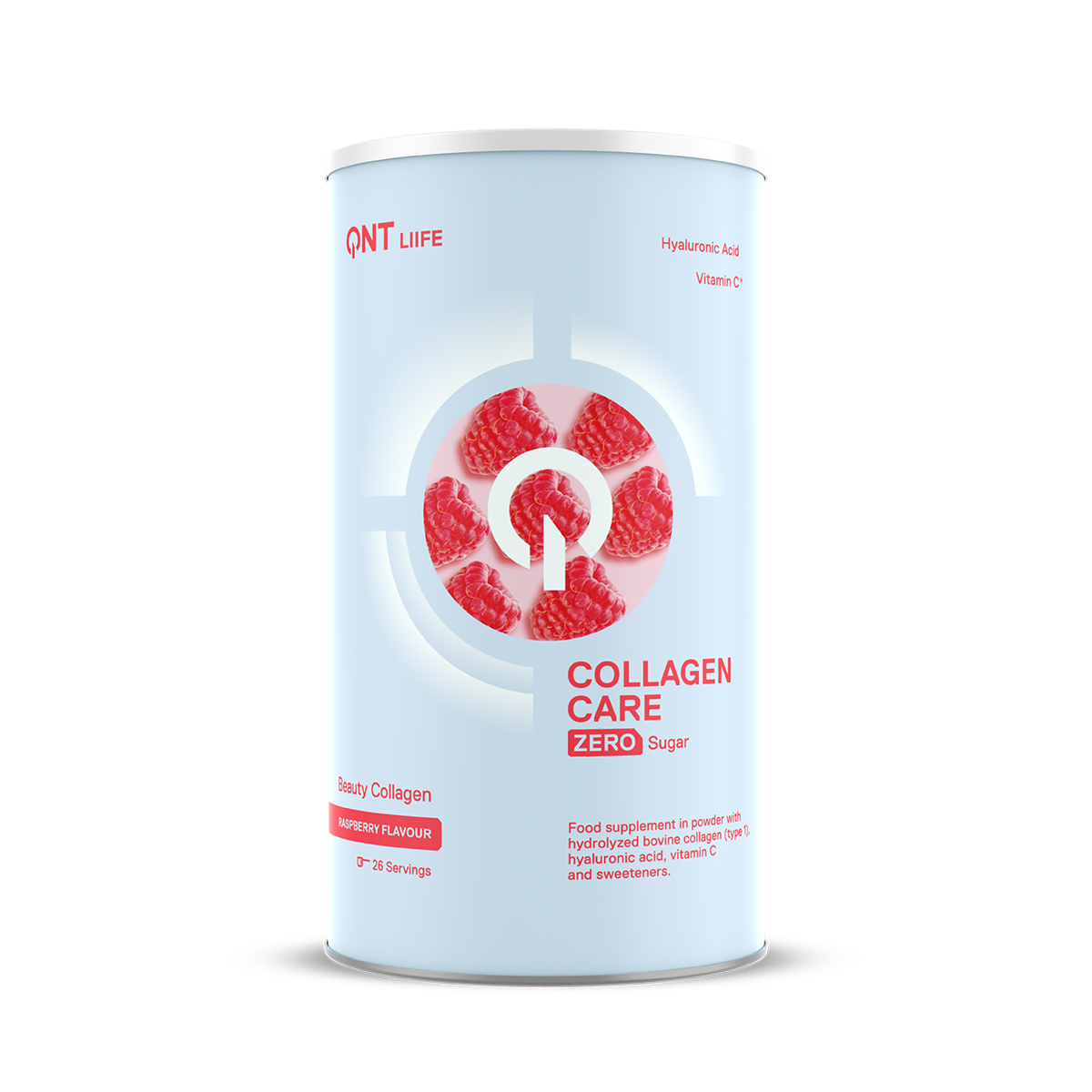
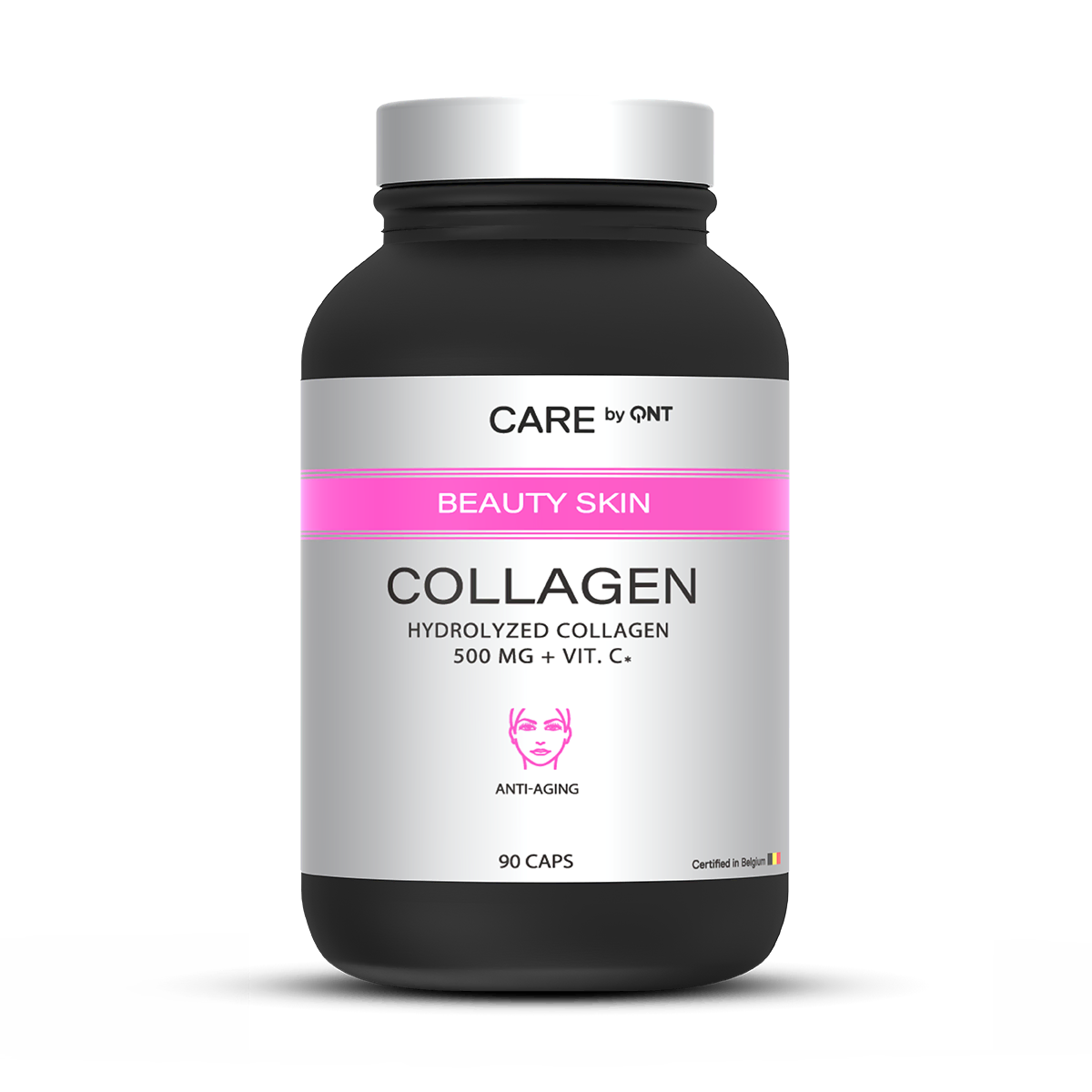
| Collagen + vit. C | 10 g + 50 mg vit. C | 30–60 min before mobility | Tendon/ligament support |
| Caffeine | 3–6 mg/kg | 45–60 min pre-race | Endurance, perceived effort |
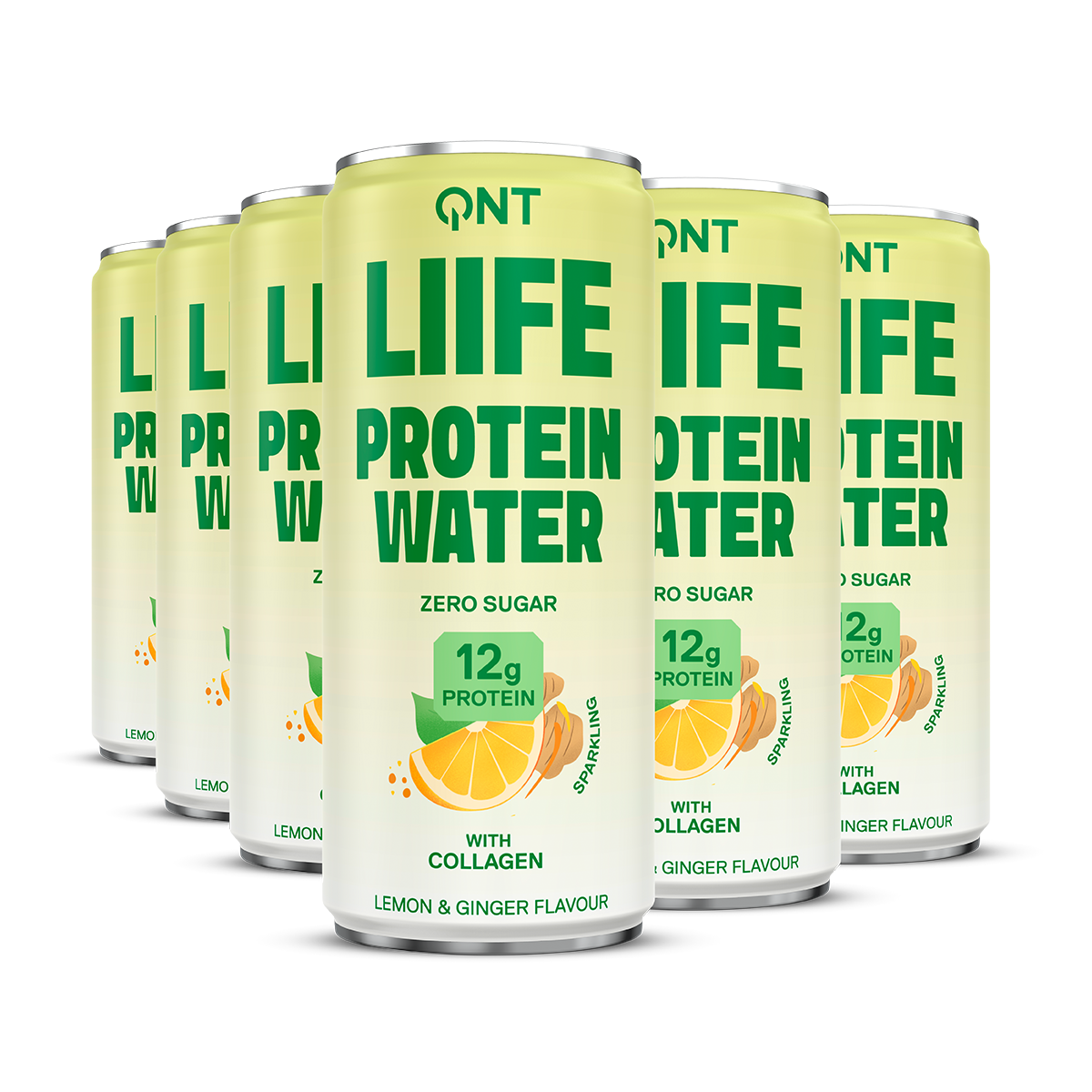
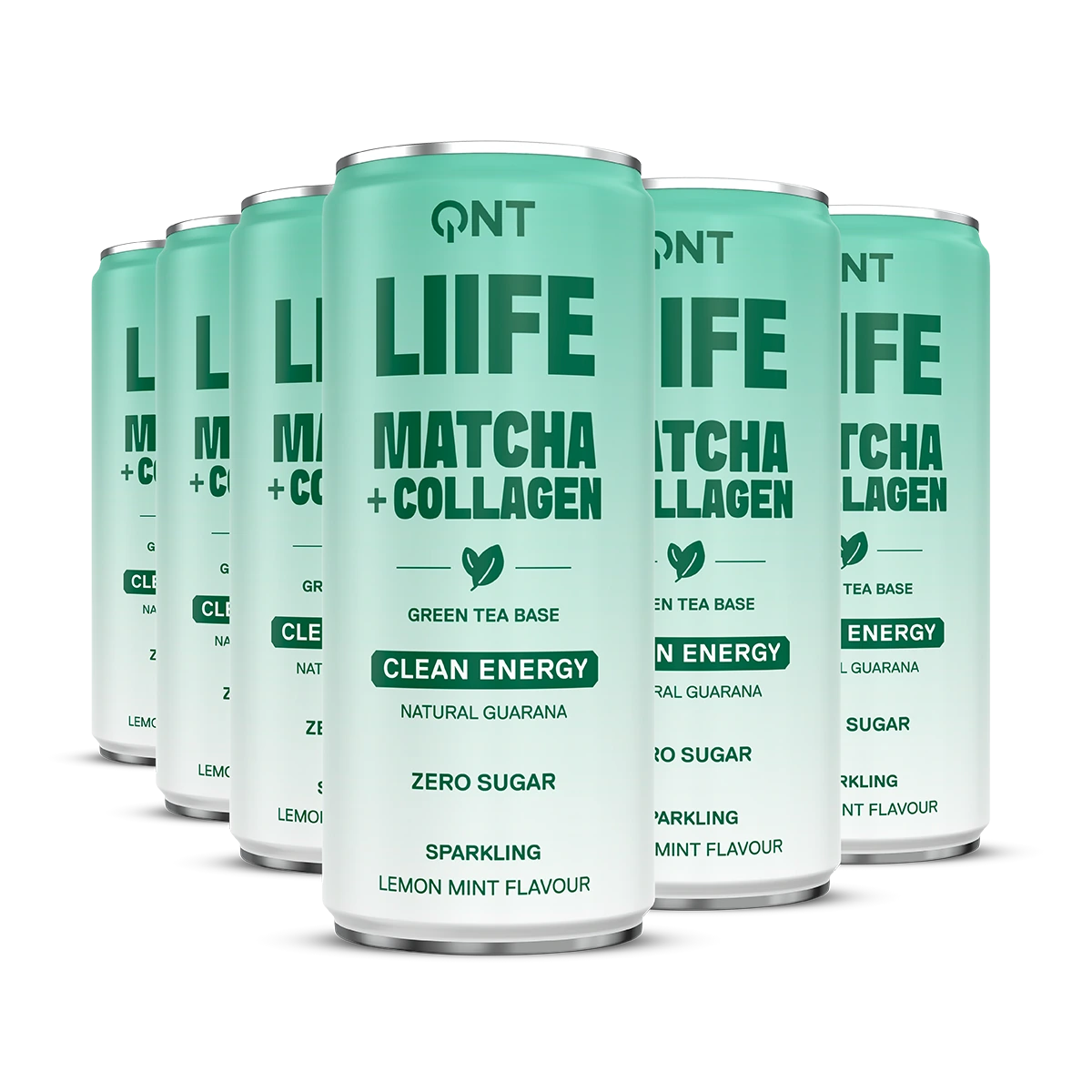
Build the stack with our energy drinks, our collagen range, BCAA 8000 and QNT Omega-3.
Female runners: the iron section nobody writes
Between 15 and 35% of female runners are iron deficient, versus 3 to 11% of male runners (Sim & Garvican-Lewis et al., 2019). This isn't a footnote. Iron is central to hemoglobin, which carries oxygen to working muscles. Less iron = less oxygen = crashing performance, chronic fatigue, unusual breathlessness.
Why female runners are more affected
- Foot-strike hemolysis: Repeated impact destroys a fraction of red blood cells at the sole of the foot.
- Menstrual losses: An additional 0.5 to 1 mg of iron per day on average.
- Post-exercise hepcidin: A hormone spike 3 to 6 hours after a long run that blocks intestinal iron absorption.
- Often insufficient intake: Low-red-meat or vegetarian diets increase risk without careful planning.
Warning signs (discuss with a healthcare professional)
Unusual fatigue, breathlessness above your usual zone, heavy legs, unexplained performance drop, brittle nails, cold extremities. Serum ferritin below 30 µg/L in a female runner, even without overt anemia, warrants medical evaluation and a correction strategy.
Practical strategies (food and supplement framework)
- Heme iron foods (better absorbed): lean red meat, liver, mussels, sardines.
- Non-heme iron + vitamin C: lentils, chickpeas, cooked spinach + lemon juice or peppers.
- Avoid tea/coffee 1–2 h around iron-rich meals (tannins block absorption).
- Training timing: eat an iron-rich meal before training or late evening to avoid the 3–6 h post-exercise hepcidin peak.
- Targeted multivitamin: Multivitamin Women's provides a micronutrient base including iron.
- Isolated iron supplementation: only on medical prescription. Self-medicating long-term with iron is also problematic.
An annual blood panel (ferritin, hemoglobin, transferrin) is a minimal investment for any female runner training 4+ sessions/week.
Training day vs race day
- Rest day: 3–5 g/kg carbs, 1.6–2.0 g/kg protein.
- Easy run: 5–7 g/kg.
- Quality session (intervals, tempo, threshold): 6–8 g/kg; pre-run fuel if long.
- Long run (>90 min): 7–10 g/kg and fuel during.
- Race day: 8–10 g/kg the day before, full race-day protocol.
The 6 most common running nutrition mistakes
- Running fasted every time without reason: occasional OK for easy runs, counter-productive for intensity and long efforts.
- Trying a new gel on race day: GI distress guaranteed.
- Drinking only water in a marathon: risk of exercise-associated hyponatremia.
- Ignoring protein: running breaks down muscle, not just glycogen.
- Ignoring iron status (especially female runners): silent performance killer.
- Carb loading without gut training: bloating and heavy-gut start line.
Example: marathon start at 09:00, nutrition timeline
| Time | Meal / intake |
|---|---|
| T-1 dinner | Pasta + chicken + white bread + jam + 500 ml isotonic |
| 06:00 | Oats + honey + banana + 500 ml water |
| 07:30 | 200 ml sodium water |
| 08:30 | Energel gel + 150 ml water |
| 09:00 | START: isotonic every 20 min |
| 09:30 (km 7) | Gel #2 |
| 10:15 (km 16) | Gel #3 + water |
| 11:00 (km 24) | Gel #4 + isotonic |
| 11:45 (km 33) | Gel #5 (caffeine if tolerated) |
| 12:30 (km 42) | FINISH: 500 ml isotonic + 30 g whey shake + banana |
| 14:00 | Full meal: rice + fish + vegetables + olive oil |
| 22:00 | Magnesium 300 mg + sleep |
AFSCA/EU compliance
QNT formulates its products in Belgium in strict compliance with European Regulation 1924/2006 on nutrition and health claims. This guide is educational and never replaces advice from a doctor or sports dietitian. In case of unusual symptoms (extreme breathlessness, chest pain, loss of consciousness), consult a healthcare professional immediately. A prior blood panel is recommended before any iron supplementation.
Other sports? Read our guides
For intermittent high-intensity team sports, see our football nutrition guide, the complete player's fueling guide. More sport-specific guides coming soon: volleyball, swimming, CrossFit.
Sources
- Burke LM et al. (2019). DOI
- Jeukendrup AE (2014). PubMed
- Stellingwerff T, Cox GR (2014). PubMed
- Costa RJS et al. (2017). PubMed
- Sim M, Garvican-Lewis LA et al. (2019). PubMed
- Thomas DT, Erdman KA, Burke LM (2016). ACSM/DC/AND Position. PubMed
- Jäger R et al. (2017). ISSN Protein. DOI
- Examine.com: Caffeine | Beta-Alanine | Iron
By the QNT Sport team, over 30 years of sports nutrition expertise