






Football nutrition: the complete player's fueling guide
Table of contents
- Why football is a unique nutritional case
- Pre-match nutrition (−3 days to kickoff)
- During the match: hydration and continuous fuel
- Post-match recovery (0 to 72h)
- The football player's supplement stack
- Training day vs match day
- The 6 most common football nutrition mistakes
- Other sports? read our guides
- Sources
Last updated: April 10, 2026
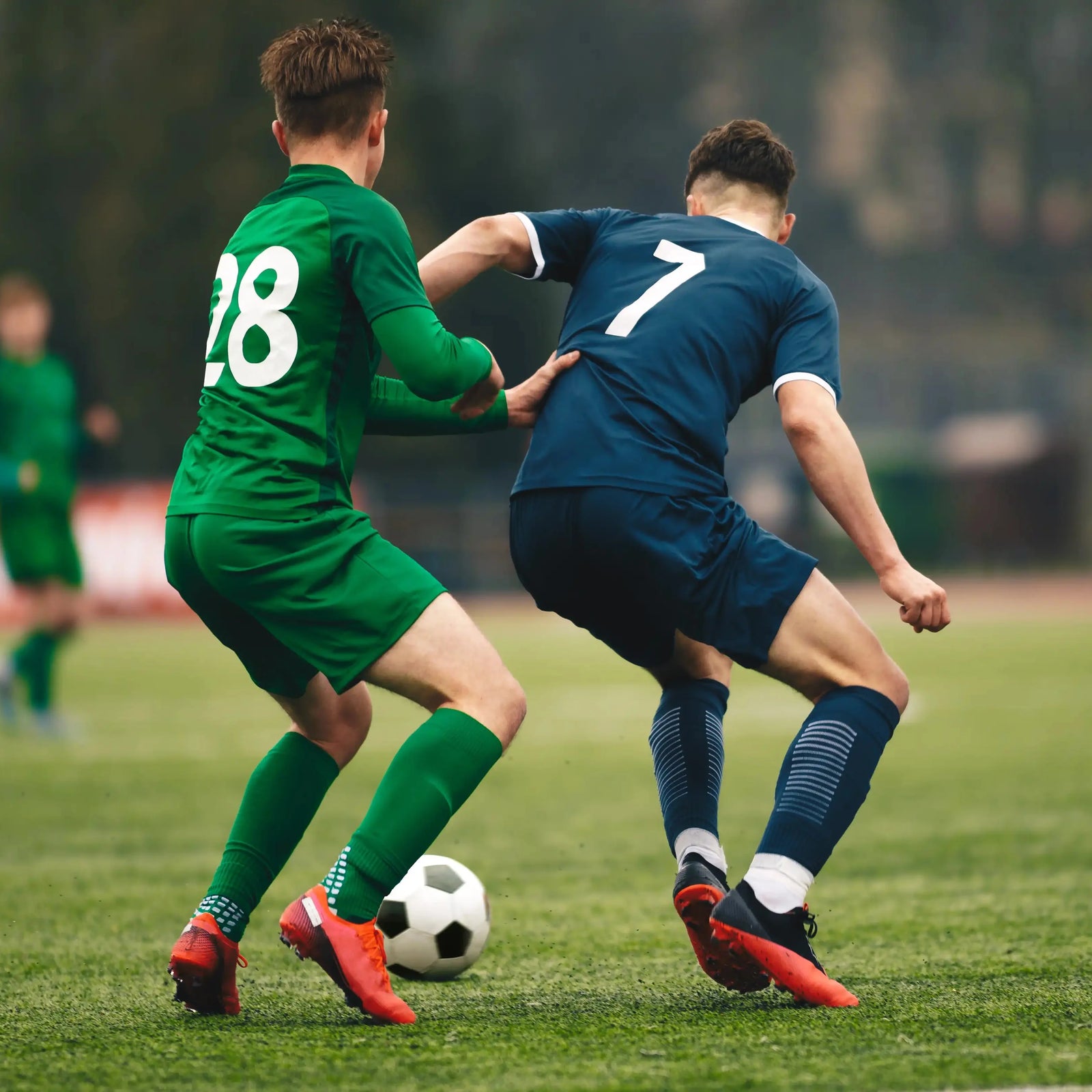
A 90-minute football match is a masterclass in intermittent high-intensity exercise (HIIE): around 20 sprints, 10–13 km covered, 150–250 changes of direction, and constant physical duels. No other team sport combines endurance, power and contact the way football does. Mid-season, when you play two matches in 72 hours, nutrition becomes the single biggest performance lever. This guide gives you the full protocol: before, during, after, and across the week.

Why football is a unique nutritional case
Football is neither purely aerobic nor purely explosive. Studies on professional players show average energy expenditure of 1,100 to 1,500 kcal per match, with wide variability by position, weather and playing level (Anderson et al., 2017).
The real challenge is repeated sprint ability. By the 60th minute, muscle glycogen has dropped 40 to 70%. Players with the lowest glycogen stores sprint less late in the game (Krustrup et al., 2006).
The 4 football-specific constraints
- Muscle glycogen: Drops from half-time, must be rebuilt before the next match.
- Hydration & thermoregulation: 1-3% body mass loss through sweat.
- Cramps & repeated sprints: Electrolyte imbalances, neuromuscular fatigue.
- 72-hour cycle: Tight recovery window between midweek matches.
Pre-match nutrition (−3 days to kickoff)
Days −3 to −1
6 to 8 g/kg/day of carbohydrate in the 2-3 days before a match (Ranchordas et al., 2017).
The −3 to −4 hour meal
Pasta, white rice or potatoes (1-4 g/kg carbs) + lean protein (20-30 g) + cooked vegetables + 500-750 ml water. Avoid fats and fibres.
60 to 90 minutes before kickoff
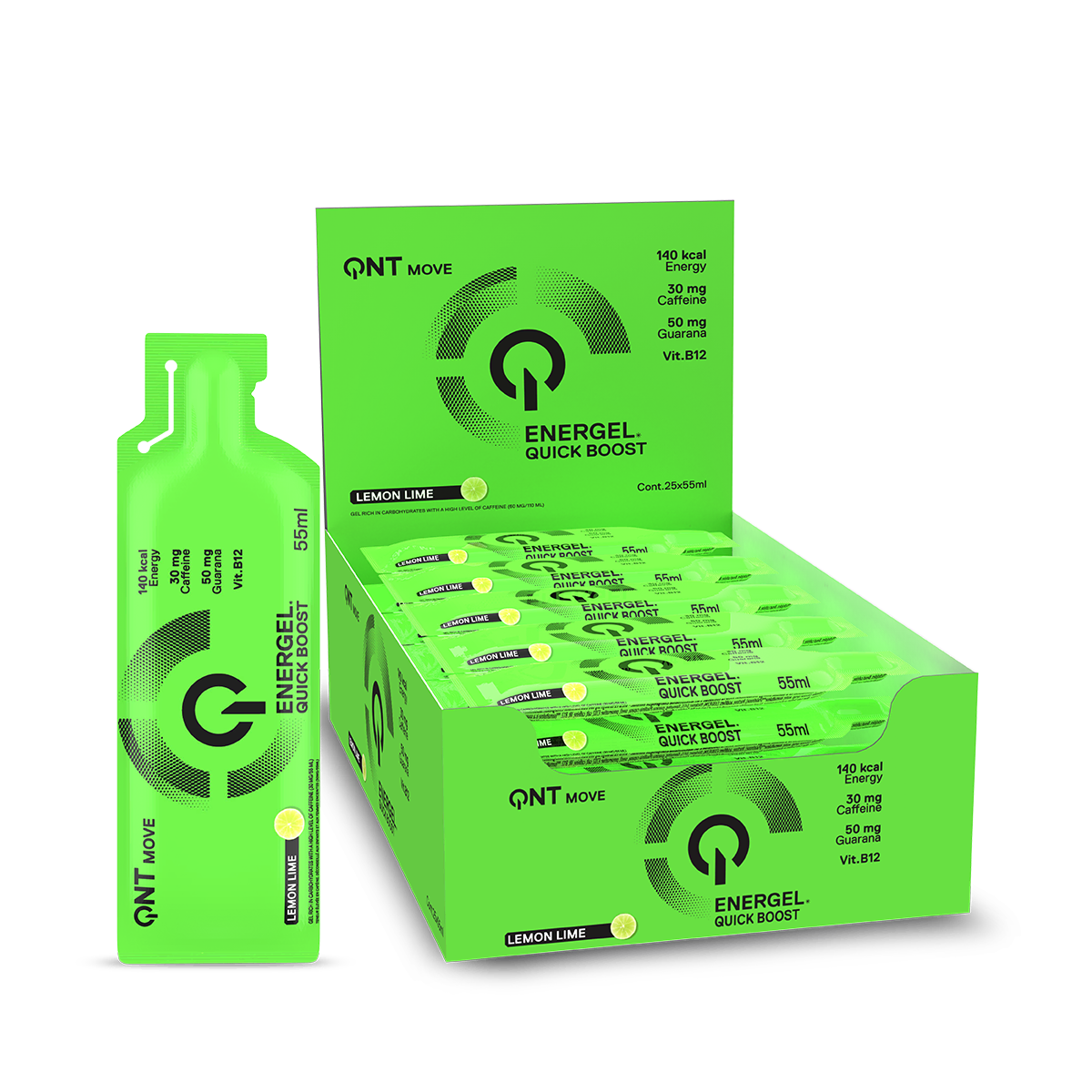
A light, easy-to-digest snack: 30 to 60 g fast-absorbing carbs. Option: a gel like Energel Quick Boost 15-30 min before.
Caffeine
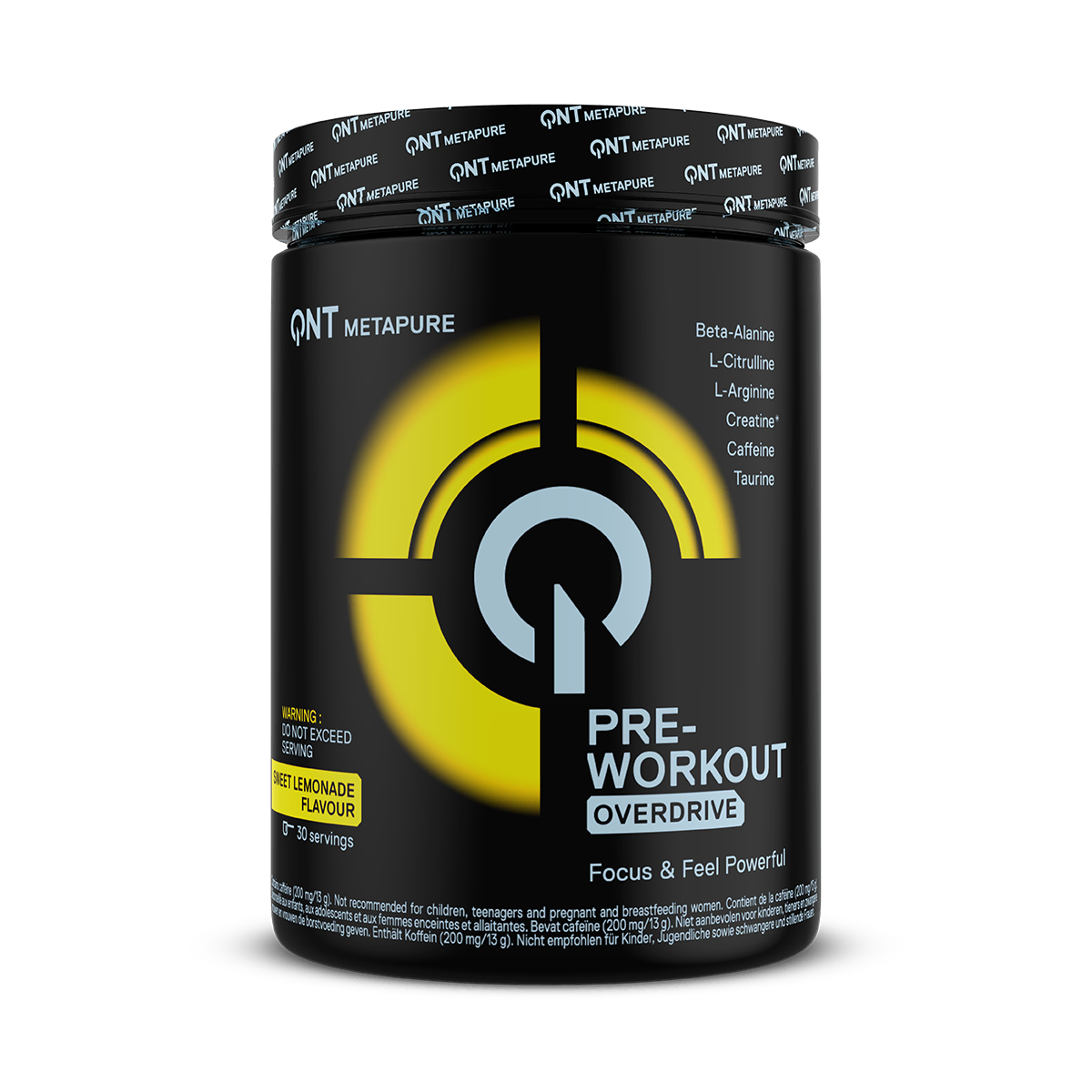
3 to 6 mg/kg, 45-60 min before kickoff, improves alertness and repeated sprint power (Guest et al., 2021, ISSN Position Stand). Trial in training first.
During the match: hydration and continuous fuel

Target
400 to 800 ml/hour of an isotonic drink with 30-60 g carbs/L and 500-700 mg sodium/L. That's exactly what QNT Isotonic Powder delivers.
Drinking windows
Half-time (most important, 300-500 ml), cooling breaks, stoppages, throw-ins. A gel at minute 30 and 75 can maintain performance.
Post-match recovery (0 to 72h)
Phase 1: 0 to 30 minutes
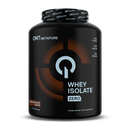
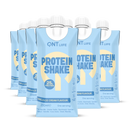
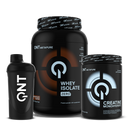
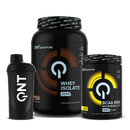
Carbs 1-1.2 g/kg, protein 20-40 g (Metapure Whey Isolate Zero), rehydration with sodium at 1.25-1.5× losses.
Phase 2: 30 min to 24h
Full meal within 2h. 1.6 to 2.0 g/kg/day protein in 4 doses (Jäger et al., 2017). Sleep 8-10h.
Phase 3: 24 to 72h
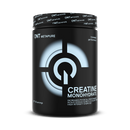
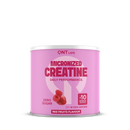
Pure Creatine Monohydrate 3-5 g/day year-round to restore phosphocreatine. Magnesium Sport for cramp-prone players.
The football player's supplement stack
| Supplement | Dosage | Timing | Why |
|---|---|---|---|
| Creatine monohydrate | 3–5 g/day | Daily | Sprint power, phosphocreatine |
| Caffeine | 3–6 mg/kg | 45–60 min pre-match | Alertness, sprints |
| Isotonic drink | 30–60 g carbs/h | During | Hydration + glycogen |
| Whey protein | 20–40 g | 0–30 min post-match | Muscle repair |
| Magnesium | 300–400 mg | Evening | Cramps, sleep |
| BCAA / EAA | 5–10 g | Optional | Fasted training |
Build the stack with our creatine, our BCAAs and our energy drinks.
Training day vs match day
Rest: 3-5 g/kg carbs. Light session: 5-7 g/kg. Intense session: 6-8 g/kg. Match day: 7-10 g/kg. Protein constant at 1.6-2.0 g/kg/day.
The 6 most common football nutrition mistakes
- Skipping breakfast on match day.
- Drinking only water during the match.
- Eating heavy 90 minutes before kickoff.
- Neglecting immediate recovery.
- Underestimating protein.
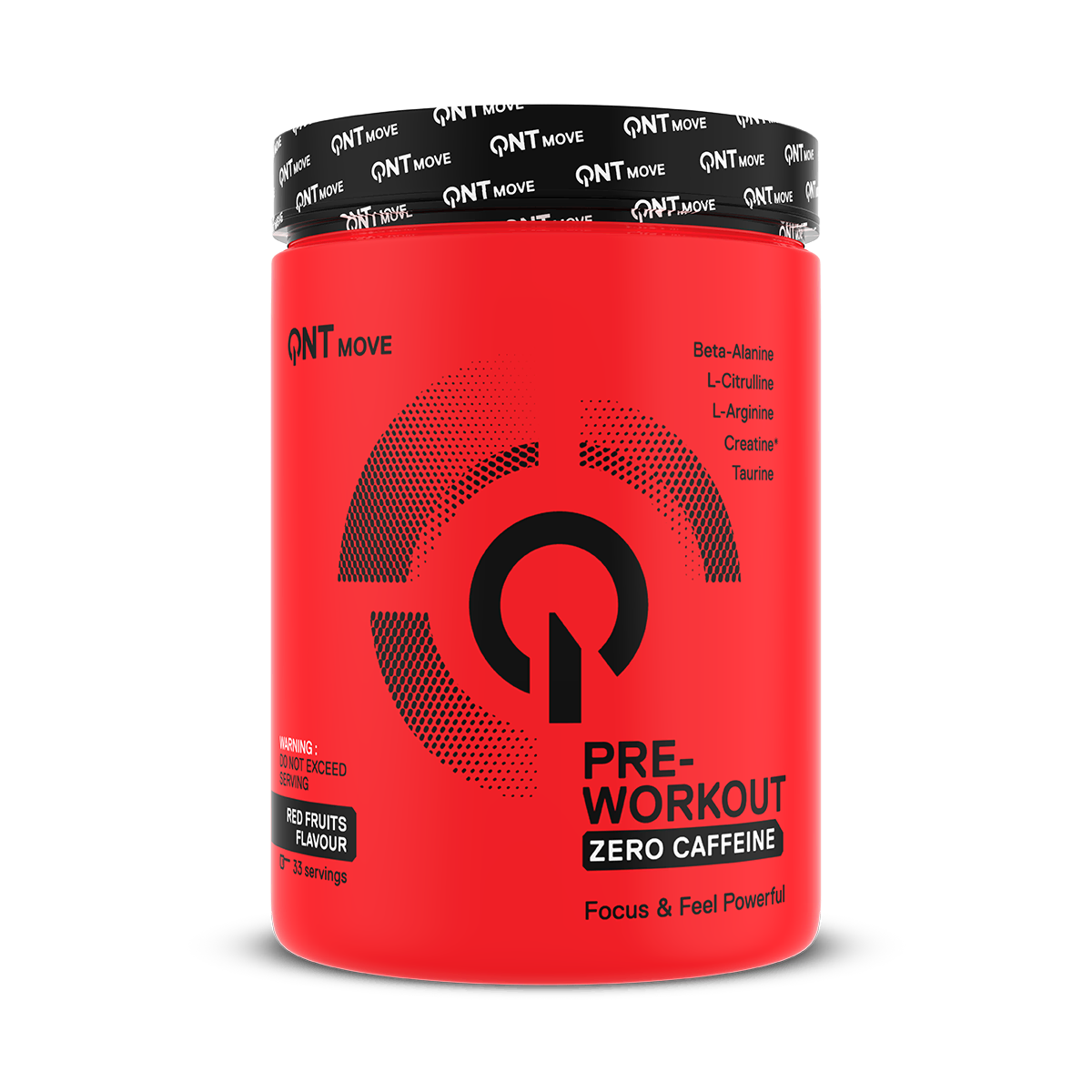
- Using unknown pre-workouts.
Other sports? Read our guides
Also a runner? Read our running nutrition guide: the complete fueling protocol from 5K to marathon, including a dedicated section on female runners and iron deficiency. More sport-specific guides coming soon: volleyball, swimming, CrossFit.
Sources
- Ranchordas et al. (2017). PubMed
- Anderson et al. (2017). PubMed
- Krustrup et al. (2006). PubMed
- Jäger et al. (2017). ISSN Protein. DOI
- Guest et al. (2021). ISSN Caffeine. PubMed
- Kreider et al. (2017). ISSN Creatine. DOI
- Examine.com: Creatine | Caffeine
By the QNT Sport team, over 30 years of sports nutrition expertise

Frequently asked questions
What should you eat before a football match?
How many carbs should a footballer eat per day?
Which supplements help recovery after a football match?
Is creatine useful for footballers?
How can you prevent cramps during a football match?
Should you take caffeine before a football match?
Keep reading
 Improve Performance
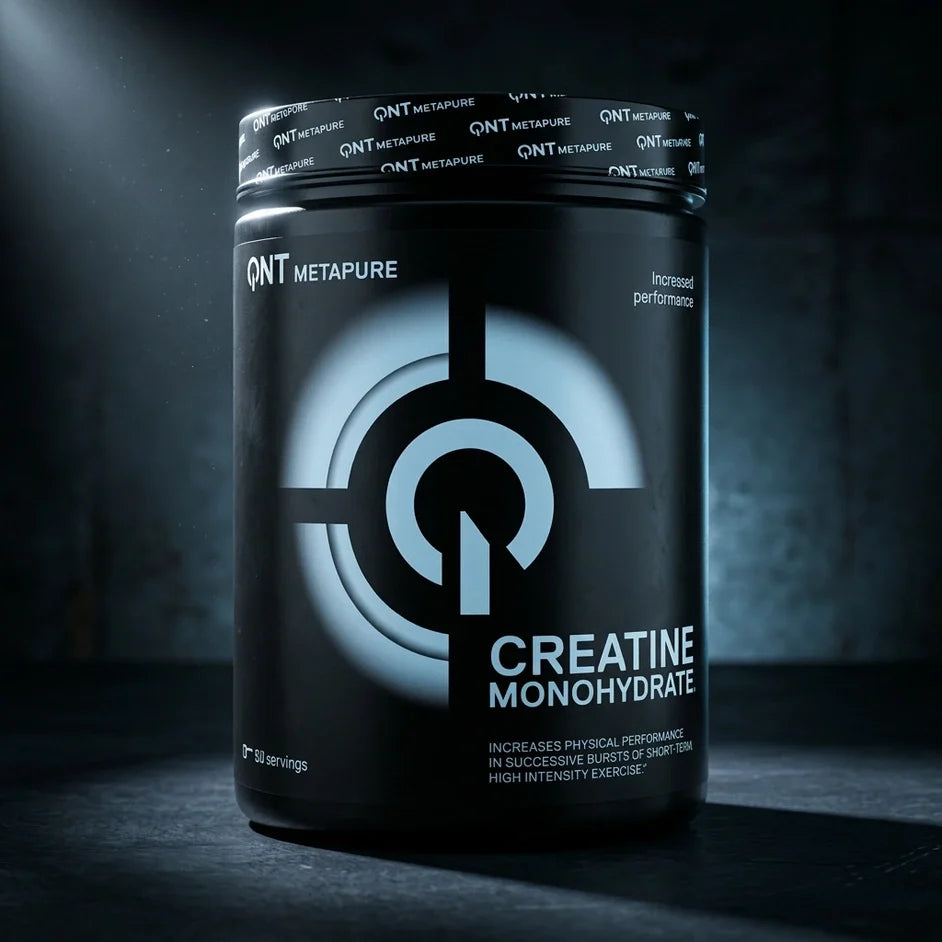
Metapure creatine monohydrate: explosive performance, pure formula
Discover QNT Metapure Creatine Monohydrate: 100% pure, no fillers, Metapure certified. Just 3g per day for explosive performance. Over 30 years of ...

BCAA benefits, dosage and timing for muscle recovery
What do BCAAs actually do? Studies, dosage, optimal timing and real use-cases for muscle recovery. Expert guide by QNT Sport, 30+ years of expertise.


