








Superset workout: the complete guide to building muscle and saving time
Table of Content
Last updated: April 8, 2026
Spending over an hour at the gym and feeling like you're going nowhere? You're not alone. Most gym-goers waste precious time between sets. Supersets change the game. This training technique, backed by scientific research, can cut your workout time by 40% while maintaining, or even increasing, your muscle gains. Here's how to use them smartly.

What is a superset?
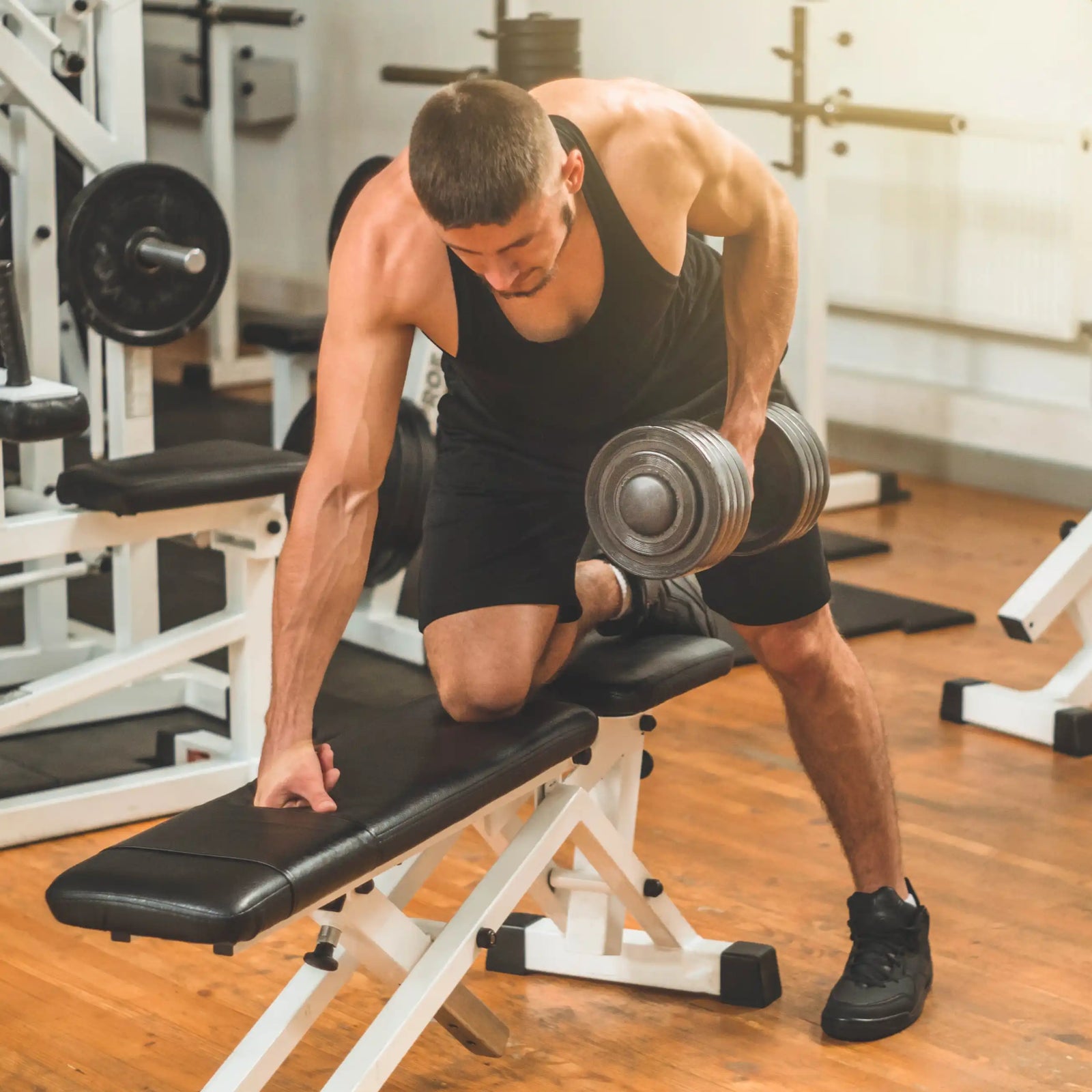
A superset involves performing two exercises back to back, with no rest between them. You complete a full set of the first exercise, then immediately move to the second. You only rest after finishing both exercises.
Unlike traditional sets where you wait 60-120 seconds between each set, a superset uses that "dead time" productively. While one muscle works, the other recovers.
Recent research has confirmed its effectiveness for hypertrophy and performance (Weakley et al., 2017).
Types of supersets
Antagonist superset
You pair two exercises targeting opposing muscles: biceps/triceps, chest/back, quads/hamstrings.
Why it works: while one muscle works, its antagonist actively recovers. Paz et al. (2017) showed that antagonist supersets maintain the same force output and volume as traditional sets while significantly reducing training time (Paz et al., 2017).
Examples: Bench press + barbell row, Bicep curl + tricep extension, Leg extension + leg curl
Agonist superset (compound set)
You pair two exercises for the same muscle group. More intense and fatiguing than an antagonist superset.
Why it works: accumulated fatigue creates greater metabolic stress, a recognized driver of muscle hypertrophy.
Examples: Bench press + dumbbell fly (chest), Squat + lunges (quads), Barbell row + lat pulldown (back)
Non-competing superset
You combine two exercises for completely unrelated muscle groups. The goal is purely time management.
Examples: Squat + lateral raises, Leg press + bicep curl, Romanian deadlift + overhead press

Science-backed benefits of supersets
Save 30-40% of your workout time
A meta-analysis by Weakley et al. (2017) concluded that supersets reduce training duration by 33-40% without compromising total volume (Weakley et al., 2017).
Comparable or superior hypertrophy
Kelleher et al. (2010) demonstrated that superset protocols generate a higher metabolic response (Kelleher et al., 2010).
Cardiovascular effect
Supersets keep your heart rate elevated. Studies suggest a 30-35% increase in caloric expenditure compared to traditional sets.
Increased metabolic stress
Metabolic stress is one of the three main mechanisms of muscle hypertrophy (Schoenfeld, 2010). Supersets naturally amplify this mechanism.
How to structure a superset session
| Parameter | Recommendation |
|---|---|
| Sets per superset | 3-4 |
| Reps per exercise | 8-12 (hypertrophy) / 6-8 (strength) |
| Rest between 2 exercises | 0-15 seconds (transition only) |
| Rest between supersets | 60-120 seconds |
| Supersets per session | 4-6 |
| Total duration | 35-50 minutes |
Practical tips: Set up your station before starting. Lead with compound movement. Adjust loads (-10-15%). Progress gradually.
3 complete superset programs
Program 1: Antagonist, upper body (45 min)
| Superset | Exercise A | Exercise B | Sets × Reps | Rest |
|---|---|---|---|---|
| 1 | Barbell bench press | Barbell row | 4 × 8-10 | 90 sec |
| 2 | Incline dumbbell press | Wide-grip lat pulldown | 3 × 10-12 | 75 sec |
| 3 | Dumbbell bicep curl | Cable tricep extension | 3 × 10-12 | 60 sec |
| 4 | Hammer curl | Parallel bar dips | 3 × 10-12 | 60 sec |
| 5 | Lateral raises | Face pull | 3 × 12-15 | 60 sec |
Program 2: Agonist, chest/back (40 min)
| Superset | Exercise A | Exercise B | Sets × Reps | Rest |
|---|---|---|---|---|
| 1 | Barbell bench press | Dumbbell fly | 4 × 8-10 | 90 sec |
| 2 | Incline press | Dumbbell pullover | 3 × 10-12 | 75 sec |
| 3 | Barbell row | Close-grip seated row | 4 × 8-10 | 90 sec |
| 4 | Lat pulldown | Cable pullover | 3 × 10-12 | 75 sec |
Program 3: Full-body non-competing (50 min)
| Superset | Exercise A (lower) | Exercise B (upper) | Sets × Reps | Rest |
|---|---|---|---|---|
| 1 | Barbell squat | Overhead press | 4 × 8-10 | 90 sec |
| 2 | Romanian deadlift | Barbell row | 4 × 8-10 | 90 sec |
| 3 | Leg press | Lat pulldown | 3 × 10-12 | 75 sec |
| 4 | Walking lunges | Bicep curl + tricep ext. | 3 × 10-12 | 60 sec |
| 5 | Standing calf raises | Lateral raises | 3 × 12-15 | 60 sec |
Nutrition and supplements for superset workouts
Supersets are more metabolically demanding. Your body needs appropriate fuel and recovery support.
Before training (30-45 min before)
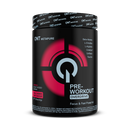
A pre-workout like Metapure Pre-Workout can support intensity. Caffeine (3-6 mg/kg) improves high-intensity performance (Goldstein et al., 2010). Beta-alanine supports 1-4 minute efforts (Trexler et al., 2015). See our beta-alanine guide.
During training
Stay hydrated. For sessions over 60 minutes, BCAA 8500 can support energy.
Creatine
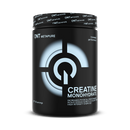
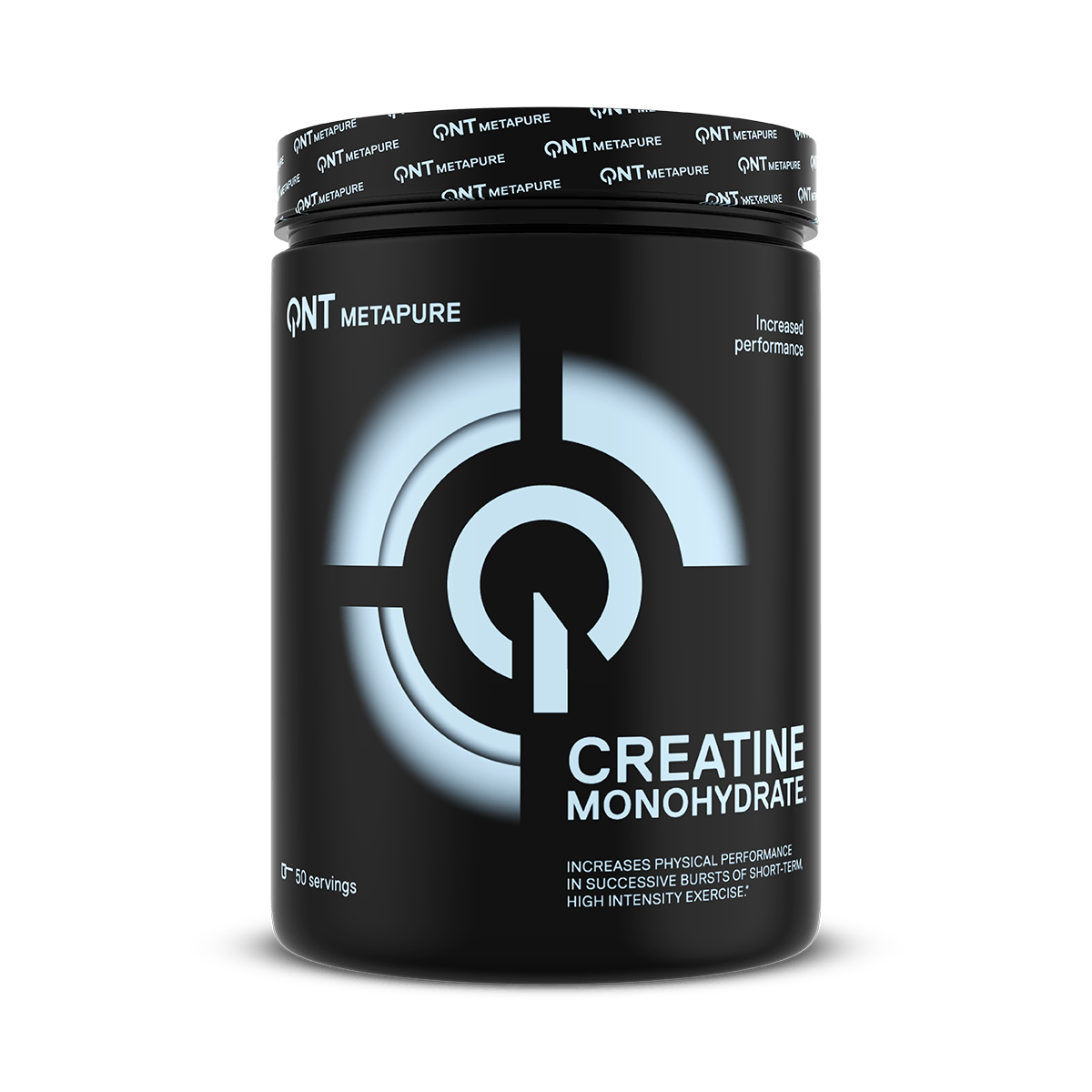
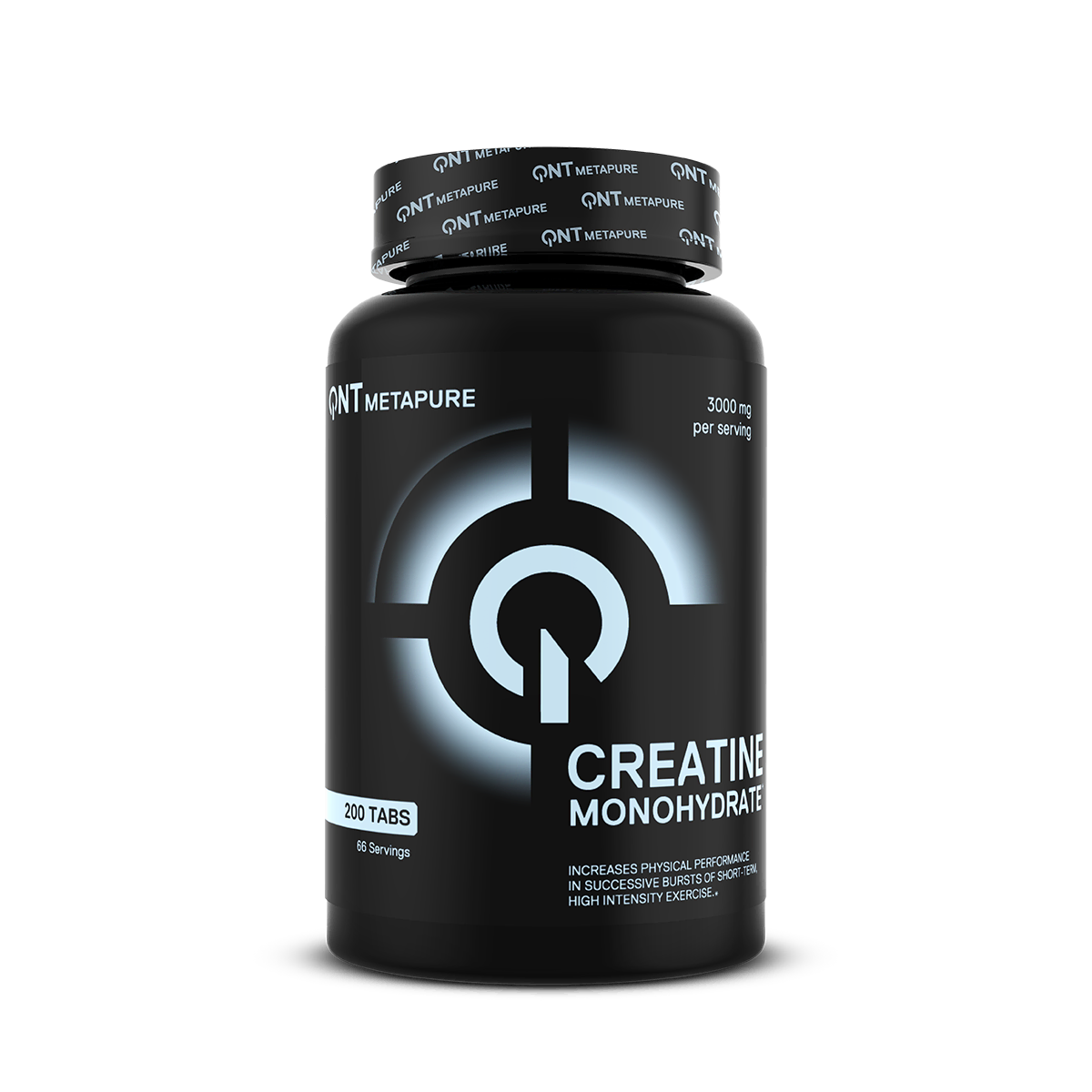
QNT Creatine Monohydrate (3-5 g/day) may help maintain power (Kreider et al., 2017). See our creatine guide.
After training (within 30-60 min)
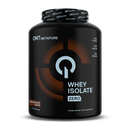
QNT Metapure Whey Isolate Zero provides complete amino acids. 1.4-2.0 g protein/kg/day is optimal (Jäger et al., 2017). Learn when to take your whey.
Common mistakes to avoid
- Overloading weights: reduce loads by 10-15% and focus on execution quality.
- Neglecting form: if form breaks down, reduce weight or stop.
- Too many agonist supersets: limit to 1-2 compound sets per session.
- Ignoring recovery: 7-9 hours sleep, proper nutrition, rest days.
- Not preparing your space: set up all equipment before starting.

Supersets vs. other intensity techniques
| Technique | Principle | Best for | Time savings |
|---|---|---|---|
| Superset | 2 exercises back to back | Time-saving + hypertrophy | ⭐⭐⭐ |
| Rest-pause | Short pause (10-15 s) within a set | Maximum strength | ⭐⭐ |
| Drop set | Reduce weight without rest | Pump + muscular endurance | ⭐⭐ |
| Cluster set | Intra-set micro-rest | Strength + power | ⭐⭐ |
Combine supersets with carb cycling to optimize body composition.
Sources
- Weakley et al. (2017). EJAP. DOI
- Paz et al. (2017). JSCR. DOI
- Kelleher et al. (2010). JSCR. DOI
- Kreider et al. (2017). ISSN Creatine. DOI
- Goldstein et al. (2010). ISSN Caffeine. DOI
- Trexler et al. (2015). ISSN Beta-Alanine. DOI
- Jäger et al. (2017). ISSN Protein. DOI
- Examine.com : Creatine | Beta-Alanine | Caffeine
By the QNT Sport team: over 30 years of sports nutrition expertise
FAQ
What is a superset in strength training?
What is the best type of superset for building muscle?
How long should you rest between supersets?
Are supersets effective for muscle gain?
Can you do supersets every day?
What is the difference between a superset and a drop set?
Read more
 Improve Performance
Creatine monohydrate: complete guide to boosting your performance
Everything you need to know about creatine monohydrate: effects, dosage, timing and safety. Science-backed guide by QNT Sport, 35 years of Belgian ...
 Training
Carb cycling: the complete guide to losing fat and keeping muscle
Carb cycling helps you lose fat while preserving muscle. Discover the science, a 7-day plan, ideal macros and the best supplements. Expert guide by...


