




Supplements for mental performance: 7 science-backed options for athletes
Table des matières
By the QNT Sport team
Last updated: 19 May 2026
You train your body with method. But do you train your brain with the same rigour? In a controlled trial published in the Journal of Applied Physiology, athletes put through a mentally fatiguing cognitive task reached exhaustion roughly 15% sooner on a cycling endurance test, with no drop in their muscular or cardiorespiratory capacity (Marcora et al., 2009). In other words: their body could still go, but their brain said stop. Slower decisions, focus crumbling mid-effort, a rising sense of exertion: mental fatigue is one of the most overlooked levers of performance. The good news is that some supplements can help support your cognitive functions. After more than 30 years of expertise in sports nutrition, QNT lays out what the science actually says, without overblown promises.
⚕️ Medical disclaimer
This article is for information only. It does not replace the advice of a healthcare professional. Before any supplementation, talk to your doctor, especially if you take medication, if you have sleep problems, anxiety or a chronic condition, or if you are pregnant or breastfeeding. Caffeine and some active ingredients can interact with medicines. Self-medication is discouraged.
Why mental performance is a pillar for athletes

Mental performance is not just for chess players. Every athlete, from the distance runner to the CrossFit practitioner, depends on the brain to make fast decisions, hold technique under fatigue and resist the urge to quit. The work of Marcora and those who followed has shown that cognitive fatigue raises the perception of effort: at the same intensity, exercise "feels" harder, and the athlete stops sooner, even though the muscles could keep going.
The brain-performance link
Your brain weighs only about 2% of your body weight but uses close to 20% of your energy at rest. During effort it also has to coordinate movement, process sensory information, regulate pain and constantly arbitrate between "push" and "preserve". When the resources that support this work (essential fatty acids, magnesium, B vitamins, glucose, sleep) start to run short, the whole performance chain suffers. That is why brain nutrition is not a side topic: it is an integral part of sports nutrition.
The 7 supplements science supports

1. Omega-3 (DHA): the architect of neuronal membranes
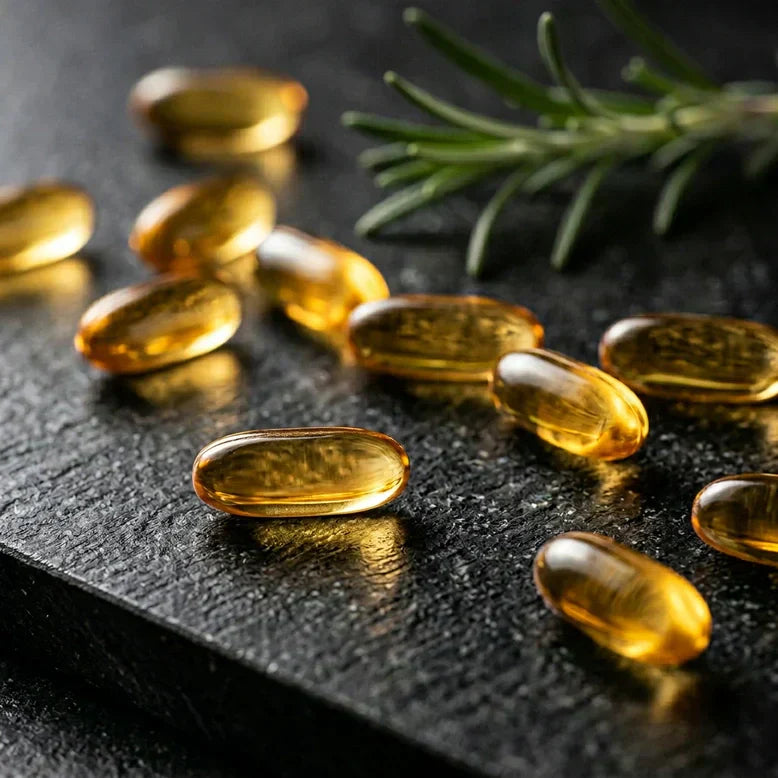
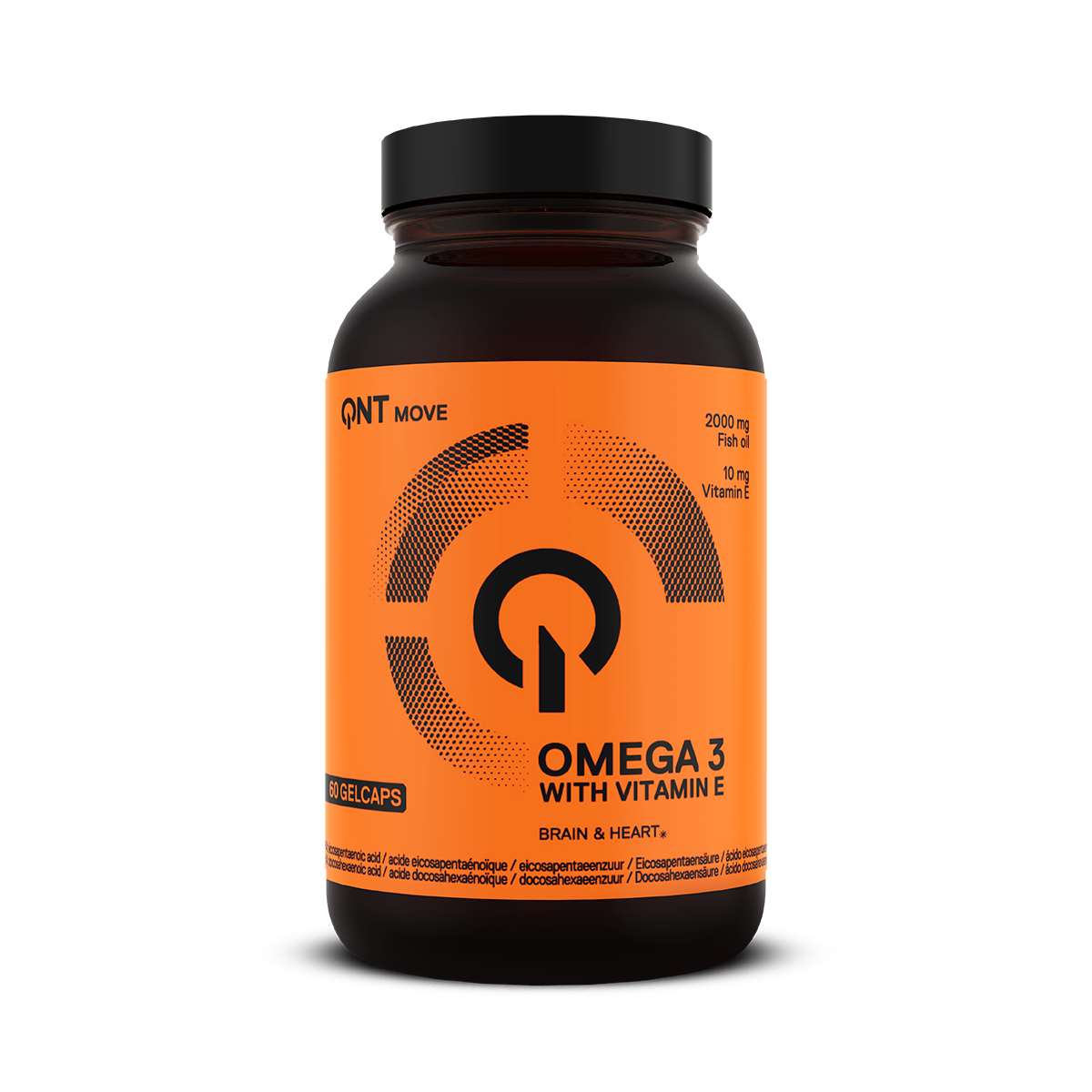
DHA, an omega-3 fatty acid, makes up a large share of the brain's fatty acids and is a structural component of neuronal membranes, indispensable for the transmission of nerve signals. For athletes the interest is twofold: a review dedicated to omega-3 applications in sport concludes they may help modulate exercise-induced inflammation and support recovery (Philpott et al., 2019). A brain less exposed to inflammatory stress recovers better between demanding sessions. Commonly studied dosage : 1,000 to 2,000 mg/day of omega-3, with at least 250 mg of DHA. When : with a meal containing fats, for better absorption. To go further on this nutrient, see our guide to omega-3 for athletes.
2. Creatine: not just for muscles
The brain, like muscle, uses the phosphocreatine system to rapidly regenerate ATP, its energy currency. A systematic review of controlled trials in healthy individuals suggests creatine can support short-term memory and reasoning, with a clearer effect when the brain is under strain, for example during sleep deprivation (Avgerinos et al., 2018). That makes it a relevant asset for the athlete during competition or high training load. Creatine monohydrate is also the most studied sports supplement: the International Society of Sports Nutrition position stand notes that hundreds of studies confirm its safety in healthy adults at usual doses (Kreider et al., 2017). Dosage : 3 to 5 g/day, continuously. QNT recommendation : Creatine Monohydrate QNT or our full creatine range. Further reading: our creatine monohydrate guide and our advice on hydration and creatine. Independent reference: Examine.com on creatine.
3. Vitamins B6, B9 and B12: the fuel for neurotransmission
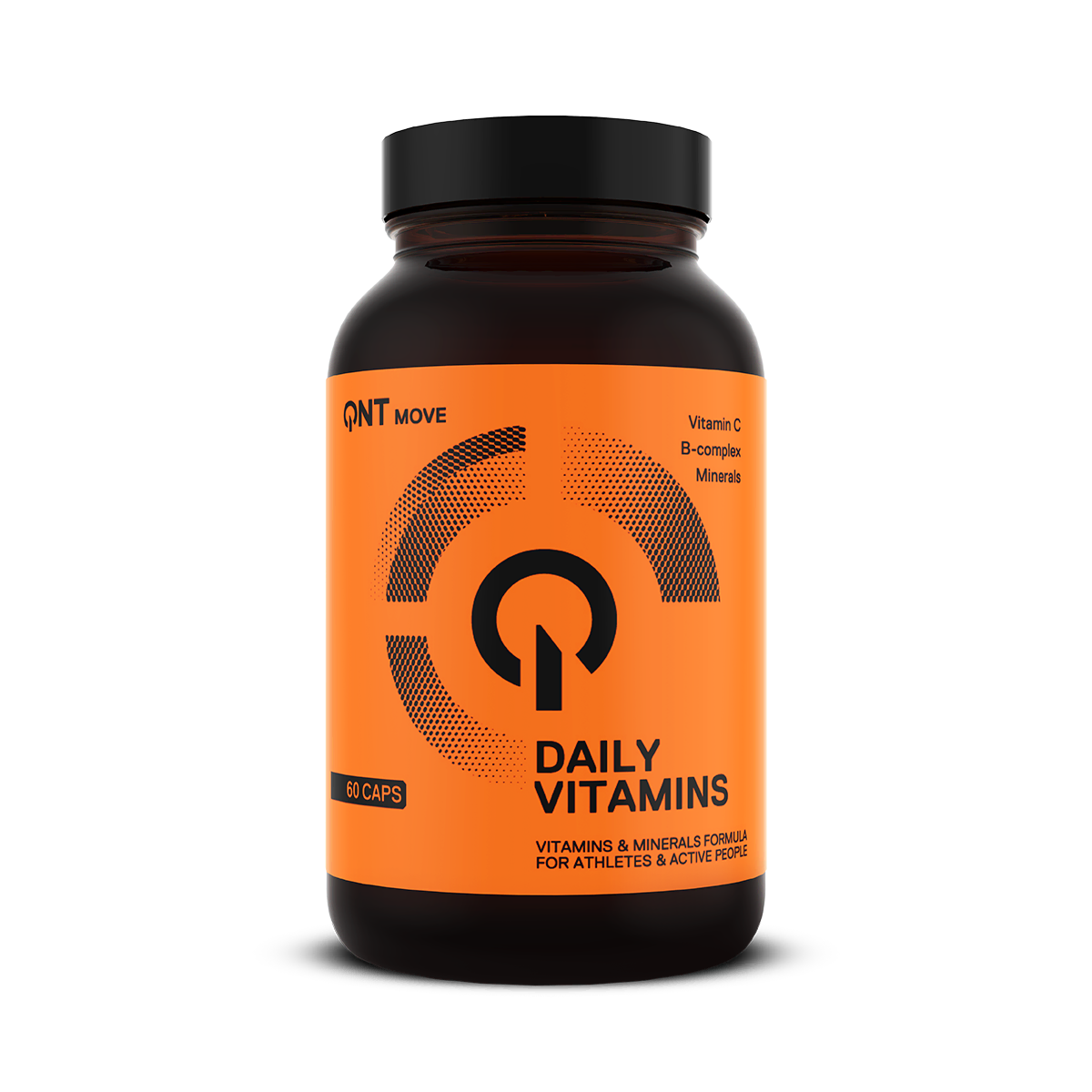
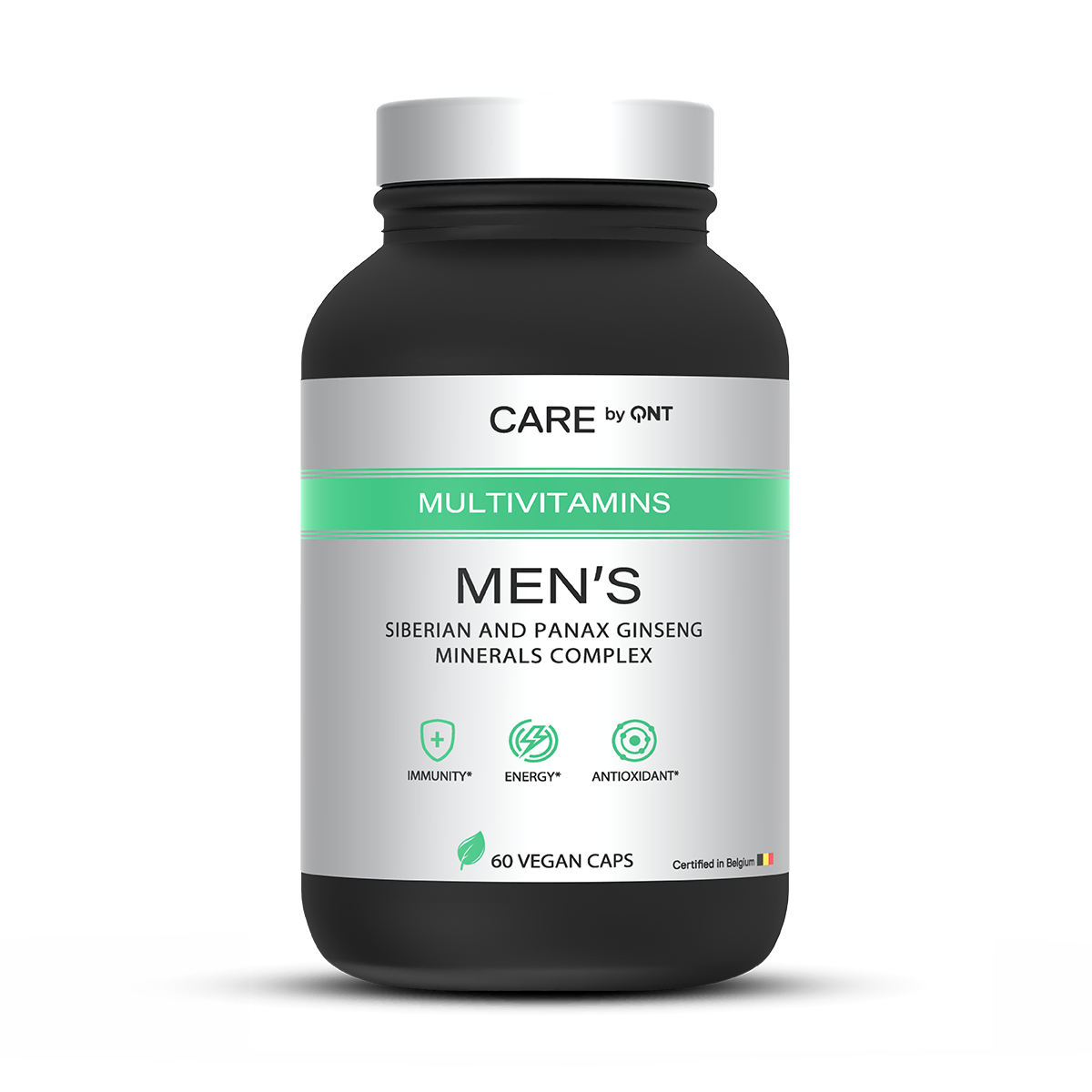
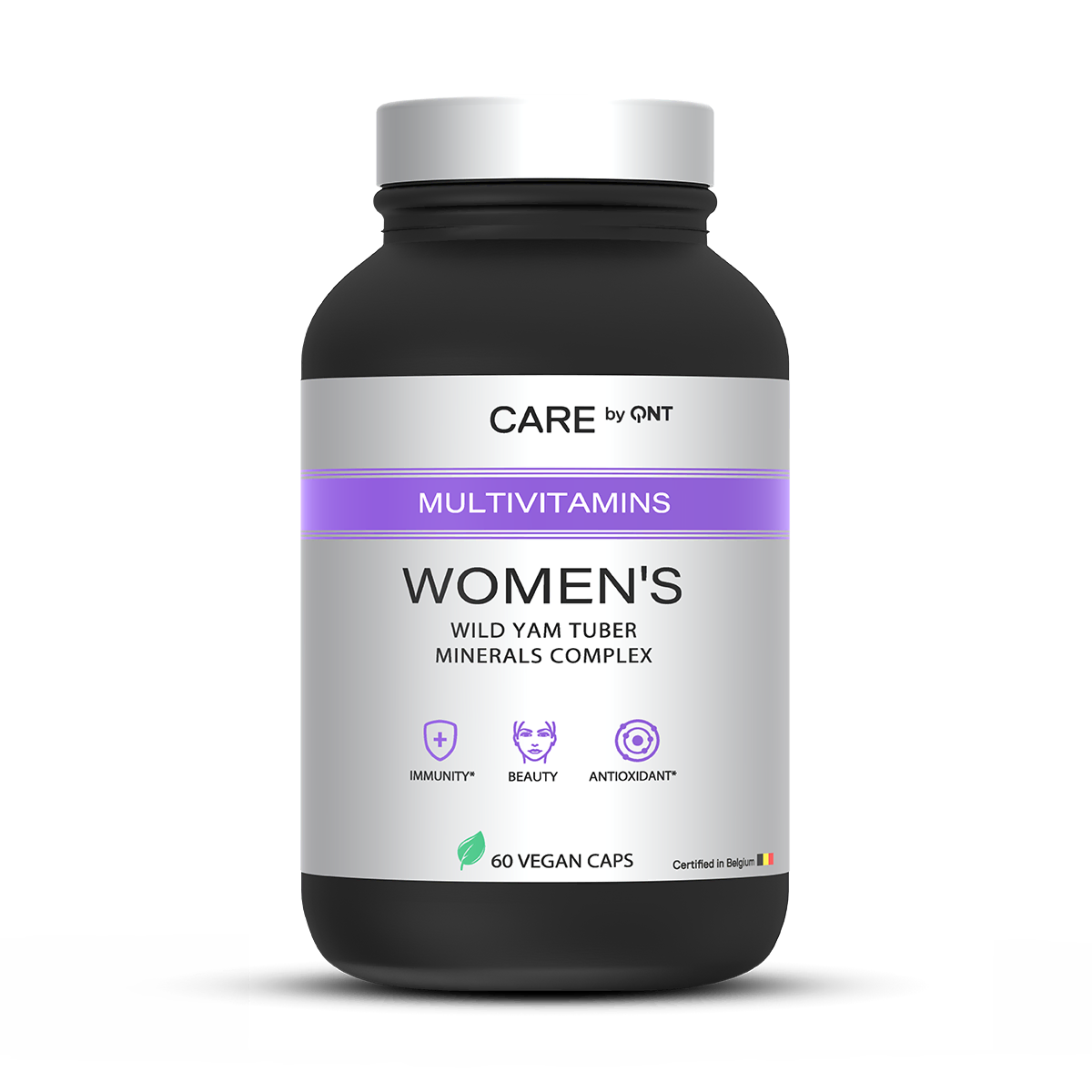
The B-group vitamins take part in key steps of energy metabolism and neurotransmitter synthesis. The European regulatory framework is clear on this point: under EU Regulation 432/2012 on authorised health claims, vitamins B6, B9 (folate) and B12 contribute to normal psychological function and to the reduction of tiredness. For an athlete with high expenditure and needs, securing these intakes is a base, not an option. Dosage : meet the European reference intakes, ideally through a varied diet and, if needed, a supplement. Recommendation : our vitamins and minerals QNT range.
4. Magnesium: the mineral of the nervous system and sleep
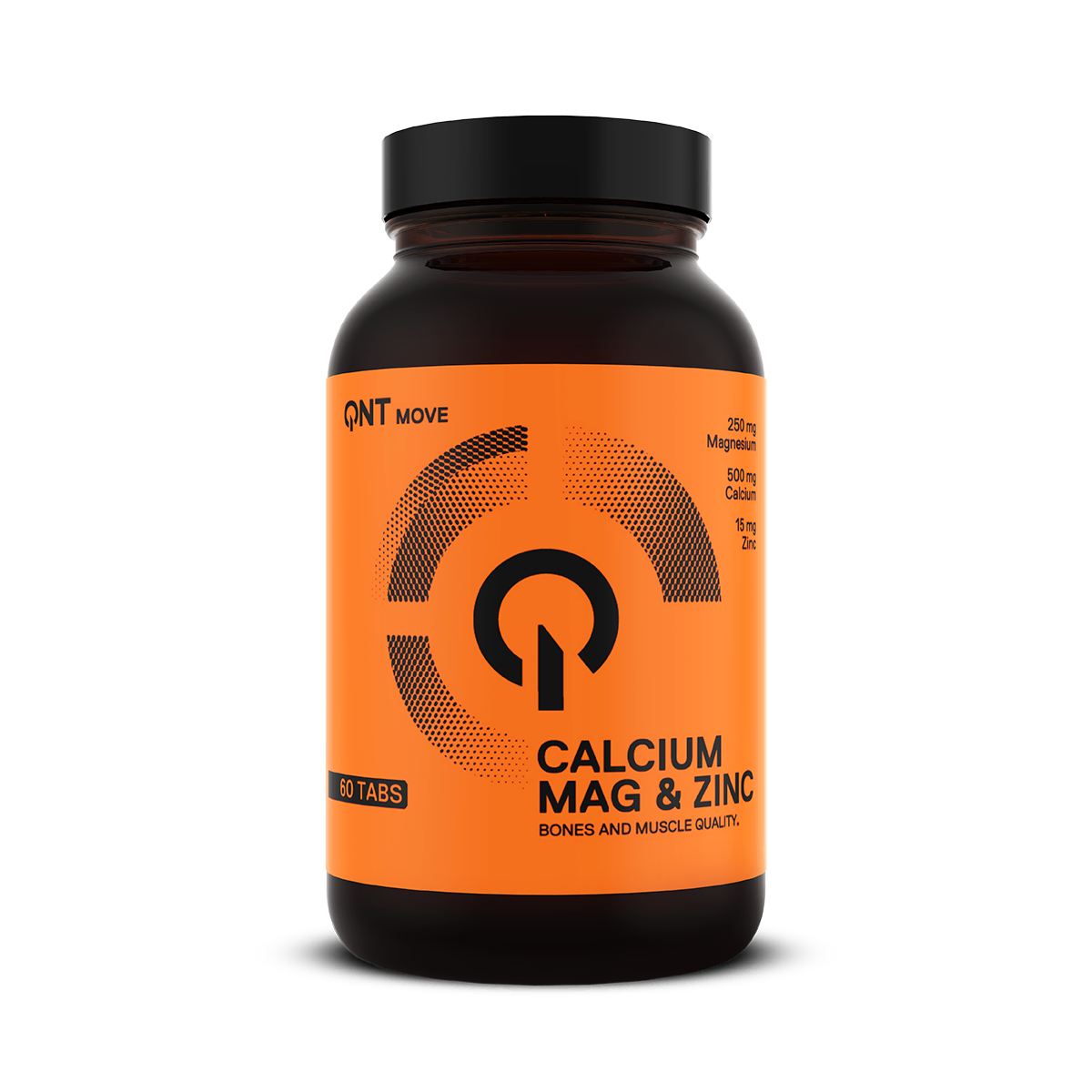
Magnesium is involved in hundreds of enzymatic reactions. Under EU Regulation 432/2012, it contributes to normal psychological function, to the normal functioning of the nervous system and to the reduction of tiredness. Its role in sleep is also documented: in a placebo-controlled trial in elderly people with insomnia, magnesium supplementation improved several markers of sleep quality and melatonin levels (Abbasi et al., 2012). For the athlete, sleep is one of the main determinants of cognitive as well as physical recovery. Dosage : 200 to 400 mg/day of elemental magnesium, in a well-tolerated form such as bisglycinate. When : preferably in the evening. Recommendation : found in our vitamins and minerals QNT range.
5. Caffeine: the best-validated alertness booster
Caffeine is the most studied ergogenic aid. The International Society of Sports Nutrition position stand concludes that a dose of 3 to 6 mg per kilo of body weight can improve endurance, alertness and certain aspects of cognitive performance (Goldstein et al., 2010). For the athlete's brain the benefit is mainly on sustained attention and the perception of effort late in a session. Dosage : 3 to 6 mg/kg, without exceeding about 400 mg/day for an adult. When : 30 to 60 minutes before effort. Avoid late in the day, so as not to degrade sleep. Recommendation : our pre-workout QNT formulas with calibrated caffeine.
6. L-theanine: caffeine's calm partner
L-theanine is an amino acid naturally present in green tea. Studies suggest that, paired with caffeine, it can promote a focused state without the jitteriness sometimes felt with caffeine alone. This combination remains one of the most studied for attention. It does not "make you smarter": it helps channel the stimulant effect. Commonly used dosage : 100 to 200 mg of L-theanine, often in a ratio close to 1:1 or 2:1 with caffeine.
7. Zinc: protector of brain plasticity
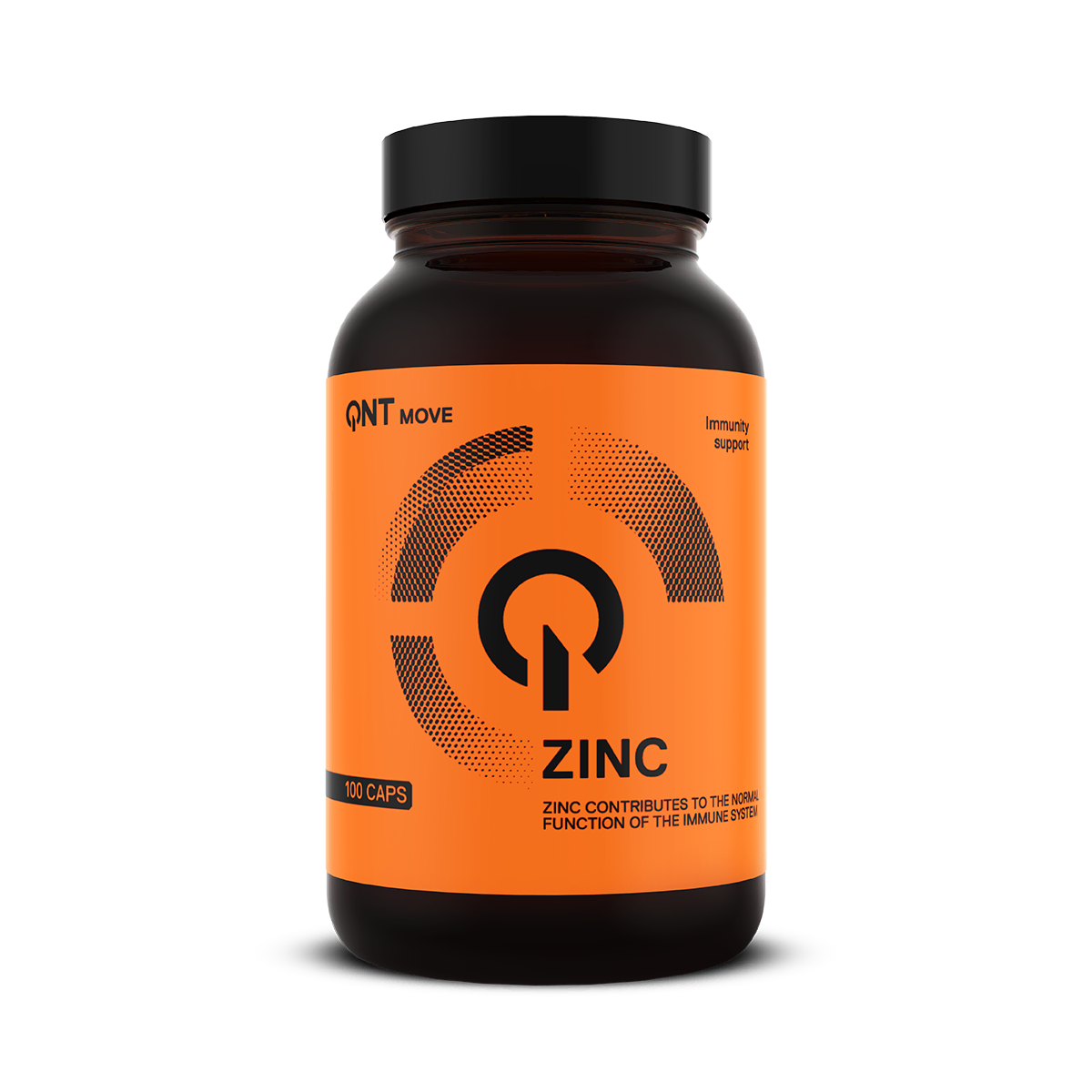
Zinc takes part in many processes, including the synaptic plasticity involved in memory and learning. EU Regulation 432/2012 authorises the claim that zinc contributes to normal cognitive function. For the athlete, whose losses can be increased by sweating, ensuring an adequate intake is part of a baseline nutritional routine. Dosage : 15 to 30 mg/day, without durably exceeding the upper safe limit without medical advice. Recommendation : available in our vitamins and minerals QNT range.
How it works: the summary table
| Supplement | Main mechanism | Intended effect |
|---|---|---|
| Omega-3 (DHA) | Neuronal membranes | Recovery, inflammation modulation |
| Creatine | Brain ATP (phosphocreatine) | Memory under strain |
| Vitamins B6/B9/B12 | Neurotransmission, energy metabolism | Psychological function, less tiredness |
| Magnesium | Nervous system, sleep | Relaxation, recovery, tiredness |
| Caffeine | Adenosine receptor antagonist | Alertness, perception of effort |
| L-theanine | Modulation of the caffeine effect | Calm focus |
| Zinc | Synaptic plasticity | Normal cognitive function |
Key point: no supplement "makes you smarter". They help support functions your brain already performs, provided the foundations (sleep, nutrition, load management) are in place.
A practical protocol: how to organise them over a day
- Morning : omega-3 (1,000 to 2,000 mg, with a meal) + B-group vitamins + creatine (3 to 5 g).
- Before training : caffeine (3 to 6 mg/kg) + L-theanine (100 to 200 mg), 30 to 60 minutes before.
- Evening : magnesium (200 to 400 mg) + zinc (15 to 30 mg), away from caffeine.
Start gradually, one nutrient at a time, to assess your individual tolerance. Consistency matters more than the dose: most of these effects build over several weeks. Important : these ranges are indicative and drawn from the literature. They are not a prescription. Do not start supplementation, especially if you stack several active ingredients or take medication, without discussing it with your doctor or a healthcare professional, with suitable testing where relevant.
Lifestyle first
No supplement makes up for insufficient sleep or an unbalanced diet. The most powerful levers for your brain remain free: 7 to 9 hours of quality sleep, a varied diet rich in plants and quality protein, regular physical activity, and active stress management. Supplements come in support of these foundations, to fill increased needs or insufficient intakes, never in their place. The same is true for muscle recovery: see our advice on BCAA and recovery and our BCAA range.
QNT's honest scope
Let us be transparent about what we do and do not do. QNT formulates sports nutrition supplements (creatine, vitamins and minerals, pre-workout, amino acids) compliant with AFSCA standards and European regulations on food supplements. QNT does not sell pharmacological nootropics or cognitive "stacks" with a therapeutic aim: that field belongs to a medical framework and is not part of our offer. Our role is to support, with dosed and traceable products, the nutritional foundations of a performing brain, not to promise a shortcut.
When to see your doctor
Seek medical advice, without delay, if you show any of these signs: persistent problems with concentration or memory, lasting anxiety or low mood, chronic sleep problems, palpitations or discomfort after taking caffeine, or any unusual symptom that appears after starting supplementation. Also seek advice before supplementing if you take medication (in particular psychotropic, anticoagulant, or thyroid medication), if you are pregnant or breastfeeding, or if you are under 18. A cognitive or mood disorder calls for a medical diagnosis, not a supplement.
QNT products to support the whole
- Creatine Monohydrate QNT and the creatine range: muscles and brain.
- Vitamins and minerals QNT: B vitamins, magnesium, zinc.
- Pre-workout QNT: calibrated caffeine.
- BCAA QNT: in support of recovery.
Made in Belgium since 1992. AFSCA compliance and European regulations.
FAQ
Does creatine really improve cognition?
The evidence is modest but consistent. A systematic review of controlled trials in healthy individuals suggests creatine can support short-term memory and reasoning, with a clearer effect when the brain is under strain, such as during sleep deprivation (Avgerinos et al., 2018). It is not a stimulant: the effect works in the background and is most noticeable during periods of high training load or limited recovery.
Which natural supplements are best for focus?
No single supplement works on its own as a magic bullet. The best-documented compounds for an athlete's cognitive function are omega-3 (DHA), magnesium, vitamins B6/B9/B12, caffeine paired with L-theanine, and creatine. Their value depends first on the quality of your sleep, your nutrition and how you manage your training load.
Can these supplements be combined?
Several of these compounds are commonly combined, with caffeine plus L-theanine being the most studied for attention. Being generally well tolerated at recommended doses does not remove the need for caution: introduce compounds one at a time, respect the ranges, and seek medical advice if you take medication or stack several sources of caffeine.
How long do they take to work?
Timelines vary by mechanism. Caffeine acts within 15 to 45 minutes. Magnesium and B vitamins are best assessed over 2 to 4 weeks of regular intake. Omega-3 often needs 4 to 8 weeks to change membrane composition. Creatine requires one to a few weeks of continuous intake to saturate stores.
Are these supplements compatible with competitive sport?
At the doses indicated, these are common nutrients and nutritional aids that are not on the list of substances prohibited in competition. QNT products comply with AFSCA standards and European regulations. If you are subject to anti-doping testing, always verify your products' certification with a dedicated body and with your federation.
Do omega-3s play a role in memory?
DHA is a major structural component of neuronal membranes. Beyond that structural role, a review focused on sport indicates that omega-3s may help modulate exercise-induced inflammation and support recovery (Philpott et al., 2019), which indirectly helps maintain good conditions for cognitive function in athletes.
When is the best time to take them?
In practice: take caffeine 30 to 60 minutes before training, magnesium in the evening so it does not disturb sleep, and omega-3 with a meal for better absorption. Creatine can be taken at any time of day, since for creatine it is daily consistency, not timing, that matters most.
Which supplements help with mental fatigue?
Mental fatigue is addressed first through sleep, nutrition and load management. On the micronutrient side, EU Regulation 432/2012 recognises that vitamins B6, B9 and B12 and magnesium contribute to the reduction of tiredness and to normal psychological function. Caffeine can temporarily support alertness before an effort (Goldstein et al., 2010). No supplement corrects persistent fatigue: if it lasts, talk to your doctor.
Does magnesium help with focus and stress?
Under EU Regulation 432/2012, magnesium contributes to normal psychological function, to the normal functioning of the nervous system and to the reduction of tiredness. A controlled trial in elderly people with insomnia also showed improvement in sleep markers (Abbasi et al., 2012), and better sleep indirectly supports focus. Magnesium is not an answer to anxiety: overwhelming stress warrants medical advice.
Are B vitamins important for an athlete's brain?
Yes, as a nutritional foundation. EU Regulation 432/2012 authorises the claims that vitamins B6, B9 (folate) and B12 contribute to normal psychological function and to the reduction of tiredness. For an athlete with high energy expenditure, securing these intakes, first through a varied diet and then if needed through a supplement, is part of a baseline routine. It is not a stimulant, but a foundation.
Does caffeine improve mental performance?
Caffeine is the best-validated ergogenic aid. The International Society of Sports Nutrition position stand concludes that a dose of 3 to 6 mg per kilogram can improve endurance, alertness and some cognitive aspects (Goldstein et al., 2010). For the brain, the benefit is mainly on sustained attention and perceived effort late in a session. Stay under about 400 mg per day and avoid it late in the day to protect sleep.
What is L-theanine used for in athletes?
L-theanine is an amino acid from green tea. Studies suggest that, paired with caffeine, it supports a focused state without the jitteriness sometimes felt with caffeine alone, which makes it one of the most studied combinations for attention. It does not make you smarter: it helps channel the stimulant effect. Doses used are generally 100 to 200 mg, often in a roughly 1:1 ratio with caffeine.
Are there contraindications or precautions to know?
Yes. Seek medical advice before supplementing if you take medication (in particular psychotropic, anticoagulant or thyroid medication), if you are pregnant or breastfeeding, or if you are under 18. Caffeine can cause palpitations or sleep problems in sensitive people. These supplements support a brain that is already well looked after: they replace neither sleep, nor nutrition, nor a medical diagnosis when a problem persists.
Conclusion
Mental performance is not a luxury reserved for an elite: it is a pillar of sports performance, on a par with strength or endurance. The supplements presented here can help support a brain already well maintained by sleep, nutrition and a managed load. None replaces those foundations, nor the advice of a healthcare professional. To build your base, explore our vitamins and minerals and our Creatine Monohydrate.
By the QNT Sport team
Over 30 years of sports nutrition expertise
Sources : Marcora SM, Staiano W, Manning V (2009), J Appl Physiol (DOI) | Avgerinos KI et al. (2018), Exp Gerontol (DOI) | Kreider RB et al. (2017), J Int Soc Sports Nutr (DOI) | Goldstein ER et al. (2010), J Int Soc Sports Nutr (DOI) | Abbasi B et al. (2012), J Res Med Sci (PubMed) | Philpott JD et al. (2019), Res Sports Med (DOI) | EU Regulation 432/2012 (EUR-Lex) | Examine.com – Creatine
SUBHEADING
FAQ
Parel aims to easily offer comfort and confidence in people's daily routines by creating practical, functional apparel with an all-day usability.