






BCAA benefits, dosage and timing for muscle recovery
Table of contents
- What exactly are bcaas?
- The 5 main benefits of bcaas
- Bcaa vs whey: the honest comparison
- Dosage: how much should you take?
- Timing: when to actually take them
- Which bcaa ratio should you choose?
- Side effects and safety
- Which qnt bcaa product should you pick?
- Sample stack for a lifter in a bulking phase
- Sources
Last updated: April 10, 2026
BCAAs are among the world's best-selling supplements, and one of the most misunderstood. A 2017 study measured a 22% greater myofibrillar protein synthesis response to BCAA ingestion after resistance training compared to placebo (Jackman et al., 2017). Other researchers warn that BCAAs alone cannot sustain maximal protein synthesis when total protein intake is inadequate (Wolfe, 2017). At QNT Sport, we've been formulating supplements since 1992. This guide gives you the honest picture of BCAA benefits: when they work, when they're redundant, and how to use them smartly.
What exactly are BCAAs?
Branched-chain amino acids are three essential amino acids (leucine, isoleucine, valine) defined by a branched molecular side chain. "Essential" means your body cannot produce them; they must come from food or supplementation.

Leucine: the star of the three
Leucine is the primary trigger of the mTOR pathway, which activates muscle protein synthesis. Studies suggest a threshold of 2-3 g of leucine per serving is needed to maximize this response (Jäger et al., 2017).
Isoleucine and valine
Isoleucine supports glucose uptake by muscle during exercise. Valine contributes to energy balance and muscular energy production. Together, the three act in synergy.
The 5 main benefits of BCAAs
1. Stimulating muscle protein synthesis
Jackman et al. (2017) directly measured myofibrillar protein synthesis after a resistance session: +22% with 5.6 g of BCAA compared to placebo (Jackman et al., 2017). This effect is strongest when added on top of an already-adequate protein intake.
2. Reducing delayed-onset muscle soreness (DOMS)
Shimomura et al. (2010) showed that 100 mg/kg of BCAA before a squat session significantly reduced DOMS and muscle fatigue 48 hours later (Shimomura et al., 2010). For a 75 kg athlete, that's 7.5 g of BCAA pre-workout.
3. Protecting against catabolism during fasted training
During fasted training or a severe caloric deficit, the body may break down muscle tissue for energy. BCAAs provide an alternative substrate that limits this. See our fasted training guide.
4. Supporting endurance recovery
Long endurance efforts lower the plasma BCAA : free tryptophan ratio, contributing to central fatigue. Intra-workout BCAA supplementation may delay this fatigue during long efforts.
5. Supporting immunity during training peaks
Heavy training blocks deplete plasma glutamine and can weaken immunity. BCAAs indirectly support this pathway by preserving amino acid availability.

BCAA vs whey: the honest comparison
| Criterion | BCAA | Whey protein | Amino acids provided | 3 (leucine, isoleucine, valine) | 20+ (all EAAs + non-essentials) |
|---|---|---|---|---|---|
| Protein synthesis | Stimulated but plateaus without the other 6 EAAs | Fully and sustainably stimulated | Calories per serving | 20-40 kcal | 100-130 kcal |
| Best use case | Intra-workout, fasted training, long endurance | Post-workout, meal, total intake | Absorption speed | Very fast (15-30 min) | Fast (30-60 min) |
Wolfe (2017) reminds us that BCAAs alone cannot sustain maximal protein synthesis if dietary protein is already low (Wolfe, 2017). Our position: complete protein remains the priority, and BCAAs handle specific cases. To build your protein base, see our complete guide to choosing a protein.
Dosage: how much should you take?
| Goal | Dose per serving | Servings/day | Total/day |
|---|---|---|---|
| High training volume | 5-10 g | 2-3 | 10-20 g |
| Long endurance (>90 min) | 5 g intra | 1-2 | 5-10 g |
Simple rule: aim for 0.1 g/kg before training, then adjust based on duration and intensity.
Timing: when to actually take them
Pre-workout: the most studied window. 15-30 minutes before training, 5-10 g provides a substrate available throughout the session.
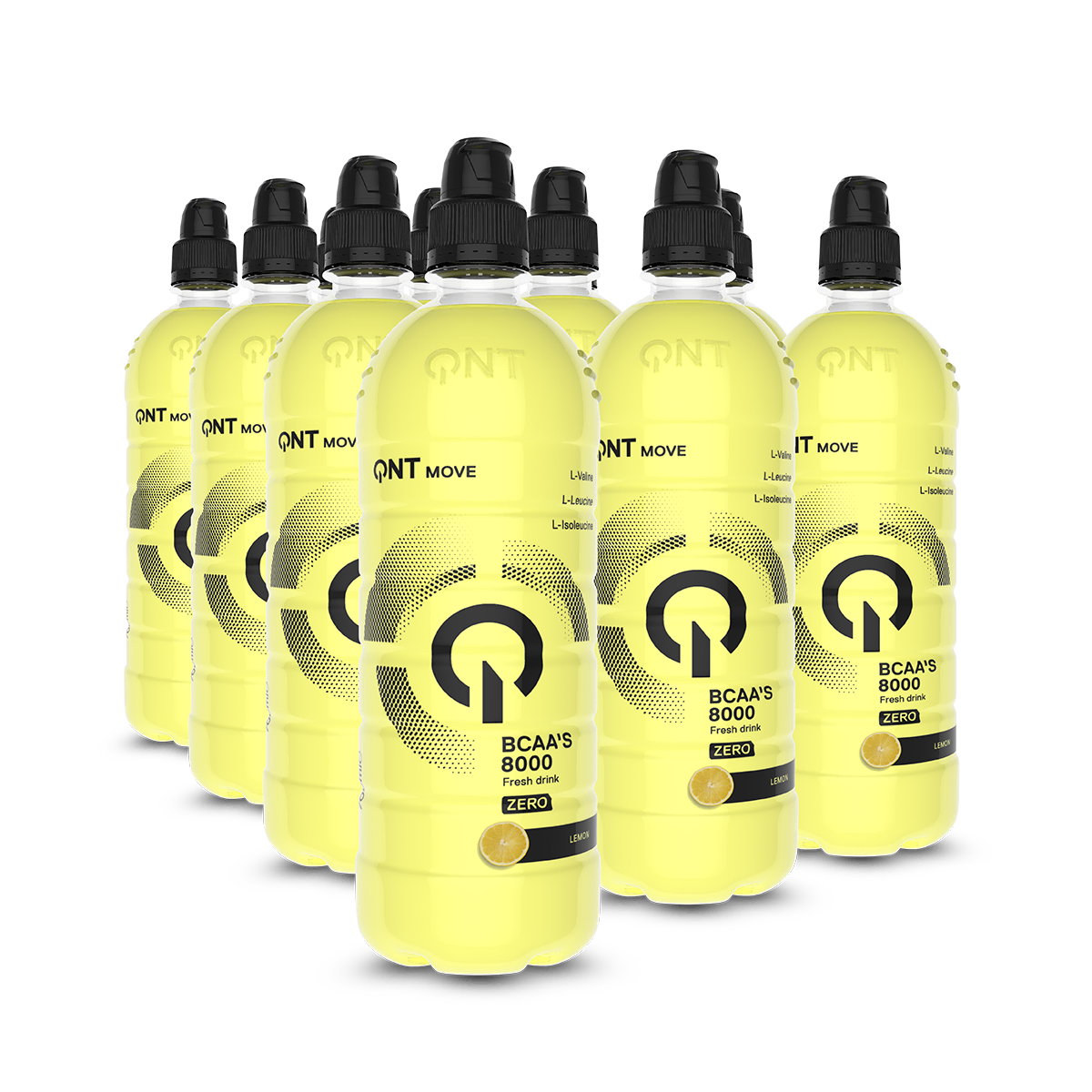
Intra-workout: ideal for long (>60 min) or high-intensity sessions. A ready-to-drink option like BCAA 8000 drink is particularly practical here.
Post-workout: redundant if you consume a full whey shake or protein meal within an hour. Whey already contains 5-6 g of BCAAs naturally (see our whey timing guide).
Fasted: the main use case. 5-10 g of BCAAs limit catabolism without significantly breaking the metabolic fast.
Which BCAA ratio should you choose?
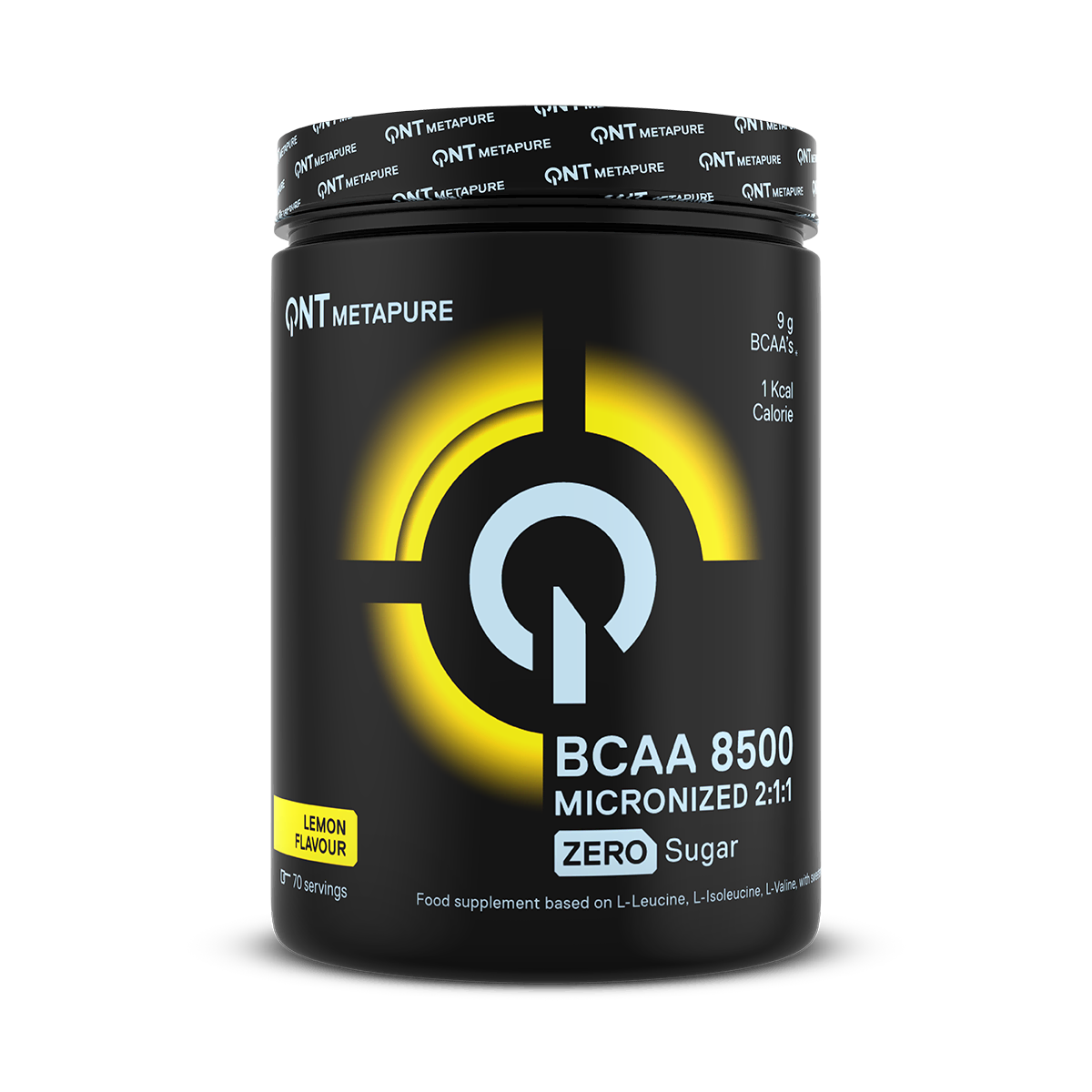
- 2:1:1: the most studied ratio, used in the majority of trials. Sufficient for most athletes. Profile of our BCAA 8500.
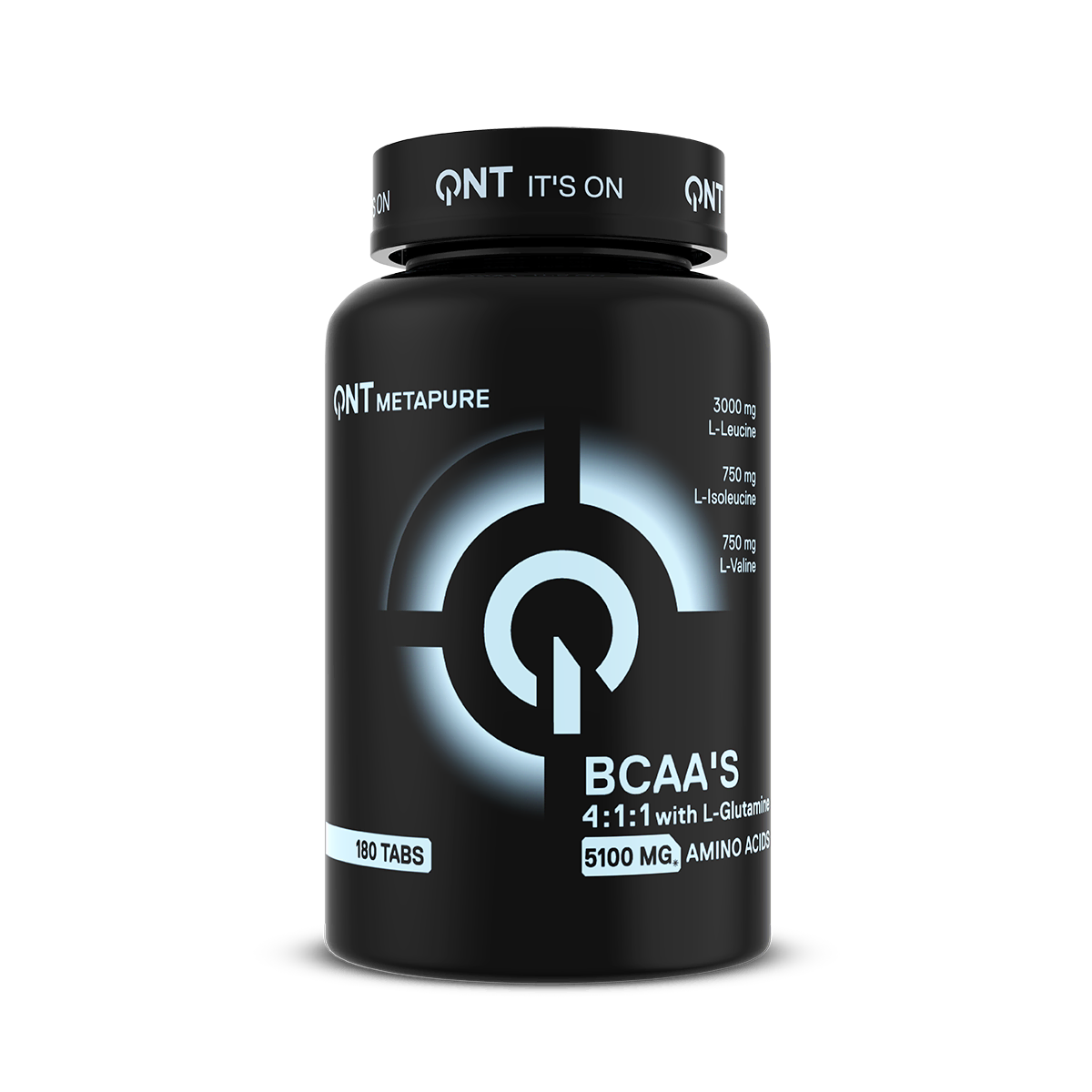
- 4:1:1: boosts the mTOR response with a higher leucine dose. Relevant for fasted training or heavy cutting. See BCAA 4:1:1 + L-Glutamine.
- 8:1:1 or higher: limited additional evidence; marginal benefit over 4:1:1 is not clearly established.
Side effects and safety
At recommended doses (up to 20 g/day), BCAAs are generally well tolerated. Things to watch: digestive discomfort at very high doses (>30 g per serving), medication interactions (antidiabetics), amino acid imbalance with chronic overuse, and about 4 kcal/g to factor into a cutting balance. Food supplements are not a substitute for a varied, balanced diet.
Which QNT BCAA product should you pick?
- BCAA 8500 (350 g powder): high concentration, neutral-to-fruity flavors, ideal pre-workout at home.
- BCAA 4:1:1 + L-Glutamine (180 tablets): combines a high-leucine ratio with glutamine.
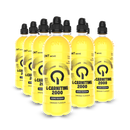
- BCAA 8000 drink (12 x 700 ml): ready-to-drink, perfect intra-workout and on the go.
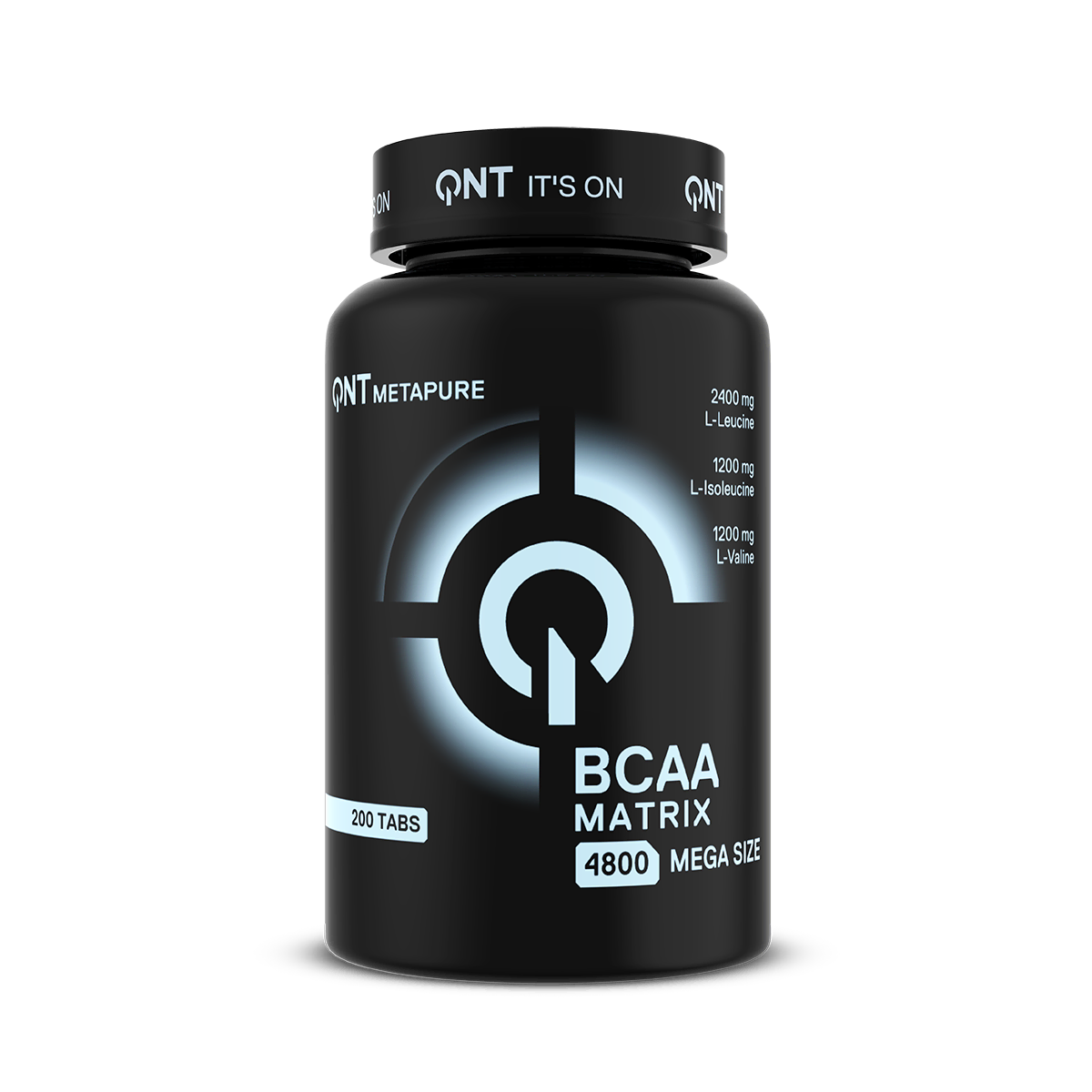
- Matrix BCAA 4800 (200 tablets): travel format, moderate dosing.
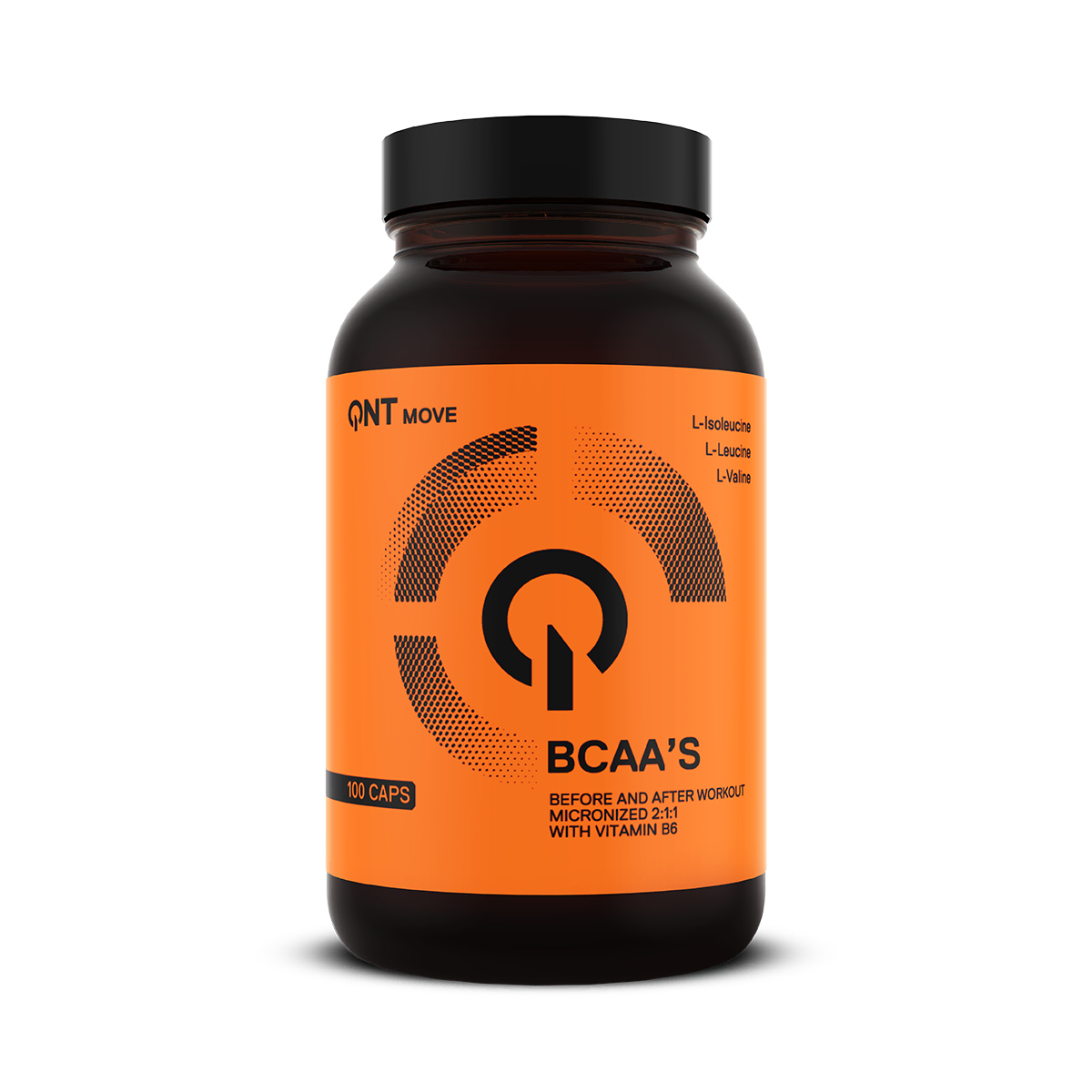
- BCAA's + Vit B6 (100 capsules): vitamin B6 contributes to normal protein metabolism.
Browse the full range on our BCAA collection. Made in Belgium since 1992.
Sample stack for a lifter in a bulking phase
- Morning: protein-rich breakfast (>25 g protein).
- Pre-workout: 5-10 g BCAA + 5 g creatine monohydrate.
- Intra-workout (sessions >60 min): BCAA 8000 drink.
- Post-workout: 25-40 g whey + carbs.
- Evening: micellar casein before bed.
For broader recovery, see our complete glutamine guide and our beta-alanine article.
Sources
- Jäger, R. et al. (2017). DOI
- Wolfe, R.R. (2017). DOI
- Jackman, S.R. et al. (2017). DOI
- Shimomura, Y. et al. (2010). PubMed
- Examine.com: BCAAs
By the QNT Sport team, over 30 years of sports nutrition expertise
Frequently asked questions
What are BCAAs used for?
What is the recommended BCAA dosage?
When should you take BCAAs?
BCAAs or whey: which one should you choose?
Which BCAA ratio should you choose: 2:1:1, 4:1:1, or 8:1:1?
Do BCAAs have side effects?
Do BCAAs make you gain weight?
Keep reading
 Health
Omega 3-6-9 Benefits: Why Athletes Need Them
Omega 3-6-9 benefits for athletes: ISSN 2025 dosage, the omega-6/omega-3 ratio, food sources and how much EPA+DHA you really need for recovery and ...
 Recipes
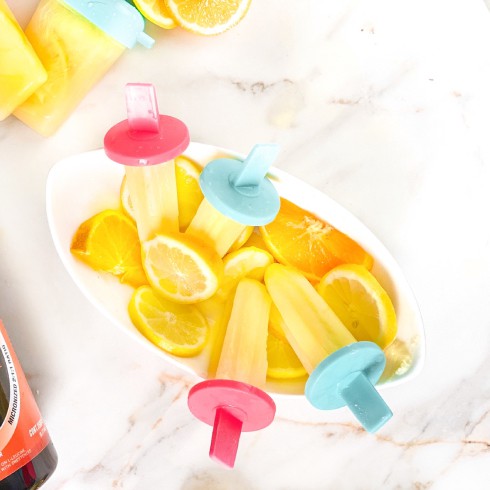
LEMON BCAA POP STICK ICE CREAM
An easy and refreshing treat to help you cool down from the heat.
 Gain Muscle
How to Choose Protein Powder: The Ultimate 2026 Guide
Whey, isolate, casein or vegan? Learn how to choose protein powder for your goal, with a comparison table, the amino acid profile that actually mat...
 Our Tips
Sports and proteins.
Protein for athletes: whey, casein, plant-based. Dosages, optimal timing and tips for performance, recovery and weight loss.


