






Fasted training: benefits, risks and optimal protocol
Table of Content
Last updated: April 9, 2026
You wake up at 6 AM with an empty stomach and wonder if it's the right time to hit the weights. The idea is tempting: growth hormone increases by 150% in a fasted state, and fat oxidation accelerates. But the risk of muscle catabolism gives you pause. The truth? Fasted training can be a powerful tool — provided you follow a precise protocol. This guide covers the studies, the real risks, and the optimal protocol for training fasted without losing muscle.
What is fasted training?
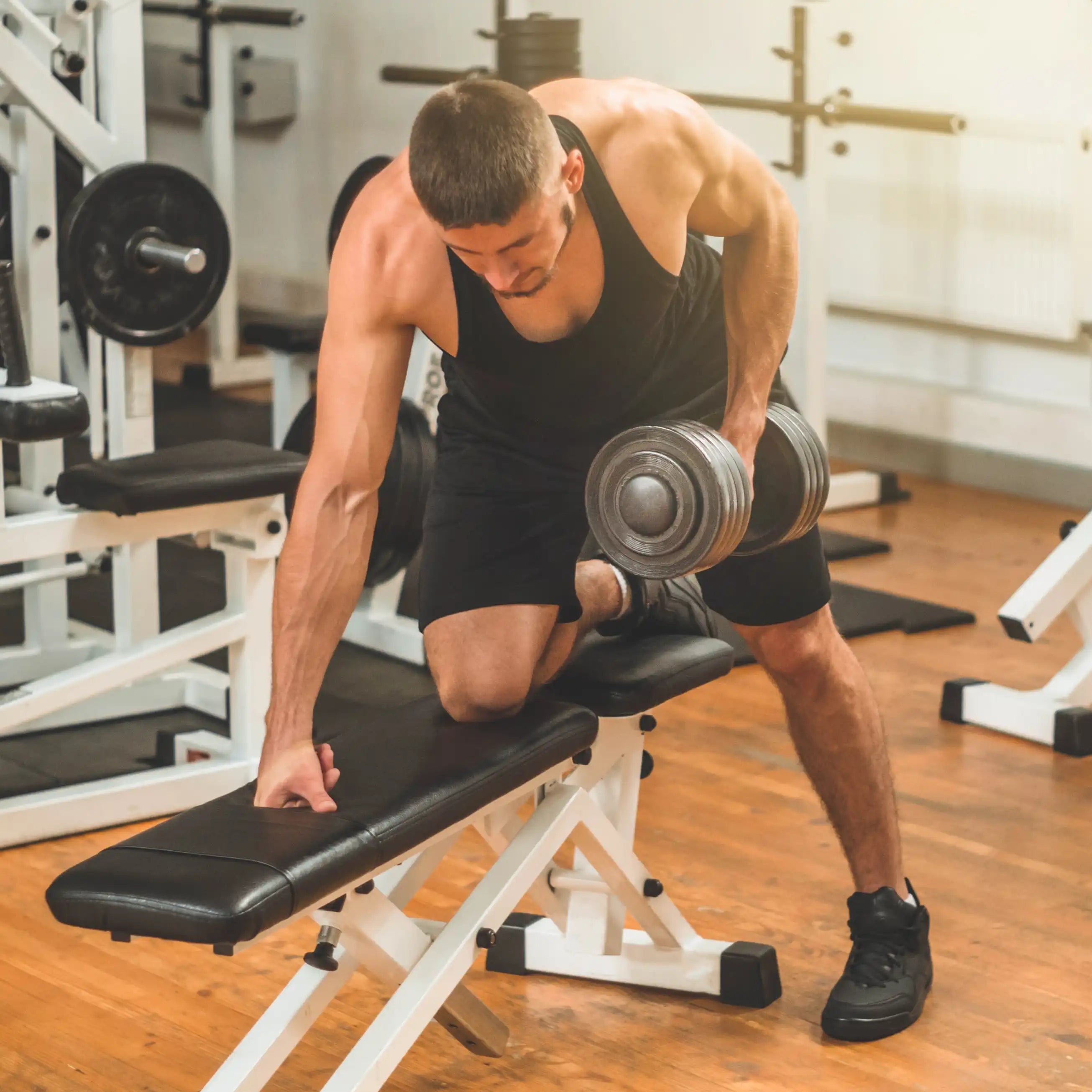
Fasted training means performing a resistance session after at least 8 to 12 hours without caloric intake. In practice, this means working out in the morning before breakfast, or at the end of your fasting window if you practice intermittent fasting.
After a night of sleep, liver glycogen stores are partially depleted. Your body must rely more heavily on fatty acids for energy — a process called lipolysis, which is the core appeal of fasted training.
Short fast vs prolonged fast
An 8-12 hour fast (overnight) keeps muscle glycogen stores relatively intact. A prolonged fast (16h+) significantly reduces these stores and increases catabolism risk.
What are the scientific benefits?
Increased fat oxidation
Research in the British Journal of Nutrition (Gonzalez et al., 2013) demonstrated that fasted exercise increases lipid oxidation by 20-30% compared to fed exercise. This doesn't automatically mean greater fat loss over 24 hours, but the metabolic signal is real.
Growth hormone stimulation
Fasting can increase GH secretion by 150-300% (Hartman et al., 1992), particularly pronounced in the morning — making it a strategic time to train.
Improved insulin sensitivity
Training fasted may improve insulin sensitivity. The ISSN notes that various dietary approaches, including intermittent fasting, can be effective for body composition when protein is adequate (Aragon et al., 2017).
Metabolic flexibility
Regular fasted training teaches your body to switch more efficiently between carbs and fats as fuel. Useful for endurance and long-term body composition.
What are the real risks?
Muscle catabolism
Without energy substrate, your body may break down muscle proteins through gluconeogenesis. Risk increases with sessions over 45 min, high intensity, or insufficient protein. A meta-analysis by Schoenfeld et al. (2014) shows minimal muscle mass difference when daily protein is adequate (1.6-2.2 g/kg).
Cortisol elevation
Cortisol rises in the morning and further during fasted training. Keep sessions short and focus on recovery.
Hypoglycemia and performance decline
Without glycogen, maximal strength and power decrease. Beyond 70-80% VO2 max, performance decline is consistent.
Optimal fasted training protocol
| Phase | Time | Action |
|---|---|---|
| Wake up | 6:00 AM | 500 ml water + optional: black coffee |
| Pre-session | 6:15 AM | Optional: 5-10 g BCAAs |
| Session | 6:30-7:15 | 30-45 min max, moderate to high intensity |
| Post-session | 7:15-7:30 | 20-30 g whey protein + fast carbs |
| Full meal | 8:00-8:30 | Balanced breakfast |
Golden rules: Limit to 30-45 min. Compound exercises at 60-75% 1RM. Reduce volume 20-30%. Drink 500 ml water minimum.
Intermittent fasting: Schedule your workout at the end of your fasting window and break your fast right after. Check our carb cycling guide for nutrient timing.
What supplements for fasted training?
Before: BCAAs 5-10 g — +22% muscle protein synthesis (Jackman et al., 2017). Our BCAA 8000 mg. Caffeine 3-6 mg/kg per ISSN (Goldstein et al., 2010). Alternative: guarana benefits.
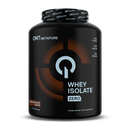
After: Whey 20-30 g — faster synthesis than casein or soy (Tang et al., 2009). Our Metapure Whey Isolate Zero. Guide: best time to take whey.
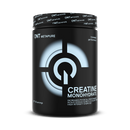
Daily: Creatine 3-5 g — effective even fasted (Kreider et al., 2017). Our Creatine Monohydrate. Guide: creatine timing. L-Carnitine 1,000-2,000 mg — +21% muscle carnitine in 24 weeks (Wall et al., 2011). Our L-Carnitine 3000.
Supplement timing summary
| Supplement | Dosage | Timing | Breaks fast? |
|---|---|---|---|
| BCAAs | 5-10 g | 15 min before | Debated |
| Caffeine / black coffee | 3-6 mg/kg | 30 min before | No |
| Creatine | 3-5 g | Any time | No |
| L-Carnitine | 1,000-2,000 mg | 30 min before | No |
| Whey protein | 20-30 g | Immediately after | Yes |
| Fast carbs | 30-50 g | With whey | Yes |
Common mistakes
- Training too long — Beyond 45 min, cortisol spikes and benefits reverse.
- Neglecting protein — 1.6-2.2 g/kg/day minimum (Jäger et al., 2017).
- Skipping post-workout meal — The 2-hour window is critical.
- Forcing max intensity — Stay at 60-75% 1RM.
- Ignoring body signals — Dizziness, trembling = stop immediately.
Sources
- Schoenfeld et al. (2014). DOI
- Aragon et al. (2017). DOI
- Jäger et al. (2017). DOI
- Kreider et al. (2017). DOI
- Goldstein et al. (2010). DOI
- Jackman et al. (2017). DOI
- Tang et al. (2009). DOI
- Wall et al. (2011). DOI
- Examine.com — Fasting | BCAAs
By the QNT Sport team — Over 30 years of sports nutrition expertise