




Sports nutrition advice: understanding everything.
Table of contents

If you are an athlete, you probably know how important nutrition is to your performance and recovery. Sports nutrition is a topic that may seem complex, but it's actually pretty simple to understand.
Sports nutrition, what is it ?
Sports nutrition is about providing your body with the nutrients it needs to function at its best during physical activity, as well as to recover after exercise.
The Nutrients
The most important nutrients are carbohydrates, proteins and fats, as well as vitamins and minerals.
- Carbohydrates: they are your body's main source of energy during physical activity. You can find them in foods such as pasta, rice, bread, fruits and vegetables.
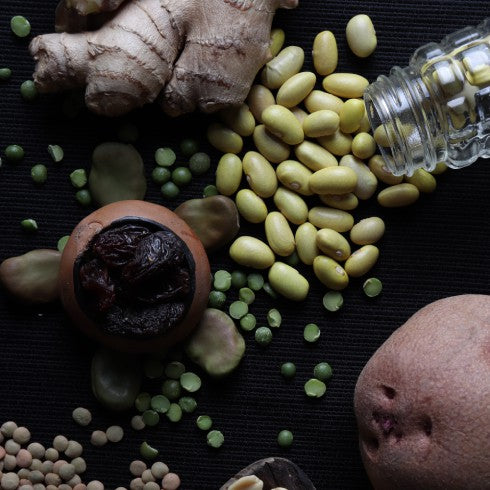
- Proteins: they are very important for muscle repair and growth. You can find them in foods like meat, fish, eggs, nuts and legumes.
- Fat: also provides energy, but is more important for maintaining your body's overall health. You can find them in foods like nuts, avocados and oils.
- Vitamins and minerals: They help your body function properly and recover after exercise. You can find these nutrients in fruits, vegetables and nuts.
Now that you know which nutrients are important for the sports diet, you can start planning your meals according to your needs. It is important to include enough carbohydrates in your meal, but not too many to avoid cramps and bloating. And above all, to have a good protein intake at each meal.
Hydration
Hydration is a crucial part of sports nutrition. Athletes tend to lose significant amounts of fluid during exercise, especially in hot or humid conditions. Dehydration can lead to decreased athletic performance, increased fatigue and decreased muscle recovery. Therefore, people involved in sports should make sure to maintain proper hydration before, during and after exercise. Experts recommend drinking about 500 ml to 1 liter of water per hour during exercise, depending on the duration and intensity of the physical activity. Sports drinks can also be helpful in replacing electrolytes lost during exercise.
Supplements
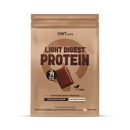
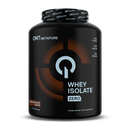
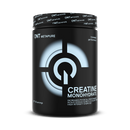
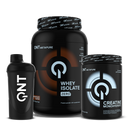
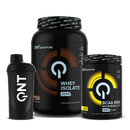
If you're doing intense physical activity, you may need supplements to help you reach your nutritional goals. You can find them in pill, powder or drink form. The most commonly used supplements for sports nutrition are protein powders, creatine, BCAAs (branched chain amino acids) and pre-workout boosters.
- Protein powders: They are useful for increasing the amount of protein in your diet if you have trouble getting it from food.
- Creatine: Can increase strength and muscular endurance when used in combination with resistance training.
- BCAAs: Can help reduce muscle fatigue and improve recovery after exercise.
- pre-workout boosters: Often contain caffeine or other stimulants to improve focus and endurance during exercise.
In summary, sports nutrition is important for all athletes. By eating the right foods, drinking enough water and taking supplements, you can help your body perform at its best during physical activity and recover more quickly afterwards. By taking care of your sports nutrition, you can help maximize your performance and reach your athletic goals faster.
Nutritional intakes by exercise duration
| Duration of workout | Carbohydrate intake | Protein intake | Water intake |
| Less than 30 minutes | 0,5 g/kg body weight | 0,1 g/kg body weight | 5 à 7 ml/kg body weight |
| 30 to 60 minutes | 1 g/kg body weight | 0,2 g/kg body weight | 5 to 10 ml/kg body weight |
| 1 to 2 hours | 1,5 g/kg body weight | 0,25 g/kg body weight | 7 to 10 ml/kg body weight |
| 2 to 3 hours | 2 g/kg body weight | 0,3 g/kg body weight | 10 to 12 ml/kg body weight |
| More than 3 hours | 2,5 g/kg body weight | 0,4 g/kg body weight | 10 à 12 ml/kg body weight |
Note that these values are approximate and may vary depending on your personal needs and the types of exercise you do.
Cheat meals
Although the sports diet generally requires a healthy and balanced diet, it is also important to allow yourself moments of pleasure by eating what you like. Cheat meals are occasional meals where you can indulge in less healthy foods without worrying about their calorie or nutrient content. They can be a source of motivation to stick to a healthy diet and can help prevent cravings or frustration from restrictive eating. However, it is important not to overindulge in cheat meals, as this can compromise long-term nutrition and athletic performance goals. We recommend that you plan your cheat meals carefully and include them in a balanced, calorie-controlled diet plan to avoid overindulgence and the negative effects they could cause on your health.
Weight training and nutrition: two inseparable concepts
Weight training is a sport discipline that involves a high demand for energy and nutrients to maximize muscle growth and repair. Therefore, sports nutrition is especially important for people who are involved in strength training. Muscles need protein for growth and repair, as well as carbohydrates for energy for training. Healthy fats are also important to support body functions and hormone levels necessary for muscle growth. Athletes who are weight training should also ensure they have adequate hydration to support body functions and muscle recovery. Ultimately, a healthy, balanced diet is essential to maximize muscle growth and repair and to achieve athletic performance goals in strength training.
Coach's tips.

- Eat complex carbohydrates before exercise to provide energy to your body. Complex carbohydrates, such as sweet potatoes, brown rice and whole wheat pasta, provide sustained energy to your body during exercise.
- Eat a meal that contains carbohydrates and protein within 30 minutes of exercise. This will help your body recover more quickly.
- Listen to your body and adjust your nutritional needs accordingly. Everyone is different and has different nutritional needs. If you notice muscle soreness, bloating or digestive problems, adjust your food choices accordingly.
Keep reading

Cyclos du Cœur 2026: QNT at the Cormet de Roselend for Télévie
Cyclos du Cœur 2026: QNT at the Cormet de Roselend for Télévie From 1 to 4 July 2026, QNT joins the Cyclos du Cœur on the Cormet de Roselend in sup...
 Training
Group classes more effective than classroom work?
This is a question that is often asked: which is more effective? Group classes or individual gym programs?
 Our Tips
Summer body edition for men: How to prepare your body?
Summer body: exercise, balanced nutrition, motivation and practical tips to transform your physique before summer, even starting from scratch.
 Training
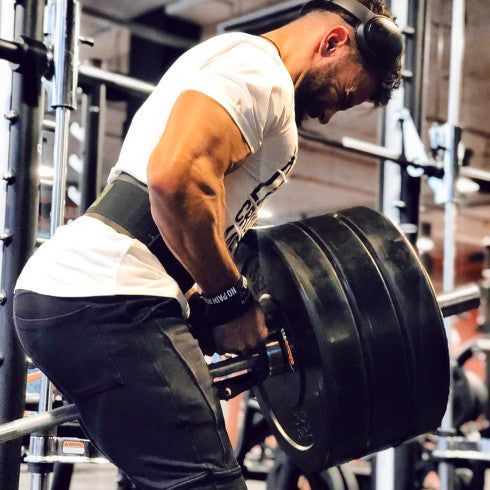
SHOULD YOU USE A WEIGHT BELT FOR LIFTING?
The next person you see in the squat cage with 20 kg on the bar and a big belt, maybe you can make a comment after reading these few lines.
 Our Tips
How to train flexibility?
The way to train flexibility is often highly controversial. Depending on the sports you practice, you work differently. A dancer and an athlete tra...
 Dietary Supplements
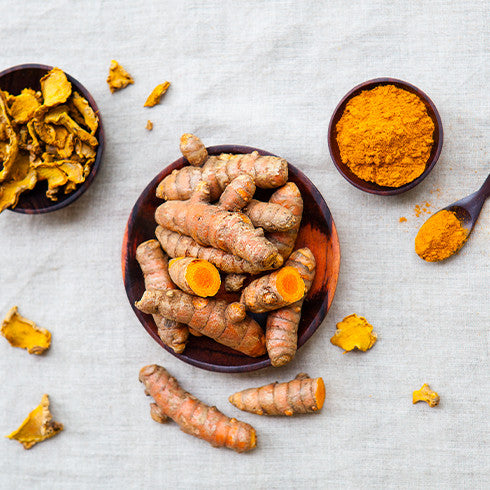
Why take turmeric?
There are hundreds and hundreds of spices with different properties and turmeric is obviously one of them! It is a spice that is generally quite we...
 Our Tips
Fasting and sport: 9 tips for training during Ramadan.
Working out during Ramadan is not easy. Not eating from sunrise to sunset is a major challenge for athletes wishing to continue their activities. T...
 Our Tips
Summer holidays: How to limit the damage?
On holiday, we often tend to let ourselves go. Unless you're a hardcore sportsman, you tend to abandon your trainers and indulge in a lot of dietar...
 Health
How to preserve your joints?
We have a total of about 400 joints located throughout the body. We therefore quickly understand why joint problems are quite common. You don't hav...
 Our Tips
9 good reasons to do sport.
Sometimes the urge to exercise is not always there. And although we always tell ourselves that this year will finally be the right one to get back ...


