




Cortisol and weight gain: countering stress to take control of your body composition
Table of contents
Last updated: July 6, 2026
"Stress makes you fat." You have probably heard this dozens of times. The reality, as suggested by research, is more nuanced. Cortisol, often called the stress hormone, may play a role in how your body composition evolves, though not quite the way most people imagine. With over 30 years of sports nutrition expertise, QNT Sport walks you through the science of cortisol and weight gain, with a practical approach to countering stress within a holistic lifestyle (sleep, movement, nutrition).
Medical note: this article is for educational purposes and does not replace a medical consultation. If you experience chronic stress, persistent sleep issues, or symptoms suggestive of Cushing's syndrome (a rare condition linked to prolonged cortisol excess, combining weight gain in the face and trunk, fragile skin and fatigue, and requiring a medical diagnosis) or depression, please speak to a qualified healthcare professional.
In short: research suggests that chronically elevated cortisol is associated with increased appetite, visceral fat storage and a slower metabolism. To counter this, a combined approach (consistent sleep, moderate exercise, magnesium-rich nutrition and active stress management) appears in the literature to be the most robust way to limit chronic cortisol elevation and its effects on body composition. Magnesium contributes to the reduction of tiredness and fatigue (EFSA-authorised claim).
What is cortisol and what does it do?
Quick answer: cortisol is a glucocorticoid (steroid hormone) released by the adrenal glands under control of the HPA axis (hypothalamic-pituitary-adrenal). Schematically, the hypothalamus releases CRH, which stimulates the pituitary (ACTH), which in turn signals the adrenals to produce cortisol; a feedback loop then reduces that production. It helps regulate carbohydrate and fat metabolism, inflammation, blood pressure, blood glucose and the sleep-wake cycle.
Cortisol is a steroid hormone produced by your adrenal glands, located on top of your kidneys. Often called the stress hormone, it regulates carbohydrate and fat metabolism, the inflammatory response, blood pressure, and your sleep-wake cycle. The HPA axis governs how cortisol is released in response to stress signals.
Cortisol is not your enemy
In normal amounts, cortisol plays a genuinely positive, indispensable role. It follows a circadian rhythm: a morning peak (between 6 and 8 AM) that supports waking and alertness, then a gradual decline through the day to prepare for sleep. Day to day, it mobilises energy by releasing glucose, supports blood pressure, modulates inflammation and immunity, and helps the body adapt to both effort and recovery. Without cortisol, coping with acute stress would be impossible. The problem starts when it stays chronically elevated, through work stress, sleep deprivation, overtraining, or poor nutrition.
How is cortisol linked to weight gain?

Quick answer: research points to three main mechanisms by which chronically elevated cortisol may be associated with a change in body composition (rather than a simple rise on the scale): increased appetite, a redeployment of reserves toward visceral fat, and a slower metabolism with muscle catabolism. The issue often lies more in the fat-to-muscle ratio than in total weight.
1. Increased appetite and cravings
Cortisol tends to increase appetite, especially the pull toward fatty, sugary foods. In a prospective study, Chao et al. (2017) followed 339 adults and measured hair cortisol (a marker of average cortisol exposure over several weeks): participants with the highest levels reported more cravings and showed a tendency toward weight gain over 6 months, with a more pronounced effect on abdominal fat. Hormonally, elevated cortisol tends to raise ghrelin (hunger) and reduce sensitivity to leptin (satiety).
2. Abdominal fat storage
Epel et al. (2000) studied non-obese women exposed to stressful laboratory tasks over several days: those with higher cortisol reactivity carried more abdominal fat, even among lean women. At the cellular level, visceral fat is especially reactive: its adipocytes carry a high density of glucocorticoid receptors. When cortisol binds there, it activates the enzyme lipoprotein lipase, which sends a storage signal and promotes triglyceride uptake into those cells. More recent review work, such as van der Valk et al. (2018), confirms this association between prolonged cortisol exposure and abdominal adiposity.
3. Slowed metabolism and muscle loss
Chronically elevated cortisol promotes muscle catabolism: it stimulates the breakdown of proteins to release amino acids. Since muscle is one of the main energy-consuming tissues at rest, losing it tends to lower baseline energy expenditure. Epidemiologically, Chandola et al. (2006), in the Whitehall II cohort, found that chronic work stress was associated with a higher risk of metabolic syndrome in a dose-dependent manner. More recent reviews, such as Geiker et al. (2018), also highlight the role of stress and sleep in weight regulation.
Low cortisol and weight gain: a paradoxical link
Quick answer: abnormally low cortisol may also be associated with weight gain, mainly via fatigue, reduced physical activity and a gradual slowing of metabolism.
Chronically low cortisol, distinct from serious medical conditions like Addison's disease or Cushing's syndrome (which require specialist medical evaluation), may cause extreme fatigue and reduced physical activity, leading to gradual weight gain. If you suspect a long-standing hormonal imbalance, please consult your doctor for proper testing.
How to know if your cortisol is too low
Common symptoms include persistent fatigue, dizziness when standing and intense salt cravings. To confirm, a morning blood test (between 6 and 8 AM) measures cortisol at its physiological peak: it is the reference test, to be interpreted by a healthcare professional.
Exercise, cortisol, and weight loss: the overtraining paradox

Quick answer: research suggests that moderate exercise, adapted to your level, tends to lower cortisol over time, while a training load too high for your recovery capacity may be associated with chronically elevated cortisol. What matters is not a universal duration, but the balance between load and recovery, which is individual.
Moderate exercise can help regulate cortisol
Regular moderate exercise is generally associated in the literature with better long-term cortisol regulation. A meta-analysis by Beserra et al. (2018) found that regular physical activity tends to lower resting cortisol. In practice, sessions of around 30 to 45 minutes at moderate intensity (brisk walking, cycling, swimming) are a good starting point, to be adjusted to your level.
Overtraining can raise cortisol chronically
There is no single threshold that works for everyone: it depends on who is training, their level and their history. The real principle is individualisation and progression: training load should match your current capacity and increase gradually. When volume or intensity durably exceed your recovery capacity (repeated long, intense sessions, insufficient recovery, poor sleep), chronically higher cortisol can set in, with fatigue, sleep disruption and stalled performance. For a trained athlete this tends to appear beyond 60 to 75 minutes at high intensity; for a beginner, a much lower threshold can already be a problem.
QNT recommendation: a few levers to optimise recovery. The goal is not to pile up sessions, but to protect recovery, which drives progress and hormonal balance. Four pillars stand out in the literature:
- Sleep. Sleep debt raises next-day cortisol (Leproult et al., 1997). To support it, our Magnesium Sport provides magnesium, which contributes to reducing fatigue.
- Good nutrition. Sufficient protein supports muscle repair after exercise (Morton et al., 2018). A quality whey from our Whey Protein range helps cover those needs around training.
- Good hydration. Dehydration is associated with a rise in cortisol during exercise (Judelson et al., 2008).
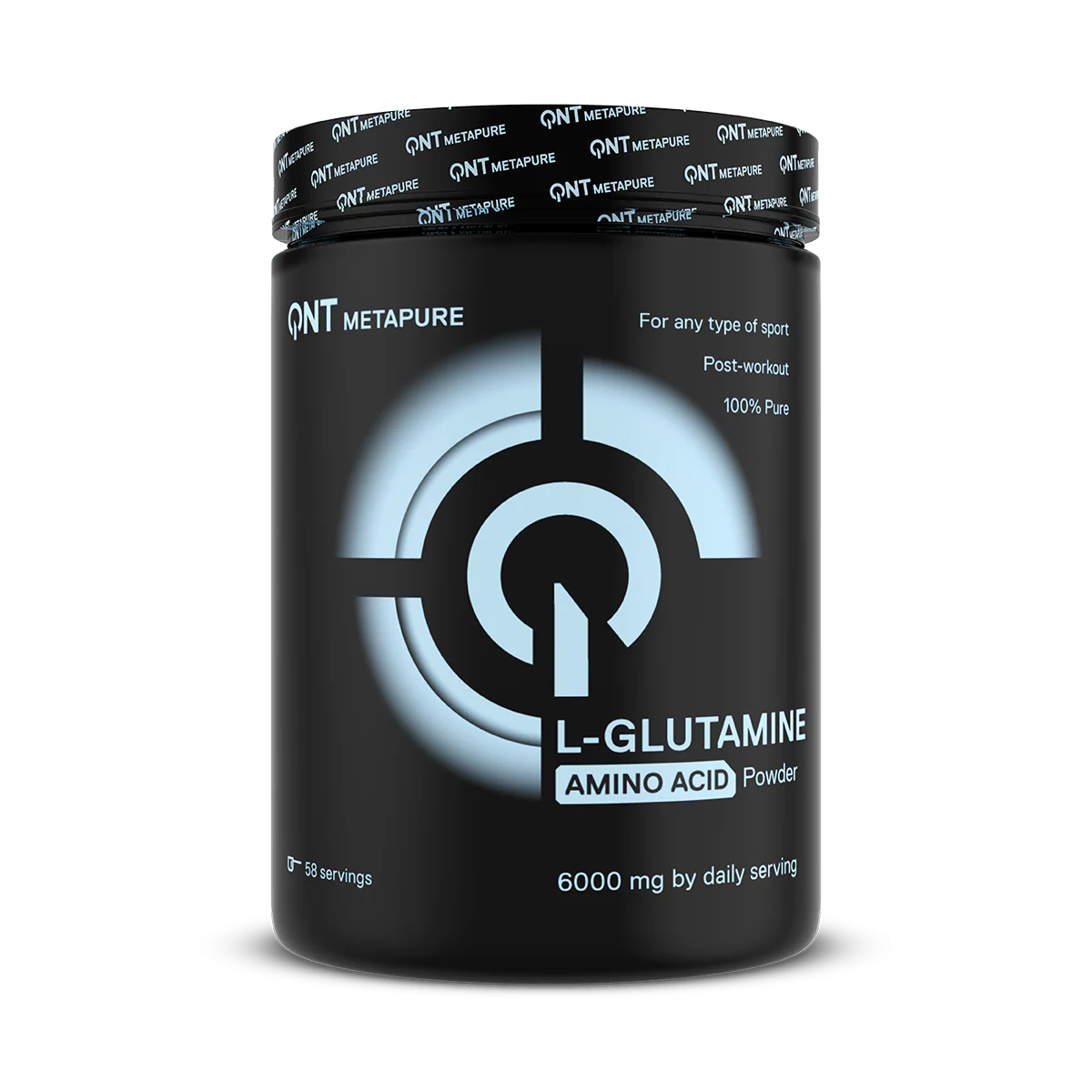
- Progressive, adapted training. Respecting individualisation and progression limits the risk of overtraining. To support recovery during heavy blocks, our L-Glutamine 6000 can help preserve the immune defences often challenged in athletes (Gleeson, 2008). See also our L-carnitine and weight loss guide.
8 science-backed strategies that may help lower cortisol
Quick answer: within a balanced lifestyle, eight levers stand out in the literature: consistent sleep, magnesium- and omega-3-rich nutrition, active relaxation, moderate training, hydration, limiting caffeine, social connection and morning natural light.
1. Prioritize sleep
Sleep is the most powerful lever: a single shortened night is enough to raise next-day cortisol (Leproult et al., 1997). A controlled trial by Abbasi et al. (2012) also suggests that magnesium supplementation improves sleep quality in older adults with insomnia. Aim for 7 to 9 hours, with consistent timing and a cool room (18 to 20°C). See our magnesium bisglycinate guide.
2. Adopt anti-cortisol nutrition
You can favour a diet rich in magnesium (leafy greens, nuts), omega-3 (fatty fish), vitamin C (citrus, berries) and quality protein. These nutrients act through complementary pathways: magnesium is a cofactor for nervous-system regulation, omega-3s dampen stress-linked inflammation, and vitamin C is heavily used by the adrenal glands. Conversely, cutting refined sugars helps avoid the glucose spikes that feed the stress spiral. See our guide to quitting sugar.
3. Practice active relaxation
Meditation, slow breathing (for example 3-6-5 heart coherence) and yoga can help, at 10 to 15 minutes a day. The mechanism: these practices activate the parasympathetic nervous system (the body's brake) and lower HPA-axis activity. A meta-analysis by Pascoe et al. (2017) suggests that meditation practices reduce cortisol, especially in people under high stress.
4. Optimize your training
Moderate the intensity, prioritize recovery, and respect individualisation and progression. Add gentle activities between intense sessions to let cortisol come back down.
5. Stay well hydrated
Good hydration helps limit the cortisol rise linked to dehydration, especially during exercise (Judelson et al., 2008). EFSA reference values place total water intake (from drinks and food) at around 2 litres a day for women and 2.5 litres for men, higher in heat or during intense activity. These are orders of magnitude: needs vary with body size, climate and activity level.
6. Limit caffeine after 2 PM
Caffeine stimulates cortisol secretion (Lovallo et al., 2005) and, taken late in the day, its long half-life (5 to 6 hours on average) can delay sleep onset and disrupt deep sleep. Limiting caffeine sources (coffee, tea, energy drinks) after early afternoon helps protect restorative sleep, itself key to balanced cortisol.
7. Maintain social connections
Social support is associated with a blunted cortisol response to stress: the presence of a loved one or warm contact can lower HPA-axis activity (Heinrichs et al., 2003). Nurturing quality social ties is a real, often underestimated lever for managing stress.
8. Get morning natural light
Getting natural light in the morning (15 to 20 minutes) helps set the circadian rhythm and support a sharp morning cortisol peak, the cortisol awakening response, followed by a steady decline through the day. Morning light exposure also supports evening melatonin secretion (Gabel et al., 2013), and therefore better sleep.
Supplements and cortisol management

Quick answer: no single supplement lowers cortisol on its own. Research suggests magnesium, ashwagandha, rhodiola, L-theanine and GABA may support stress management and sleep quality as part of a broader lifestyle approach, as shown for ashwagandha (Lopresti et al., 2019) and L-theanine (Hidese et al., 2019).
Magnesium
Zhang et al. (2017) suggest that higher magnesium intake is associated with better sleep quality. Per EFSA, magnesium contributes to the reduction of tiredness and fatigue and to normal nervous-system function, which may support balance during stressful periods. In practice, good magnesium status helps you better absorb nervous fatigue and promotes quality sleep, two keys to balanced cortisol. Our Magnesium Sport and Calcium-Magnesium-Zinc offer a convenient source. Usual dosage: 300 to 400 mg per day, ideally in the evening.
Ashwagandha and L-theanine
Ashwagandha is an adaptogenic plant: several clinical trials, including Lopresti et al. (2019), suggest a standardised extract helps reduce cortisol and perceived stress in stressed adults. L-theanine, an amino acid from green tea, promotes alpha waves and calm without drowsiness (Hidese et al., 2019). Our Vitamins and supplements range builds on this logic by combining stress-oriented actives with vitamin B6, which contributes to normal nervous system function.
Glutamine and stress immunity
In athletes, intense training periods often come with a temporary dip in immune defences. Gleeson (2008) showed that glutamine, an amino acid heavily used by immune cells, can support immunity in this context of physiological stress. Our QNT L-Glutamine 6000 provides a practical, dosed formula around the most demanding sessions.
How to organise your supplementation
These guidelines are for a healthy adult, athletic or under high stress, who wants to support stress management and recovery. They do not replace medical advice, especially during treatment, pregnancy or breastfeeding. In practice, spread the actives across the day: around 6 g of L-Glutamine 6000 near training to support immunity and recovery; a dose of Magnesium Sport in the evening for relaxation and sleep quality. What matters most is consistency over several weeks alongside good lifestyle habits (sleep, nutrition, moderate activity).
Also looking to manage your appetite? See our weight loss after 40 guide.
Conclusion
Research suggests that cortisol and weight gain are linked through several physiological mechanisms, with an impact mainly on body composition. Combining active stress management, adapted and progressive training, quality sleep and good nutrition may help counter chronic cortisol elevation and support a better balance. For chronic stress, signs suggestive of Cushing's syndrome, depression or unexplained weight changes, please consult a qualified healthcare professional.
Ready to take action? Discover our wellness and recovery range
Sources
- Epel, E.S. et al. (2000). Psychosomatic Medicine, 62(5), 623-632. DOI
- Chao, A.M. et al. (2017). Obesity, 25(4), 713-720. PMC
- Abbasi, B. et al. (2012). Journal of Research in Medical Sciences, 17(12), 1161-1169. PubMed
- Zhang, Y. et al. (2017). PLOS ONE, 12(2), e0171582. DOI
- Gleeson, M. (2008). The Journal of Nutrition, 138(10), 2045S-2049S. DOI
- Chandola, T. et al. (2006). BMJ, 332(7540), 521-525. DOI
- van der Valk, E.S. et al. (2018). Current Obesity Reports, 7(2). DOI
- Beserra, A.H.N. et al. (2018). Brazilian Journal of Psychiatry, 40(4). DOI
- Lopresti, A.L. et al. (2019). Medicine, 98(37). DOI
- Examine.com: Cortisol and Magnesium
By the QNT Sport team. Over 30 years of sports nutrition expertise.
Frequently asked questions
Does stress really make you gain weight?
What are the symptoms of high cortisol?
How can I lower cortisol naturally?
What foods help lower cortisol?
What supplements help reduce cortisol?
Why does cortisol store fat around the belly?
Does exercise increase or decrease cortisol?
Can low cortisol also cause weight gain?
Does intermittent fasting raise cortisol?
How long to see results from lowering cortisol?
Keep reading
 Well-Being
Magnesium bisglycinate and sleep: what science actually says
Does magnesium bisglycinate really improve sleep? Latest RCT results, optimal dosage, and an athlete's bedtime protocol. Evidence-based guide by QN...
 Well-Being
Supplements and Mental Performance: 7 Ingredients That Act on the Athlete's Brain
Which supplements for mental performance really act on the athlete's brain? 7 ingredients, their mechanisms, the evidence level and the doses studied.
 Lose Weight
How to quit sugar: the complete withdrawal guide
Complete guide to quitting sugar without frustration. Learn 7 proven steps, withdrawal symptoms, and expert-recommended products. Belgian sports nu...
 Well-Being
Glutamine benefits, dosage and muscle recovery: complete guide 2026
What does glutamine actually do? What studies say, optimal dosing by goal, and practical recovery tips. Science-backed guide by QNT Sport, Belgian ...


