



Beta-alanine: benefits, dosage, and side effects
Table of Content
Last updated: March 31, 2026
You've probably felt that unmistakable tingling sensation after taking a pre-workout. That feeling has a name: paresthesia. And the ingredient behind it is beta-alanine. But beyond that surprising tingle, beta-alanine is one of the most researched sports supplements in the world. The ISSN (International Society of Sports Nutrition) has even dedicated a full position stand to it. Here's what the science actually says.
What is beta-alanine?
Beta-alanine is a non-essential amino acid naturally produced by the body. Unlike most amino acids, it is not used for protein synthesis. Its primary role is to serve as a precursor to carnosine, a dipeptide stored in muscle fibers.
Carnosine acts as an intracellular buffer: it neutralizes hydrogen ions (H+) that accumulate during intense exercise. This buildup causes the burning sensation in your muscles and contributes to fatigue. By increasing your carnosine stores, beta-alanine may help delay that fatigue.
Beta-alanine occurs naturally in white meats (chicken, turkey), red meats, and certain fish. However, dietary amounts are insufficient to significantly increase muscle carnosine levels — which is where supplementation comes in.
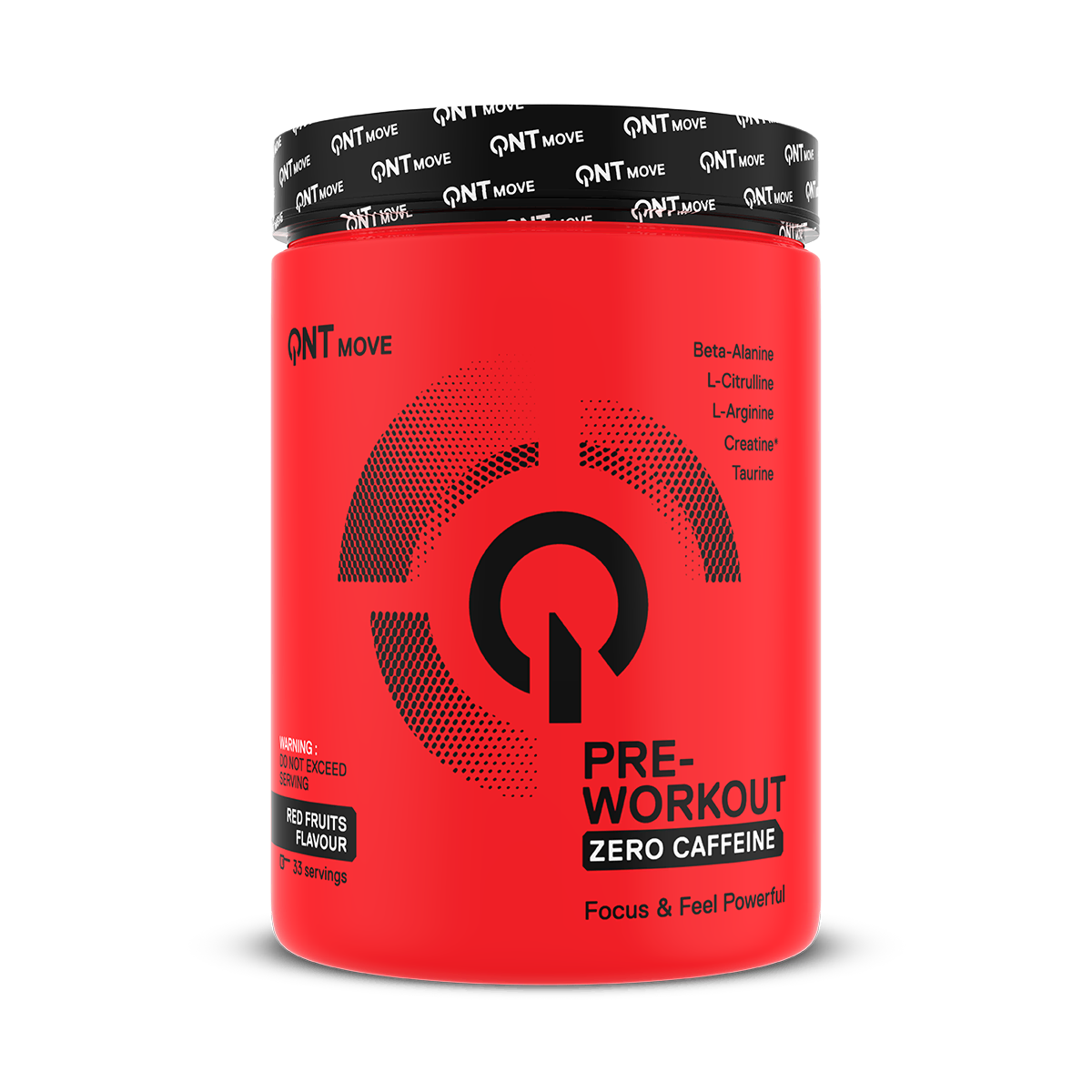
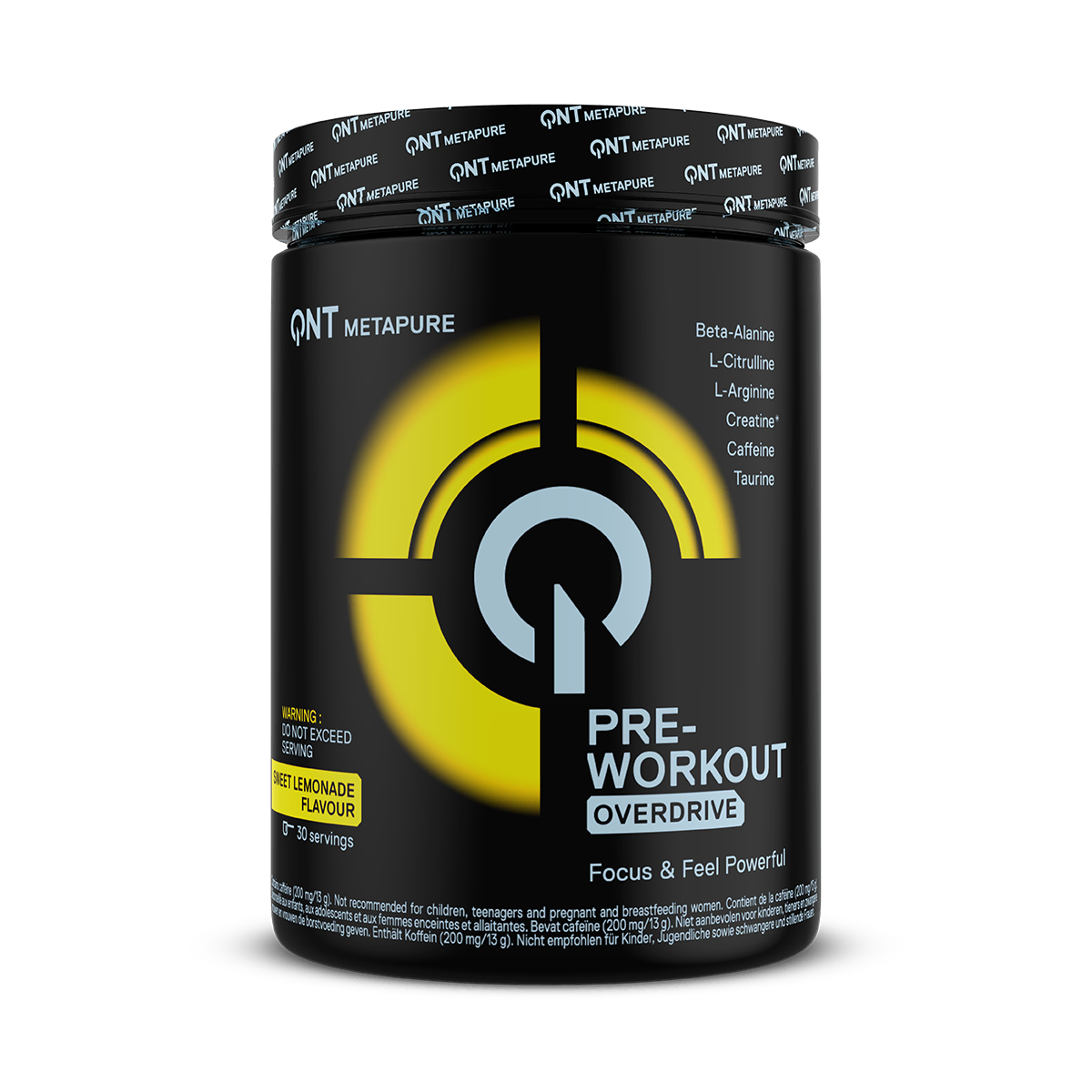
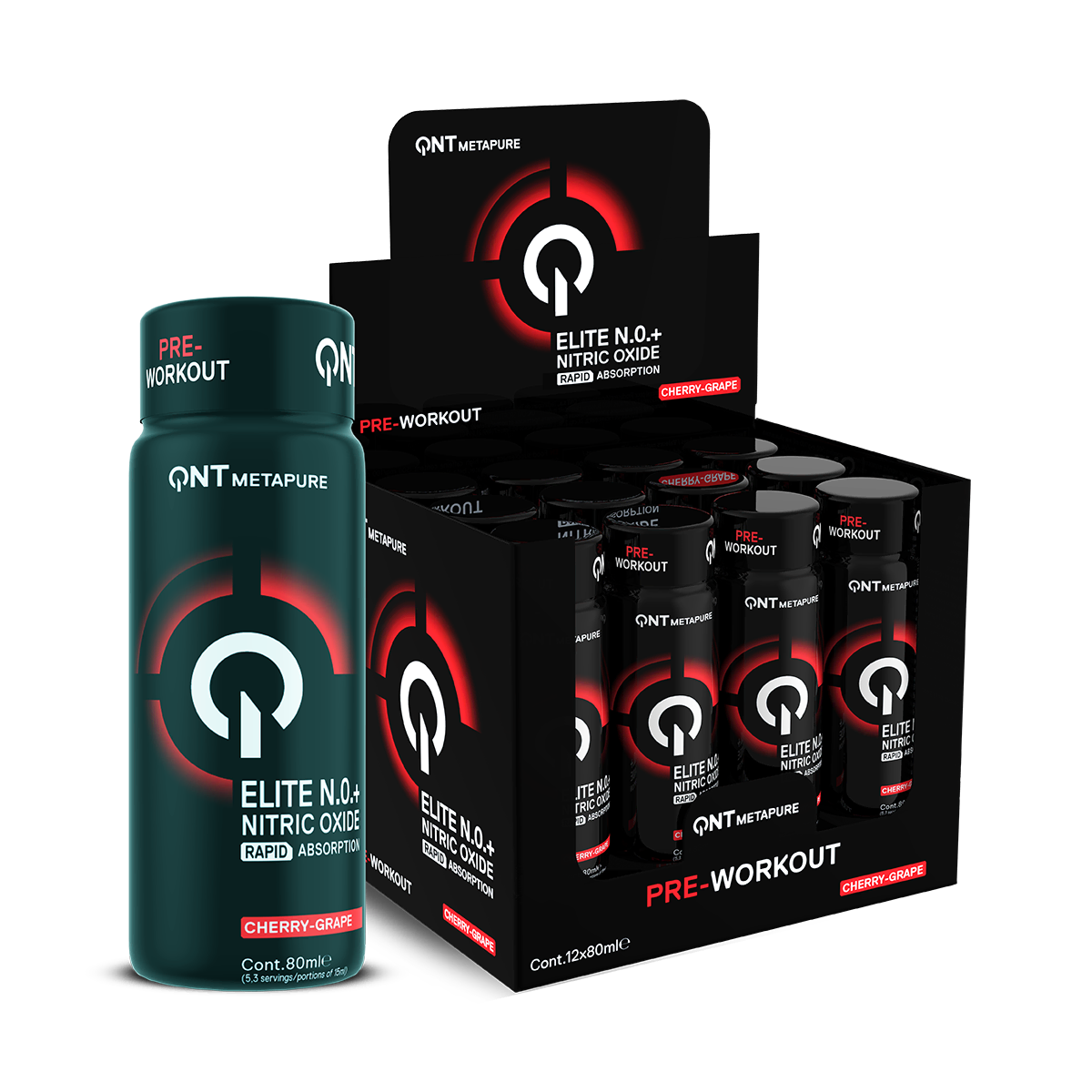
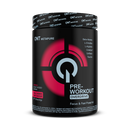
At QNT Sport, we incorporate beta-alanine into our pre-workout collection, notably in our Pre-workout Overdrive formula, manufactured in Belgium since 1992.
What are the proven benefits of beta-alanine?
Improved performance during 1-to-10-minute efforts
According to the ISSN position stand, beta-alanine improves exercise capacity, particularly during high-intensity efforts lasting 1 to 10 minutes (Trexler et al., 2015). Meta-analyses report an average performance improvement of 2 to 3%.
This improvement is particularly relevant for disciplines like CrossFit, combat sports, sprinting, rowing, and track cycling — any effort where muscle acidosis is a limiting factor.
Increased muscle carnosine
Beta-alanine supplementation increases muscle carnosine concentrations by 20 to 80%, depending on duration and dose. After 4 weeks of supplementation at 4-6 g/day, studies observe a 40 to 60% increase in carnosine levels (Trexler et al., 2015).
Delayed muscle fatigue
By buffering intracellular acidity, carnosine allows your muscles to sustain intense effort for longer. Studies suggest this translates to more reps in weight training, longer sprint maintenance, or pushing the fatigue threshold during a CrossFit WOD.
Increased training volume
An often-underestimated benefit: by delaying fatigue, beta-alanine may help increase total training volume. More reps per set, more sets per session — and over time, this cumulative effect can support greater muscular adaptations.
What is the recommended beta-alanine dosage?
The ISSN recommends a dosage of 3.2 to 6.4 g per day, divided into multiple doses of 0.8 to 1.6 g to minimize tingling (Trexler et al., 2015).
Recommended loading protocol
| Phase | Duration | Daily dosage | Goal | Loading | Weeks 1-4 | 4-6 g/day in 3-4 doses | Increase carnosine by 40-60% |
|---|---|---|---|---|---|---|---|
| Maintenance | Weeks 5+ | 3-4 g/day | Maintain elevated levels |
When to expect results
Beta-alanine isn't an instant stimulant like caffeine. Its benefits build over time:
- Week 2: 20-30% increase in muscle carnosine
- Week 4: 40-60% increase — performance benefits become measurable
- Week 12: carnosine levels at peak — full benefits established
Consistency is key. Take it every day, including rest days. Our Pre-workout Overdrive contains an effective dose of beta-alanine alongside L-citrulline, taurine, and caffeine.
Timing: before or after training?
Unlike caffeine, the timing of beta-alanine intake matters little. The key is reaching your total daily dose. Consistency matters, not timing.
Beta-alanine side effects: what about the tingling?
Paresthesia: uncomfortable but harmless
The only frequently reported side effect is paresthesia — a tingling or prickling sensation, mainly on the face, neck, and hands. It typically appears 15-20 minutes after ingestion and lasts 60-90 minutes.
This sensation is caused by activation of MrgprD receptors on cutaneous sensory neurons. It is not an allergic reaction and is not a sign of danger. The ISSN confirms that no harmful effects are associated with this paresthesia (Trexler et al., 2015).
How to reduce the tingling
- Split your doses: take 0.8-1.6 g per serving instead of a single large dose
- Sustained-release formulas: reduce peak blood concentration
- Take with food: slows absorption and reduces the effect
Long-term safety
The ISSN considers beta-alanine safe for healthy adults at recommended doses. No studies have found adverse effects on kidney, liver, or cardiovascular function at doses up to 6.4 g/day for 24 weeks.
Note: as with any dietary supplement, consult a healthcare professional if you are pregnant, breastfeeding, or taking medication.
Beta-alanine and creatine: a powerful combination
Beta-alanine and creatine work through complementary mechanisms. Creatine increases phosphocreatine stores (explosive energy over 0-10 seconds), while beta-alanine buffers muscle acidity (endurance over 1-10 minutes).
Studies suggest that combining both may offer superior benefits compared to either alone, particularly for mixed-intensity efforts like CrossFit, circuit training, or combat sports (Hoffman et al., 2006).
For more on optimal creatine timing, see our creatine timing guide. Also check out our Creatine Monohydrate, manufactured in Belgium to the highest standards.
Who should take beta-alanine?
Beta-alanine may support the performance of athletes in disciplines where muscle acidosis is a limiting factor:
- CrossFit and functional training: intense WODs of 5-20 minutes
- Combat sports: 2-5 minute high-intensity rounds
- Track cycling and sprinting: maximal efforts of 1-4 minutes
- Weight training: high-rep sets (12-20 reps) and intensity techniques
- Running: 400m, 800m, 1500m events
For pure endurance efforts (marathon, ultra-running), the benefits are more limited since muscle acidosis isn't the primary limiting factor.
References
- Trexler, E.T. et al. (2015). "ISSN position stand: Beta-Alanine." JISSN, 12, 30. DOI
- Hoffman, J.R. et al. (2006). "Creatine and beta-alanine supplementation." IJSNEM, 16(4), 430-446. DOI
- Saunders, B. et al. (2017). "Beta-alanine supplementation: systematic review." BJSM, 51(8), 658-669. DOI
- Goldstein, E.R. et al. (2010). "ISSN position stand: caffeine and performance." JISSN, 7(1), 5. DOI
- Examine.com — Beta-Alanine
By the QNT Sport team — Over 30 years of sports nutrition expertise