







Creatine side effects: kidneys, liver, digestion and common myths
Table of contents

Creatine still has a persistent reputation for damaging the kidneys or putting strain on the liver. However, the creatine side effects observed in healthy adults remain few and mild, provided the dose stays within reasonable limits.
This guide starts with the two most common concerns: the kidneys and the liver. It then looks at the drawbacks that can genuinely occur, such as digestive discomfort or weight gain, before addressing common myths.
Key points in 30 seconds
• In healthy adults, studies show no evidence of kidney or liver damage at the usual doses.
• Creatinine, a waste product from the muscles measured in the blood, increases without this meaning that the kidneys are filtering less effectively.
• Taking a large dose all at once can cause diarrhoea, whereas the same amount split into several doses is better tolerated.
• The weight gained in the first few days is mainly water, and there is no proven link to hair loss.
Is creatine bad for your kidneys?
In healthy adults, more than twenty years of research suggest that creatine does not damage the kidneys at the recommended doses [1]. A systematic review published in 2025 found no significant change in glomerular filtration rate, as measured in five of its 21 studies [2]. This rate corresponds to the volume of fluid that the kidneys filter from the blood every minute. In athletes who had been taking creatine for between ten months and five years, at doses of up to 10 g per day, it remained similar to that of non-users [3].
This concern stems partly from a case reported in 1998, involving a young man who already had kidney disease [1]. His creatinine levels had risen after a few weeks of taking creatine, first at a dose of 15 g per day and then at 2 g per day [1]. This rise was interpreted as a sign of worsening kidney function, even though creatine itself causes this marker to rise [1].
Why does creatine raise creatinine on a blood test?
In muscle, creatine and its storage form, phosphocreatine, are spontaneously converted into creatinine [1]. This waste product enters the blood, then the kidneys filter it out and excrete it in the urine [1]. Blood creatinine is therefore commonly used as an indicator of kidney function [1]. However, this level also depends on muscle mass and diet, as both meat and creatine supplements cause it to rise [1].
A slightly higher creatinine level in someone taking creatine would therefore mainly indicate higher creatine levels, especially as glomerular filtration rate does not decrease in the studies [2].

Figure 1. Why creatinine rises when taking creatine.
The diagram traces creatinine from the muscle to the urine, then compares blood levels with and without creatine. A slightly higher value is therefore not enough to conclude that there is a kidney problem.
Can creatine damage your liver?
There is no evidence to suggest that creatine damages the liver in healthy adults. A safety study followed college American football players for up to 21 months [3]. They took approximately 16 g per day for five days, followed by 5 to 10 g per day [3]. Their liver enzymes, which were measured to detect any liver damage, remained comparable to those of players who did not take creatine [3]. However, these measurements, taken in healthy athletes, do not provide information about people who already have liver problems.
The liver, together with the kidneys, is involved in the natural production of creatine [3], as explained in the article Where does creatine come from?.
Can creatine cause diarrhoea or bloating?
Yes, digestive discomfort can occur, particularly when 10 g or more is taken in a single dose [1] [4]. A 28-day trial divided 59 elite footballers between two different ways of taking 10 g of creatine and a placebo [4]. The most common complaints were diarrhoea, stomach ache and belching [4]. Diarrhoea affected 56% of the players who took 10 g in a single dose [4]. It affected 29% of those who took the 10 g in two doses, a figure comparable to the 35% in the placebo group [4].

Figure 2. Share of footballers who reported diarrhoea, by how 10 g of creatine was taken.
Each bar shows the proportion of players affected during the trial. The discomfort is therefore due less to creatine itself than to the amount consumed in one go.
Does creatine make you pee more or dehydrate you?
No, creatine does not appear to cause dehydration or increase urine output. A review of ten trials found no evidence to suggest that it disrupts the body’s water balance [5]. Among American football players monitored for up to 21 months, urine volume did not differ from that of non-users [3].
Creatine actually draws water into the muscle, rather than causing it to be lost [1]. A more frequent urge to urinate could be due to the water consumed alongside the supplement, but studies have not investigated this possibility. Cramps were even less frequent among American football players who took creatine during a season played in hot weather [1]. The article creatine and water sets out water intake requirements in detail.
Does creatine cause weight gain or hair loss?
Weight gain remains the most commonly reported side effect in studies on creatine [3]. A loading phase, that is, approximately 20 g per day for five to seven days, generally leads to a weight gain of 1 to 3 kg [1]. This gain is mainly due to water retained by the body during the first few days of supplementation [1]. Furthermore, trials lasting from one week to two years show no increase in body fat [1]. The comprehensive guide to creatine monohydrate discusses the daily dose and the loading phase.
The link with hair loss is based mainly on a single trial published in 2009 involving around twenty rugby players [1] [6]. Their levels of DHT, a hormone derived from testosterone and implicated in certain forms of hair loss, had increased by 56% within a week at a dose of 25 g per day [6]. This level remained 40% above baseline after two weeks at a dose of 5 g per day, and their hair was not examined [6]. However, these values remained within clinical norms, and this result has not been replicated [1]. A trial published in 2025 then followed 38 men for twelve weeks, at a dose of 5 g per day [7]. It found no significant difference compared with the placebo, either in DHT levels or in hair density [7].

Figure 3. The effects attributed to creatine, and what the studies show.
Each card links a common fear to the findings of the studies. Only digestive discomfort and water retention in the first few days correspond to actual side effects. Both are preventable or temporary.
Practical implications
• Keeping to the dose on the product label seems sensible, as studies treat 3 to 5 g per day as the usual dose [1].
• Taking 10 g or more in one go is best avoided, since it exceeds the doses on the labels and causes diarrhoea more often [4].
• Mentioning creatine to the doctor before a blood test helps them interpret creatinine correctly.
• Medical advice is worth seeking before starting in case of kidney disease, diabetes or medical treatment.
The QNT selection
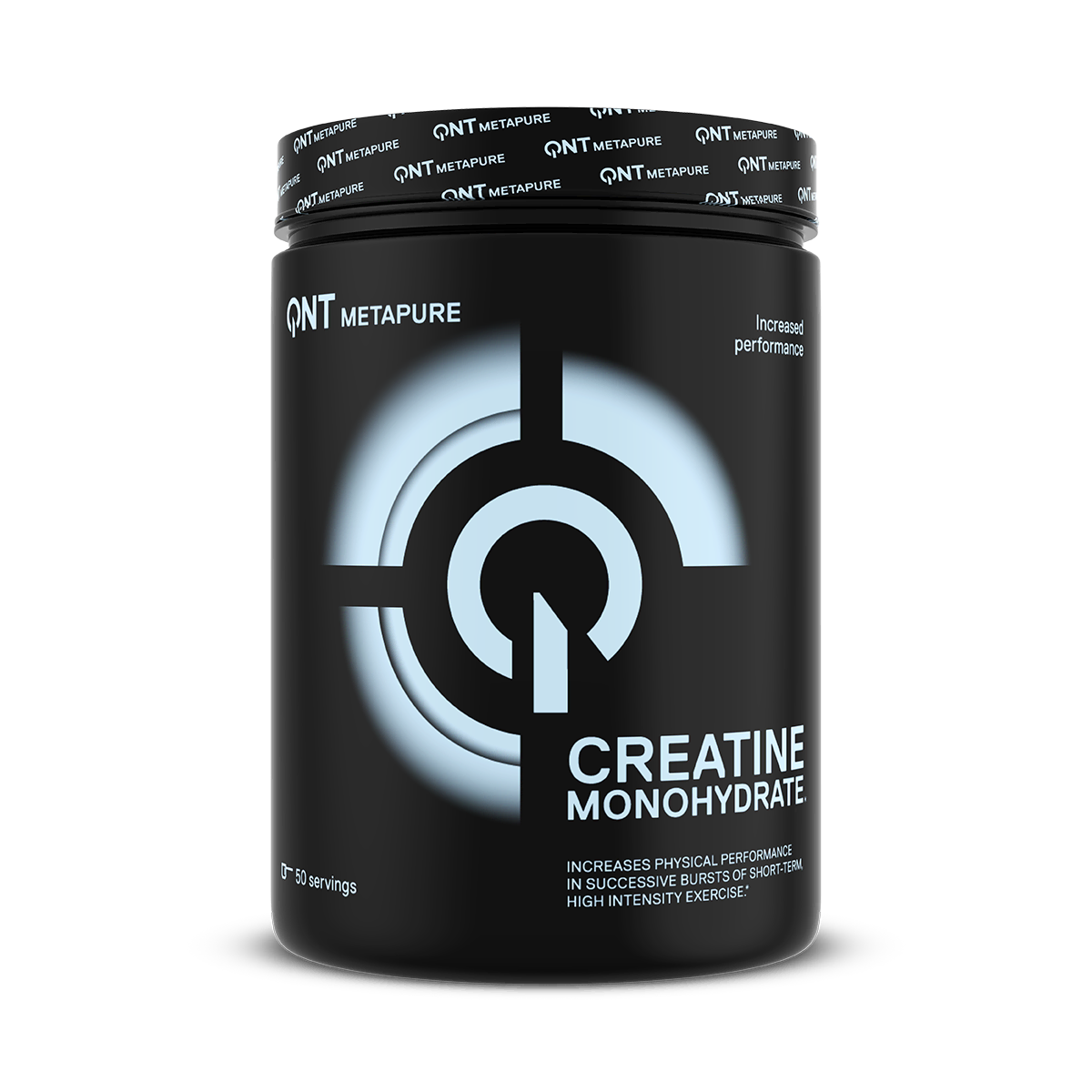
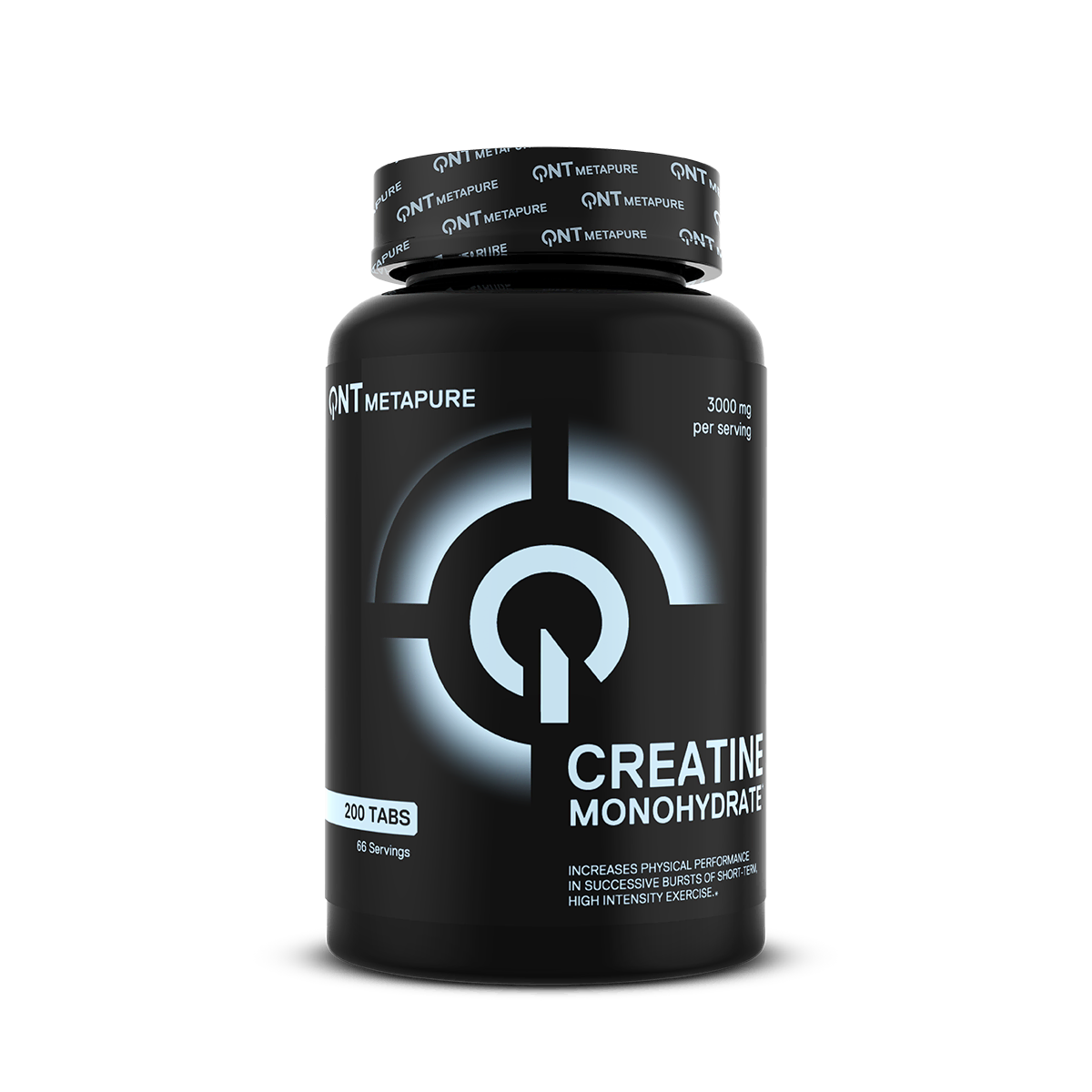
QNT Sport, a Belgian brand, has been manufacturing dietary supplements since 1992. None of these products are essential. They all contain creatine monohydrate, in three forms, to be taken according to the dosage and duration indicated on each label.
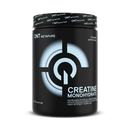
- For an unflavoured powder: Pure Creatine Monohydrate, which contains creatine monohydrate as its sole ingredient
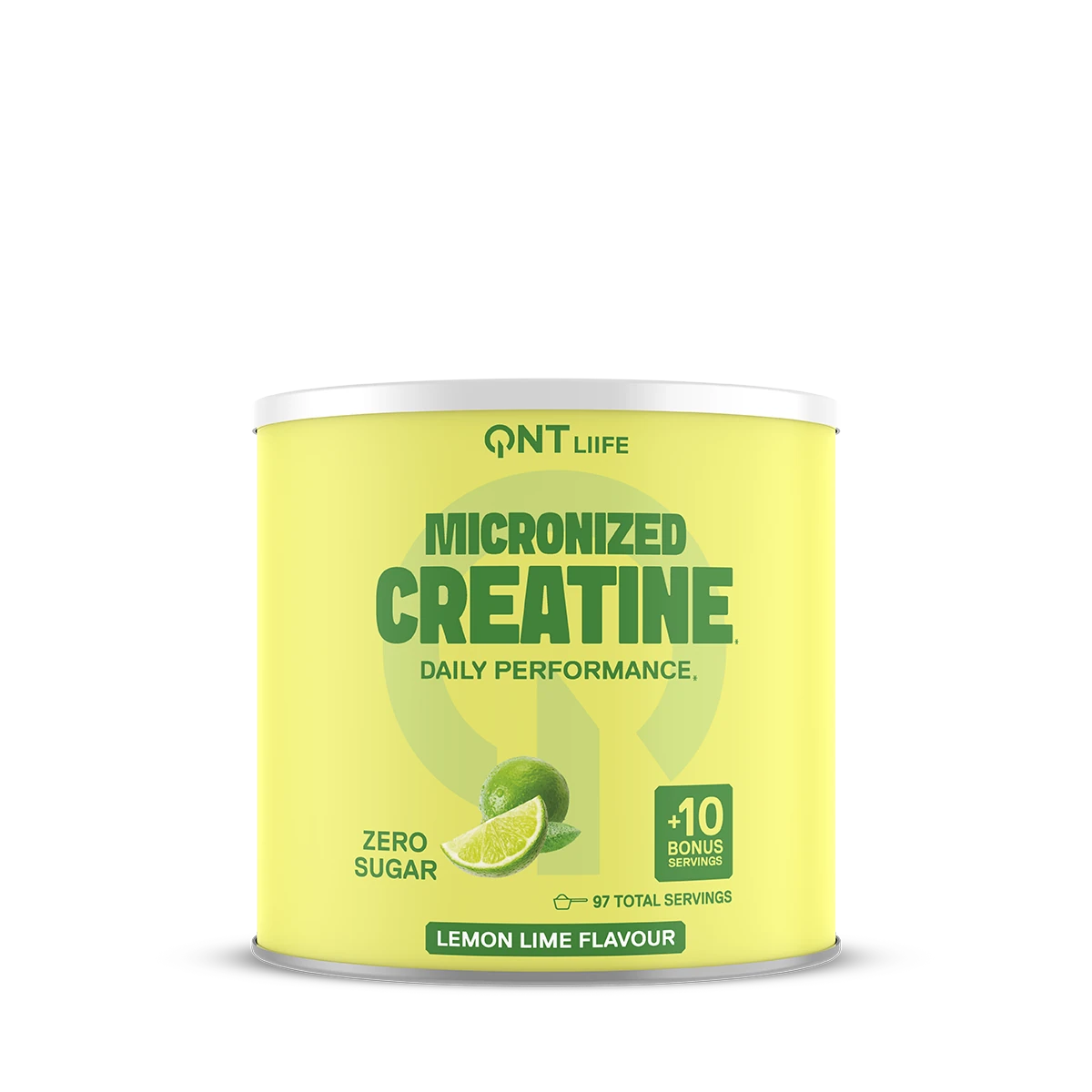
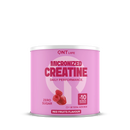
- For a glass of flavoured water: QNT LIIFE Micronized Creatine, 3 g of creatine monohydrate per serving
- To take without any preparation: Creatine Monohydrate 3000 mg, 3 tablets containing 3 g of creatine monohydrate
According to the label, Micronized Creatine is intended for adults only and is not recommended for pregnant or breastfeeding women. The label also asks for it not to be combined with any other source of creatine. It further recommends consulting a doctor before use in cases of kidney disease, diabetes or medical treatment.
Conclusion
Contrary to popular belief, the creatine side effects observed in healthy adults are limited to a few kilos of water weight during a loading phase and digestive discomfort when the dose taken in one go is too high. Studies show no damage to the kidneys or liver, and the dose stated on the label remains the guideline to follow. For those wishing to take it, QNT’s creatine range is available in powder form, plain or flavoured, and in tablet form.
Sources
- Antonio J, Candow DG, Forbes SC, et al. (2021). Common questions and misconceptions about creatine supplementation: what does the scientific evidence really show? Journal of the International Society of Sports Nutrition, 18(1), 13. https://doi.org/10.1186/s12970-021-00412-w
- Naeini EK, Eskandari M, Mortazavi M, et al. (2025). Effect of creatine supplementation on kidney function: a systematic review and meta-analysis. BMC Nephrology, 26(1), 622. https://doi.org/10.1186/s12882-025-04558-6
- Kreider RB, Kalman DS, Antonio J, et al. (2017). International Society of Sports Nutrition position stand: safety and efficacy of creatine supplementation in exercise, sport, and medicine. Journal of the International Society of Sports Nutrition, 14, 18. https://doi.org/10.1186/s12970-017-0173-z
- Ostojic SM, Ahmetovic Z. (2008). Gastrointestinal distress after creatine supplementation in athletes: are side effects dose dependent? Research in Sports Medicine, 16(1), 15-22. https://doi.org/10.1080/15438620701693280
- Lopez RM, Casa DJ, McDermott BP, et al. (2009). Does creatine supplementation hinder exercise heat tolerance or hydration status? A systematic review with meta-analyses. Journal of Athletic Training, 44(2), 215-223. https://doi.org/10.4085/1062-6050-44.2.215
- van der Merwe J, Brooks NE, Myburgh KH. (2009). Three weeks of creatine monohydrate supplementation affects dihydrotestosterone to testosterone ratio in college-aged rugby players. Clinical Journal of Sport Medicine, 19(5), 399-404. https://doi.org/10.1097/JSM.0b013e3181b8b52f
- Lak M, Forbes SC, Ashtary-Larky D, et al. (2025). Does creatine cause hair loss? A 12-week randomized controlled trial. Journal of the International Society of Sports Nutrition, 22(sup1), 2495229. https://doi.org/10.1080/15502783.2025.2495229
Updated October 19, 2026