






Osteoarthritis supplements: what the science really shows
Table of contents

Last updated: August 17, 2026
By Marius Grek, nutrition expert at QNT Sport, which has been manufacturing food supplements since 1992.
Close to 595 million people were living with osteoarthritis in 2020, which represents 7.6 % of the world population (Steinmetz et al., 2023). The same analysis projects nearly one billion cases by 2050. Athletes and physically active people are not spared, since joint injury and a poorly managed training load rank among the best documented risk factors. Osteoarthritis supplements fill a large part of the joint care shelf, yet the level of proof shifts sharply from one active ingredient to the next. This guide examines ten supplements commonly suggested for osteoarthritis and sets out, for each of them, the level of evidence behind it.
This article is written for information and does not replace medical advice. Joint pain that persists deserves a consultation.
What is osteoarthritis and why does it affect athletes?
Osteoarthritis is the progressive degeneration of joint cartilage, the smooth tissue that covers the ends of the bones and lets movement stay fluid. As this cartilage thins, the joint space narrows and the bone underneath remodels. Movement then turns painful, and stiffness and inflammation often come along with it.
How osteoarthritis takes hold
Cartilage is the smooth coating on the ends of the bones that lets a joint glide without friction. Cells inside it maintain and repair it non-stop, but that work is slow, and cartilage holds neither blood vessels nor nerves.
Osteoarthritis begins when breakdown outpaces repair. Repeated overload or an old injury pushes those cells to release enzymes that cut the cartilage apart faster than it rebuilds. The debris then irritates the membrane lining the joint, that membrane becomes inflamed, and the inflammation drives further breakdown. The disease therefore keeps itself going. The bone under the cartilage hardens in turn and cushions impact less well (Martel-Pelletier et al., 2016).
One point often comes as a surprise. Since cartilage has no nerves, the pain does not come from the worn cartilage itself, but from the bone, the membrane and the surrounding tissue. This is why a joint that looks badly damaged on an X-ray can hurt very little, and why the reverse happens too (Bedson and Croft, 2008).
Risk factors
Osteoarthritis does not affect only older people, even if age remains a decisive factor. Cartilage does indeed repair itself less well as the years pass. A history of joint injury, intensive practice of high-impact sports and excess weight are the other well established factors. As for the data on how weight affects cartilage, an 18-month trial in 142 overweight adults with knee osteoarthritis found that every kilo lost took about four kilos of load off the knee at each step (Messier et al., 2005). Genetics and hormonal status also play a part, and women are more affected after menopause.
Why athletes are concerned
Athletes load their joints over and over, and micro-trauma builds up when recovery does not keep pace. Among former professional footballers, knee osteoarthritis is two to three times more frequent than in men from the general population. The relative risk reaches 2.21 for radiographic osteoarthritis (Fernandes et al., 2018). This finding covers one specific sport and professional careers, so it does not carry over to every form of sport.
The 10 osteoarthritis supplements commonly suggested
The doses given below are the ones used in the clinical trials. They describe research protocols and do not amount to an individual recommendation.
1. Glucosamine
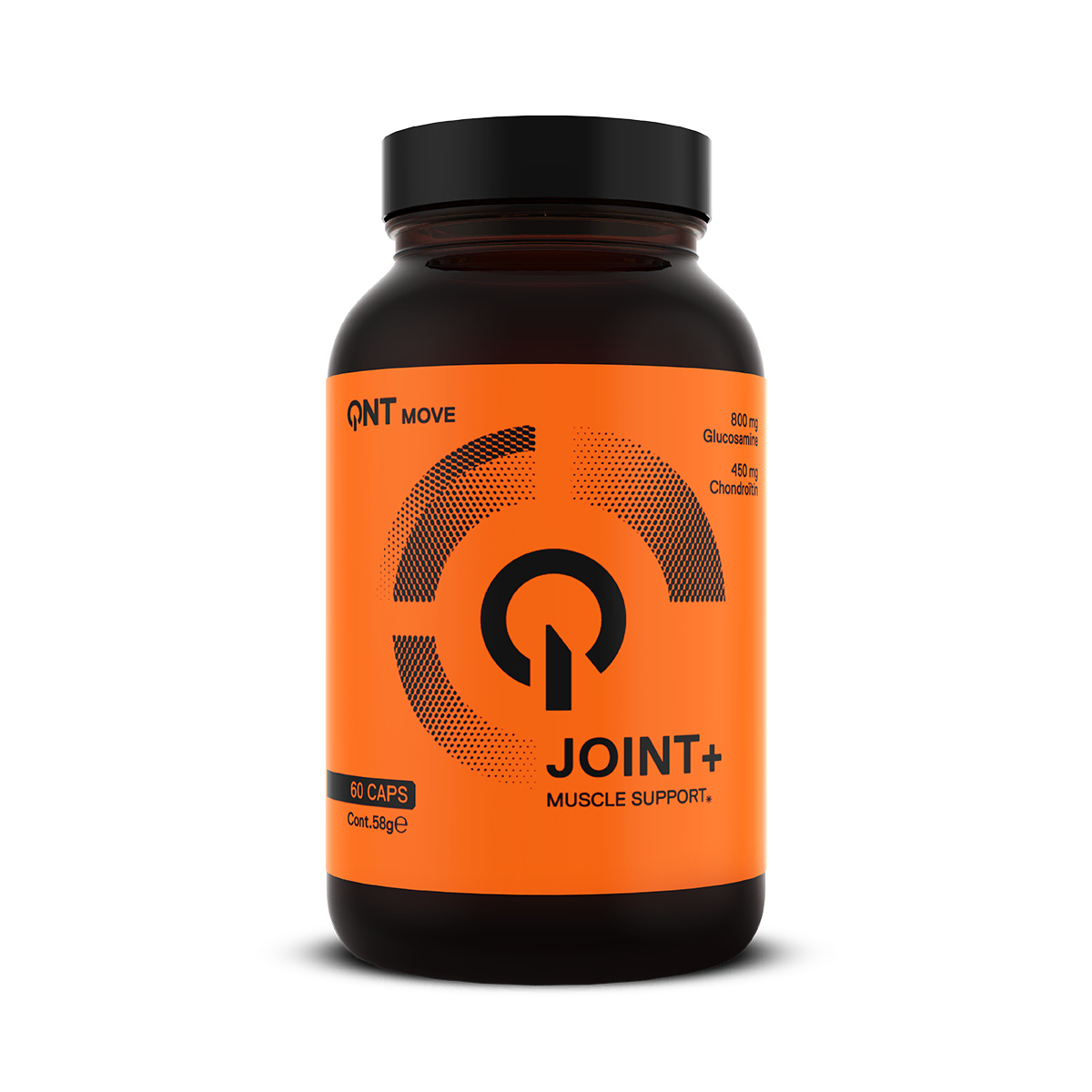
Glucosamine occurs naturally in cartilage, where the body uses it to build the molecules that hold water inside the cartilage matrix. It is the best selling joint supplement, and it is also the one whose results disappoint the most. A systematic review of 69 randomised trials concludes that glucosamine is either ineffective or tied to effects too small to matter clinically (Liu et al., 2018). A non-inferiority trial in 606 patients with moderate to severe knee osteoarthritis did report pain relief comparable to celecoxib after six months for glucosamine taken with chondroitin (Hochberg et al., 2016). That trial had no placebo group, which limits how far the comparison can be taken. Dose studied: the trials used 1,500 mg per day and waited at least three months before any assessment. In the QNT range, glucosamine sits in Joint +, paired with chondroitin (the formula is crustacean-derived).
2. Chondroitin
Chondroitin sulfate helps cartilage hold on to water, which feeds into how well it resists compression. The review by Liu et al. already cited for glucosamine credits it with a statistically significant structural improvement (Liu et al., 2018). That improvement does not translate into anything the patients themselves feel. Dose studied: the trials used 1,200 mg per day, most often alongside glucosamine. At QNT it is paired with glucosamine in Joint +.
3. Hydrolysed collagen
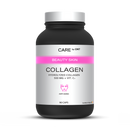
Hydrolysed collagen supplies glycine, proline and hydroxyproline, the amino acids the body draws on to build the cartilage matrix. It is one of the few supplements for which the review of 69 trials notes a marked effect on pain in the short term (Liu et al., 2018). The most cited trial followed 147 athletes for 24 weeks on 10 g per day and measured a significant drop in activity-related joint pain (Clark et al., 2008). These participants had no established osteoarthritis, which does not allow the result to be carried straight over to a joint that is already osteoarthritic. A meta-analysis of placebo-controlled trials reports an improvement in the overall score that combines pain, stiffness and the ability to move. The scale on which patients rate their own pain improves as well. Taken separately, pain and function do not differ from placebo (García-Coronado et al., 2019). Dose studied: the trials used 10 g per day, and vitamin C is needed for normal collagen formation. Discover our collagen range. Collagen Care pairs hydrolysed collagen with vitamin C and hyaluronic acid, and Collagen Hydrolyzed 500 mg offers it in capsules.
4. Omega-3
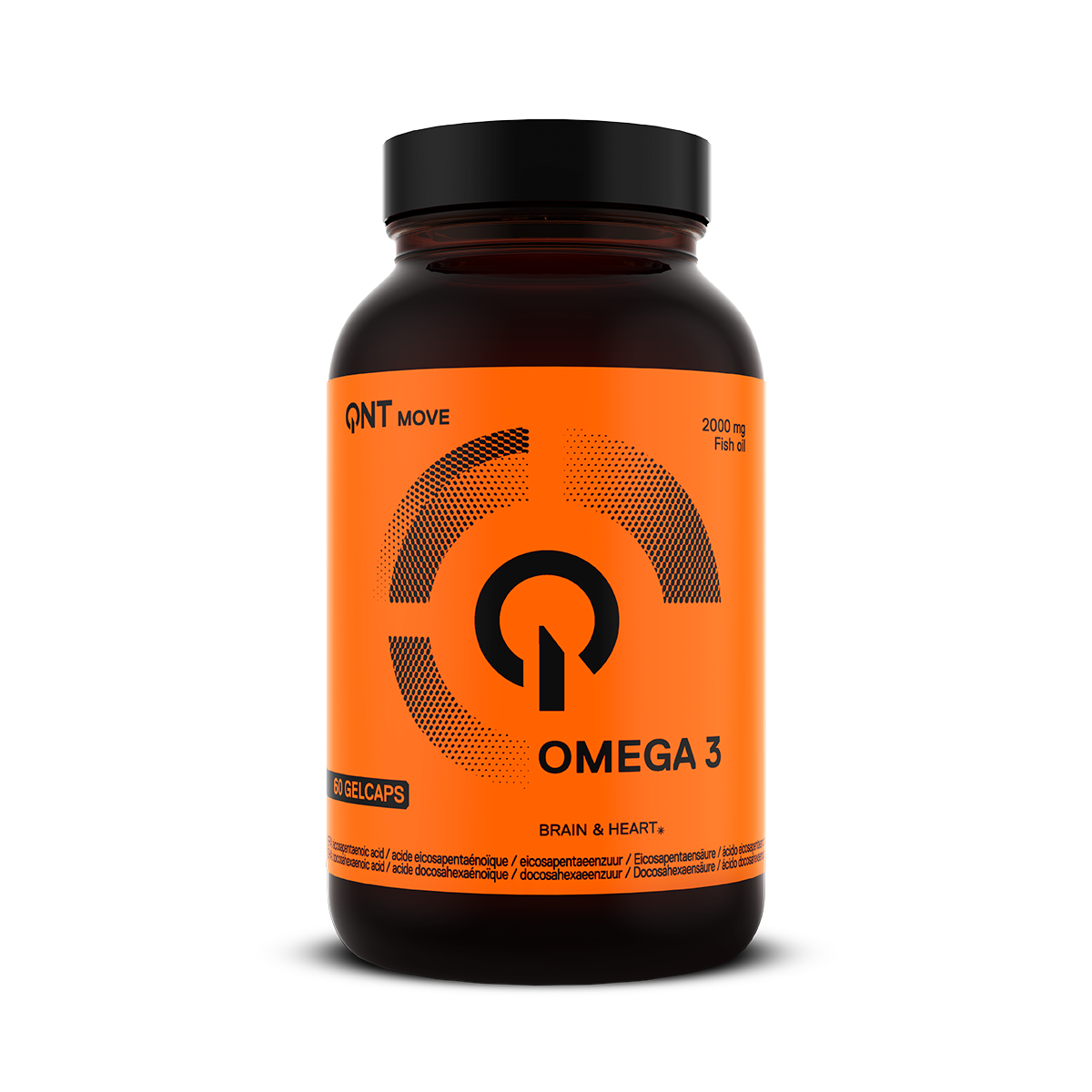
The fatty acids EPA and DHA change the way inflammatory mediators are produced. In athletes they have mainly been studied for the inflammatory response to exercise and for performance rather than in osteoarthritis (Philpott et al., 2019). No conclusion about how an osteoarthritis develops can be drawn from that work. Dose studied: the trials used 2,000 to 3,000 mg of EPA and DHA per day. In the QNT range, EPA and DHA sit in OMEGA 3 - 3000 mg.
5. Vitamin D
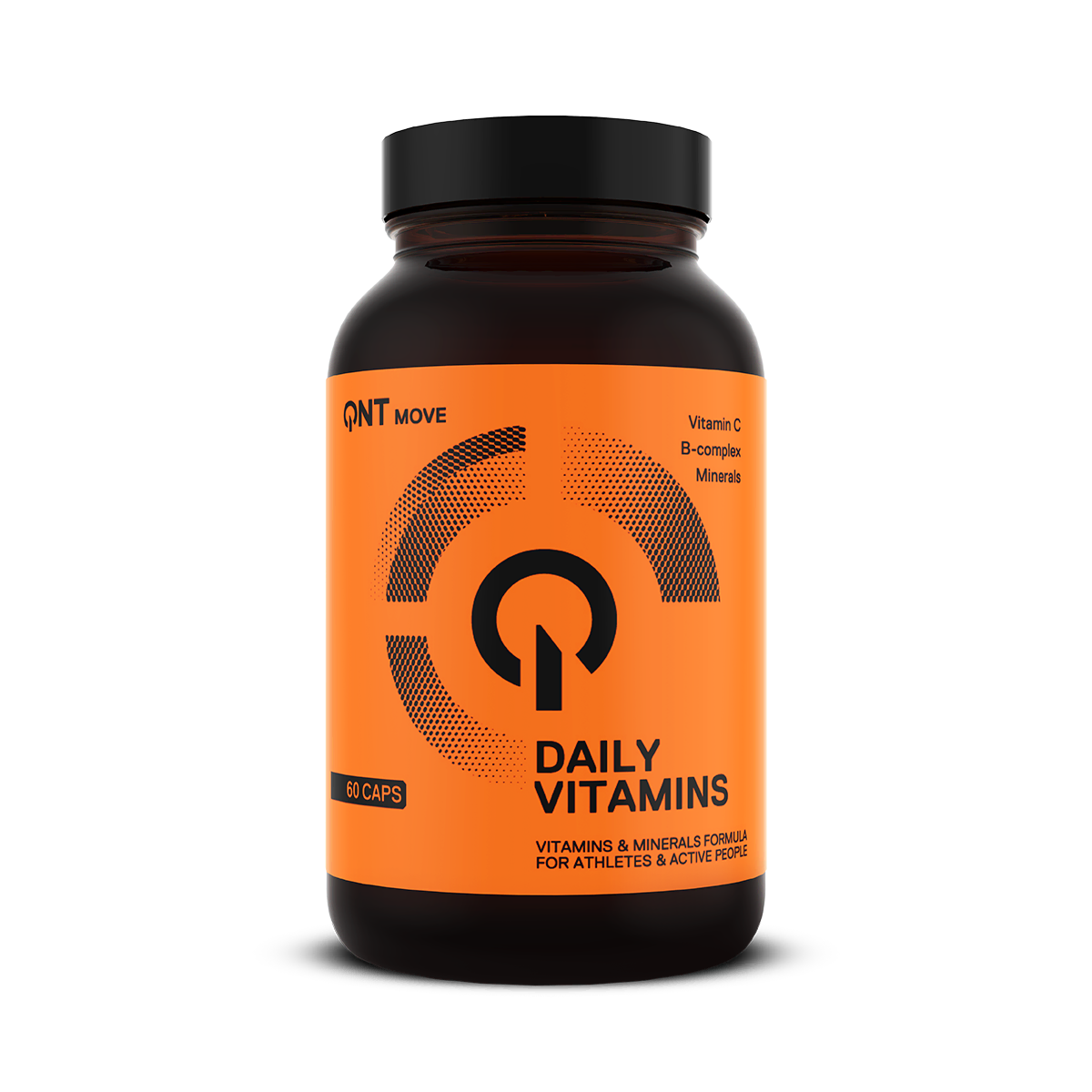
Vitamin D contributes to the maintenance of normal bones and to normal muscle function, two claims authorised at European level. The idea that supplementing slows osteoarthritis down is not confirmed, on the other hand. A two-year randomised trial in patients with symptomatic knee osteoarthritis showed neither pain relief nor slower cartilage loss compared with placebo (McAlindon et al., 2013). Correcting a shortfall keeps its value for bone and muscle, quite apart from any expected effect on an osteoarthritic joint. Dose studied: the trials used 1,000 to 2,000 IU per day. Our vitamins and minerals collection offers several formulas. Our Vitamin D3 3000 IU covers that intake, and Joint + contains it too.
6. Curcumin (turmeric)
The curcuminoids in turmeric act on several inflammatory pathways. Curcuma longa extract and curcumin sit among the seven supplements for which the review of 69 trials notes a large effect on pain in the short term (Liu et al., 2018). No benefit holds up in the medium and long term assessments, however. Piperine is often added to improve the absorption of curcumin, which is naturally low. Dose studied: the trials used 500 to 1,000 mg per day. In the QNT range, curcumin sits in Curcuma+.
7. MSM
Methylsulfonylmethane is better known as MSM. It provides sulfur, an element that enters into the make-up of cartilage. The available trials are still few and small, and MSM is not among the supplements that the review by Liu et al. singles out for a clinically important effect. Dose studied: the trials used 1,000 to 3,000 mg per day.
8. Oral hyaluronic acid
Hyaluronic acid is one component of synovial fluid, the fluid that lubricates the joint. The solid data concern the form injected directly into the joint, which is a medical procedure. For the oral form the trials are few and uneven in methodological quality, and nothing today supports presenting it as better than other supplements. Dose studied: the trials used 80 to 200 mg per day. At QNT, hyaluronic acid is part of the Collagen Care formula, alongside hydrolysed collagen and vitamin C.
9. Vitamin C
Vitamin C contributes to normal collagen formation for the normal function of cartilage, a claim authorised at European level. It acts as a cofactor for the enzymes that stabilise the collagen molecule, which is what makes it sensible to pair with hydrolysed collagen. Dose studied: the trials used 500 to 1,000 mg per day. We offer it on its own in Vitamin C 1000 mg, and paired with collagen in Collagen Care.
10. Calcium
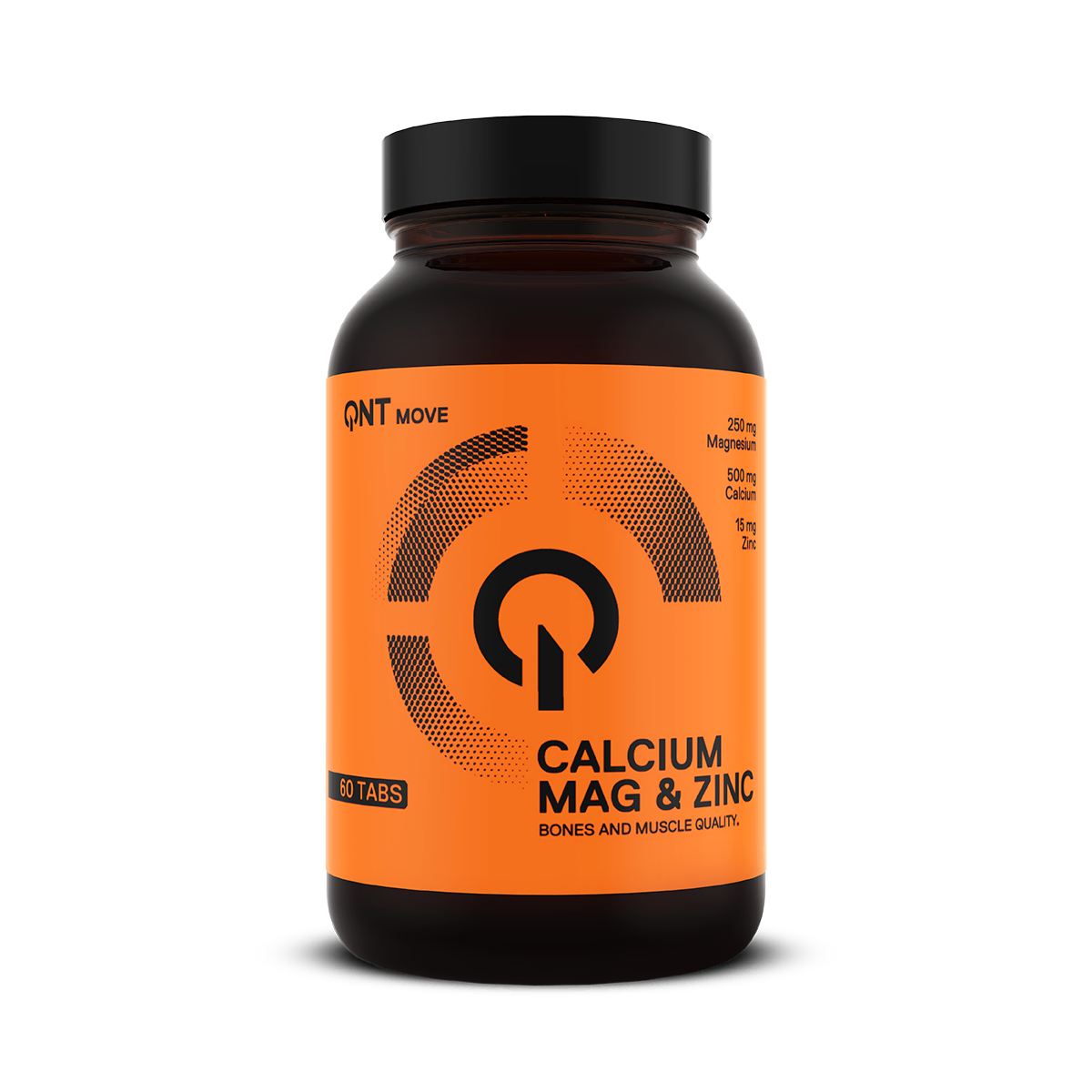
Calcium is needed for the maintenance of normal bones, another claim authorised at European level. It concerns bone rather than cartilage, so its role in osteoarthritis stays indirect. Dose studied: the trials used 1,000 to 1,200 mg per day. In the QNT range, calcium sits in Calcium-Magnesium-Zinc and in Joint +.
Summary table
| Supplement | Dose studied | Level of evidence in osteoarthritis | Timeframe seen in the studies |
|---|---|---|---|
| Glucosamine | 1,500 mg | Low: effects absent or not clinically relevant | 3 months and more |
| Chondroitin | 1,200 mg | Low: structural improvement with no felt benefit | 3 months and more |
| Hydrolysed collagen | 10 g | Moderate in the short term | 12 to 24 weeks |
| Omega-3 | 2,000 to 3,000 mg | Not established in osteoarthritis | 4 to 8 weeks |
| Vitamin D | 1,000 to 2,000 IU | None on osteoarthritis: authorised bone claim | 2 years in the reference trial |
| Curcumin | 500 to 1,000 mg | Moderate in the short term | 4 to 6 weeks |
| MSM | 1,000 to 3,000 mg | Insufficient | 8 to 12 weeks |
| Oral hyaluronic acid | 80 to 200 mg | Insufficient | 8 to 12 weeks |
| Vitamin C | 500 to 1,000 mg | Authorised cartilage claim | Continuous |
| Calcium | 1,000 to 1,200 mg | Authorised bone claim | Continuous |
This table is read by crossing two columns. The dose describes the protocol of the trials while the level of evidence describes what those trials really demonstrated, and the two do not go hand in hand. The conclusion to draw is that the best supported supplements are not the best selling ones. The authorised claims listed in the third column concern the normal working of bone and cartilage, which stays a separate matter from an effect on the disease.
What works most reliably: movement, weight and recovery
Non-drug measures come before supplementation, and they are also the ones whose effects are the most consistent.
Low-impact activity suits the situation particularly well, whether that means swimming, cycling or walking. Strength work keeps all of its value, because a stronger muscle stabilises the joint and absorbs part of the load. A volume of around 150 minutes per week makes a reasonable marker.
On the weight question, the trial by Messier et al. cited above gives the order of magnitude of the mechanical benefit to expect. To build and hold on to muscle mass, the position stand of the International Society of Sports Nutrition (ISSN) settles on 1.4 to 2.0 g of protein per kilo of body weight per day in people who train (Jäger et al., 2017). Discover our proteins.
On the food side, it seems reasonable to favour omega-3 sources as well as fruit and vegetables rich in antioxidants. Recovery counts just as much, with seven to nine hours of sleep and a training load adjusted to the symptoms.
Mistakes to avoid
- Overlooking the first signs. Morning stiffness that drags on and pain when movement starts up again deserve medical advice rather than self-medication.
- Leaning on painkillers alone. They act on the symptom and do not change the way the cartilage evolves.
- Expecting from a supplement what exercise produces. Movement and weight management remain the best documented levers.
- Judging too early. The trials that report an effect observe it after several weeks of continuous use.
- Adding supplements as a matter of principle. No solid data show that stacking active ingredients does better than one well chosen active ingredient.
The QNT products concerned
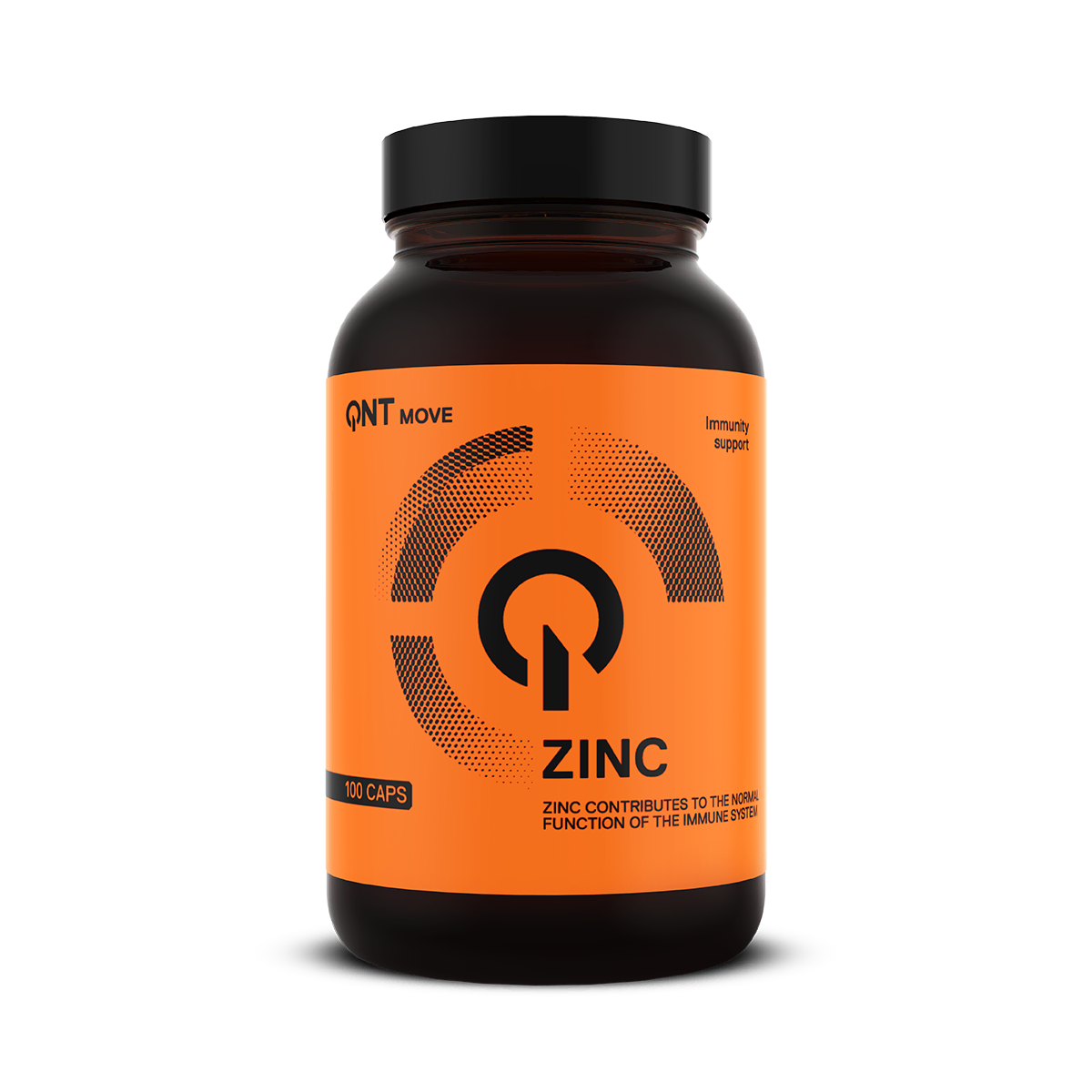
Several of the osteoarthritis supplements reviewed above appear in our range. Our collagen range provides hydrolysed collagen at the dose used in the trials cited above. Our proteins cover the intakes described in the ISSN position stand. Our vitamins and minerals range supplies vitamin C, vitamin D and calcium, whose authorised claims concern cartilage and bone. These products are food supplements and they replace neither a treatment nor medical advice.
Sources
- Steinmetz et al. (2023). Global burden of osteoarthritis, Global Burden of Disease Study 2021. The Lancet Rheumatology. PubMed
- Martel-Pelletier et al. (2016). Osteoarthritis, reference review of the pathophysiology. Nature Reviews Disease Primers. PubMed
- Bedson and Croft (2008). Discordance between radiographic knee osteoarthritis and symptoms, systematic review. BMC Musculoskeletal Disorders. PubMed
- Liu et al. (2018). Dietary supplements in osteoarthritis, systematic review of 69 randomised trials. British Journal of Sports Medicine. PubMed
- Hochberg et al. (2016). Chondroitin and glucosamine versus celecoxib, MOVES non-inferiority trial. Annals of the Rheumatic Diseases. Article
- Clark et al. (2008). Hydrolysed collagen in 147 athletes without established osteoarthritis. Current Medical Research and Opinion. DOI
- García-Coronado et al. (2019). Meta-analysis of collagen in osteoarthritis. International Orthopaedics. PubMed
- McAlindon et al. (2013). Vitamin D in knee osteoarthritis, two-year randomised trial. JAMA. PubMed
- Messier et al. (2005). Weight loss and load carried by the knee. Arthritis and Rheumatism. PubMed
- Fernandes et al. (2018). Knee osteoarthritis in former professional footballers. British Journal of Sports Medicine. PMC
- Philpott et al. (2019). Omega-3 and sports performance. Research in Sports Medicine. DOI
- Jäger et al. (2017). Position stand of the International Society of Sports Nutrition on protein. DOI
- Examine.com : Collagen | Glucosamine
By Marius Grek, nutrition expert at QNT Sport, which has been manufacturing food supplements since 1992.
Frequently asked questions
Which osteoarthritis supplements have the best level of evidence?
Are glucosamine and chondroitin effective?
Does hydrolysed collagen help the joints?
Is turmeric effective?
Can several supplements be combined?
Does osteoarthritis affect athletes?
How long before an effect shows?
Keep reading
 Dietary Supplements
Marine collagen benefits: skin, joints and sport guide 2026
What are the real benefits of marine collagen? Science-backed guide covering skin, joints, and athletic recovery. Dosage, timeline & expert tip...
 Health
Omega 3-6-9 Benefits: Why Athletes Need Them
Omega 3-6-9 benefits for athletes: ISSN 2025 dosage, the omega-6/omega-3 ratio, food sources and how much EPA+DHA you really need for recovery and ...
 Gain Muscle
How to Choose Protein Powder: The Ultimate 2026 Guide
Whey, isolate, casein or vegan? Learn how to choose protein powder for your goal, with a comparison table, the amino acid profile that actually mat...


