




How to Choose Protein Powder: The Ultimate 2026 Guide
Table of contents

Introduction
You are standing in front of the supplement aisle. Whey concentrate, isolate, casein, plant protein: dozens of products, dozens of different labels. How to choose protein powder when the prices vary this much, the marketing promises pile up, and the reviews online contradict each other? You find yourself asking: "Which protein actually matches my goals? Do I have to spend more to get the best quality?"
This guide gives you the answers. By the end, you will know exactly which type of protein to pick for your situation: building mass, losing weight, recovering, or simply fitting your lifestyle. We will unpack the myths, compare the options, and explain why Metapure Whey Isolate Zero is a solid reference point for most athletes.
What is protein powder and why take it?
Protein powder is a food supplement extracted from natural sources (milk, egg, plants) and then dried to give you a concentrated protein source that is easy to dose. It contributes to the maintenance and growth of muscle mass (an authorised EFSA claim) when it is paired with suitable training.
Protein is an essential macronutrient for repairing muscle tissue after exercise, for enzyme synthesis, and for many metabolic functions. Its quality is measured through two indicators: biological value and the DIAAS (Digestible Indispensable Amino Acid Score), which assess digestibility and the essential amino acid profile.
According to the position stand of the ISSN (International Society of Sports Nutrition), the learned society of reference in sports nutrition, which publishes syntheses built on systematic reviews of the scientific literature, athletes and active people should consume between 1.4 and 2.0 g of protein per kilogram of body weight per day to optimise muscle protein synthesis and recovery (Jäger et al., 2017). For a 70 kg person, that works out at 98 to 140 g a day.

Whey, casein, vegan: the protein types explained
There are seven main families of protein powder: whey concentrate, whey isolate, whey hydrolysate, casein, plant (vegan) protein, egg protein and collagen. Each one differs in protein content, absorption speed and amino acid profile. Before comparing them, you need to understand that last point: it is what separates two powders showing the same protein percentage on the front of the tub.
Amino acids: essential, non-essential and BCAA
A protein is not a uniform block: it is a chain built from 20 different amino acids, and it is how they are distributed that determines a powder's real quality. They fall into three groups.
The 9 essential amino acids (EAA): histidine, isoleucine, leucine, lysine, methionine, phenylalanine, threonine, tryptophan and valine. The body cannot make them: they have to come from food. A protein is called "complete" when it contains all of them in sufficient amounts.
The non-essential amino acids: alanine, glycine, proline, glutamine and the rest. The body can synthesise them itself from other substrates. Some are described as "conditionally essential" (glutamine, arginine): under significant stress (illness, injury, a heavy training load), requirements can exceed the body's capacity to make them.
The BCAA (branched-chain amino acids): leucine, isoleucine and valine. They are not a fourth category but three of the nine EAA, grouped together for their branched structure and for the fact that they are metabolised directly in the muscle rather than in the liver.
Among them, leucine plays a role of its own: it acts as the trigger signal for muscle protein synthesis (the mTOR pathway). That is why leucine content, and not just the protein percentage printed on the label, is what tells sources apart. Whey is particularly rich in it (roughly 10 to 11% of its protein fraction), which explains much of its reputation in sports nutrition. It is also what the DIAAS captures: not the raw quantity of protein, but the proportion of essential amino acids that are actually absorbed and usable.
Whey Concentrate
Whey concentrate contains roughly 70 to 80% protein. It is produced by ultrafiltration of whey. Upsides: excellent taste, accessible price, fast absorption. Downsides: higher lactose content, extra fats. Best for: beginners, building mass, value for money.
Whey Isolate
Whey isolate goes through advanced micro-filtration to reach 90%+ pure protein. According to Devries & Phillips (2015), whey has an advantage over other sources for supporting muscle mass, thanks to its richness in essential amino acids and its absorption speed. Upsides: high protein content, almost no lactose, minimal fats and carbs. Downsides: costs more than concentrate. Best for: cutting, lactose intolerance, maximum purity.
Hydrolysed Whey
Pre-digested through enzymatic hydrolysis. Ultra-fast absorption (15 to 30 min). Upsides: easy digestion. Downsides: sometimes bitter, very high price. Best for: intense endurance athletes, sensitive digestion.
Casein
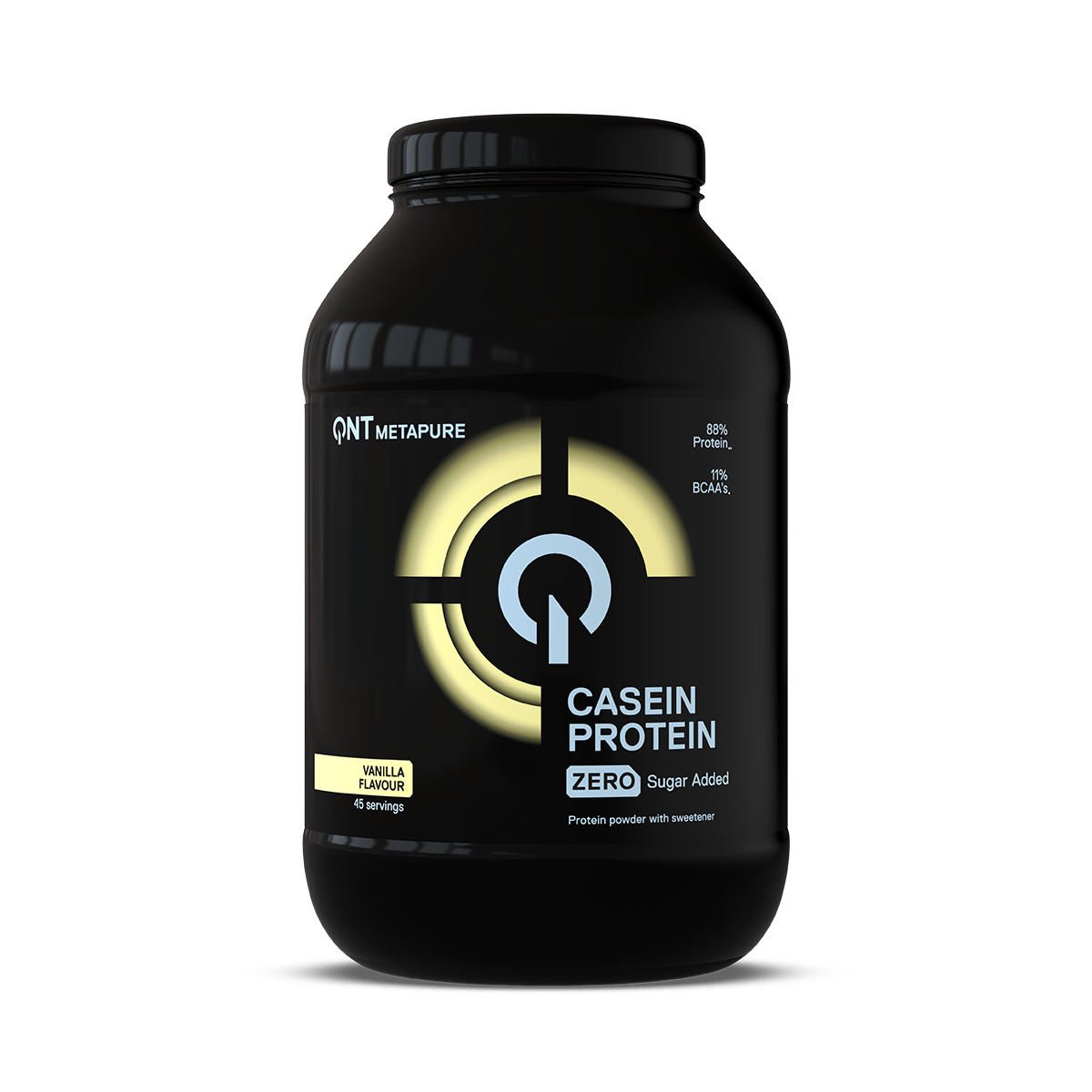
Slow digestion (6 to 8 h). Res et al. (2012) showed that a dose of casein before bed can support overnight protein synthesis, mainly by contributing to a higher total daily protein intake. Best for: before bed, prolonged satiety. To go further, read our dedicated guide: Micellar casein, the slow protein for overnight recovery.
Plant Protein (Vegan)
Blends of pea, rice, hemp, lupin. A complete amino acid profile when well formulated: pea is low in methionine, rice is low in lysine, and combining them fills both gaps. Best for: vegans, lactose intolerance.
Egg Protein
High bioavailability, lactose free. Complete amino acid profile. Best for: non-vegans who are lactose intolerant.
Collagen
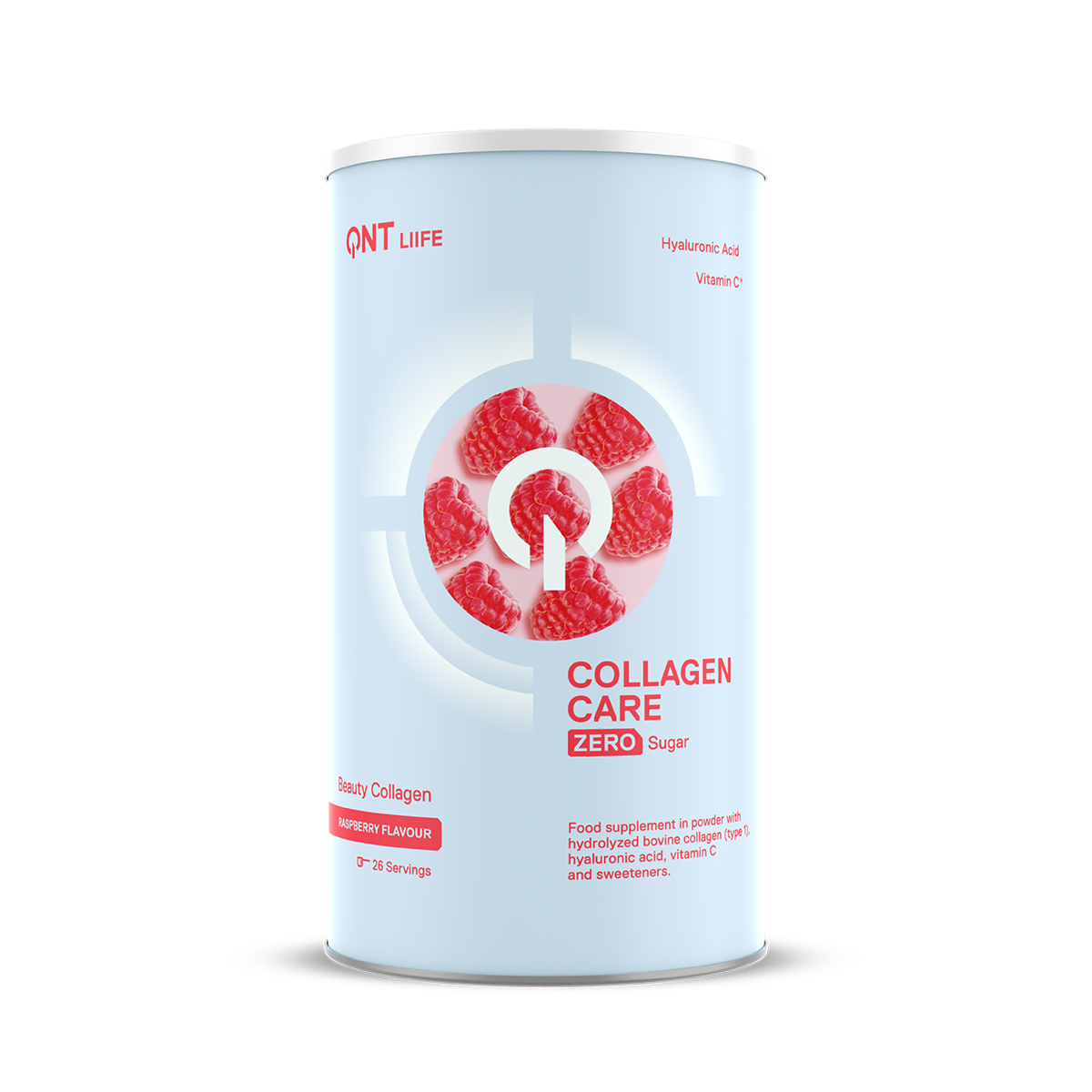
Collagen is not a complete protein, and it is worth spelling out why. It contains no tryptophan at all, one of the nine essential amino acids, and it is very low in leucine, methionine and isoleucine. Its composition is dominated by glycine (about one third), rounded out by proline and hydroxyproline: amino acids that are useful to connective tissue, but barely involved in muscle protein synthesis. The consequence: its DIAAS is close to zero and it cannot be counted as a protein source for building muscle, despite the "90% protein" printed on the label. It is a joint and skin comfort supplement, not a muscle-building protein.
Protein comparison table
| Type | Protein % | Absorption | Lactose | Best for |
|---|---|---|---|---|
| Whey Concentrate | 70-80% | Fast (30-60 min) | Moderate-High | Building mass, budget |
| Whey Isolate | 90%+ | Very fast (20-40 min) | Very low | Cutting, definition, lactose |
| Hydrolysed Whey | 90%+ | Ultra-fast (15-30 min) | Very low | Post intense training |
| Casein | 80-90% | Slow (6-8h) | Moderate | Before bed, satiety |
| Plant | 75-85% | Moderate (45-90 min) | Zero | Vegans, sustainability |
| Egg | 90%+ | Moderate-Fast (45-60 min) | Zero | Natural alternative |
| Collagen | 90%+ | Very slow | Zero | Joints, not muscle building |
Two columns deserve a careful read. Absorption speed is not a quality criterion in itself: it tells you when a protein makes most sense, not how good it is. And the protein percentage is never enough on its own: collagen shows 90%+ just like whey isolate, yet its amino acid profile makes it unusable for building muscle. Always read those two columns together with the last one.
The QNT range: how to choose protein powder for your goal
The choice comes down first to your main goal: building mass, cutting, recovery, a digestive constraint or a lifestyle. Whey isolate suits most profiles thanks to its purity and fast absorption, while casein rounds off the day before bed. Here is how the QNT range breaks down goal by goal.
Building muscle mass
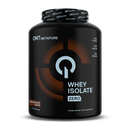
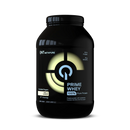
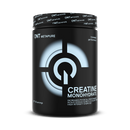
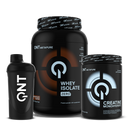
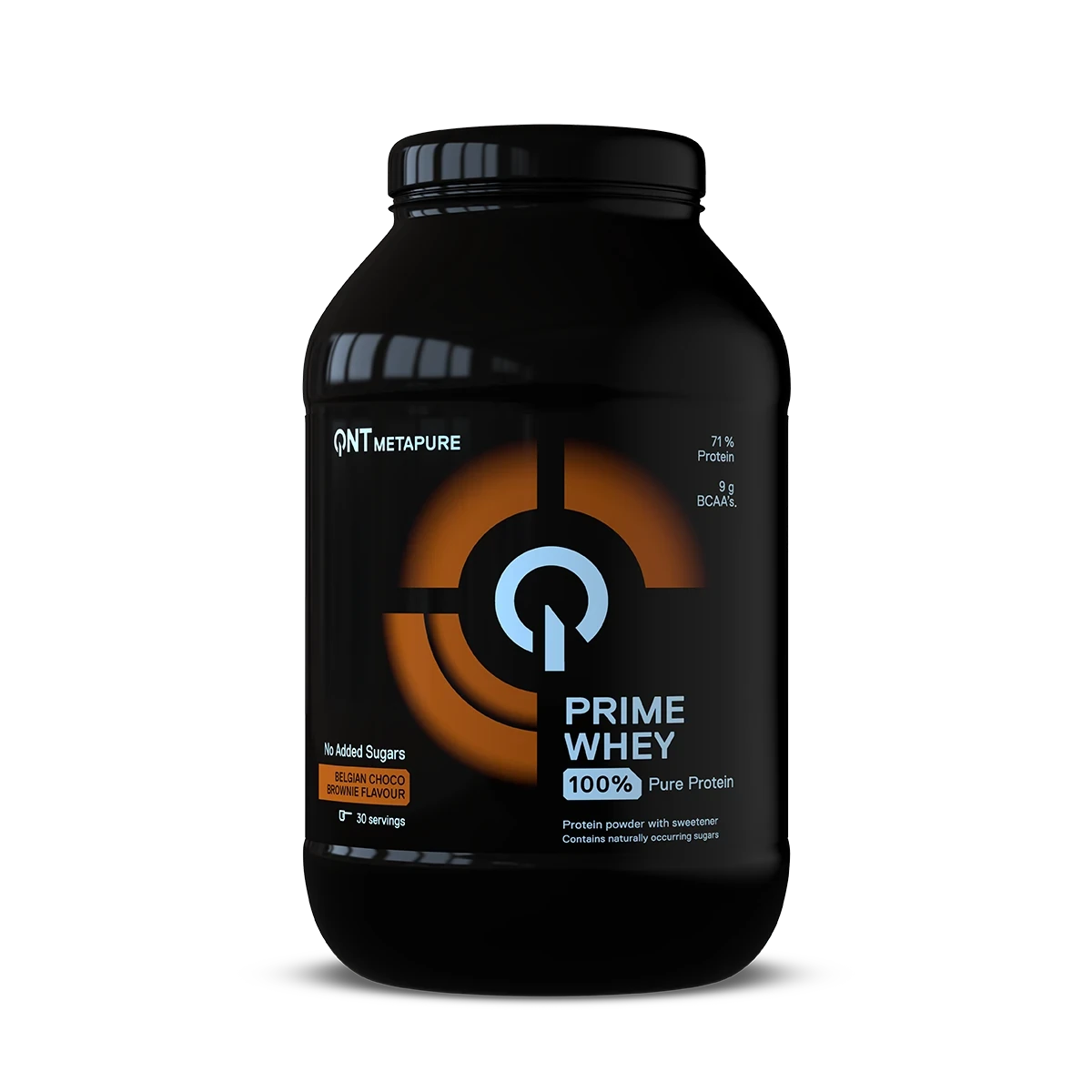
Metapure Whey Isolate Zero post-training (90%+ protein, under 1 g of fat, under 1 g of carbs, almost no lactose), backed up by Prime Whey between meals, a concentrate plus isolate blend with the best value for money for hitting your daily quota without blowing the budget. Creatine monohydrate remains the best documented supplement to pair with it. See our creatine guide.
Weight loss and cutting
Metapure Whey Isolate Zero, whose high protein density and absence of empty calories support satiety and the maintenance of muscle mass during a calorie deficit. Also worth reading: our spring cutting guide and the L-Carnitine guide.
Recovery
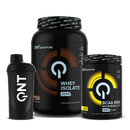
Metapure Whey Isolate Zero after training, then Casein Protein Micellar before bed for a prolonged release of amino acids overnight. BCAA can round things off around intense sessions.
Lactose intolerance
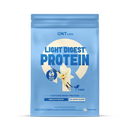
Metapure Whey Isolate Zero (almost no lactose after ultra-filtration) or Vegan Protein. Light Digest Whey Protein is another option if your discomfort is digestive rather than strictly lactose related.
Vegan lifestyle
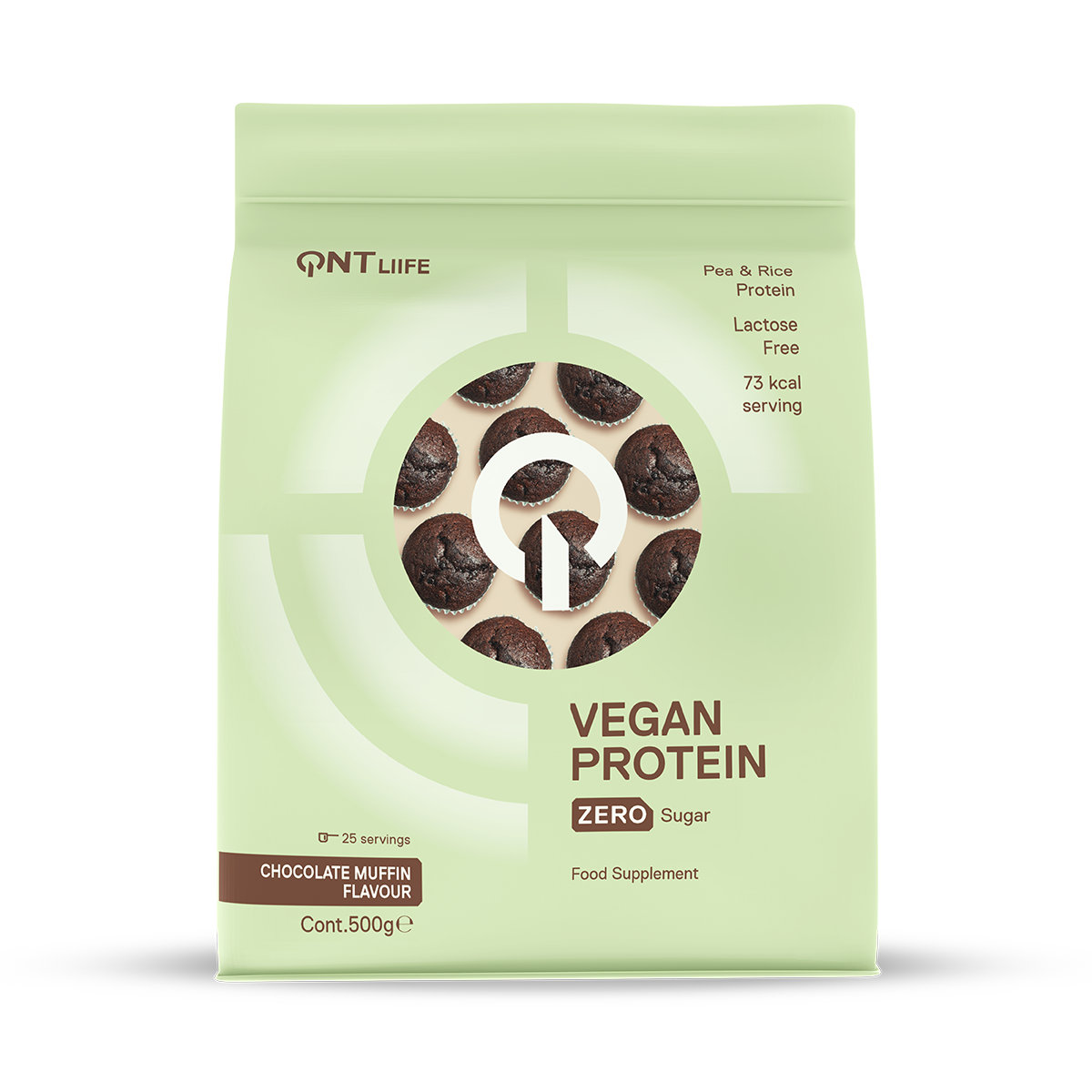
Vegan Protein, a pea plus rice blend with a complete amino acid profile, lactose free.
On the move
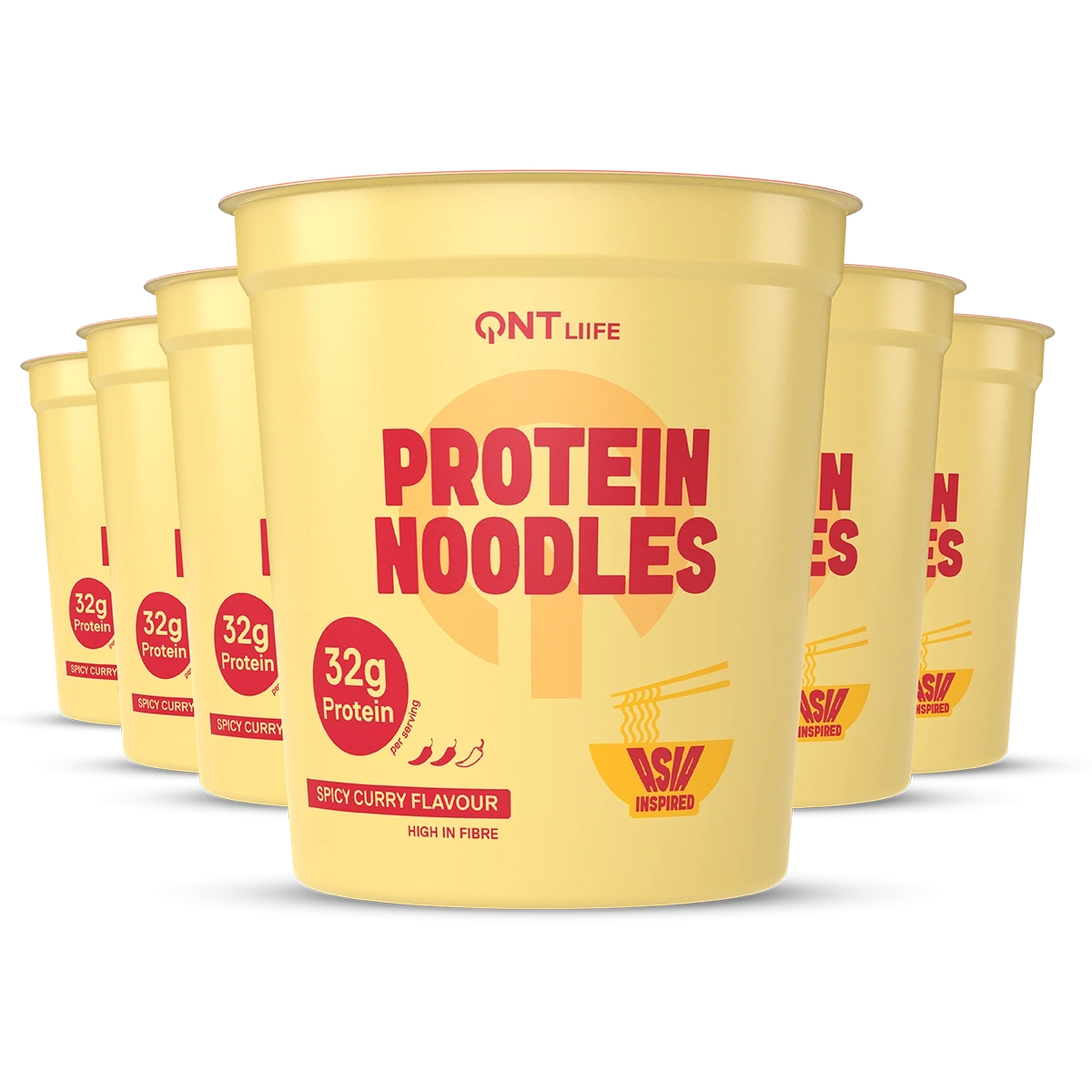
40% Protein Crunchy Bar (30 g of protein per bar) and Protein Noodles, a savoury alternative to shakes for varying your sources across the day.
When should you take your protein? The timing guide
The 30 to 60 minute post-training window is still a relevant moment for supporting protein synthesis, but total daily intake spread across 3 to 5 servings matters more than exact timing. A dose of casein before bed can support overnight recovery (Res et al., 2012).
| Timing | Recommended type | Why |
|---|---|---|
| Post-training (30-60 min) | Whey Isolate (Metapure Zero) | Supports protein synthesis |
| Morning | Whey Isolate or blend | Breaks the overnight fast |
| Between meals | Whey or Concentrate | Hits the quota, satiety |
| Pre-training (1-2h before) | Light whey | Digests fast enough |
| Before bed | Casein | Slow 6-8h release (Res et al. 2012) |
| On the move | Bars, Noodles | Convenience |
Read this table as a hierarchy of convenience, not as an obligation. If you only remember one line, remember the third: it is the daily total that builds the result, the other moments only optimise at the margins.
5 myths about protein powder
Protein powder attracts plenty of received ideas. Here are five common myths, put back in context and held up against the recent scientific literature.
Myth 1: "Protein damages your kidneys"
The received idea and where it comes from. This belief comes out of the medical world, and it rests on an accurate fact that has been badly extrapolated. In patients with chronic kidney disease, restricting protein is a legitimate therapeutic measure: a kidney that is already damaged filters the nitrogen waste from protein metabolism less well. That reasoning, valid for a diseased kidney, was wrongly extended to the general population. A second source is a misreading of physiology: a high protein intake raises the glomerular filtration rate, meaning the volume of blood the kidneys filter. That rise was long interpreted as a sign of overwork, when it is a normal functional adaptation, comparable to your heart rate speeding up during exercise.
Why it is false. The meta-analysis by Devries et al. (2018), pooling 28 controlled studies, finds no difference in kidney function (measured by glomerular filtration rate) between healthy adults on high protein intakes and those on normal or low intakes. Antonio et al. (2016) followed trained subjects consuming more than 3 g/kg/day for a year, with no deterioration in kidney or liver markers. The ISSN position stand (Jäger et al., 2017) reaches the same conclusion for the 1.4 to 2.0 g/kg/day range.
What that means in practice. For a healthy person: stay in the 1.4 to 2.2 g/kg/day range, which covers sporting requirements with no demonstrated extra benefit beyond it; drink enough, since clearing the urea produced by protein metabolism uses water; spread your intake across 3 to 5 servings rather than one massive dose. On the other hand, if you have kidney disease, diabetes or hypertension, your protein intake must be set by your doctor. The caution there is justified by the state of the kidney, not by the protein powder itself.
Myth 2: "Protein makes you fat"
False. It is the total calorie surplus that drives weight gain, whichever macronutrient delivers it. Protein is in fact the most filling macronutrient and the one with the highest thermic effect: part of its energy is spent digesting it.
Myth 3: "Women should not take whey"
False. Whey has no masculinising effect: it is not a hormone, it is a food. An active woman's protein requirements follow the same physiological logic, adjusted to body weight.
Myth 4: "Protein powder is artificial"
False. It is milk, egg or plants, filtered and then dried. The process (ultrafiltration, micro-filtration) separates the protein from the carbs and fats; it adds nothing beyond any flavourings and sweeteners, which are listed on the label.
Myth 5: "The more expensive, the better"
Not automatically. Price reflects the degree of filtration and the brand, not necessarily the fit with your goal. A well formulated whey concentrate is still an excellent choice for building mass. Read the labels: protein per serving, amino acid profile, manufacturer transparency.
Conclusion
Knowing how to choose protein powder comes down to answering three questions: what is my goal, what is my digestive tolerance, and what is my budget. Whey isolate, like Metapure Whey Isolate Zero, covers the widest range of situations thanks to its purity and fast absorption. Casein rounds off the day before bed, plant proteins answer lifestyle constraints, and collagen belongs to a different use, joints and skin, which should not be confused with building muscle.
Sources
- Jäger, R. et al. (2017). ISSN Position Stand: protein and exercise. https://doi.org/10.1186/s12970-017-0177-8
- Morton, R.W. et al. (2018). Meta-analysis protein supplementation. https://doi.org/10.1136/bjsports-2017-097608
- Tang, J.E. et al. (2009). Whey vs casein vs soy. https://doi.org/10.1152/japplphysiol.00076.2009
- Devries, M.C. & Phillips, S.M. (2015). Advantage whey. https://doi.org/10.1111/1750-3841.12802
- Devries, M.C. et al. (2018). Changes in kidney function do not differ between healthy adults consuming higher- compared with lower- or normal-protein diets: a systematic review and meta-analysis. https://doi.org/10.1093/jn/nxy197
- Antonio, J. et al. (2016). A high protein diet has no harmful effects: a one-year crossover study in resistance-trained males. https://doi.org/10.1155/2016/9104792
- Res, P.T. et al. (2012). Pre-sleep casein. https://doi.org/10.1249/MSS.0b013e31824cc363
- Helms, E.R. et al. (2014). Natural bodybuilding contest prep. https://doi.org/10.1186/1550-2783-11-20
- Aragon, A.A. et al. (2017). ISSN diets and body composition. https://doi.org/10.1186/s12970-017-0174-y
- Examine.com, Whey Protein. https://examine.com/supplements/whey-protein/
- Examine.com, Casein. https://examine.com/supplements/casein-protein/
By Marius Grek for QNT Sport, Made in Belgium, over 30 years of sports nutrition expertise since 1992.


Keep reading

Best time to take whey protein: the complete science-backed guide
When should you take whey protein? Morning, post-workout or before bed: discover the optimal timing backed by 6 studies. Expert guide by QNT Sport.
 Improve Performance
Vegan protein for muscle building: complete guide 2026
Can you build muscle on plant protein? Studies, whey vs vegan comparison, dosage, and expert tips. Science-backed guide by QNT Sport.
 Gain Muscle
Mass gainer: what it does and how to use it for muscle gain
How to use a mass gainer: what it does, how many scoops a day, when to take it and how it differs from whey, so the weight you gain is mostly muscle.
 entrainement
What to eat before a workout? The pre-workout meal guide
What to eat before a workout? A meal, a pre-workout snack or a small bite depending on the time available, with simple examples and the right carbs.
 Coach’s Tips
Protein for women: how much do you need, what are the benefits and how do you choose your whey?
How much protein do women really need? Evidence-based daily targets by age and activity level, what the studies show, and how to choose the right w...
 Our Tips
Micellar casein: the slow protein for overnight recovery
Micellar casein before bed: what studies show on overnight muscle protein synthesis, the best dose and timing, casein vs whey and recovery the next...


