
















Marine collagen benefits: skin, joints and sport guide 2026
Last updated: April 2, 2026
Did you know that your body loses roughly 1% of its collagen every year after age 25? By 50, nearly 30% of this structural protein is gone. Marine collagen — extracted from fish skin and scales — is gaining attention not just in the beauty world, but among athletes too. But what does the science actually say? Here's our complete guide to the real benefits of marine collagen, proper dosage, and its role in sport.
What Is Marine Collagen?
Marine collagen is a protein derived primarily from fish skin, scales, and bones. It consists mainly of Type I collagen — the most abundant type in the human body, accounting for roughly 90% of total collagen.
Unlike bovine collagen (which contains Types I and III), marine collagen stands out for its smaller molecular structure. In hydrolyzed form (peptides), its molecules are broken down to enhance intestinal absorption.
Some research suggests this superior bioavailability may allow faster uptake by target tissues: skin, tendons, cartilage, and bones (Examine.com — Collagen).
Key takeaway: Hydrolyzed marine collagen (Type I) is the most studied form for skin and connective tissues. Its peptide structure allows for optimal absorption.
Marine Collagen Benefits for Skin
Hydration and Elasticity
Research shows promising results for skin health. A randomized, triple-blind trial found a 35% reduction in wrinkle scores after 12 weeks of daily 10g hydrolyzed marine collagen supplementation.
Initial improvements in skin hydration may appear within 2 to 4 weeks of consistent supplementation. Elasticity improvements typically follow after 4 to 8 weeks.
The Key Role of Vitamin C
Vitamin C contributes to normal collagen formation for the normal function of skin. That's why the marine collagen + vitamin C combination is so relevant.
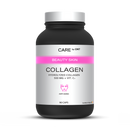
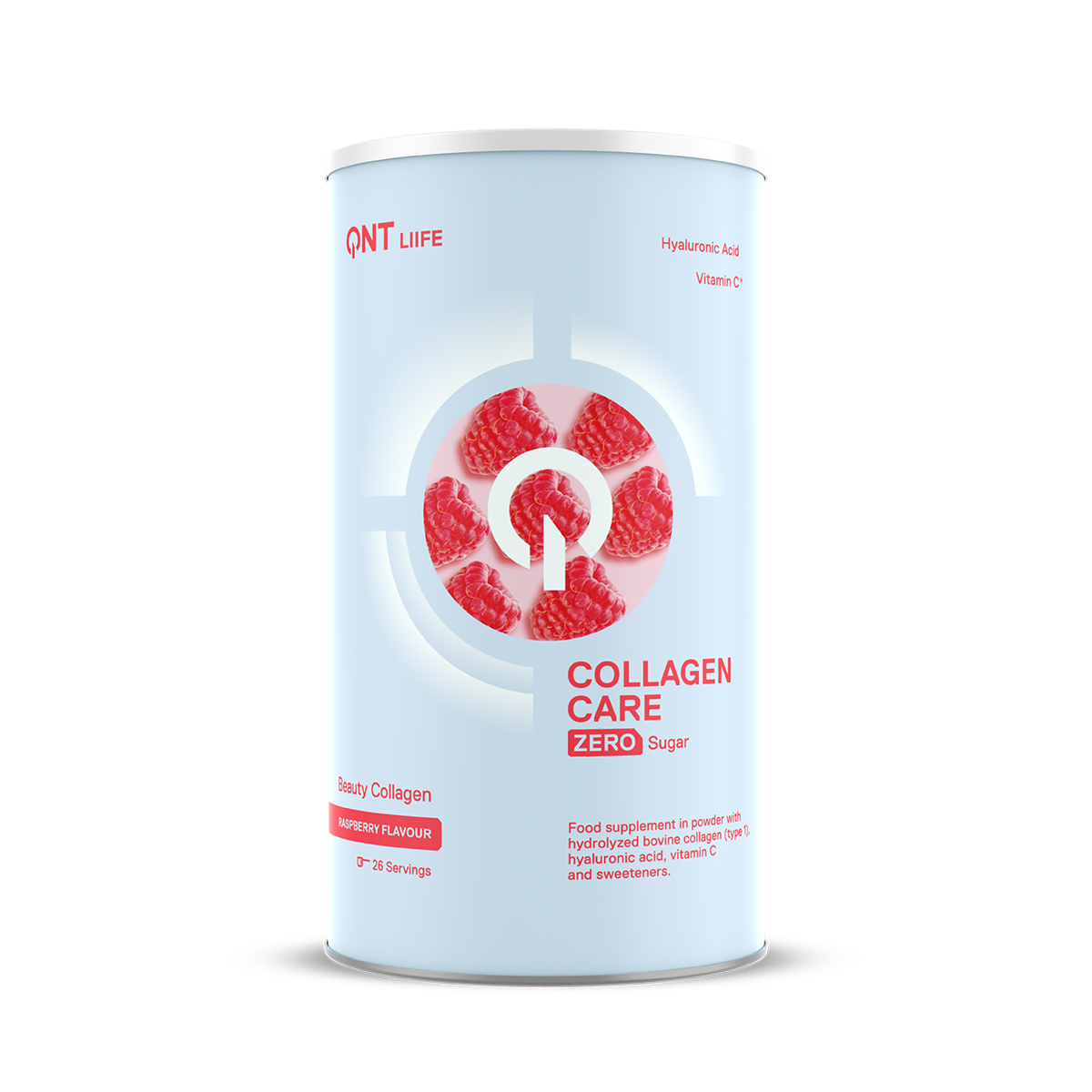
QNT Collagen Care integrates this synergy in its formula, featuring hydrolyzed collagen Type I and III enriched with vitamin C. Made in Belgium since 1992, it's backed by over 30 years of sports nutrition expertise.
Marine Collagen Benefits for Joints
What the Studies Show
A landmark clinical study demonstrated that 10g of collagen hydrolysate daily for 24 weeks significantly reduced joint pain in athletes experiencing activity-related discomfort (Clark et al., 2008).
Collagen provides specific amino acids — glycine, proline, hydroxyproline — that participate in cartilage regeneration and the maintenance of tendon and ligament structure.
Collagen and Joint Recovery
For athletes, joints face repetitive stress. Collagen supplementation may help support joint comfort during regular training, contribute to connective tissue regeneration, and provide cartilage-specific amino acids that standard protein sources lack.
These benefits are particularly relevant for high-impact sports like running, CrossFit, and Hyrox.
For more on joint health, check out our guide to joint health supplements.
Marine Collagen for Sport: Recovery and Performance
Muscle Mass and Strength
A study by Zdzieblik et al. (2015) showed that 15g of collagen peptides daily, combined with resistance training, significantly increased muscle mass and strength in sarcopenic men (Zdzieblik et al., 2015).
While collagen doesn't replace a complete protein like whey, it complements the amino acid profile with connective tissue-specific aminos — an angle that standard proteins don't cover.
Sport Protocol
| Goal | Suggested Dose | Timing | Minimum Duration |
|---|---|---|---|
| Skin health | 5g/day | Morning, with vitamin C | 4-8 weeks |
| Joint comfort | 10g/day | 30-60 min before training | 8-12 weeks |
| Athletic recovery | 10-15g/day | Post-workout | 12-24 weeks |
Smart Stacking
Marine collagen pairs well with other supplements. Consider combining it with glutamine for recovery or omega-3s for inflammation management.
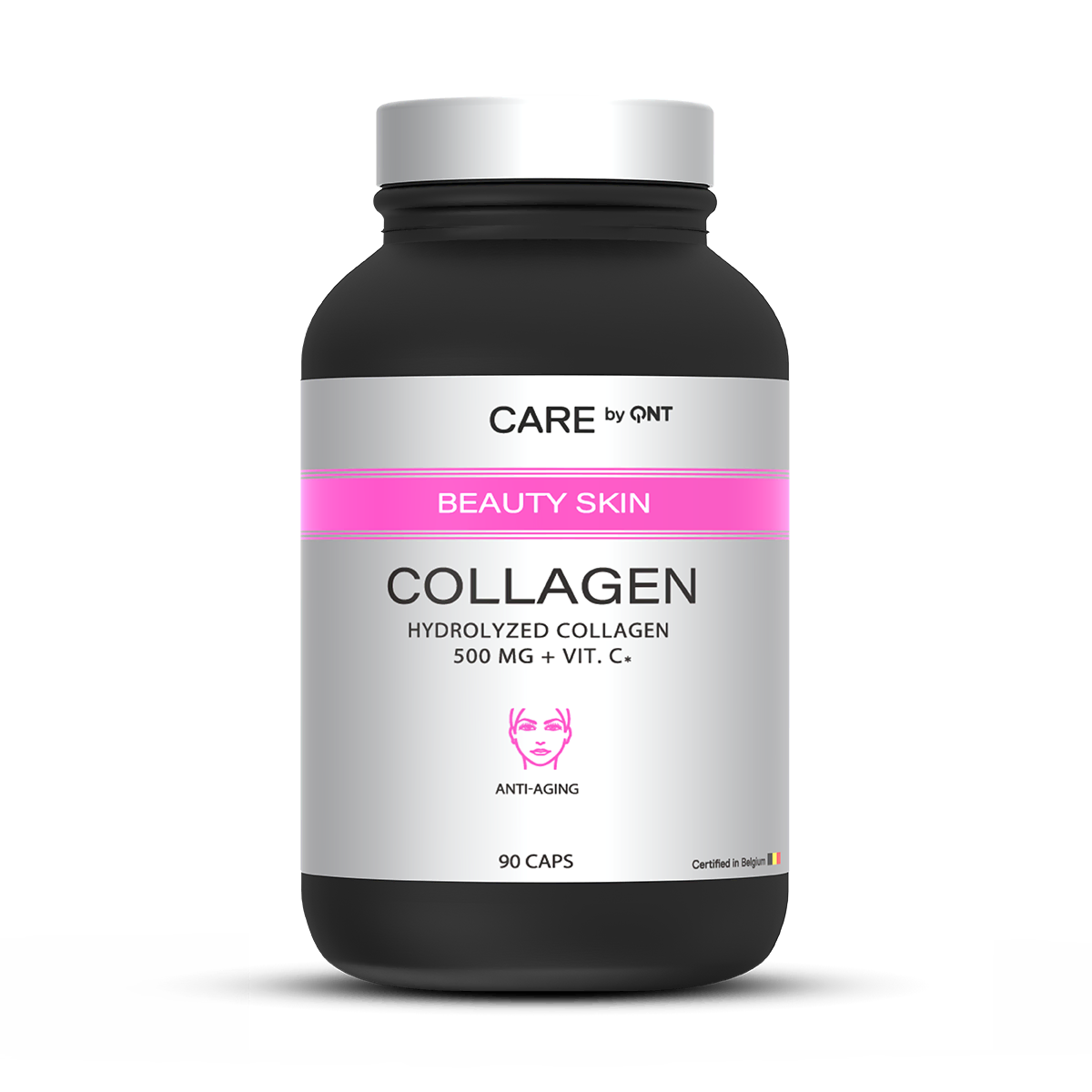
Check out our hydrolyzed collagen capsules for a convenient format, or Liife Energy Collagen for a ready-to-drink functional beverage.
Marine Collagen vs Bovine Collagen: Which Should You Choose?
| Criteria | Marine Collagen | Bovine Collagen |
|---|---|---|
| Types | Primarily Type I | Types I and III |
| Source | Fish skin and scales | Bovine skin and bones |
| Bioavailability | Higher (smaller peptides) | Good |
| Best for | Skin, tendons, elasticity | Joints, muscles, bones |
| Allergens | Fish | — |
| Suitable for pescatarians | Yes | No |
Our recommendation: For athletes looking for combined skin and joint benefits, hydrolyzed marine collagen is an excellent choice. Explore our collagen range — made in Belgium since 1992.
Side Effects and Precautions
Marine collagen is generally well tolerated. Reported side effects are rare and mild: unpleasant taste or aftertaste (liquid forms), mild bloating when starting supplementation, allergic reactions in people with fish sensitivities.
No clinical studies have reported serious side effects at recommended doses (5-15g/day). As with any dietary supplement, consult a healthcare professional if you are pregnant, breastfeeding, or taking medication.
Conclusion
Marine collagen is one of the most studied supplements for skin and joint health. For athletes, it's a valuable ally for joint comfort and recovery — provided you follow the dosages and duration recommended by research.
Explore our collagen range and discover Collagen Care — formulated with vitamin C, made in Belgium since 1992.
Sources:
- Clark, K.L. et al. (2008). Current Medical Research and Opinion, 24(5), 1485-1496. DOI
- Zdzieblik, D. et al. (2015). British Journal of Nutrition, 114(8), 1237-1245. DOI
- Examine.com — Collagen
- Philpott, J.D. et al. (2019). Research in Sports Medicine, 27(2), 219-237. DOI
- PMC (2024). Marine Collagen for Skin Aging. Link

FAQ
Read more


