






Glycine benefits: sleep, dosage & the science explained
Table of Content
Last updated: April 5, 2026
Introduction
According to a Japanese study published in Sleep and Biological Rhythms, just 3 grams of glycine before bed measurably improved sleep quality in clinical trials (Yamadera et al., 2007). Yet few athletes know about this quiet but powerful amino acid. Glycine plays a central role in sleep, recovery, and collagen synthesis, three pillars of athletic performance. In this complete guide, you'll discover its proven benefits, the optimal dose, and how to add it to your routine.
What is glycine?
Glycine is the smallest amino acid in the human body, but also one of the most abundant. It makes up roughly 30% of collagen and acts as an inhibitory neurotransmitter in the central nervous system. Your body produces it naturally, but this endogenous synthesis doesn't always meet demand, especially during intense training or periods of stress.
Natural dietary sources
Glycine is found mainly in:
- Meats rich in connective tissue (beef, pork, skin-on poultry)
- Bone broths (about 1 g per tablespoon)
- Seafood and gelatin
- Legumes and some nuts (in modest amounts)
A balanced diet provides around 2 g of glycine per day, which falls short of the doses used in sleep studies.
Glycine and sleep: what the science says
Short answer: yes, glycine improves sleep quality. Several clinical trials show that a 3 g supplement before bed reduces sleep onset time and improves subjective sleep quality, without altering sleep architecture.
How it works
Glycine acts on NMDA receptors in the suprachiasmatic nucleus, the brain region that regulates circadian rhythm. It triggers a slight drop in core body temperature, a natural physiological signal for sleep onset. This mechanism, documented by Kawai et al. (2015), explains why glycine causes neither dependency nor morning grogginess.
Key studies
- Yamadera et al. (2007): In a controlled trial, 3 g of glycine reduced sleep onset latency and improved sleep efficiency in volunteers with mild sleep complaints.
- Bannai & Kawai (2012): Glycine supplementation improved daytime alertness and reduced fatigue in partially sleep-restricted subjects.
- Kawai et al. (2015): Identified the mechanism via NMDA receptors and thermoregulation.
The consensus is clear: 3 g of glycine, 30 to 60 minutes before bed, may support more restorative sleep.
Other glycine benefits for athletes
Collagen synthesis and joint health
Glycine is a major building block of collagen. During intense training, tendons, ligaments, and cartilage take significant stress. Studies suggest that adequate glycine intake supports collagen synthesis and contributes to connective tissue integrity (Zdzieblik et al., 2015).
Glutathione production, the master antioxidant
Glycine is one of three amino acids required to make glutathione, the body's main endogenous antioxidant. Adequate glutathione helps neutralize exercise-induced oxidative stress.
Cognitive support and stress management
Early research suggests glycine may contribute to mental relaxation and cognitive clarity. Its inhibitory action on certain neurotransmitters helps reduce nervous excitability after a demanding day.
Optimal dosage and timing
For sleep
Recommended dose: 3 g, 30 to 60 minutes before bed. This is the dose used in most clinical studies and offers the best effectiveness-to-safety ratio.
For general recovery and collagen support
Higher doses (5 to 10 g per day) are sometimes used to support collagen synthesis. In that case, split the dose throughout the day.
How to take it
Crystalline glycine dissolves easily in water or a warm drink and has a mildly sweet taste. It can also be consumed through rich sources such as hydrolyzed collagen or certain amino acid complexes.
Key takeaway: 3 g of glycine, 30 to 60 minutes before bed, is the most studied protocol. It causes no dependency and integrates easily into your evening routine.
Building your sleep & recovery stack with QNT
At QNT Sport, Belgian manufacturers since 1992, we offer several supplements that naturally include glycine or act in synergy with it.
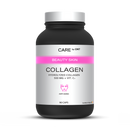
- Hydrolyzed Collagen: rich in glycine and proline, ideal for joints and skin. Collagen contains up to 22% glycine.
- Magnesium Sport: an ideal companion to glycine for restorative sleep. See also our magnesium bisglycinate and sleep guide.
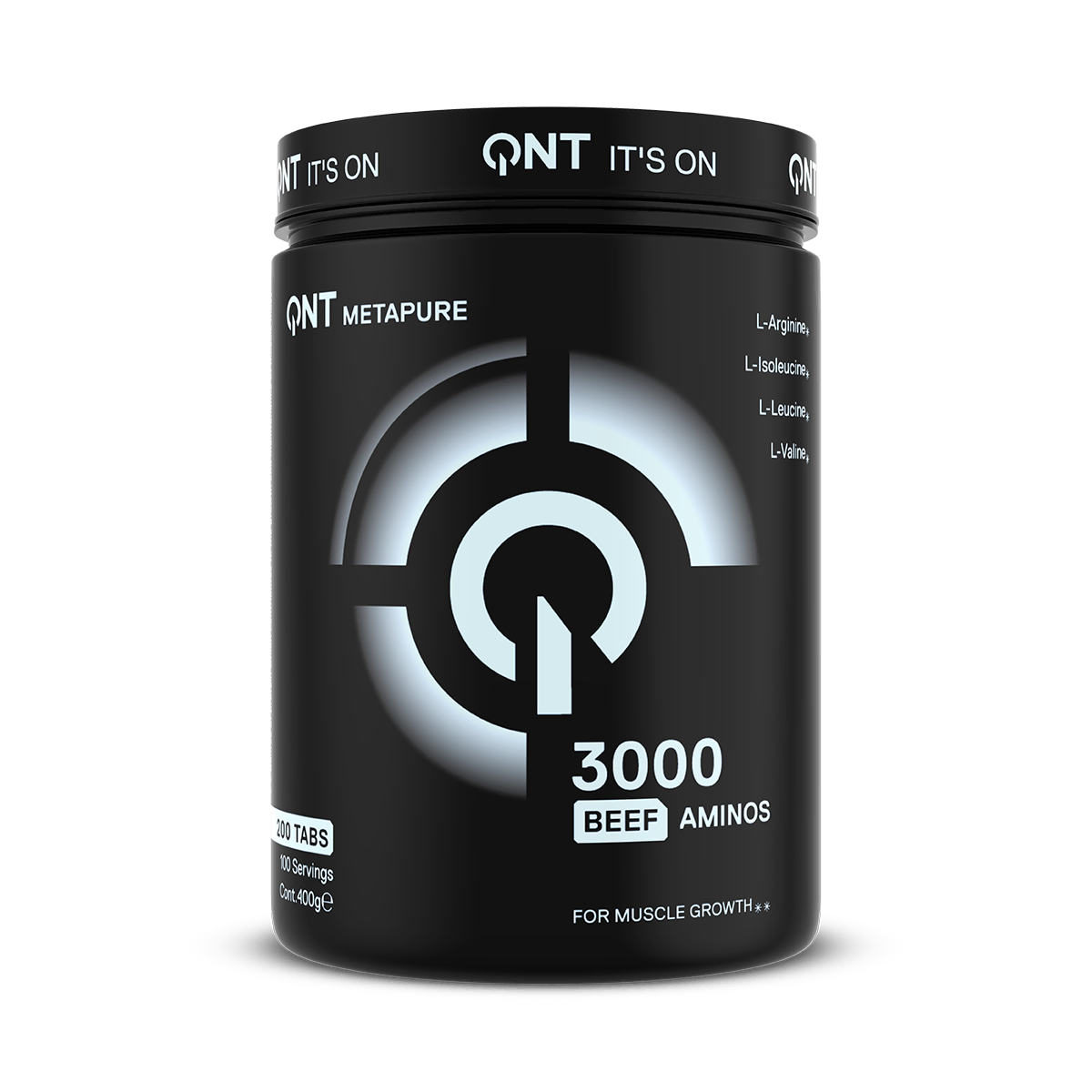
- Amino Acid 3000 mg 100% Beef: a natural source of amino acids including glycine, from hydrolyzed beef protein.
- L-Glutamine 6000 mg: for complete muscle recovery. Read our complete glutamine guide.
Explore our Vitamins & Minerals collection to build your recovery routine.
Safety and side effects
Glycine is considered very safe at usual doses. Studies have tested up to 15 g per day with no significant side effects. At very high doses (above 15 g/day), some people report mild digestive discomfort.
Who should consult a doctor first?
- Pregnant or breastfeeding women
- People on psychiatric medication (notably clozapine)
- Anyone with severe or persistent sleep disorders
As with any food supplement, glycine doesn't replace a varied, balanced diet or a healthy lifestyle.
Can you take too much glycine?
Glycine is well tolerated at the doses used in studies, typically 3 to 5 g before bed. Taking much more than that can cause mild digestive discomfort such as soft stools or nausea in some people. If that happens, reduce the dose and take it with a small snack.
Conclusion
Glycine is an amino acid with multiple benefits, particularly relevant for athletes: better sleep, optimized recovery, collagen support, and antioxidant defense. The scientific evidence is solid: 3 g before bed is a simple, safe, and effective protocol. For a complete recovery approach, combine glycine with proper hydration, magnesium, and collagen.
Explore our Vitamins & Minerals collection to build your sleep and recovery routine. Made in Belgium since 1992.
Sources: Yamadera et al., 2007 (DOI) · Bannai & Kawai, 2012 (PubMed) · Kawai et al., 2015 (PMC) · Zdzieblik et al., 2015 (DOI) · Examine.com Glycine
FAQ
Read more


