





CrossFit and nutrition: the complete guide to fuelling your WOD in 2026
Table of contents
- Crossfit, a hybrid sport: what this means for nutrition
- How much protein, carbohydrate and fat does a crossfit athlete need?
- What should you eat before a wod?
- What should you eat during and after a wod?
- The 5 supplements to know about for crossfit
- Bcaas: useful or redundant?
- Crossfit and fat loss: the right approach
- Competition-day nutrition
- Recovery: what really matters
- The qnt selection for crossfit
- Conclusion
- Sources

CrossFit places a particular demand on your diet: you need to be able to produce force, repeat very intense efforts and keep going over formats that are sometimes much longer. A single session can therefore draw on several energy systems and tax your carbohydrate stores, your muscles and your capacity to recover all at once.
Yet there are still no nutrition guidelines specific to CrossFit. The benchmarks used today come mainly from research on athletes in general, whereas studies carried out directly on CrossFit athletes remain scarce. The review by Martinho et al. (2025), which brings together 49 studies on nutrition in the sport, illustrates this limitation well.
That does not mean we do not know how to eat well for CrossFit. The available data already point to fairly clear priorities: enough carbohydrate when your training load increases, a protein intake suited to strength work, hydration that matches your sweat losses and, only after that, supplements chosen according to your needs.
This guide therefore separates what has actually been shown in CrossFit athletes, what is extrapolated from other sports and what is mostly marketing.
CrossFit, a hybrid sport: what this means for nutrition
CrossFit is neither pure strength nor pure endurance. A typical WOD calls on several energy systems within a few minutes. The phosphagen system fuels explosive efforts such as snatches or the first reps, anaerobic glycolysis takes over for intense efforts lasting 30 seconds to 2 minutes, and the aerobic system supports longer formats such as AMRAPs or chippers.
This hybrid nature has a direct consequence: carbohydrate, the main fuel for intense efforts, matters more than some of the diets recommended to CrossFit athletes would suggest. At the same time, strength work maintains a steady need for protein.
During a single WOD lasting a few minutes, muscle glycogen stores are rarely depleted. It tends to be the busy days that put them to the test: two sessions close together, a competition weekend or several days of hard training on too little carbohydrate.
The review by Martinho et al. (2025) notes that CrossFit athletes eat, on average, less carbohydrate than is recommended for athletes, whereas high-carbohydrate diets improved performance in the studies carried out in CrossFit. Feeling "flat" after a weekend of two WODs a day is therefore often due more to a lack of carbohydrate than to a lack of motivation.
Our guide to fasted strength training explains what happens when you train with low energy stores.
How much protein, carbohydrate and fat does a CrossFit athlete need?
There are no CrossFit-specific recommendations. The available benchmarks were established for athletes in general, and each one comes from a different publication.
| Macronutrient | Daily guideline | Source |
|---|---|---|
| Protein | 1.4 to 2.0 g/kg, and 2.3 to 3.1 g/kg during a cutting phase in trained individuals | (Jäger et al., 2017) |
| Carbohydrate | 3 to 5 g/kg for recreational training, 5 to 8 g/kg when training becomes more intense or longer | (Kerksick et al., 2018) |
| Fat | About 30% of energy intake | (Kerksick et al., 2018) |
Protein and carbohydrate are expressed in grams per kilo of body weight per day, fat as a share of total energy intake. The upper protein range mainly applies to cutting phases. Outside those periods, 1.4 to 2.0 g/kg is enough, and most CrossFit athletes already reach these intakes through their diet (Martinho et al., 2025).
It is therefore carbohydrate that most often needs the extra effort.
For an 80 kg CrossFit athlete who trains for about an hour a day, this works out, for example, at 150 g of protein, 400 g of carbohydrate and 95 g of fat, or roughly 3,050 kcal. An everyday diet covers these needs in most cases.
A serving of whey can help out on days when your protein intake falls short. For carbohydrate, oats or rice do the job perfectly well.
What should you eat before a WOD?
The meal before a WOD has two main aims: to start with sufficient carbohydrate stores and to avoid still digesting a heavy meal.
That said, the review by Martinho et al. (2025) puts the importance of the final hour into perspective: in the CrossFit trials, taking carbohydrate just before or during the session had very little effect on performance. It is mainly the meals in the preceding hours and days that make the difference.
Three to four hours before, there is room for a full meal. For an 80 kg athlete, it can combine 80 to 120 g of carbohydrate (rice, pasta, sweet potato), 25 to 40 g of lean protein (chicken, fish, eggs) and a reasonable amount of vegetables.
As the session approaches, it is best to limit fibre and fat, which slow digestion.
If your meal is closer to the session, a snack one to one and a half hours beforehand is enough: 30 to 60 g of easily digested carbohydrate, such as a ripe banana or white bread with honey, and 15 to 25 g of protein in the form of Greek yoghurt or a whey shake.
Caffeine, if you use it, is preferably taken at this point, about an hour before the session. In the final half-hour nothing is required, although some people like 15 to 30 g of fast-acting carbohydrate such as dates or a gel.
Our complete pre-workout guide breaks these guidelines down by profile and time of day. For a quick option, Energel Quick Boost provides 35 g of carbohydrate and 30 mg of caffeine per gel, and our pre-workout collection brings together the other formats.
What should you eat during and after a WOD?
For a standard WOD of 5 to 30 minutes, water is enough. Carbohydrate taken during the session did not improve performance in the CrossFit trials (Martinho et al., 2025).
It becomes useful beyond an hour of intense effort, particularly in multi-WOD competitions, at 30 to 60 g per hour in a drink containing 6 to 8% carbohydrate (Kerksick et al., 2017). Isotonic Powder lets you make this type of drink, with 25 g of carbohydrate per 30 g serving.
After the session, there are two distinct situations.
If your next demanding session is less than four hours away, replenishing glycogen becomes the priority. Recommendations then go as high as 1.2 g of carbohydrate per kilo per hour, preferably with a high glycaemic index (Kerksick et al., 2017).
With a full day of recovery ahead of you, it is mainly your total carbohydrate intake for the day that counts.
As for protein, 20 to 40 g within two hours of the session, or 0.25 to 0.40 g/kg, strongly stimulates muscle protein synthesis (Kerksick et al., 2017).
The well-known 30-minute window, however, needs to be put into perspective. The anabolic effect of exercise lasts at least 24 hours, even if it fades over time (Jäger et al., 2017). Eating soon after the WOD is still a good habit, mainly because it is often the easiest time to fit this meal in.
For hydration, the simplest approach is to weigh yourself before and after a typical session. A loss of more than 2% of body weight is already enough to impair performance (Sawka et al., 2007). To make up for it, a common guideline is to drink about 1.5 litres per kilo lost (Kerksick et al., 2018).
A common mistake is to cut carbohydrate after the WOD to "stay lean". You pay for it mainly when sessions come back to back: your stores then do not have time to refill.
Our guide on when to take whey covers protein timing in detail.
The 5 supplements to know about for CrossFit
Here are the five best-supported supplements for the efforts that make up a WOD. The table separates what studies show in athletes in general from what has actually been measured in people doing CrossFit or HIFT (High-Intensity Functional Training, the type of training CrossFit belongs to).
| Supplement | Dose studied | Evidence in athletes | Data in CrossFit or HIFT |
|---|---|---|---|
| Creatine monohydrate | 3 to 5 g/day | Strong, with an authorised EU health claim at 3 g/day (Kreider et al., 2017; European Commission, 2012) | No trial of creatine alone (Martinho et al., 2025) |
| Caffeine | 3 to 6 mg/kg, about 60 min before | Strong (Guest et al., 2021) | Small effect at 6 mg/kg (Martinho et al., 2025) |
| Whey | 20 to 40 g of protein per serving | Strong for covering protein intake (Jäger et al., 2017) | Protein intakes already sufficient in most CrossFit athletes (Martinho et al., 2025) |
| Beta-alanine | 4 to 6 g/day for at least 2 to 4 weeks | Moderate according to the ISSN, mainly for efforts of 1 to 4 minutes (Trexler et al., 2015; Deng et al., 2025), insufficient according to EFSA (EFSA, 2014) | Two small trials: jump performance improved in 4 weeks, no effect on Fran in 3 weeks (Cimadevilla-Fernández-Pola et al., 2024; Verity et al., 2024) |
| Electrolytes | Depending on sweat losses | Useful beyond an hour of exercise or in the heat (Sawka et al., 2007; Kerksick et al., 2017) | No specific trial |
The third column summarises the evidence obtained in athletes in general, the fourth what has been measured in CrossFit or HIFT.
The gap between the two is the main lesson of the table: the best-supported supplements have so far been little tested in CrossFit, whereas the one that has been studied most directly, beta-alanine, has not yet proved convincing there.
1. Creatine monohydrate: the best-supported supplement
Creatine increases the muscle's phosphocreatine stores, the immediate fuel for efforts lasting a few seconds.
The ISSN position stand (Kreider et al., 2017) identifies it as the most effective supplement for high-intensity exercise capacity and for lean mass during training.
The network meta-analysis by Deng et al. (2025) pools 35 trials in 991 athletes who combine strength training and conditioning. In it, creatine improves sprint and jump performance, but none of the supplements studied significantly increases muscle mass.
These results concern the efforts that make up a WOD, not CrossFit itself: no trial has yet tested creatine alone in CrossFit athletes (Martinho et al., 2025).
This effect on successive bursts of short-term, high intensity exercise is also the subject of one of the two health claims authorised for creatine in the European Union, for an intake of 3 g per day (European Commission, 2012).
Studies use 3 to 5 g a day, every day, including rest days. A loading phase is therefore not essential: with 3 g a day, muscle stores fill up in three to four weeks (Kreider et al., 2017).
Long-term intakes, up to 30 g a day for five years in studies, have proved safe and well tolerated in healthy people.
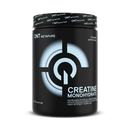
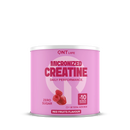
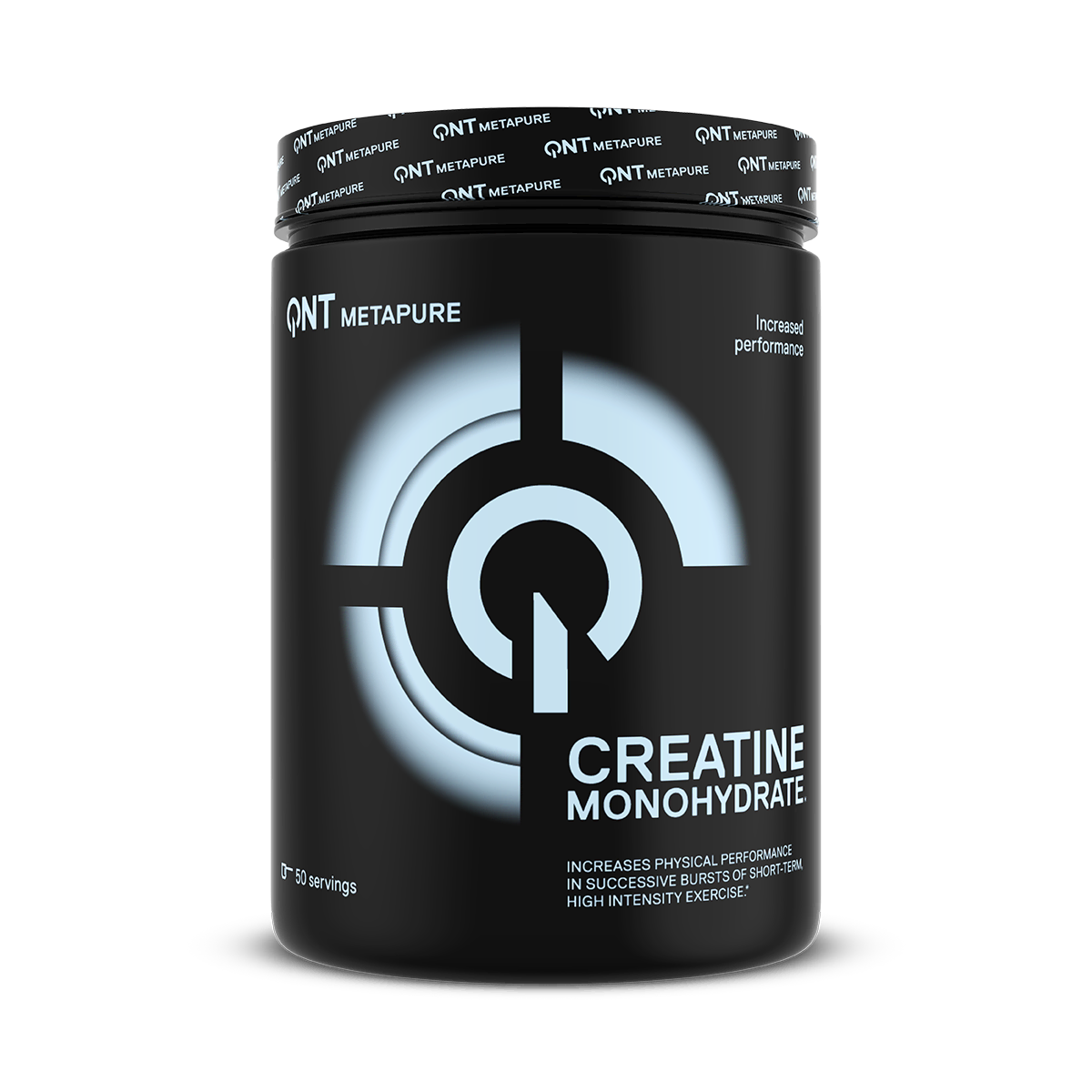
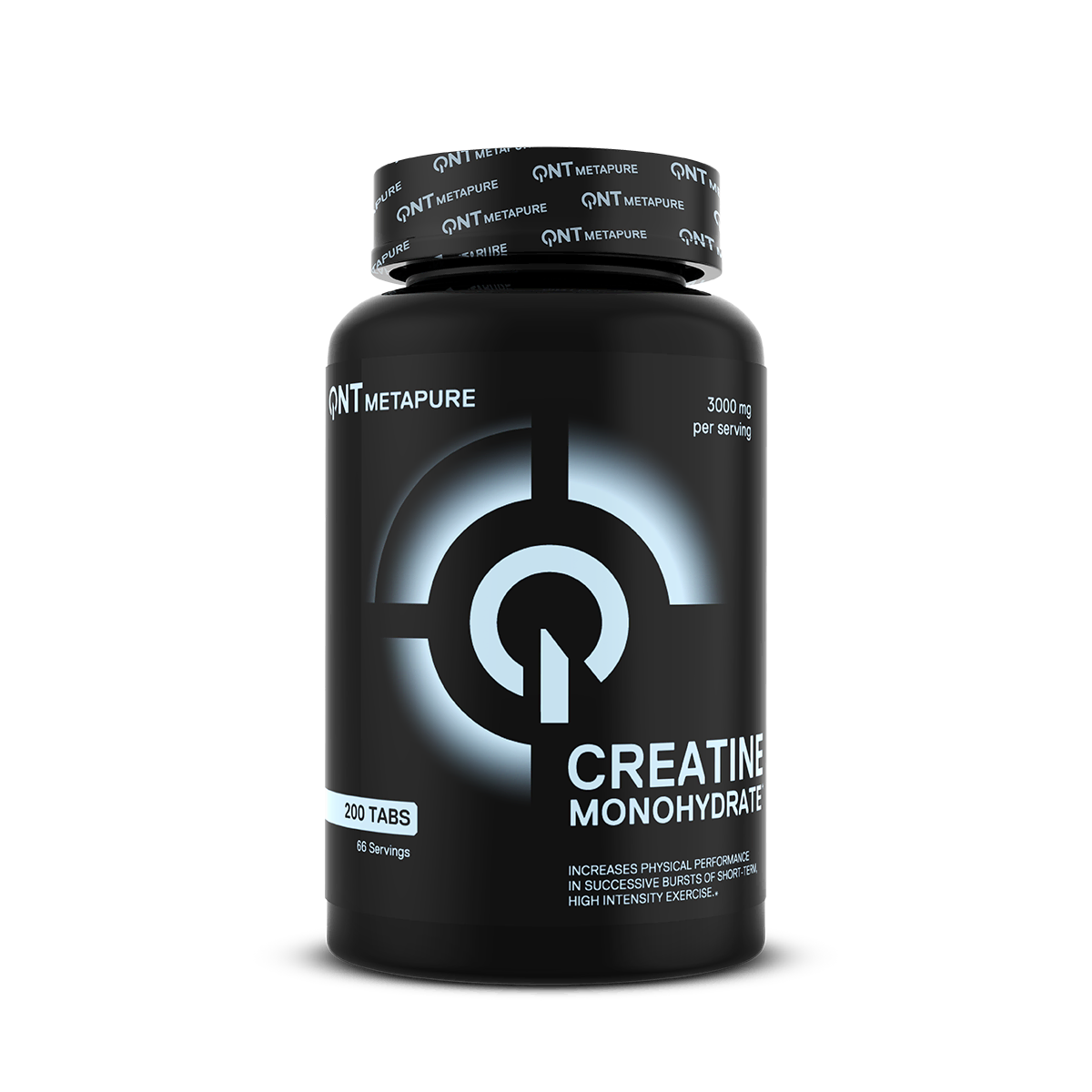
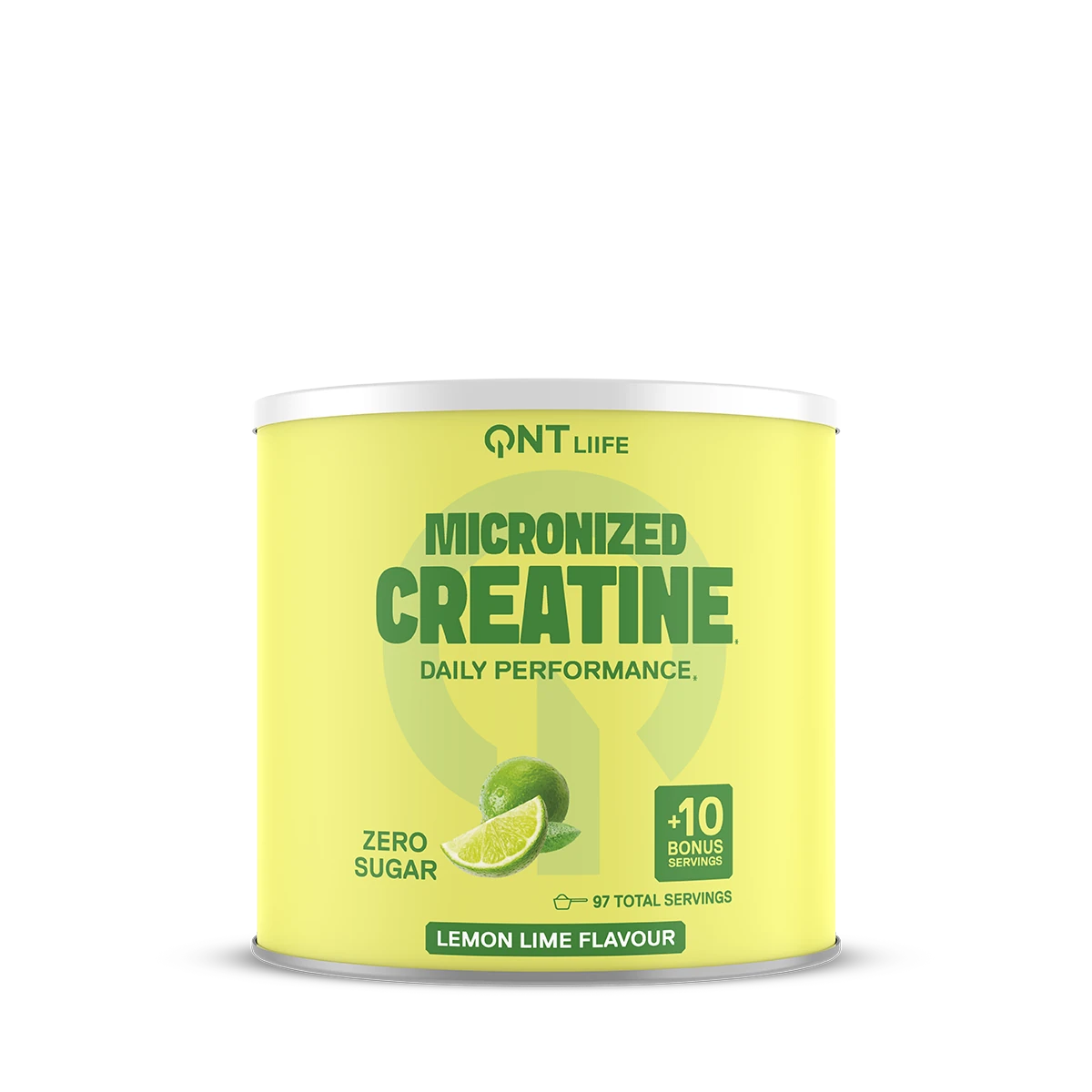
Pure Creatine Monohydrate provides 3 g of creatine monohydrate per serving, and our creatine collection also offers a tablet version. Our complete creatine guide explains in detail how it works.
2. Caffeine: a well-documented acute effect
Caffeine acts mainly on the nervous system: by blocking adenosine, a chemical signal associated with fatigue, it reduces the perception of effort.
The ISSN position stand (Guest et al., 2021) concludes that it improves performance in many studies, though not all, at doses of 3 to 6 mg/kg, most often taken 60 minutes before exercise.
The minimum effective dose may be as low as 2 mg/kg, whereas very high doses, around 9 mg/kg, greatly increase side effects without adding anything.
In CrossFit, the meta-analysis by Martinho et al. (2025) finds a small effect on performance with 6 mg/kg taken 60 to 70 minutes before the session.
For someone weighing 80 kg, the range used in studies works out at 240 to 480 mg.
For a healthy adult, EFSA considers that a single dose of up to 200 mg, including less than two hours before intense exercise, raises no safety concerns, and it sets the total for the day at 400 mg (EFSA, 2015).
The bottom of the range studied therefore already exceeds the European reference single dose. It seems reasonable to start at around 2 to 3 mg/kg and assess your tolerance.
EFSA also notes that a 100 mg dose can disrupt sleep when taken close to bedtime. This matters particularly for an evening WOD.
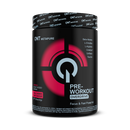
A can of Kick Pre Workout contains 105 mg of caffeine, or about 1.3 mg/kg for someone weighing 80 kg, as well as 2 g of beta-alanine.
This caffeine adds to the caffeine in other sports products: one Energel Quick Boost gel provides 30 mg and 350 ml of Carbo Load provides 75 mg.
Our pre-workout collection brings together the other formulas, and our guarana guide covers a plant source of caffeine.
3. Whey: convenient, not magic
Strictly speaking, whey is a convenient food rather than an ergogenic supplement.
Its rapid digestion and high leucine content make it an effective source for stimulating muscle protein synthesis. The ISSN position stand presents it as a convenient way to reach your intake without excess calories (Jäger et al., 2017).
But it has no special power that a balanced meal would not have. A meal of chicken and rice does the same job when you have time to prepare it.
Jäger et al. recommend spreading intake across servings of 20 to 40 g, or about 0.25 g/kg, every three to four hours.
Our three whey products differ mainly in their composition.
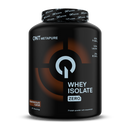
Metapure Whey Isolate Zero is an isolate, low in lactose and sugars thanks to microfiltration, with 19 g of protein per 25 g.
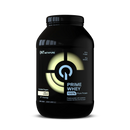
Prime Whey combines concentrate and isolate, with 21 g of protein per 30 g.
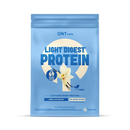
Light Digest Whey provides 16 g of protein per 20 g.
These values are taken from the labels and may vary slightly depending on the flavour.
4. Beta-alanine: what the studies really say
Beta-alanine raises the muscle's content of carnosine, a molecule that helps to buffer the acidity produced during intense efforts.
Four weeks of supplementation at 4 to 6 g a day markedly increases these stores.
The ISSN position stand (Trexler et al., 2015) places the clearest effect on efforts lasting 1 to 4 minutes, after at least two to four weeks of supplementation. That matches the duration of many short WODs.
The meta-analysis by Deng et al. (2025), already cited for creatine, finds an improvement in jump performance in athletes, with a moderate level of evidence.
EFSA has taken a stricter view. At the request of a manufacturer, in 2014 it found only one study out of eleven showing an effect on short, intense efforts and did not accept the claim (EFSA, 2014).
The two trials carried out in CrossFit or HIFT are less encouraging.
In Verity et al. (2024), three weeks at 6.4 g a day made no difference to Fran times. However, three weeks is at the low end of the loading period, and twelve participants are rarely enough to detect a modest effect.
In the trial by Cimadevilla-Fernández-Pola et al. (2024), in 27 people doing HIFT, only the group supplemented for four weeks improved their vertical jump, with no change in fatigue or perceived exertion.
Beta-alanine may therefore be of value for highly metabolic formats lasting 1 to 4 minutes, provided it is taken every day for several weeks. But the data available in CrossFit do not yet allow this to be stated with certainty.
Its main reported side effect is a temporary tingling of the skin, or paraesthesia, which can be reduced by splitting the daily amount into smaller doses (Trexler et al., 2015).
Our complete guide to beta-alanine sets out the saturation timeline.
5. Electrolytes and hydration
Sweat losses vary a great deal from one person to another and from one session to the next, in both volume and salt content.
The ACSM position stand therefore recommends individualising hydration rather than applying a single rule, relying in particular on the weighing method described above (Sawka et al., 2007).
For a short session, water is enough.
Beyond an hour, or in very hot weather, a drink combining carbohydrate and electrolytes may offer an advantage over water alone.
Isotonic Powder provides carbohydrate, sodium (0.46 g of salt per 30 g serving) and magnesium. Its formula also contains caffeine.
Magnesium Sport, which provides 225 mg of magnesium per 40 ml dose, is not a sports drink. Magnesium contributes to normal muscle function and to a reduction of tiredness and fatigue.
Our guide to magnesium bisglycinate reviews what the science says about it.
BCAAs: useful or redundant?
BCAAs (leucine, isoleucine and valine) are among the essential amino acids, but they are not enough on their own to build muscle: making muscle protein requires all nine essential amino acids.
The review by Wolfe (2017) found no study showing that BCAAs alone, taken orally, stimulate this synthesis in humans, and concludes that the claim is unfounded.
The ISSN position stand on protein points the same way, advising you to favour complete protein sources (Jäger et al., 2017).
If your daily protein intake is sufficient, standalone BCAAs therefore add little.
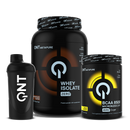
A 25 g serving of Metapure Whey Isolate Zero already provides 5.2 g of BCAAs, more than the 2.25 g in three tablets of BCAA 4:1:1 + L-Glutamine, and it also supplies all the other essential amino acids.
Their value is above all practical: a light dose that is easy to carry when a meal or a shake is not feasible, for example before a fasted morning session.
Our BCAA guide explains how to use them.
CrossFit and fat loss: the right approach
CrossFit does not melt fat away on its own.
Fat loss depends on a calorie deficit sustained over time, whatever the activity (Aragon et al., 2017).
Aragon et al. also point out that a wide range of approaches, from low-fat to low-carbohydrate diets, can improve body composition to a similar extent.
What CrossFit does provide is a strength stimulus that helps preserve muscle mass during that deficit.
The same review notes that slow weight loss better preserves lean mass in people who are already slim, which argues for a moderate deficit.
Protein intake is then worth raising, up to 2.3 to 3.1 g/kg per day in trained individuals (Jäger et al., 2017).
Carbohydrate is what you adjust, preferably keeping the intake around your most demanding sessions.
Competition-day nutrition
In-person competitions, whether local events or qualifiers, often string together 2 to 4 WODs in a day, with 1 to 4 hours between events.
The Open, which is contested online week by week, does not pose this problem.
The real challenge is to replenish glycogen between events without overloading your stomach.
| Timing | Intake | Example |
|---|---|---|
| 2 to 3 h before event 1 | Carbohydrate-rich meal with protein, low in fibre | White rice, chicken, banana |
| 30 min before | Easily digested carbohydrate | Banana or energy gel |
| Between two WODs (1 to 2 h) | Liquid carbohydrate and 15 to 20 g of protein | Light whey shake and carbohydrate drink |
| Between two WODs (3 to 4 h) | Small solid meal | Ham sandwich on white bread, fruit |
| After the competition | Full meal, fluids, salt | Usual meal, lightly salted |
The table follows the course of the day: the shorter the gap between two events, the more liquid and light your intake should be.
This is the rapid glycogen replenishment scenario described earlier.
A carbohydrate drink such as Carbo Load, which provides 24.5 g of carbohydrate per 350 ml, helps you reach these intakes. It also contains caffeine, which counts towards your daily total.
Our running and football guides apply the same logic to other sports.
Recovery: what really matters
Three things come before any supplement.
Sleep comes first. The National Sleep Foundation recommends 7 to 9 hours a night for adults (Hirshkowitz et al., 2015).
Next comes protein intake spread across the day, following the guidelines given above.
Finally, light active recovery, such as walking or mobility work, may be preferable to a "light" WOD that is in fact just as tiring as any other.
So-called recovery supplements (BCAAs, glutamine, omega-3, ZMA) remain a bonus, not a substitute.
As in our supersets guide, the priority is to master the basics.
The QNT selection for CrossFit
Here are the QNT products mentioned in this guide, grouped by the need they meet.
None of them is essential: each one is only useful when that need is not already covered by your diet.
| Need | Product |
|---|---|
| Successive bursts of short-term, high intensity exercise | Pure Creatine Monohydrate |
| Caffeine before the WOD | Kick Pre Workout |
| Protein intake | Metapure Whey Isolate Zero or Prime Whey |
| Fasted session with no meal possible | BCAA 4:1:1 + L-Glutamine |
| WOD lasting over an hour or in very hot weather | Isotonic Powder |
| Carbohydrate between events | Carbo Load |
| Magnesium intake | Magnesium Sport |
The amounts each product provides are given in the relevant section.
Conclusion
CrossFit is a hybrid sport that calls for hybrid nutrition: enough carbohydrate for metabolic efforts, enough protein to support strength work and recovery, and targeted rather than routine supplementation.
Creatine, caffeine, whey and electrolytes rest on strong evidence in athletes, even though CrossFit itself remains little studied.
Beta-alanine and BCAAs only have a place in specific situations. As for the rest, it is best to separate real needs from marketing promises.
To find out more, explore our creatine collection and our pre-workout collection.
Sources
- Aragon, A.A. et al. (2017). International society of sports nutrition position stand: diets and body composition. Journal of the International Society of Sports Nutrition. https://doi.org/10.1186/s12970-017-0174-y
- Cimadevilla-Fernández-Pola, E. et al. (2024). Effects of β-alanine supplementation on subjects performing high-intensity functional training. Nutrients. https://doi.org/10.3390/nu16142340
- Deng, B. et al. (2025). Effects of different dietary supplements combined with conditioning training on muscle strength, jump performance, sprint speed, and muscle mass in athletes: a systematic review and network meta-analysis. Frontiers in Nutrition. https://doi.org/10.3389/fnut.2025.1636970
- EFSA Panel on Dietetic Products, Nutrition and Allergies (2014). Scientific Opinion on the substantiation of a health claim related to beta-alanine and increase in physical performance during short-duration, high-intensity exercise pursuant to Article 13(5) of Regulation (EC) No 1924/2006. EFSA Journal. https://doi.org/10.2903/j.efsa.2014.3755
- EFSA Panel on Dietetic Products, Nutrition and Allergies (2015). Scientific Opinion on the safety of caffeine. EFSA Journal. https://doi.org/10.2903/j.efsa.2015.4102
- European Commission (2012). Commission Regulation (EU) No 432/2012 of 16 May 2012 establishing a list of permitted health claims made on foods, other than those referring to the reduction of disease risk and to children's development and health. Official Journal of the European Union. http://data.europa.eu/eli/reg/2012/432/oj
- Guest, N.S. et al. (2021). International society of sports nutrition position stand: caffeine and exercise performance. Journal of the International Society of Sports Nutrition. https://doi.org/10.1186/s12970-020-00383-4
- Hirshkowitz, M. et al. (2015). National Sleep Foundation's sleep time duration recommendations: methodology and results summary. Sleep Health. https://doi.org/10.1016/j.sleh.2014.12.010
- Jäger, R. et al. (2017). International Society of Sports Nutrition Position Stand: protein and exercise. Journal of the International Society of Sports Nutrition. https://doi.org/10.1186/s12970-017-0177-8
- Kerksick, C.M. et al. (2017). International society of sports nutrition position stand: nutrient timing. Journal of the International Society of Sports Nutrition. https://doi.org/10.1186/s12970-017-0189-4
- Kerksick, C.M. et al. (2018). ISSN exercise & sports nutrition review update: research & recommendations. Journal of the International Society of Sports Nutrition. https://doi.org/10.1186/s12970-018-0242-y
- Kreider, R.B. et al. (2017). International Society of Sports Nutrition position stand: safety and efficacy of creatine supplementation in exercise, sport, and medicine. Journal of the International Society of Sports Nutrition. https://doi.org/10.1186/s12970-017-0173-z
- Martinho, D.V. et al. (2025). Nutrition in CrossFit® - scientific evidence and practical perspectives: a systematic scoping review. Journal of the International Society of Sports Nutrition. https://doi.org/10.1080/15502783.2025.2509674
- Sawka, M.N. et al. (2007). American College of Sports Medicine position stand. Exercise and fluid replacement. Medicine & Science in Sports & Exercise. https://doi.org/10.1249/mss.0b013e31802ca597
- Trexler, E.T. et al. (2015). International society of sports nutrition position stand: Beta-Alanine. Journal of the International Society of Sports Nutrition. https://doi.org/10.1186/s12970-015-0090-y
- Verity, H., Candow, D. & Chilibeck, P.D. (2024). Beta-alanine supplementation for CrossFit® performance. Nutraceuticals. https://doi.org/10.3390/nutraceuticals4040037
- Wolfe, R.R. (2017). Branched-chain amino acids and muscle protein synthesis in humans: myth or reality? Journal of the International Society of Sports Nutrition. https://doi.org/10.1186/s12970-017-0184-9
Updated on 10 September 2026
By Marius Grek, nutrition expert at QNT Sport, which has been manufacturing food supplements since 1992.
Frequently asked questions
Which supplement has the strongest evidence for CrossFit?
What should you eat before a WOD?
Does beta-alanine really work for CrossFit?
How much protein does a CrossFit athlete need?
Should you take BCAAs for CrossFit?
Does CrossFit make you lose weight on its own?
Keep reading
 Improve Performance
Creatine monohydrate: what does it do and how should you take it?
Creatine monohydrate: how it works, its proven benefits, the right dose per day and what you should know about water retention and kidney health.
 Improve Performance
Beta-alanine: benefits, dosage, and side effects
Does beta-alanine really boost performance? Discover ISSN-backed benefits, optimal dosing protocol, and the truth about the tingling. Expert guide ...
 entrainement
What to eat before a workout? The pre-workout meal guide
What to eat before a workout? A meal, a pre-workout snack or a small bite depending on the time available, with simple examples and the right carbs.

Best time to take whey protein: the complete science-backed guide
When should you take whey protein? Morning, post-workout or before bed: discover the optimal timing backed by 6 studies. Expert guide by QNT Sport.


