





Best time to take whey protein: the complete science-backed guide
Table of Content
Last updated: April 6, 2026
You just finished your workout and you're racing to your shaker. "Quick, the anabolic window!" But is that really necessary? The short answer: no, the first 30 minutes aren't magic. The longer answer — the one that will actually optimize your results — depends on your goal, your diet, and the type of whey you use. This guide explains exactly when to take whey protein, backed by science.
Why whey protein timing matters (a little)
Whey protein is one of the most studied supplements in sports nutrition. The International Society of Sports Nutrition (ISSN) position stand is clear: a daily intake of 1.4 to 2.0 g protein per kilogram of bodyweight is recommended for physically active individuals (Jäger et al., 2017).
But meeting that daily total isn't the only consideration. How you distribute protein throughout the day can influence muscle protein synthesis (MPS). A meta-analysis by Morton et al. (2018) covering 49 studies and 1,863 participants confirmed that protein supplementation significantly increases muscle mass and strength, particularly in trained individuals (Morton et al., 2018).
The key takeaway: your total daily intake is factor number one. Timing is factor number two — but it can be the difference between average and optimal results.
The 30-minute anabolic window myth
Let's start by dismantling the most persistent myth in sports nutrition: the 30-minute "anabolic window."
What we used to believe
For years, the fitness world taught that consuming protein within 30 minutes post-workout was critical — miss it, and you'd "lose your gains." This belief sent generations of athletes scrambling for their shakers.
What current science says
Research has significantly nuanced this idea. Muscle protein synthesis remains elevated for 24 to 48 hours after resistance training. The "window" isn't a 30-minute slot — it's an extended period of opportunity.
This doesn't mean timing is irrelevant. But missing the first 30 minutes won't sabotage your results. Your absolute priority is your total daily protein intake.
Key takeaway: The anabolic window lasts 24-48 hours, not 30 minutes. Focus on daily protein totals (1.6-2.2 g/kg) first, then optimize distribution.
When to take whey protein based on your goal
The best time to take whey protein depends on what you're trying to achieve.
| Goal | Optimal Timing | Type of Whey | Dosage |
|---|---|---|---|
| Muscle gain | Post-workout + morning | Whey isolate (Metapure) | 25-40 g per serving |
| Fat loss | Between meals + morning | Light whey (Light Digest) | 20-30 g per serving |
| Recovery | Post-workout + before bed | Whey isolate + casein | 30-40 g post-training, 40 g casein at night |
| Muscle maintenance | Spread throughout the day | Versatile whey (Prime Whey) | 20-30 g, 2-3 times/day |
Muscle gain: post-workout + morning
To maximize muscle protein synthesis, two moments are particularly strategic.
Post-workout: Consume 25-40 g of whey within 2 hours of your session. Tang et al. (2009) showed that whey stimulates muscle protein synthesis more rapidly than casein or soy, both at rest and after exercise (Tang et al., 2009). Whey isolate, like our Metapure Whey Isolate Zero, is particularly suited thanks to its rapid absorption and low lactose content.
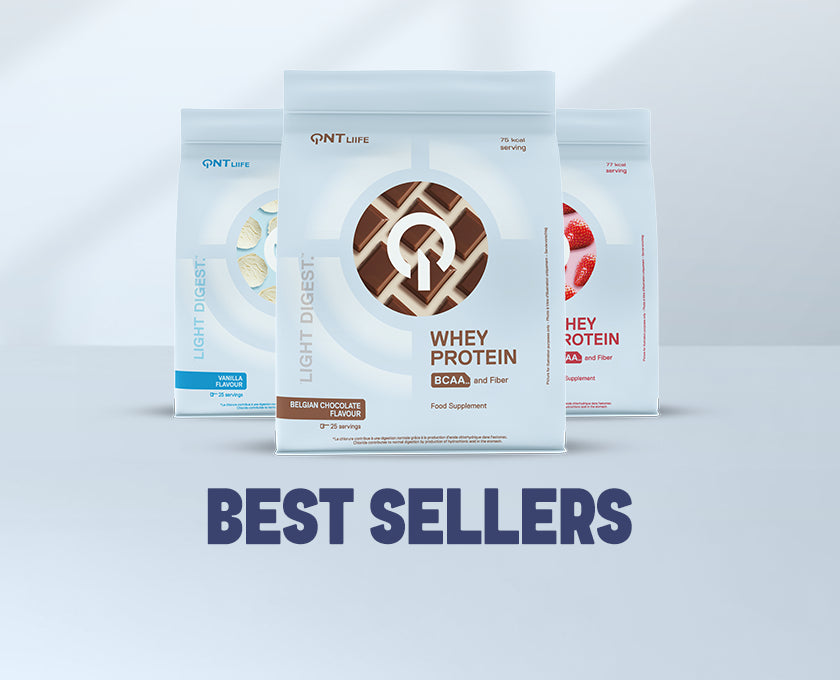
Morning: After 7-9 hours of overnight fasting, a whey shake rapidly delivers essential amino acids. The leucine in whey — the primary trigger for MPS — effectively restarts the muscle-building machinery. A serving of Light Digest Whey in the morning can gently initiate this process.
Fat loss: between meals
During a fat loss phase, whey plays a dual role: preserving muscle mass during caloric deficit and increasing satiety. Devries and Phillips (2015) highlight whey's advantage for maintaining lean mass (Devries & Phillips, 2015).
As a snack (mid-morning or afternoon): A 20-30 g shake between meals reduces cravings and maintains steady protein intake.
Pre-workout (60-90 min before): If you train in a caloric deficit, pre-workout whey protects your muscles during exercise.
Optimal recovery: post-training + pre-sleep
Recovery requires a two-step approach.
Post-workout: 30-40 g whey isolate to rapidly start muscle repair. Combine with carbs (banana, oats) for complete recovery.
Before bed: Res et al. (2012) demonstrated that 40 g of casein protein before sleep is effectively digested and absorbed, stimulating overnight muscle protein synthesis (Res et al., 2012). Our Casein Protein Micellar is designed for this slow, sustained release.
Sample daily schedules: 3 practical examples
Example 1: Muscle gain (evening training)
| Time | Meal/Shake | Protein |
|---|---|---|
| 7:00 AM | Breakfast + Light Digest Whey shake | 30 g |
| 12:00 PM | Lunch (meat/fish + vegetables) | 35 g |
| 4:00 PM | Protein snack | 20 g |
| 6:30 PM | Training | — |
| 7:30 PM | Metapure Whey Isolate Zero shake + banana | 35 g |
| 9:30 PM | Light dinner | 25 g |
| Total | 145 g (for 75 kg = 1.9 g/kg) |
Example 2: Fat loss (morning training)
| Time | Meal/Shake | Protein |
|---|---|---|
| 6:30 AM | Light Digest Whey shake | 25 g |
| 7:30 AM | Training | — |
| 8:30 AM | Breakfast with eggs | 30 g |
| 12:30 PM | Lunch | 30 g |
| 4:00 PM | Prime Whey shake (snack) | 25 g |
| 7:30 PM | Dinner | 25 g |
| Total | 135 g (for 70 kg = 1.9 g/kg) |
Which whey for which moment?
Not all whey proteins are equal when it comes to timing.
| Timing | Recommended Type | QNT Product | Why |
|---|---|---|---|
| Post-workout | Whey isolate | Metapure Whey Isolate Zero | Fast absorption (20-30 min), very low lactose and fat |
| Morning | Light or isolate whey | Light Digest Whey | Easy to digest, gourmet flavors, restarts MPS |
| Snack | Whey concentrate/blend | Prime Whey Protein | Great quality-price ratio, versatile |
| Before bed | Micellar casein | Casein Protein Micellar | Slow digestion (6-8h), sustained amino acid release |
| Pre-workout | Whey isolate | Metapure Whey Isolate Zero | Fast, won't weigh you down |
Learn more about the differences in our guide on which protein powder is right for you.
Dosage: how many grams per serving?
Research is clear on optimal amounts.
Per serving: 20-40 g of protein per serving maximizes muscle protein synthesis. Beyond 40 g in a single serving, additional benefits are minimal for most people.
Per day: The ISSN recommends 1.4-2.0 g/kg/day for active individuals. For those aiming for maximum muscle growth, up to 2.2 g/kg/day may be beneficial (Jäger et al., 2017).
Frequency: Distribute protein across 3-5 servings throughout the day. This regular distribution optimizes MPS over 24 hours, rather than cramming everything into 1-2 massive meals.
Discover more about the benefits of whey protein in our dedicated guide.
Common timing mistakes to avoid
- Skipping morning protein — After an overnight fast, your muscles need amino acids. Don't postpone everything to your post-workout shake.
- Cramming all protein into one meal — Your body can't maximize MPS with 80 g at once. Spread it across the day.
- Ignoring rest days — Recovery and MPS continue 48-72 hours after training. Maintain your protein intake.
- Taking whey isolate before bed — Its rapid digestion doesn't provide the sustained support muscles need overnight. Choose casein instead.
- Neglecting carbs post-workout — Whey alone isn't enough. Carbs stimulate insulin, which drives amino acid transport to muscles.
Read our guide on nutritional timing and recovery for a deeper dive.
Sources
- Jäger, R. et al. (2017). ISSN Position Stand: protein and exercise. JISSN, 14, 20. DOI
- Morton, R.W. et al. (2018). Protein supplementation and resistance training. BJSM, 52(6), 376-384. DOI
- Tang, J.E. et al. (2009). Whey, casein, or soy protein: effects on MPS. J Appl Physiol, 107(3), 987-992. DOI
- Devries, M.C. & Phillips, S.M. (2015). Advantage whey. J Food Sci, 80(S1), A8-A15. DOI
- Res, P.T. et al. (2012). Pre-sleep protein and overnight recovery. MSSE, 44(8), 1560-1569. DOI
- Examine.com — Whey Protein
By the QNT Sport team — Over 30 years of sports nutrition expertise



FAQ
Read more
 Gain Muscle
How to Choose Protein Powder: The Ultimate 2026 Guide
Whey, isolate, casein or vegan? Learn how to choose protein powder for your goal, with a comparison table, the amino acid profile that actually mat...
 Improve Performance
Creatine before or after workout? Optimal timing guide
When should you take creatine — before or after your workout? Science-backed timing guide with rest day protocol and absorption tips.


