






Exercising in a Heat Wave: The Do's and Don'ts for Training Safely
Table of contents
Exercising in a heat wave is not off-limits, but it does change the rules of the game. Above 30°C, your body has to power your effort and shed heat at the same time, which puts your hydration system under serious strain. The good news: with a few simple adjustments, you can keep training. Here are 7 habits to adopt, the mistakes to avoid, and the nutrition strategy most guides skip.
Key takeaway: Adjust your timing and intensity, drink before you feel thirsty, replace the minerals lost through sweat with an electrolyte-rich drink (sodium, potassium, magnesium), and stop at the first sign of feeling unwell.
What to do when exercising in a heat wave
- Shift your sessions to early morning or evening. Temperatures and solar radiation peak between 12pm and 6pm. Train early in the morning or in the early evening, once the heat has eased off.
- Hydrate before, during and after. Thirst is already a sign of dehydration. Sip small amounts every 10 to 15 minutes. The EFSA (European Food Safety Authority) recommends 2.0 L/day for women and 2.5 L/day for men, a baseline to exceed on very hot days (EFSA, 2010).
- Replace the electrolytes you lose. The American College of Sports Medicine (ACSM) position stand highlights the importance of individualised hydration that includes sodium for prolonged efforts (Sawka et al., 2007).
- Think about minerals and vitamins. Heavy sweating drains magnesium, zinc and potassium. A vitamins & minerals supplement can help you maintain an adequate intake. Made in Belgium since 1992.
- Dial back intensity and duration. Aim for 30 minutes at a moderate pace. Brisk walking, yoga and swimming are perfect on peak days.
- Dress light and protect yourself. Wear light-coloured, loose, breathable clothing. Outdoors: SPF 30+ sunscreen, a cap and sunglasses. Wet your neck, wrists and face.
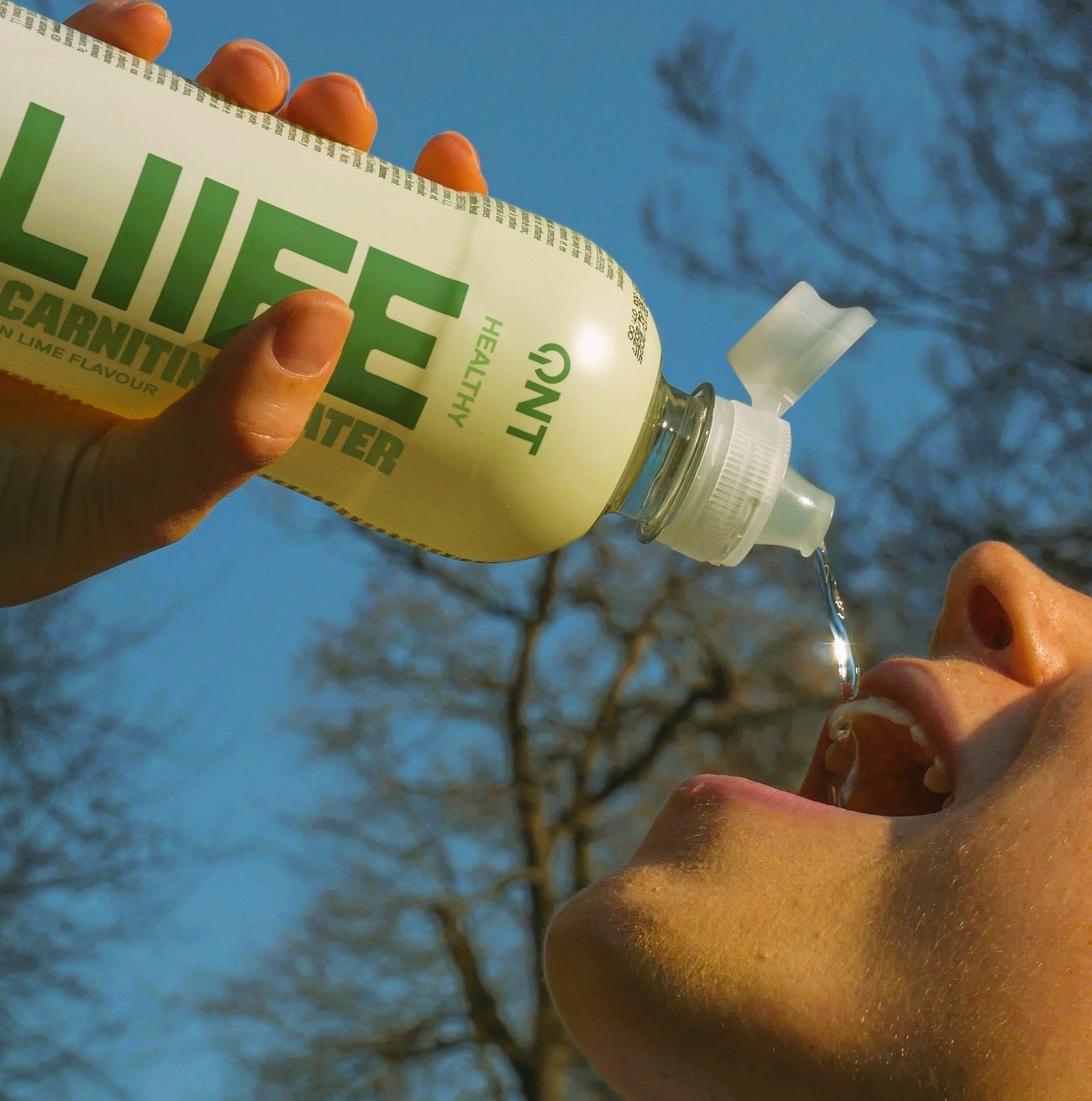
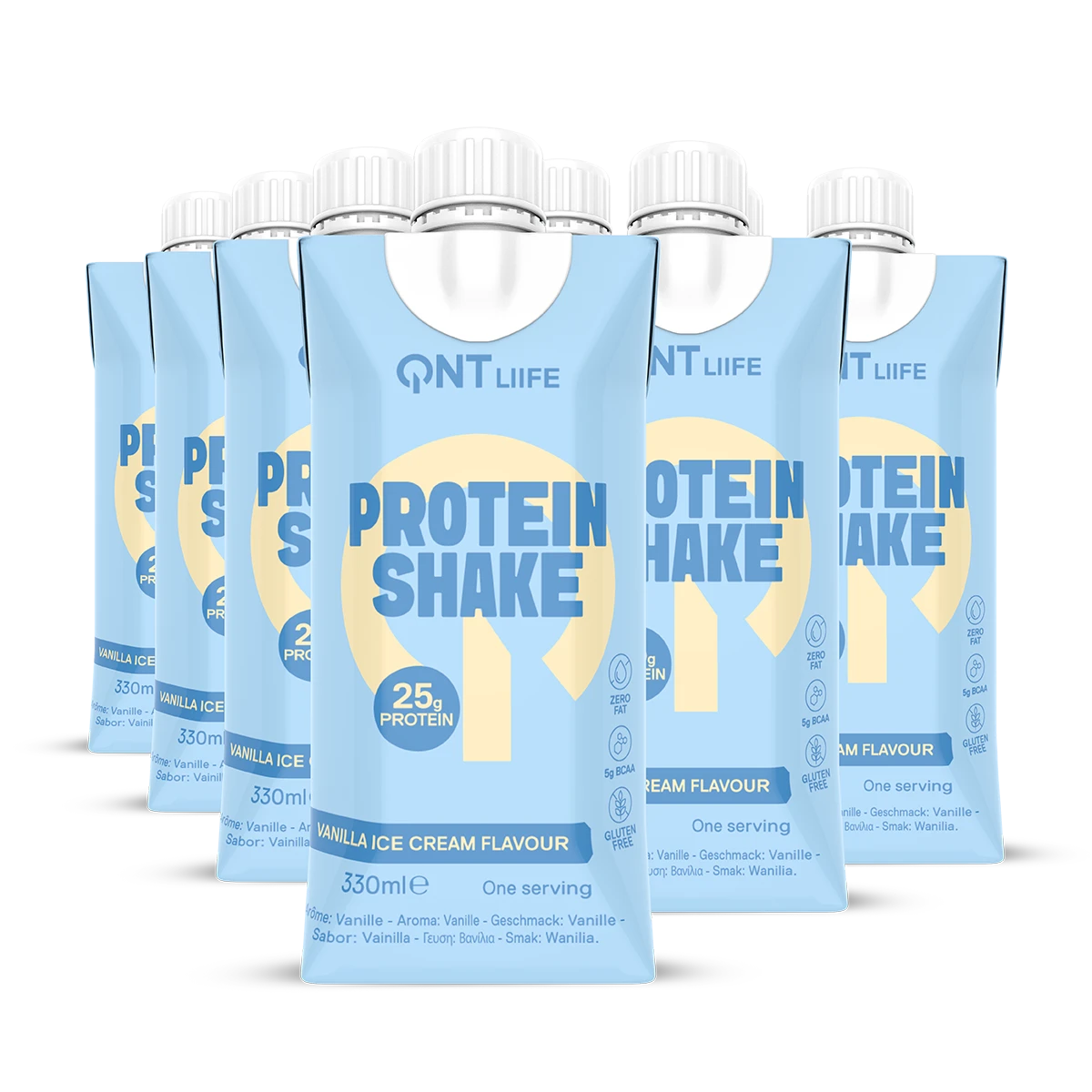
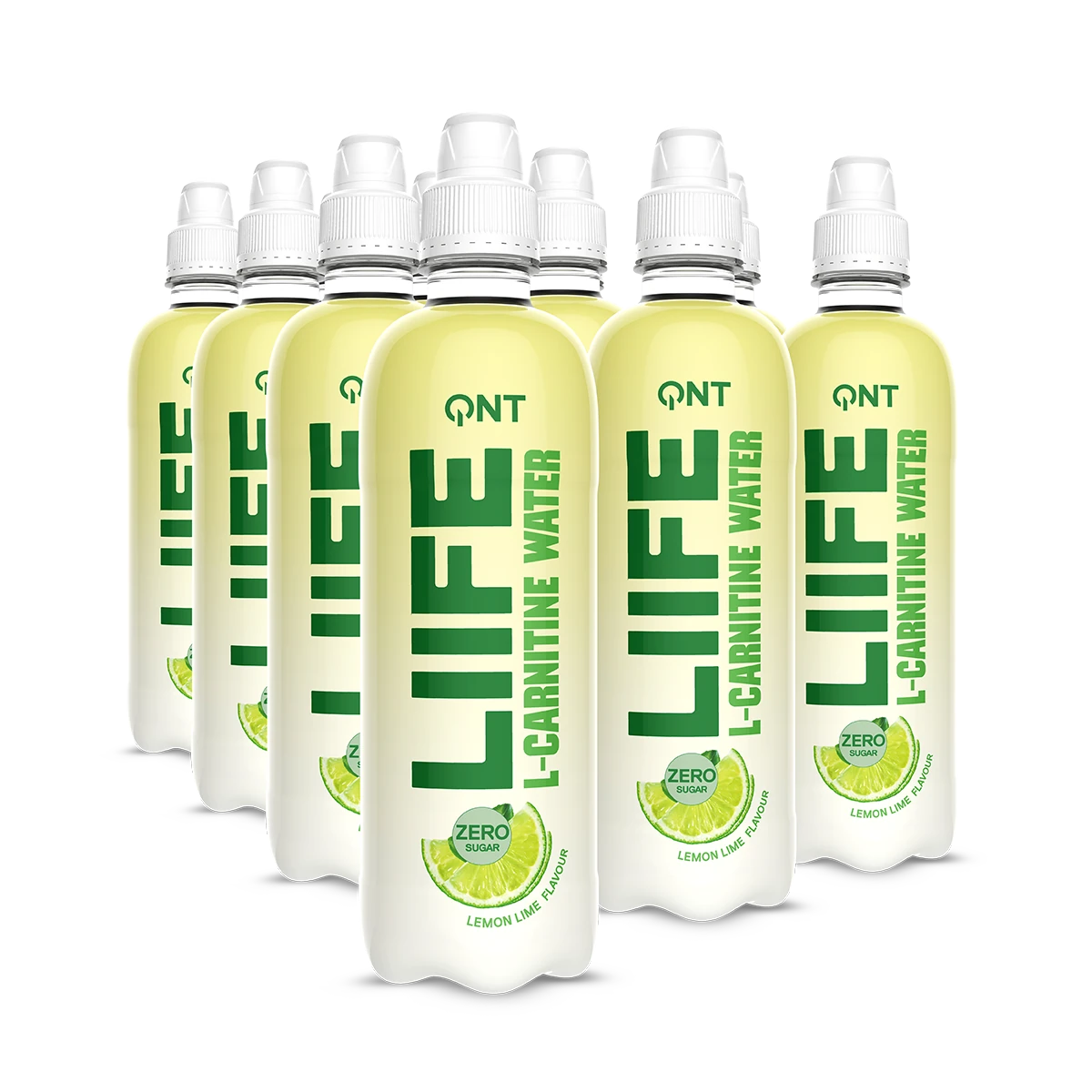
- Prioritise recovery. Appetite often drops. Amino acids and BCAAs are handy when solid food does not appeal. L-Carnitine Immunity Water combines hydration with a functional boost.
What to avoid and what to watch for
- Do not train in full sun during the hottest hours (12pm to 6pm, above 30°C). During a heat wave alert, move indoors where it is cool.
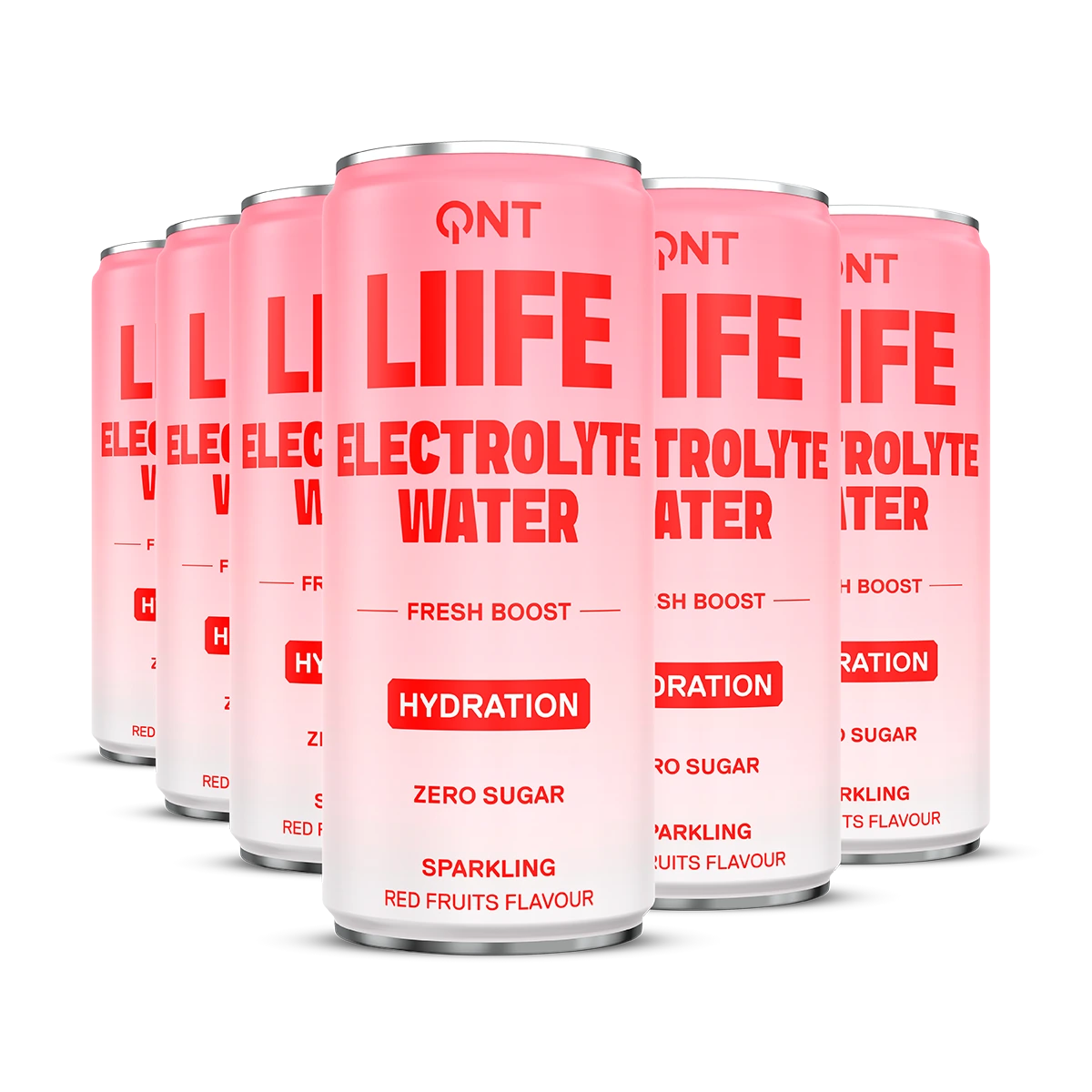
- Do not rely on plain water alone for long efforts: add electrolytes so you do not dilute your sodium levels.
- Avoid alcohol and heavily sugared or energy drinks.
- Do not take an ice-cold shower right after training: it can leave you dizzy. Cool down gradually, then take a lukewarm shower.
- Do not train on a full stomach: leave around an hour after a meal.
- Do not ignore warning signs: dizziness, headaches, nausea, cramps, a racing heart or rapid breathing. These are signs of heatstroke.
- Watch the humidity, not just the temperature. When the air is humid, sweat evaporates less easily and your body cools down less effectively, so stay vigilant even at moderate temperatures.
Recap table
| DO | AVOID |
|---|---|
| Train early in the morning or in the evening | Sit out in full sun from 12pm to 6pm |
| Drink before you feel thirsty | Rely on plain water alone (sodium dilution) |
| Replace electrolytes and minerals | Alcohol, sugary sodas and energy drinks |
| Reduce intensity and duration | Chase a PR or high intensity without acclimatising |
| Breathable clothing + sunscreen | Ice-cold shower after training |
| Recover with protein / amino acids | Train on a full stomach |
| Listen to your body and stop | Ignore dizziness, nausea, cramps |
This table sums up the good habits and the most common mistakes when training in extreme heat.
Did you know? Creatine does not cause cramps or dehydration
A stubborn myth claims that creatine raises the risk of cramps and dehydration during exercise, especially in hot weather. The evidence does not back this up: a systematic review (Lopez et al., 2009) found no increase in the risk of dehydration, cramping or heat intolerance. So you can keep up your supplementation through the summer, as long as you stay well hydrated.
Acclimatising gradually to the heat
Before you even fine-tune your hydration, the most common mistake is trying to perform too fast in full heat. As our nutrition and performance experts at QNT point out, it is better not to chase personal records or aim for high intensity from May to September: pushing into extreme efforts without being acclimatised to the heat can be dangerous for your health. You can still enter races, but save your big performance goals for cooler periods.
The body adapts to heat over roughly 2 to 3 weeks (10 to 20 days) through gradual exposure. In practice:
- Start with short sessions, ideally in the evening as the heat drops, at low intensity: an easy jog or a moderate-pace bike ride.
- Guide yourself by heart rate or RPE (rate of perceived exertion from 1 to 10). Aim for around 3-4/10 to begin, a zone where you still feel comfortable.
- After 1 to 2 weeks of adaptation, first increase volume, then gradually introduce intensity. That is the ideal order: duration first, intensity second.
This progressive build-up gives your body time to develop its heat adaptations and sharply lowers the risk in the sessions that follow.
Electrolytes explained: hydration and recovery
Electrolytes (sodium, potassium, magnesium, calcium) are charged minerals that regulate your body's fluid balance. During exercise in the heat, you lose significant amounts in sweat, and water alone can't replace them.
The role of electrolytes in hydration
Sodium helps your body hold on to and distribute fluid. Drinking lots of water without sodium can dilute your blood (a risk called hyponatremia) and make hydration less effective. The ACSM position stand recommends including sodium in your hydration strategy during long or sweaty efforts (Sawka et al., 2007).
The role of electrolytes in recovery
After exercise, replenishing electrolytes helps restore fluid balance and supports muscle and nerve function. Under EFSA-authorised claims, magnesium and potassium contribute to normal muscle function, and magnesium to normal nervous system function. Rehydrating well with electrolytes may also help limit that post-session cramping feeling.
| Electrolyte | Main role | Loss in sweat |
|---|---|---|
| Sodium | Fluid balance, fluid retention | High |
| Potassium | Muscle contraction, cell balance | Moderate |
| Magnesium | Normal muscle and nerve function | Low to moderate |
| Calcium | Muscle contraction | Low |
When and how? For sessions under an hour, water is usually enough. Beyond that, or in intense heat with heavy sweating, add electrolytes to your drink. For recovery, combine rehydration, electrolytes and a source of protein. A vitamins & minerals supplement can help top up your magnesium and potassium intake.

Conclusion
Exercising in a heat wave is entirely possible when you respect these do's and don'ts. Acclimatise gradually to the heat before ramping up the intensity. Plan your hydration ahead, replace what sweat carries away, and listen to your body. Discover our BCAAs, amino acids and vitamins & minerals, made in Belgium since 1992.
By the QNT Sport team • 30+ years of expertise in sports nutrition
Sources: Sawka et al. (2007), ACSM Position Stand (DOI) · EFSA (2010) (DOI) · Lopez et al. (2009) (DOI) · Examine.com BCAAs

Frequently asked questions
Can you exercise during a heat wave?
Is creatine risky in hot weather?
What should you drink in extreme heat?
How do you recover after a session in the heat?
Which signs mean I should stop?
Keep reading
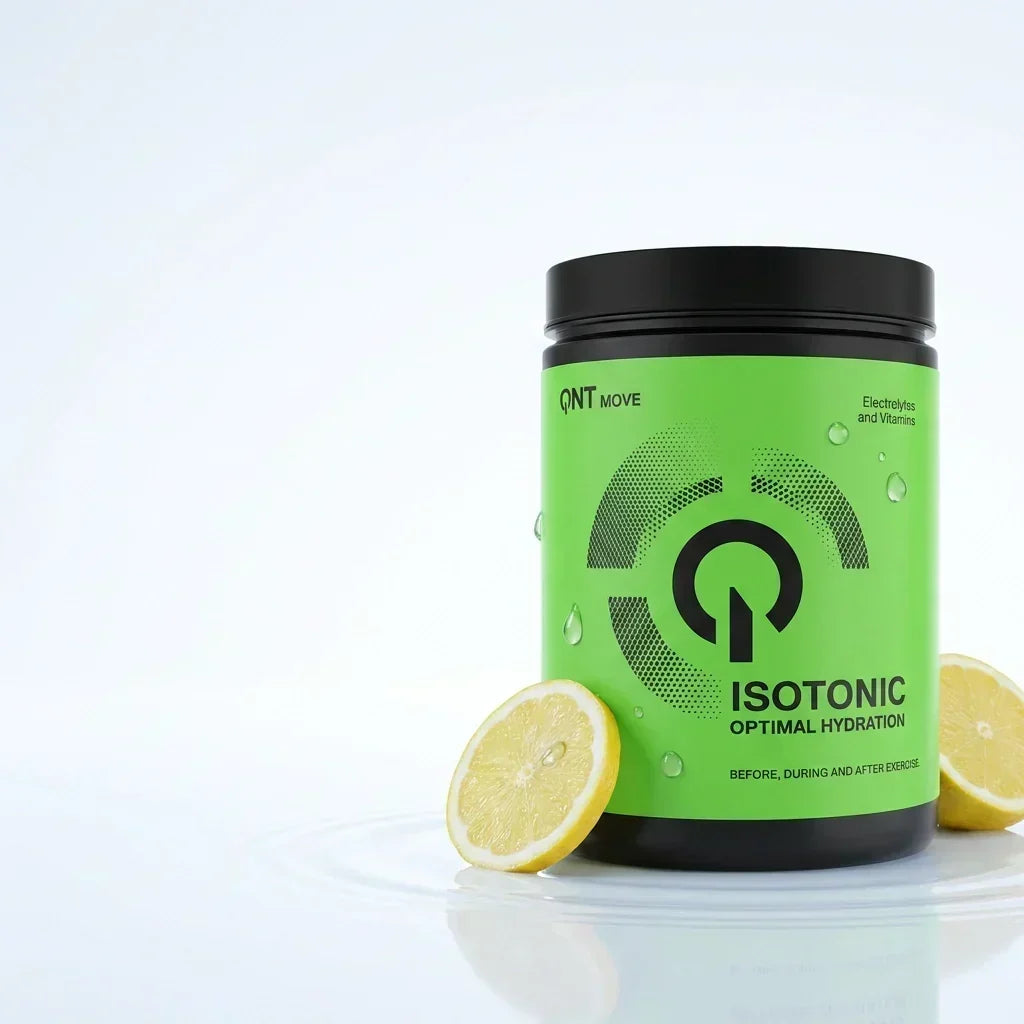
Electrolytes for Athletes: Do You Need Them, and How Do You Choose?
What the research and EU regulation actually say about electrolytes and sport. When water is enough, when it is not, and how to choose a drink. QNT...
 entrainement
What to eat before a workout? The pre-workout meal guide
What to eat before a workout? A meal, a pre-workout snack or a small bite depending on the time available, with simple examples and the right carbs.


