






L-Carnitine for Weight Loss: Results After 1 Month and Dosage
Table of contents
- Quick answer: does l-carnitine make you lose weight?
- What is carnitine?
- Does carnitine really help you lose weight?
- Which form of carnitine should you choose for weight loss?
- How long does it take to see results?
- Three myths about l-carnitine
- How to take l-carnitine for weight loss?
- Side effects and when to see your doctor
- Which qnt l-carnitine should you choose?
- Coach's tips
- Sources
By Marius Grek, nutrition expert at QNT Sport, which has been manufacturing food supplements since 1992.
Updated on 21 October 2026.
⚕️ Medical disclaimer: this article is for informational purposes only and does not replace the advice of a healthcare professional. Talk to your doctor before any L-carnitine supplementation, especially in case of kidney disease, thyroid disorder, anticoagulant treatment, pregnancy or breastfeeding. Self-medication is discouraged.
Quick answer: does L-carnitine make you lose weight?
No, not on its own. L-carnitine helps transport fatty acids into the mitochondria, where they are used as a source of energy, but this physiological role does not cause weight loss by itself. Its supplementation is studied for a supporting role during weight loss: the results of the studies remain modest, in the region of 1 kg compared with placebo, and they only appear with a calorie deficit (around 300 to 500 kcal per day) combined with regular training. L-carnitine can support a weight-loss effort, but it replaces neither a suitable diet nor physical activity.
L-carnitine and weight loss at a glance
- What it is: a compound the body makes from two amino acids, lysine and methionine, and that meat, fish and dairy products provide. It transports fatty acids into the mitochondria, where they are used as energy.
- Results: in the meta-analyses, about 1 kg less body weight than with placebo over the length of the trials, mainly in overweight adults. Nothing without a calorie deficit.
- After 1 month: the trials measure the effect over 8 weeks to 6 months. On the scale of a single month, the expected difference compared with the same programme without carnitine stays below what a bathroom scale can tell apart.
- Form: L-carnitine and L-carnitine L-tartrate are the forms used in the trials on weight and sport. Acetyl-L-carnitine and propionyl-L-carnitine are studied for other uses and are not part of the QNT range.
- Dose: the trials most often use 2 g per day. Follow the dose stated on the label: depending on the QNT format, one serving provides 500 mg to 3 g.
- When: consistency matters more than timing. Taking it with a meal that contains carbohydrates helps the muscle store the carnitine.
- Without exercise: the effect on weight is even smaller, and the other effects that have been studied (recovery, efficiency during exercise) concern trained people.
- Coach's tip: no fat burner is a miracle product. Carnitine belongs in a complete programme: a suitable diet, training, and adequate vitamin and mineral intake.
Carnitine is one of the most frequently mentioned supplements when it comes to weight loss, and one of the most misunderstood. This article explains what it really does in the body, what the pooled studies show, which form and which dose make sense, and what it is reasonable to expect with or without exercise.

What is carnitine?
Carnitine is a compound derived from two amino acids, lysine and methionine. The body makes it itself, and the diet provides it too, mainly through red meat, fish, poultry and dairy products. Plants contain very little of it, so the dietary intake of a vegetarian or vegan is considerably lower. It is stored mostly in skeletal muscle and in the heart (Longo et al., 2016).
Its function is precise: it acts as a shuttle for long-chain fatty acids. The inner membrane of the mitochondrion, the compartment of the cell where fats are broken down to produce energy, is impermeable to them. Carnitine binds to the fatty acid, carries it across this membrane, then detaches and goes back for the next one (Longo et al., 2016). So it does not burn anything by itself: it transports.
This is also what limits the point of adding more. In a healthy person the muscle stores are already close to their maximum, the carnitine is recycled on every trip, and the rate at which fats enter the mitochondria depends mainly on the energy demand of the moment, not on how much transporter is available (Stephens et al., 2007). An extra intake therefore does not mechanically increase fat oxidation, which explains why the measured effects are so modest.
Does carnitine really help you lose weight?
What the meta-analyses show
| Source | Pooled data | Average result compared with placebo | In whom |
|---|---|---|---|
| Pooyandjoo et al., 2016, Obesity Reviews | 9 randomised trials | About 1.3 kg less body weight | Adults; the gap with placebo narrows as the trials get longer |
| Talenezhad et al., 2020, Clinical Nutrition ESPEN | 37 randomised trials | About 1.2 kg less body weight and 2 kg less fat mass | Clearer effect in overweight or obese adults |
| Examine.com, independent review | Review of the literature | Real but small effect | Only when supplementation accompanies a calorie deficit and training |
How to read this table: the two meta-analyses pool trials in which the participants were usually following a diet or exercise programme, with or without carnitine. The difference between the two groups, about 1 kg, is the effect attributable to the supplement. It is real, it is small, and it comes on top of the weight loss the programme produces anyway. The trials included run from a few weeks to six months; Pooyandjoo and colleagues observe that the gap with placebo shrinks as the trials get longer, which argues against the idea of an effect that builds up over time.
Why the effect stays modest
Carnitine does not act on the amount of fat mobilised. It only acts on its transport, and that transport is not the limiting factor in a person whose muscle stores are normal (Stephens et al., 2007). What makes you lose fat is the calorie deficit, created by the diet and spent through activity. Carnitine may support a process that is already under way; it does not trigger it. This is why overweight people who combine calorie restriction with regular intake are the ones in whom the trials measure the clearest effect.
Who can expect something from it
- Overweight adults following a calorie deficit: the profile of most of the trials, and the one in which the effect is clearest (Talenezhad et al., 2020).
- Athletes who train regularly: the documented interest concerns efficiency during exercise and recovery more than weight (Wall et al., 2011; Fielding et al., 2018).
- Vegetarians and vegans: their dietary intake is low, but the body makes its own. The weight trials did not single out this profile, so no particular effect can be promised to them.
- Sedentary people with no change in diet: the expected effect is too small to be noticed.
With or without exercise
The trials in which the effect is most marked combine supplementation with a calorie deficit and regular training (Examine review). Physical activity raises the muscle's energy demand, and with it the flow of fatty acids that carnitine transports. Without training, that demand stays low and the average effect on weight is even smaller.
The other effects of carnitine that have been studied concern trained people: better muscle efficiency after twenty-four weeks of intake with carbohydrates (Wall et al., 2011) and more favourable recovery markers after exercise (Fielding et al., 2018). For a sedentary person, no benefit of this kind is documented, and the expected weight loss comes down to the modest effect described above. To structure your training and diet around a calorie deficit, our cutting guide lays out the method and our carb cycling guide shows how to lose fat while keeping muscle.
Which form of carnitine should you choose for weight loss?
| Form | What is studied | For weight loss | QNT range |
|---|---|---|---|
| L-carnitine (base) | Weight and body composition, the form used in most of the trials in the meta-analyses | Reference form | 2000 mg drink, 500 mg capsules, L-Carnitine Water |
| L-carnitine L-tartrate | Sport and recovery (Wall et al., 2011; Fielding et al., 2018) | Equivalent, often taken before exercise | 3000 mg shots |
| Acetyl-L-carnitine (ALCAR) | Uses outside sport, because it crosses the blood-brain barrier | No demonstrated advantage for weight | Not in the range |
| Propionyl-L-carnitine and GPLC | Medical settings and endurance, few trials on weight | No demonstrated advantage for weight | Not in the range |
How to read this table: no direct comparison between forms has shown that one form makes you lose more weight than another. The choice comes down to the format and how consistently you take it, not to the molecule. QNT offers only L-carnitine and its tartrate salt, the forms used in the trials on weight and sport; the others belong to uses we do not cover.
How long does it take to see results?
After 1 month
None of the pooled trials reports a visible difference on the scale after one month. Wall and colleagues, who followed participants for twenty-four weeks, measured no increase in muscle carnitine before the end of that period (Wall et al., 2011). Scaled down to one month, the average effect of the meta-analyses amounts to a few hundred grams at best, which no bathroom scale can tell apart from day-to-day water fluctuations. What you may notice after a month comes from the calorie deficit and the training, not from the supplement.
After 2 to 3 months and beyond
This is the typical length of the trials included in the meta-analyses, and this is where the average difference of close to 1 kg sits. Beyond that, the gap with placebo does not grow: it tends rather to shrink in the longest trials (Pooyandjoo et al., 2016). A six-month trial was needed to see the muscle stores increase, and even then only with a daily intake alongside carbohydrates (Wall et al., 2011).
| Period | What the studies show | What you can notice |
|---|---|---|
| 1 to 4 weeks | No measured effect; muscle stores unchanged (Wall et al., 2011) | The first kilos come from the calorie deficit, not from the carnitine |
| 8 to 12 weeks | Typical length of the trials; average difference close to 1 kg compared with placebo | A difference of this size does not show on the scale from one day to the next |
| 24 weeks | Muscle carnitine +21% with carbohydrates, better efficiency during exercise in trained athletes (Wall et al., 2011) | An effect on performance, measured in the laboratory, not a weight loss |
How to read this table: the middle column describes what the studies measure with laboratory tools, the right-hand column what a person can observe for themselves. The gap between the two is the reason carnitine disappoints those who buy it for a quick result.
Three myths about L-carnitine
"With L-carnitine, the fat goes away on its own." The idea comes from the "fat burner" label and from the molecule's real role in fatty acid oxidation. It is wrong because carnitine transports fats, it does not mobilise them: without a calorie deficit, there is nothing extra to transport (Stephens et al., 2007). Create the deficit first, through diet and activity; carnitine comes afterwards, if you want it.
"The more I take, the more I lose." The idea comes from a dose logic that holds for many nutrients. It is wrong here because the muscle stores of a healthy person are already close to their maximum (Stephens et al., 2007), and the dose-response analysis by Talenezhad and colleagues shows no extra benefit beyond the usual doses of the trials. Stick to the dose on the label.
"You see results from the first month." The idea comes from advertising promises and from searches like "results after 1 month". It is wrong because the trials measure a difference of about 1 kg over 8 to 12 weeks, and it takes six months of daily intake with carbohydrates to see the muscle stores increase (Wall et al., 2011). Judge over three months, with the scale and your waist measurement, keeping the programme constant.
How to take L-carnitine for weight loss?
What dose
The trials in the meta-analyses most often use 2 g per day, with doses ranging from about 1 to 4 g (Talenezhad et al., 2020). The QNT formats cover this range: one serving provides 500 mg (capsule, L-Carnitine Water), 1 g (half a bottle of L-Carnitine 2000 mg) or 3 g (one shot). Follow the dose stated on the product label and do not exceed it.
Important: these reference points come from clinical trials and do not replace your doctor's advice, especially if you are on medication or have a health condition.
When to take it
The exact moment matters little, because the documented effects come from muscle stores built up over several weeks; consistency matters more than timing. There is still one useful reference point: the entry of carnitine into the muscle depends on insulin, and taking it with a meal that contains carbohydrates helps this storage, whereas taking it on an empty stomach does not trigger that signal (Stephens et al., 2007). The protocol used by Wall and colleagues paired each intake with 80 g of carbohydrates. Taking your shot before a session is convenient, not necessary. To go further on timing and consistency, read our guide on when to take L-carnitine.
With which other supplements
- Caffeine: studied separately for its effect on energy expenditure. No trial shows that combining it with carnitine increases weight loss; the combination is a pre-workout habit, not a validated protocol.
- BCAAs: sometimes combined during a diet for muscle recovery. Dosage and timing are detailed in our guide BCAA: benefits, dosage and timing, and the range is gathered in the BCAAs collection.
- Omega-3: no data shows any interaction with carnitine, in either direction. Omega-3 fatty acids are taken for their own reasons.
Side effects and when to see your doctor
At the doses used in the trials, L-carnitine is generally well tolerated. The effects reported mainly concern high doses: digestive discomfort (nausea, diarrhoea) and, in some people, a fishy body odour linked to the breakdown of carnitine by gut bacteria (Examine review).
Talk to your doctor before starting if you are in one of these situations:
- kidney disease, because carnitine is eliminated by the kidneys;
- thyroid disorder or thyroid treatment;
- anticoagulant treatment;
- pregnancy or breastfeeding;
- any long-term medical treatment.
See a doctor if digestive problems persist beyond a few days, or if an unusual symptom appears after you start taking it. L-carnitine is not intended for children outside a medical setting.
Which QNT L-carnitine should you choose?
Four formats cover the uses described in this article. Choose the one that makes taking it as consistent as possible, and follow the dose on the label.
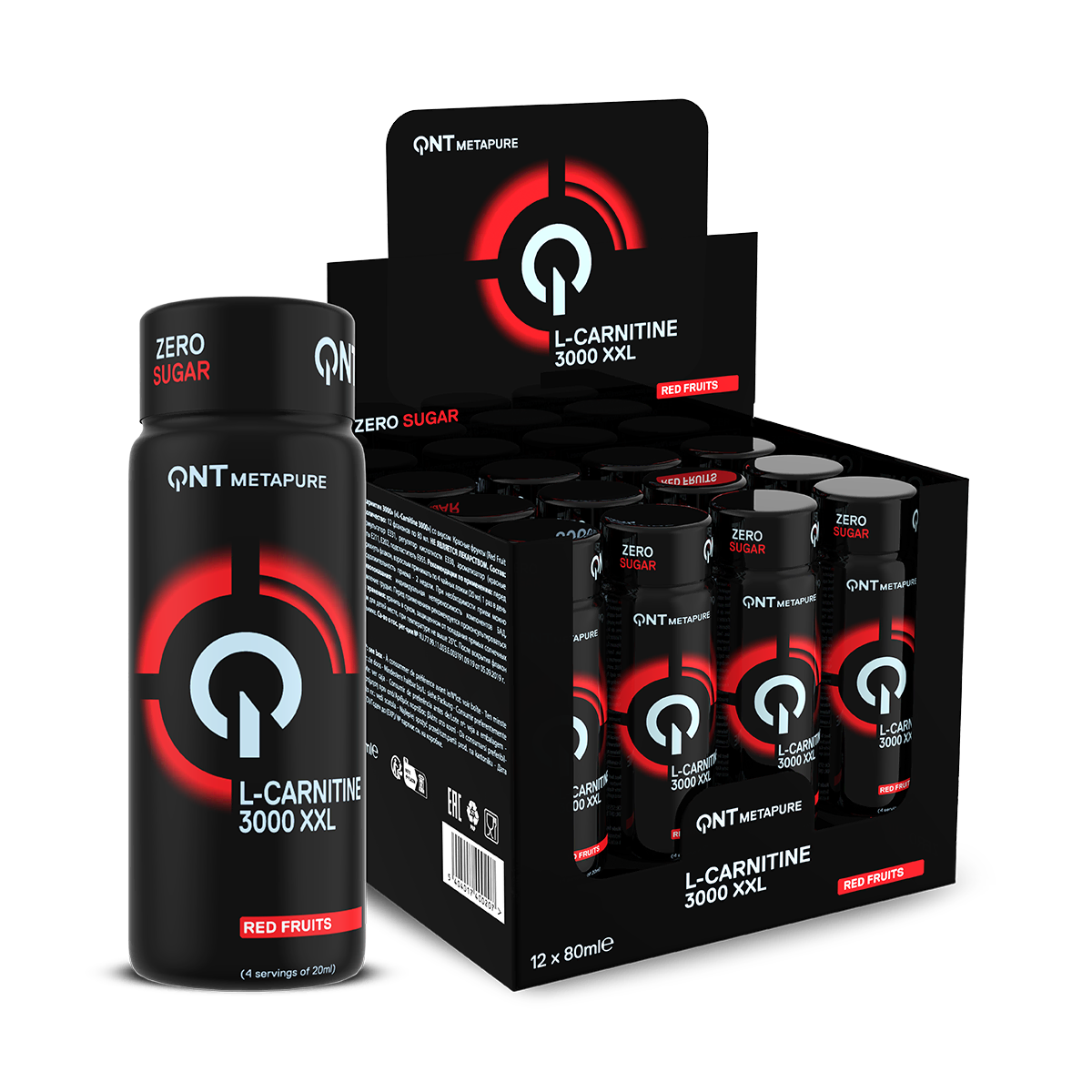
- L-Carnitine 3000 mg, 12 x 80 ml shots: the most concentrated format, one shot before a session.
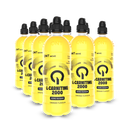
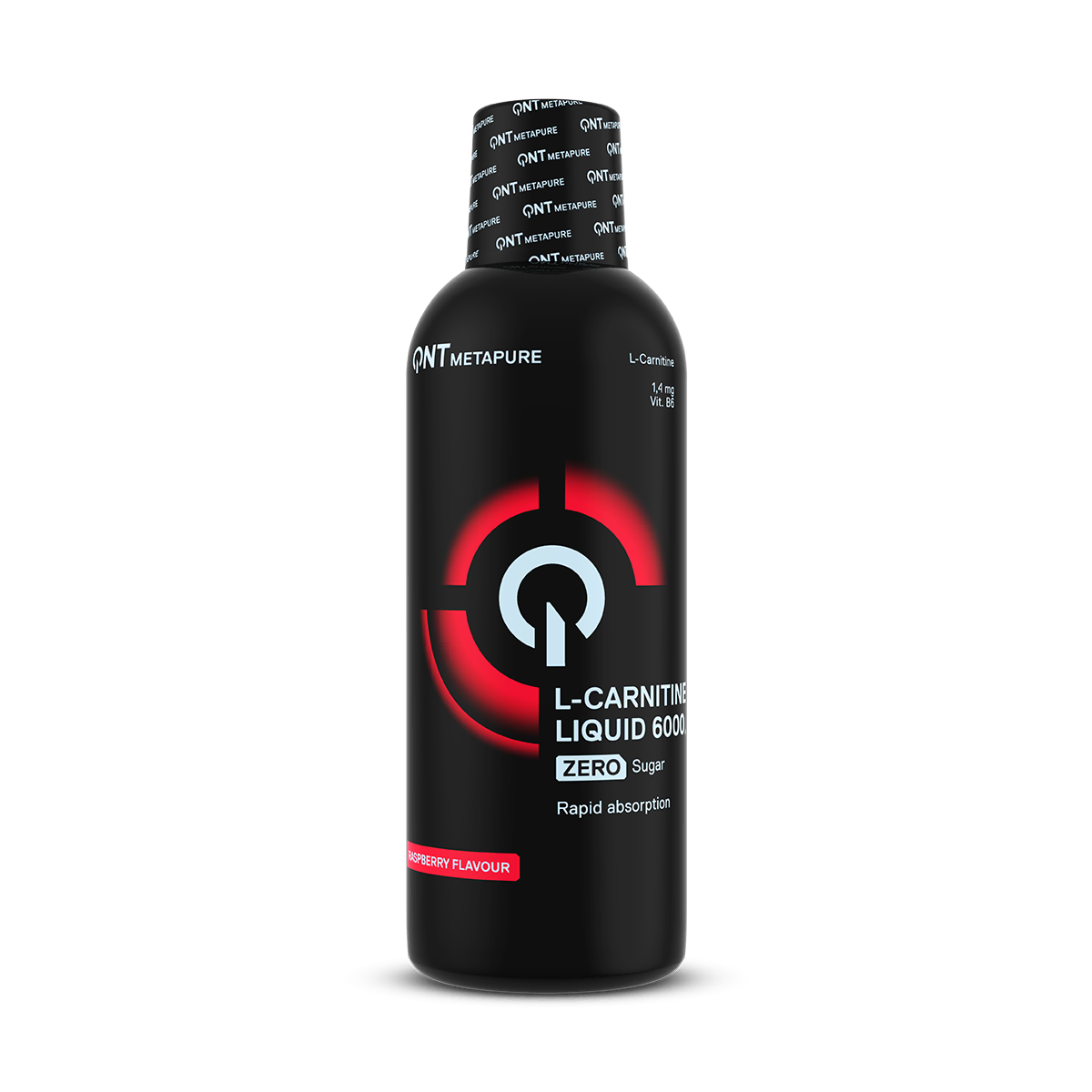
- L-Carnitine 2000 mg, 12 x 700 ml: a sugar-free ready-to-drink bottle, half a bottle per day spread over the day.
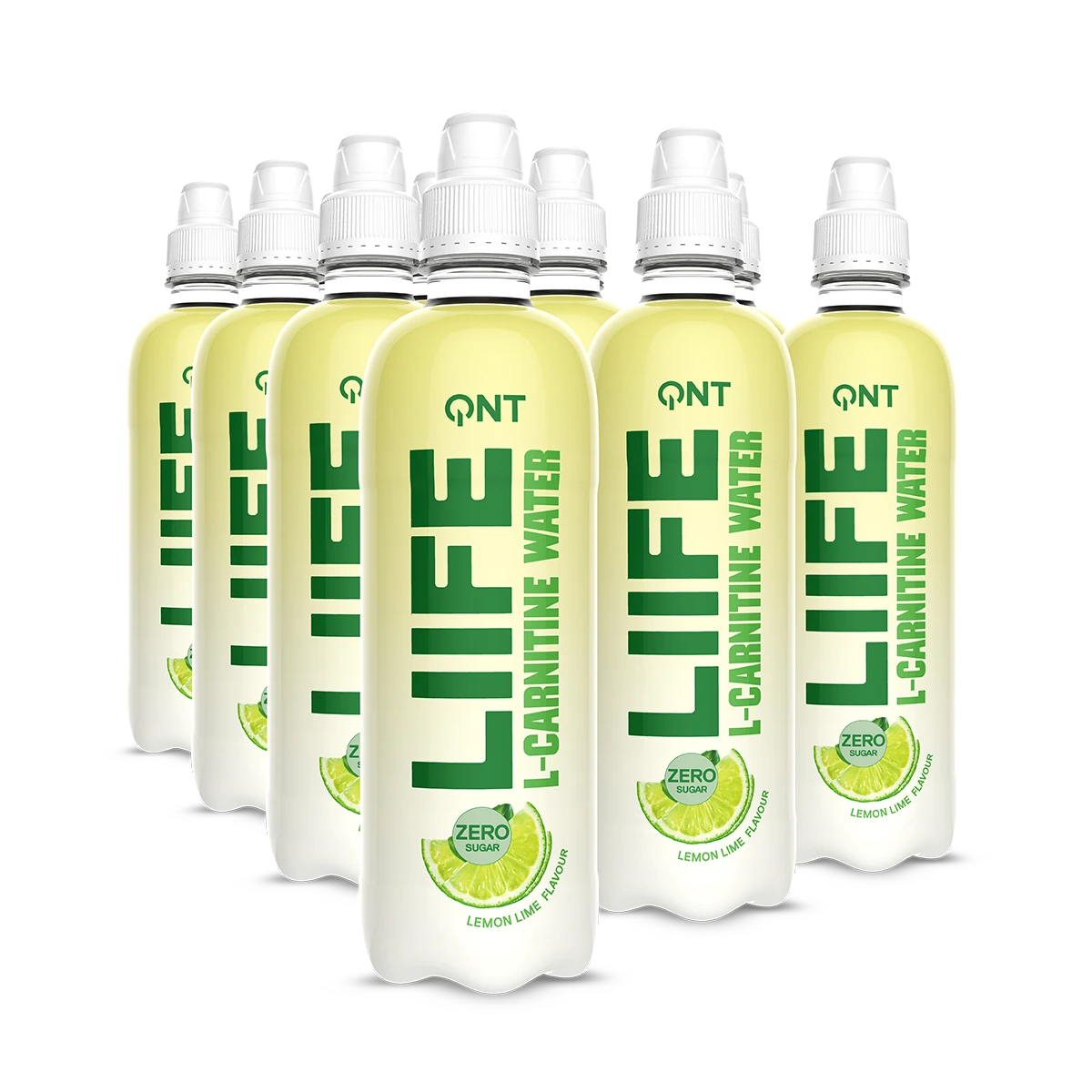
- L-Carnitine Water, 12 x 500 ml: 500 mg of L-carnitine per bottle, sugar-free, the lightest dose for an intake over the course of the day.
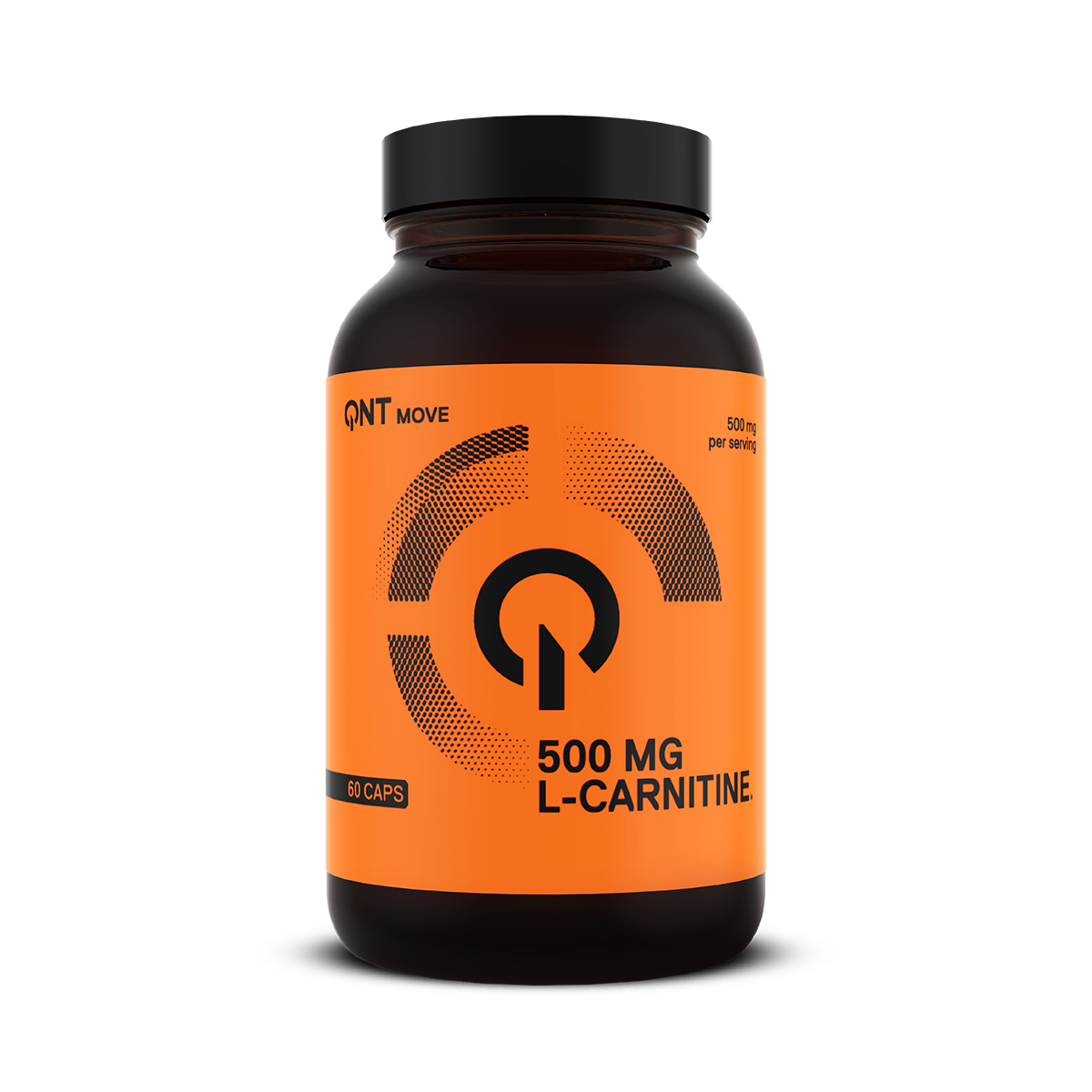
- L-Carnitine 500 mg, 60 capsules: the capsule format, one capsule per day with a meal.
The full range is gathered in the L-Carnitine collection, and the other approaches in the Weight loss collection. QNT, a Belgian brand, has been making food supplements since 1992.
Coach's tips
- No fat burner is a miracle product. Without a suitable diet and at least some physical activity, the result is likely to be disappointing. Weight loss should therefore be seen as a complete programme in which carnitine can be included. To hold a calorie deficit without cravings, our guide to natural appetite suppressants reviews foods, drinks and supplements. In general, people find that taking carnitine increases sweating during intense cardio exercise.
- Feel free to use carnitine together with a fat burner, but do not forget to give your body everything it needs to function at its best: vitamins and minerals remain the foundation.
Sources
- Pooyandjoo M., Nouhi M., Shab-Bidar S., Djafarian K., Olyaeemanesh A. (2016). The effect of (L-)carnitine on weight loss in adults: a systematic review and meta-analysis of randomized controlled trials. Obesity Reviews, 17(10), 970-976. 10.1111/obr.12436
- Talenezhad N., Mohammadi M., Ramezani-Jolfaie N., Mozaffari-Khosravi H., Salehi-Abargouei A. (2020). Effects of l-carnitine supplementation on weight loss and body composition: a systematic review and meta-analysis of 37 randomized controlled clinical trials with dose-response analysis. Clinical Nutrition ESPEN, 37, 9-23. 10.1016/j.clnesp.2020.03.008
- Wall B.T., Stephens F.B., Constantin-Teodosiu D., Marimuthu K., Macdonald I.A., Greenhaff P.L. (2011). Chronic oral ingestion of L-carnitine and carbohydrate increases muscle carnitine content and alters muscle fuel metabolism during exercise in humans. The Journal of Physiology, 589(4), 963-973. 10.1113/jphysiol.2010.201343
- Stephens F.B., Constantin-Teodosiu D., Greenhaff P.L. (2007). New insights concerning the role of carnitine in the regulation of fuel metabolism in skeletal muscle. The Journal of Physiology, 581(2), 431-444. 10.1113/jphysiol.2006.125799
- Longo N., Frigeni M., Pasquali M. (2016). Carnitine transport and fatty acid oxidation. Biochimica et Biophysica Acta, Molecular Cell Research, 1863(10), 2422-2435. 10.1016/j.bbamcr.2016.01.023
- Fielding R., Riede L., Lugo J.P., Bellamine A. (2018). l-Carnitine Supplementation in Recovery after Exercise. Nutrients, 10(3), 349. 10.3390/nu10030349
Additional resource: Examine.com, L-Carnitine.

Frequently asked questions
Does L-carnitine make you lose weight without dieting?
How many kilos can you lose with L-carnitine?
What results can you expect after one month of L-carnitine?
Which form of L-carnitine should you choose for weight loss?
What daily dose of L-carnitine for weight loss?
Does L-carnitine have side effects?
Is L-carnitine suitable for vegetarians and vegans?
Keep reading
 Lose Weight
L-Carnitine: when to take it and how it turns fat into energy
When should you take L-Carnitine for maximum energy? Learn how mitochondria use it, optimal timing per goal, and what the studies actually show.
 Lose Weight
Natural Appetite Suppressants That Work: Foods and Supplements
Discover 8 natural appetite suppressants with science: protein, fiber, L-Carnitine, green tea, caffeine. Dosages, FAQ, QNT products.
 Lose Weight
How to quit sugar: the complete withdrawal guide
Complete guide to quitting sugar without frustration. Learn 7 proven steps, withdrawal symptoms, and expert-recommended products. Belgian sports nu...

Spring Shredding Guide: How to Maximize Fat Loss for Your Best Summer Body
Winter is over. The layers are coming off. And if you're reading this, you already know the clock is ticking: summer is around the corner, and it's...


