







Protein for women: how much do you need, what are the benefits and how do you choose your whey?
Table of Content
- Why is protein important?
- Does protein affect female hormones?
- Protein and bone health: should you be worried?
- Can protein help you manage satiety better?
- How much protein per day for a woman?
- Should you spread your protein across the day?
- Whey and plant proteins: which source should you choose?
- Whey isolate or whey concentrate: what is the difference?
- Does protein make you gain weight?
- Can whey make you "too muscular"?
- Dos and don'ts for increasing your protein intake
- Which qnt protein should you choose?
- In short
- Sources

Protein is not just for people who do resistance training. It contributes to maintaining muscle mass, to bone health and to the normal functioning of the body, whatever your sex.
So, how much protein does a woman need per day? Should you increase your intake when you exercise? Does whey make you gain weight? And what difference does menopause make?
The answer depends above all on your age, your level of physical activity, your goals and your personal situation. Here is what the scientific evidence on protein for women allows us to say today, without overblown promises or misconceptions.
Why is protein important?
Protein supplies the amino acids needed for many processes in the body. In particular, it contributes to the maintenance and growth of muscle mass, and to the maintenance of normal bones.
It becomes especially important when your needs increase, for example with regular physical activity, ageing, weight loss or periods of recovery.

Protein and muscle mass
Muscle mass changes naturally with age. From adulthood onwards, it tends to decline gradually, and this decline may speed up as you get older. Physical activity, and muscle-strengthening exercise in particular, is one of the main ways to preserve it.
Protein plays a complementary role here: it supplies the amino acids that muscles use to repair themselves and adapt to training.
A large meta-analysis published in the British Journal of Sports Medicine pooled 49 randomised trials involving 1,863 healthy adults (Morton et al., 2018). It concluded that protein supplementation modestly increases the gains in lean mass and strength obtained with resistance training. The additional benefits appear to level off at around 1.6 g of protein per kilogram of body weight per day in adults who do resistance training.
This finding matters for one reason: eating more protein does not automatically mean better results. Once your needs are covered, increasing your intake further does not necessarily bring any additional benefit.
In women, specific data are even scarcer than in men (Zhou et al., 2025). It is therefore better not to put forward a "women-specific" dose when the studies do not make it possible to establish one.

Protein, menopause and ageing
Menopause does, however, deserve particular attention.
The decline in sex hormones that comes with this stage of life is part of a wider set of physiological changes that can affect body composition, muscle mass and bone health. This does not mean that you should automatically follow a high-protein diet.
On the other hand, eating a diet that is sufficiently rich in protein and doing regular resistance exercise can be part of an overall strategy to preserve muscle mass over the years (Bauer et al., 2013; Deutz et al., 2014).
After 50 or 60, the aim is therefore not to eat "like an athlete" at all costs. It is above all about not letting your protein intake become insufficient just as the need to preserve muscle becomes greater.
Does protein affect female hormones?
One idea comes up from time to time: eating more protein might increase female hormones or directly change oestrogen levels.
It helps to distinguish between several mechanisms.
Protein supplies amino acids that the body needs to make many of its molecules. But oestrogen, progesterone and testosterone are steroid hormones: they are not simply made from the protein in your diet.
Increasing your protein intake therefore does not automatically mean increasing your oestrogen levels.
That said, your diet as a whole can influence hormonal health. An energy intake that remains too low over a long period, particularly when it is combined with heavy training, can disrupt the menstrual cycle (Mountjoy et al., 2014). In that situation, the problem is not simply a lack of protein: it is often an imbalance between energy intake and energy expenditure.
Protein and bone health: should you be worried?
No. The idea that protein "makes your bones lose calcium" is too simplistic.
The available data do not show that a high protein intake is a threat to bone health in healthy adults. In particular, a systematic review commissioned by the National Osteoporosis Foundation found no convincing adverse effect on bone (Shams-White et al., 2017).
Bone health does, however, depend on many factors. Protein, calcium, vitamin D and weight-bearing physical activity all have their place in a diet and lifestyle that support bone health.
After menopause, this overall approach becomes particularly relevant.
Can protein help you manage satiety better?
Yes, protein is generally more filling than carbohydrates or fats. It also has a greater thermic effect, because digesting and absorbing it requires more energy (Aragon et al., 2017).
This can be useful when you are trying to control your energy intake or to preserve your muscle mass while losing weight.
But "more protein" does not automatically mean "weight loss". The result depends on your diet as a whole, your physical activity and your energy balance over time.
The main benefit of an adequate protein intake during weight loss is to help preserve lean mass, particularly when it is combined with muscle-strengthening exercise (Aragon et al., 2017).
How much protein per day for a woman?
There is no single amount of protein that suits every woman.
For adults, EFSA sets a reference intake of 0.83 g of protein per kilogram of body weight per day (EFSA, 2012). This value applies to the general population and is not necessarily an optimal target for someone who trains regularly.
For physically active people, sports nutrition recommendations generally place intake in a higher range, often around 1.4 to 2.0 g/kg/day, depending on training volume and goals (Jäger et al., 2017).
| Profile | Indicative daily benchmark | For 60 kg | Source |
|---|---|---|---|
| Adult with low activity | 0.83 g/kg | about 50 g | (EFSA, 2012) |
| Active person | 1.4 to 1.6 g/kg | about 84 to 96 g | (Jäger et al., 2017) |
| Resistance training or intense training | 1.6 to 2.0 g/kg | about 96 to 120 g | (Jäger et al., 2017) |
| Active older adult | often around 1.2 g/kg or more, depending on the context | to be adjusted | (Bauer et al., 2013; Deutz et al., 2014) |
These values are benchmarks, not individual prescriptions.
Your actual needs depend in particular on your physical activity, your age, your diet, your body composition and your goals.
And this is exactly where the question "how much protein does a woman need?" can be misleading: being a woman is not enough to determine your protein needs.
What about pregnancy and breastfeeding?
Pregnancy and breastfeeding are special situations.
EFSA recommends keeping the adult reference intake and adding about 1 g per day in the first trimester, 9 g in the second and 28 g in the third trimester. During breastfeeding, the recommended additional intake is 19 g per day for the first six months, then 13 g per day (EFSA, 2012).
In these situations, a protein powder is not automatically necessary, as a varied diet generally covers your needs. If you have any doubt or a particular need, ask a doctor or midwife for advice before using a supplement.
Should you spread your protein across the day?
The total amount you eat over the day remains a central factor. But how you spread your protein can also be useful, especially when you are aiming to support recovery and muscle maintenance.
Sports nutrition recommendations often use a benchmark of about 0.25 g/kg per serving, with a practical range of 20 to 40 g for many people (Jäger et al., 2017).
There is no need, however, to turn every meal into a maths exercise.
A simple approach is to include a source of protein at each main meal, then possibly add a protein-rich snack if that makes it easier to reach your daily target.
For example:
- breakfast: Greek yoghurt, quark, eggs or a protein-rich plant-based alternative;
- lunch: fish, poultry, eggs, tofu, pulses and so on;
- snack: yoghurt, quark or a protein shake if needed;
- dinner: fish, meat, tofu, tempeh, eggs or pulses.
The main aim is to build a regular diet that is sufficiently rich in protein, rather than to chase a "perfect window".
Whey and plant proteins: which source should you choose?
All dietary proteins can help cover your needs. The differences lie mainly in their essential amino acid content, their digestibility and how easy they are to use.
Whey
Whey, a protein that comes from milk, is naturally rich in essential amino acids, including leucine (Devries & Phillips, 2015). It is also convenient when food alone does not make it easy to reach your protein target.
One frequently cited study compared whey, casein and soy and observed differences in the acute response of muscle protein synthesis (Tang et al., 2009).
The interpretation needs care, however: this study involved only 18 young men, and it measured a biological response over a few hours. It therefore does not allow us to conclude that whey is systematically superior to soy for all women, or that it builds more muscle in the long term.
Plant proteins
Plant proteins can fit perfectly well into a diet designed to cover your protein needs.
Pulses, soy, tofu, tempeh, cereals, nuts and seeds can be combined over the course of the day.
There is no need to combine every source meticulously at each meal. Dietary variety and your total protein intake over the day matter more.
Whey isolate or whey concentrate: what is the difference?
Whey isolate and whey concentrate both come from whey. The difference between them lies mainly in the degree of processing and in their final composition.
An isolate is generally more concentrated in protein and lower in lactose and fat than a concentrate.
This does not mean that an isolate is systematically "better".
If you digest a concentrate very well and its nutritional profile suits your needs, it can be perfectly suitable. An isolate can be worth considering if you are looking for more protein per gram of powder or would like to limit your intake of lactose and fat.
Does protein make you gain weight?
No, protein is not fattening in itself.
Like all macronutrients, it provides calories. Eating far more than your energy needs can therefore contribute to weight gain.
But taking whey does not automatically mean gaining fat.
If your overall energy intake stays in line with your needs, a serving of protein can simply help you reach your daily target.
And if you do resistance training, protein supplies the amino acids needed for the muscular adaptations that training brings about.
Can whey make you "too muscular"?
The fear of suddenly becoming very muscular because of a protein shake has more to do with a misconception than with physiology.
Muscle growth depends on many factors: training, volume and intensity, diet, energy intake, protein, recovery, genetics and how long you have been training.
A protein powder will not transform your figure on its own.
If your goal is simply to stay active, to progress in resistance training or to preserve your muscle mass, you can use protein as one nutritional tool among others, without attributing effects to it that it does not have.
Dos and don'ts for increasing your protein intake
✅ Spread your protein sources across the day
Including a source of protein at your main meals is often simpler than trying to make up your whole day's needs at dinner.
✅ Pair protein with muscle-strengthening exercise
Protein provides the building materials, while training is the stimulus that pushes muscle to adapt.
✅ Adapt your intake to your activity and age
A sedentary 25-year-old, someone who does resistance training four times a week and an active 70-year-old do not necessarily have the same needs.
✅ Vary your sources
Eggs, dairy products, fish, meat, soy, pulses and other protein-rich foods can all have a place in a balanced diet.
✅ Use whey for what it is: a supplement
A protein powder can be convenient after a session, at breakfast or as a snack when your diet alone is not enough to reach your target.
It is not essential, however, if your needs are already covered by food.
❌ Don't cut out the other macronutrients
Increasing your protein does not mean that you have to cut out carbohydrates or fats.
Carbohydrates in particular help supply energy during exercise, while fats play many physiological roles.
❌ Don't confuse "more" with "better"
A very high intake is not automatically more effective.
For a healthy person, the aim is above all to find a level of intake that matches their activity, age and needs.
If you have kidney disease or a health problem that requires a specific diet, ask a healthcare professional for advice before significantly increasing your protein intake.
Which QNT protein should you choose?
Once you know your needs, the choice of a supplement depends mainly on your preferences, your diet and how you intend to use it.
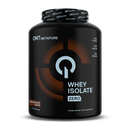
Metapure Whey Isolate Zero
Metapure Whey Isolate Zero is a particularly concentrated whey isolate.
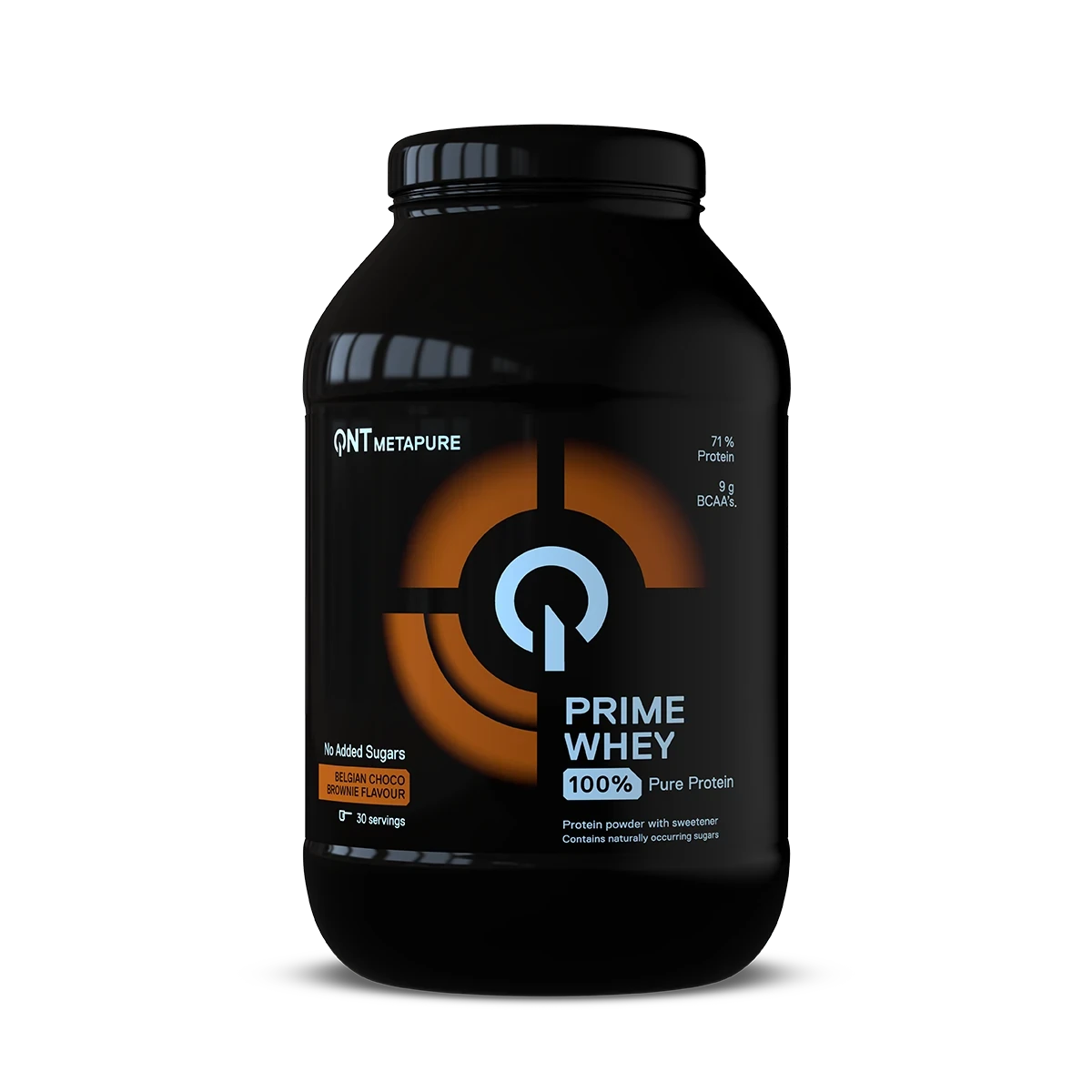
In the Belgian chocolate flavour, a 25 g serving currently provides 19.35 g of protein for 90 kcal, with 0.28 g of sugars and 0.38 g of fat. It is also relatively low in lactose and fat.
It may suit you if you are looking for a powder with a high proportion of protein per serving and little fat.
Discover Metapure Whey Isolate Zero
Light Digest Whey Protein
Light Digest Whey Protein combines whey concentrate and whey isolate.
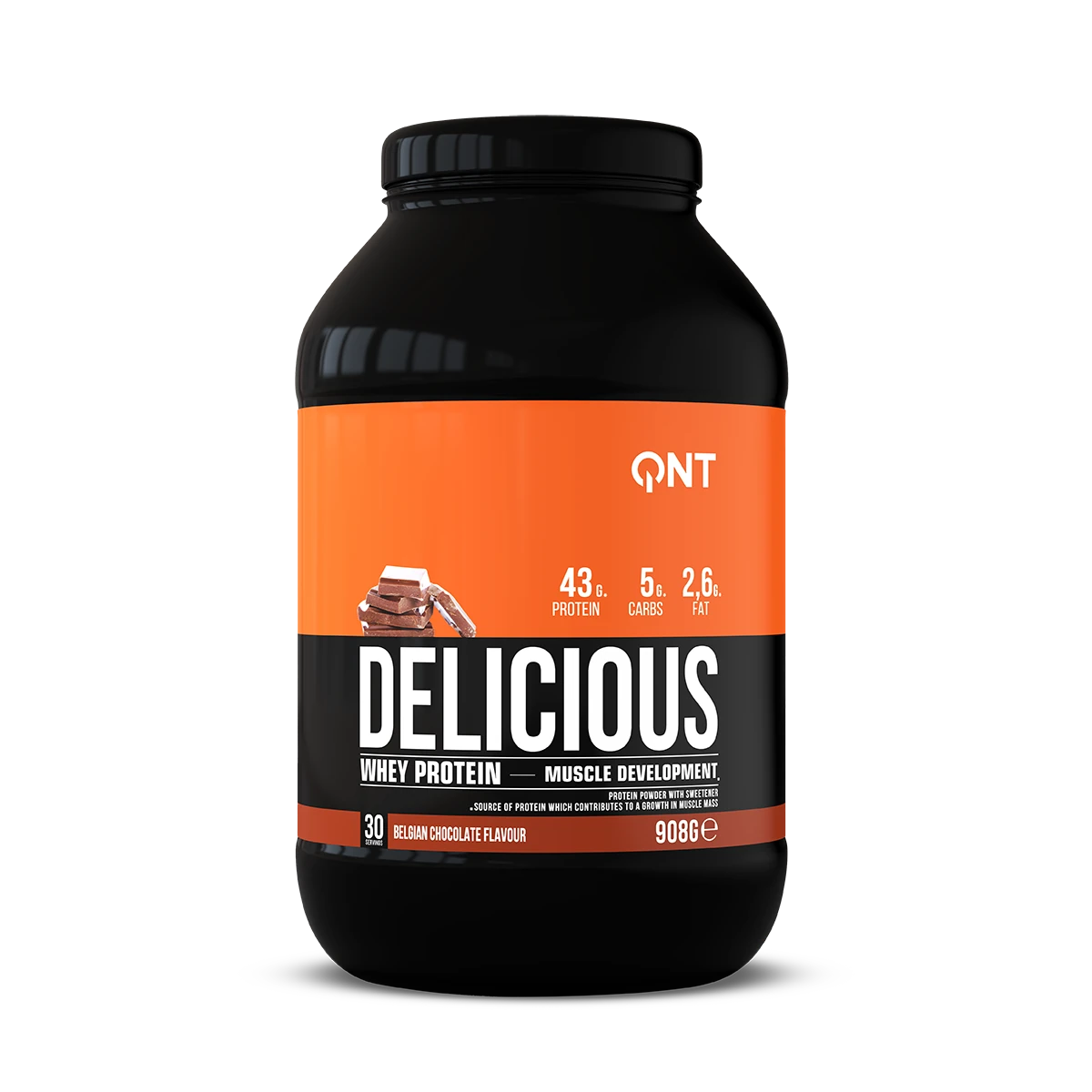
A 20 g serving currently provides 16 g of protein and 75 kcal in the Belgian chocolate flavour. You can use the powder in a shaker, but also in a smoothie, in porridge or in a homemade recipe.
It is a practical option for topping up your daily protein intake without necessarily looking for a highly concentrated isolate.
Discover Light Digest Whey Protein
Metapure 40% Crunchy Bar
When convenience is the priority, a protein bar can be easier to carry around than a shaker.
The Metapure 40% Crunchy Bar currently provides 26 g of protein per 65 g bar, with 233 kcal, 8.5 g of fibre and 0.8 g of sugars in the chocolate flavour. It combines several protein sources, including beef collagen, milk protein, whey and soy.
It can therefore be used as a snack when you are looking for a practical solution, especially on the go.
Discover the Metapure 40% Crunchy Bar
You can find our full protein range and our protein bars in the shop.
In short
Protein is neither a food reserved for men nor a product reserved for resistance training.
As with men, the right amount of protein for women depends mainly on age, activity level, goals and dietary context.
A diet sufficiently rich in protein can contribute to maintaining muscle mass, especially as you get older and when you are regularly physically active.
Whey can be a practical tool for topping up your intake, but it is neither compulsory nor reserved for sportswomen. Above all, taking protein does not automatically mean bulking up or gaining weight.
The best approach is therefore to start from your real needs, favour a varied diet and use supplements when they genuinely add something to your daily life.
Food supplement. Does not replace a varied and balanced diet or a healthy lifestyle. If you are pregnant or breastfeeding, have a medical condition or follow a special diet, ask a healthcare professional for advice.
Sources
- Aragon, A. A. et al. (2017). International Society of Sports Nutrition Position Stand: diets and body composition. Journal of the International Society of Sports Nutrition, 14, 16. https://doi.org/10.1186/s12970-017-0174-y
- Bauer, J. et al. (2013). Evidence-based recommendations for optimal dietary protein intake in older people: a position paper from the PROT-AGE Study Group. Journal of the American Medical Directors Association, 14(8), 542-559. https://doi.org/10.1016/j.jamda.2013.05.021
- Deutz, N. E. P. et al. (2014). Protein intake and exercise for optimal muscle function with aging: recommendations from the ESPEN Expert Group. Clinical Nutrition, 33(6), 929-936. https://doi.org/10.1016/j.clnu.2014.04.007
- Devries, M. C. & Phillips, S. M. (2015). Supplemental protein in support of muscle mass and health: advantage whey. Journal of Food Science, 80(S1), A8-A15. https://doi.org/10.1111/1750-3841.12802
- EFSA Panel on Dietetic Products, Nutrition and Allergies (2012). Scientific Opinion on Dietary Reference Values for protein. EFSA Journal, 10(2), 2557. https://doi.org/10.2903/j.efsa.2012.2557
- Jäger, R. et al. (2017). International Society of Sports Nutrition Position Stand: protein and exercise. Journal of the International Society of Sports Nutrition, 14, 20. https://doi.org/10.1186/s12970-017-0177-8
- Morton, R. W. et al. (2018). A systematic review, meta-analysis and meta-regression of the effect of protein supplementation on resistance training-induced gains in muscle mass and strength in healthy adults. British Journal of Sports Medicine, 52(6), 376-384. https://doi.org/10.1136/bjsports-2017-097608
- Mountjoy, M. et al. (2014). The IOC consensus statement: beyond the Female Athlete Triad, Relative Energy Deficiency in Sport (RED-S). British Journal of Sports Medicine, 48(7), 491-497. https://doi.org/10.1136/bjsports-2014-093502
- Shams-White, M. M. et al. (2017). Dietary protein and bone health: a systematic review and meta-analysis from the National Osteoporosis Foundation. American Journal of Clinical Nutrition, 105(6), 1528-1543. https://doi.org/10.3945/ajcn.116.145110
- Tang, J. E. et al. (2009). Ingestion of whey hydrolysate, casein, or soy protein isolate: effects on mixed muscle protein synthesis at rest and following resistance exercise in young men. Journal of Applied Physiology, 107(3), 987-992. https://doi.org/10.1152/japplphysiol.00076.2009
- Zhou, C. et al. (2025). Effects of multi-ingredient protein supplementation combined with exercise intervention on body composition and muscle fitness in healthy women: a systematic review with multilevel meta-analysis. Frontiers in Nutrition, 12, 1678433. https://doi.org/10.3389/fnut.2025.1678433
Last updated: 10 September 2026.
By Marius Grek, nutrition expert at QNT Sport, which has been manufacturing food supplements since 1992.


FAQ
How much protein should a woman eat per day?
How much protein does a 60 kg woman need?
Which whey should you choose as a woman?
Does whey make you gain weight?
Should you take protein after resistance training?
Is protein important after 50?
Is protein useful during menopause?
Read more
 Gain Muscle
How to Choose Protein Powder: The Ultimate 2026 Guide
Whey, isolate, casein or vegan? Learn how to choose protein powder for your goal, with a comparison table, the amino acid profile that actually mat...

Best time to take whey protein: the complete science-backed guide
When should you take whey protein? Morning, post-workout or before bed — discover the optimal timing backed by 6 studies. Expert guide by QNT Sport.

Protein Drinks: How to Choose Between Water, Shake and Powder
Protein water, ready to drink shake or powder: this guide compares protein, sugars and calories per serving to pick your protein drink. Made in Bel...
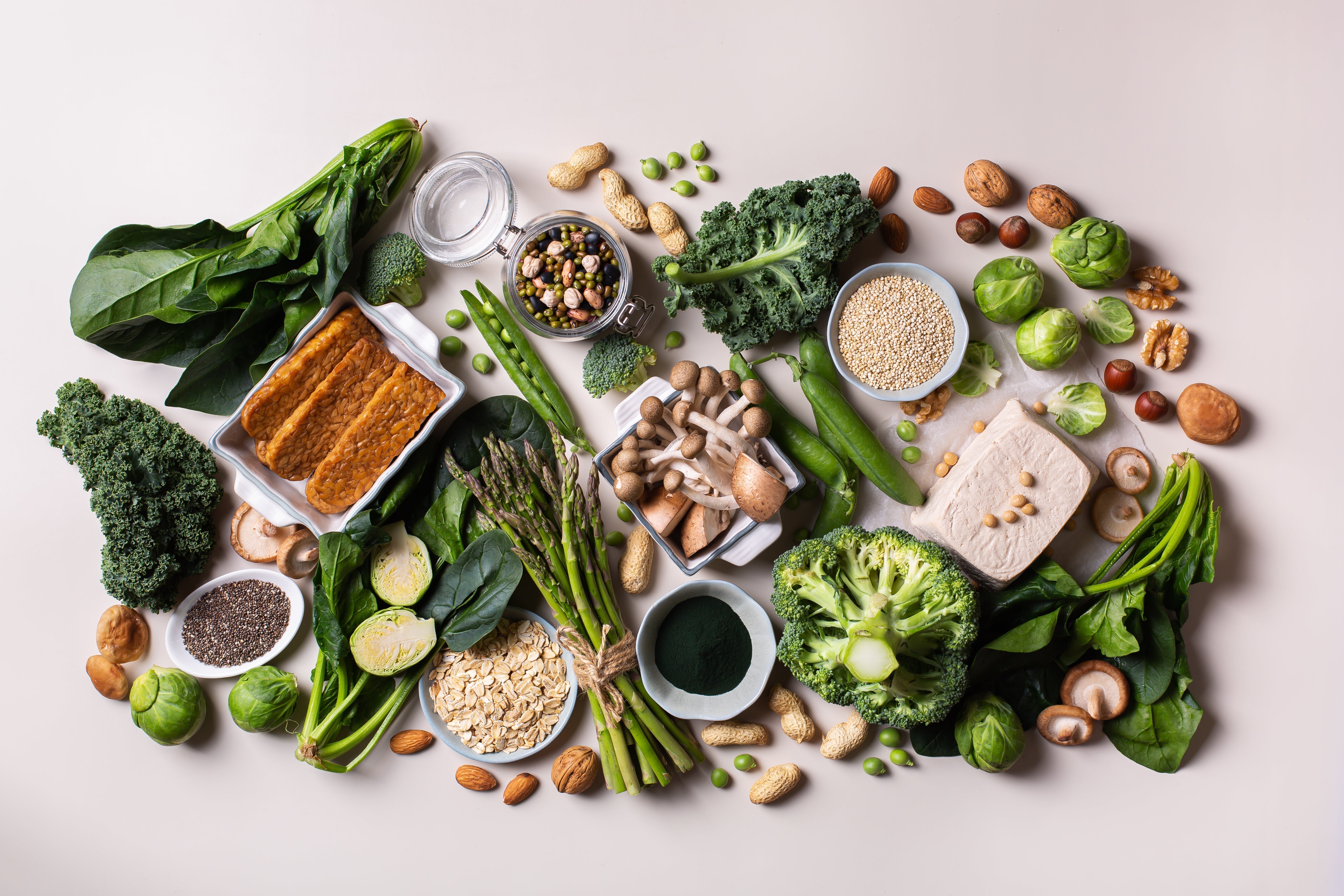
Best Plant-Based Protein Sources: The Complete Guide for Muscle
What are the best plant-based protein sources for muscle? Foods, DIAAS scores, dosing and the pea + rice blend, explained by science. Guide by QNT ...
Micellar casein: the slow protein for overnight recovery
Micellar casein before bed: what studies show on overnight muscle protein synthesis, the best dose and timing, casein vs whey and recovery the next...


