

Skip to content
Cart

Your cart is empty

Continue shopping

Amino

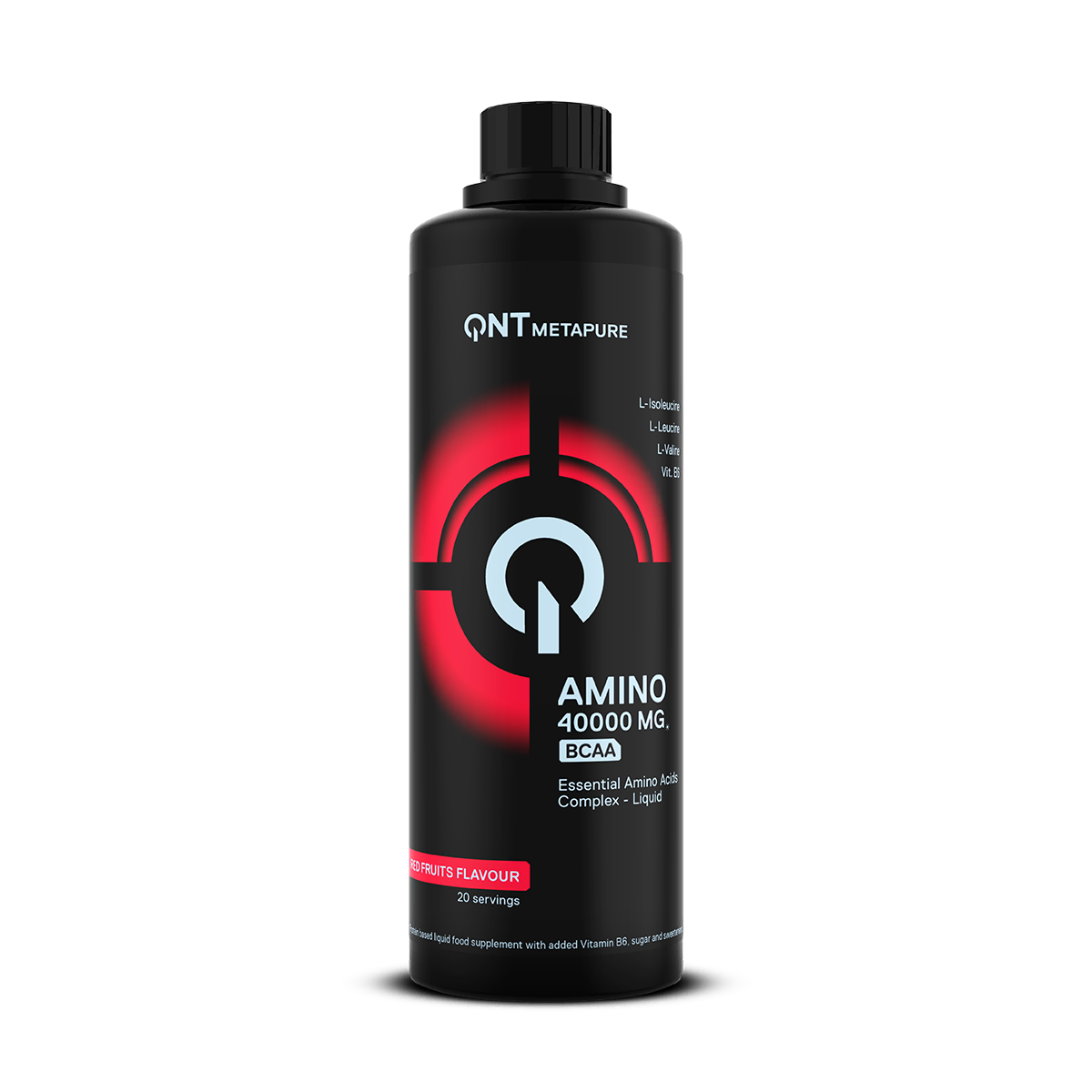
PROMO QNT Amino Acid Liquid 40000 MG, amino acids
Sale price Starting at 15,25 €
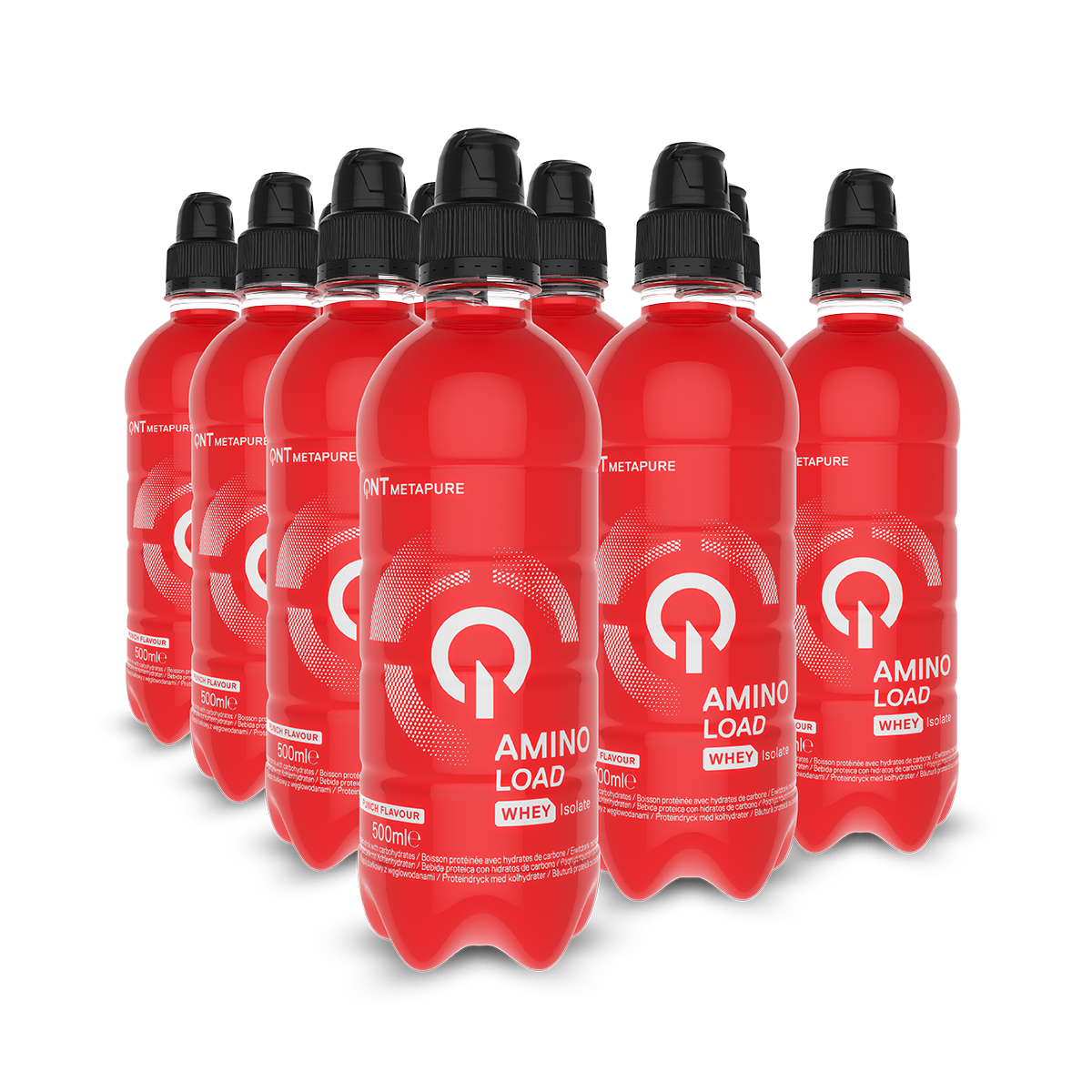
PROMO QNT Amino Load red fruits 500 ml, amino acids
Sale price36,00 €
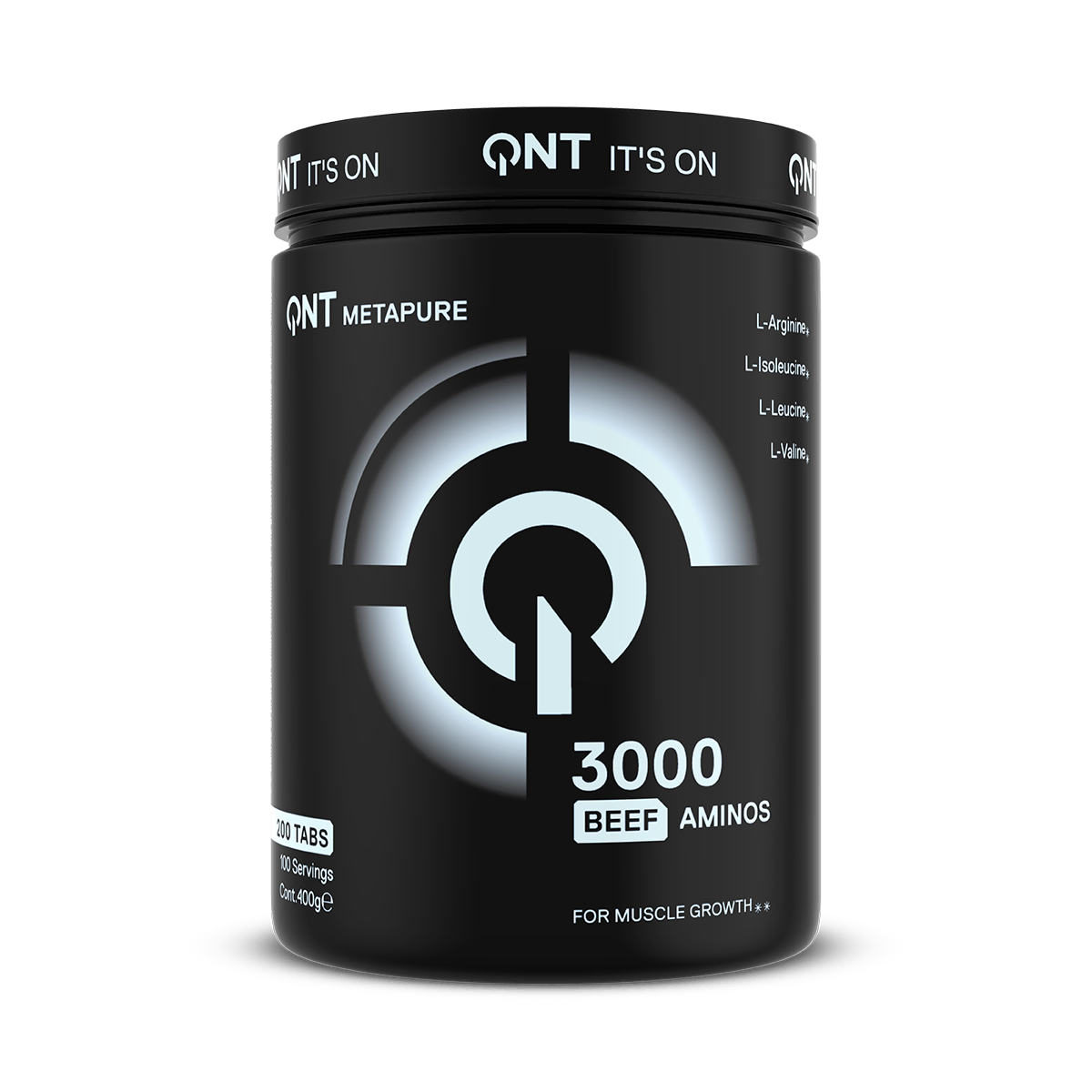
PROMO QNT Amino Acid 3000 mg 100% BŒUF, amino acids in tablets
Essential amino acids (EAA): the full spectrum

What are essential amino acids (EAA)?

Essential amino acids (or EAA) are the nine amino acids your body cannot make on its own: it has to get them from food or from a supplement. They are leucine, isoleucine, valine, lysine, methionine, phenylalanine, threonine, tryptophan and histidine.

They are the basic building blocks of your proteins. They play a part in muscle protein synthesis, the process your body uses to build and maintain muscle after training.

The point of an amino acid supplement is to deliver those building blocks in a form that is quickly available and easy to take, as a powder, a liquid or tablets, around your sessions or whenever your diet is short on complete protein. Compared with a protein powder, EAAs are absorbed faster and bring almost no calories: they do not replace a full shake, but they help out when you want a targeted, light intake around exercise. That is exactly what this collection brings together: a full spectrum of amino acids, ready to slot into your routine.

EAA or BCAA: what is the difference and which should you choose?

This is the question we get asked most, so let us keep it simple.

BCAAs are three branched-chain amino acids: leucine, isoleucine and valine. Each has its own role: leucine is the main trigger for protein synthesis, isoleucine supports the muscle's use of glucose during exercise, and valine completes the trio for muscular energy. Together they kick-start protein synthesis, but they cannot carry it through on their own.

EAAs give you all nine essential amino acids, BCAAs included (so leucine, isoleucine and valine are already in there). They behave like a mini complete protein and supply the full set of building blocks you need.

In practice:

  • EAA (full spectrum): the most versatile choice, especially if your protein intake is on the low side, if you train fasted, or if you follow a plant-based diet.
  • BCAA: useful intra-workout when your protein intake is already high.

There is no need to buy both separately: EAAs already contain the BCAAs, isoleucine included. For the targeted detail on BCAAs, head over to our dedicated BCAA and amino acids collection.

What do EAAs do for your training?

Essential amino acids play a central role for anyone who trains regularly.

  • Building and maintaining muscle: by supplying the nine essential building blocks, they support muscle protein synthesis as part of suitable training and nutrition.
  • Recovery: taken around your session, they help top up the amino acid pool drawn on during exercise. To go further on the recovery phase, many people pair EAAs with L-Glutamine, an amino acid found in large amounts in muscle.
  • Fasted training or a strict diet: when your last meal is a long way back or calories are tight, they give you protein support without weighing down your digestion.

They suit a wide range of people: strength athletes whether bulking or cutting, endurance athletes on long sessions, and anyone on a plant-based diet whose protein sources are sometimes incomplete. For that last group, EAAs pair well with a plant-based protein to cover the full amino acid spectrum.

EAAs do not replace a balanced diet: they top it up, exactly where it is most likely to fall short on quality protein.

When and how should you take your amino acids?

The great thing about EAAs is how flexible they are: you do not need perfect timing to benefit from them.

When:

  • Before your session, especially if you train fasted or several hours after your last meal.
  • During (intra-workout) on longer sessions, sipped as a drink.
  • After, to support the recovery phase.

How:

  • As a powder or liquid, mix with water and drink gradually.
  • As tablets, take your dose with a large glass of water.

As a rough guide, intakes commonly used sit around 10 to 15 g of EAA per serving. Always follow the recommendations on the label of the product you choose. Drink enough water across the day: that is the basic habit with any supplement taken around exercise.

Which QNT amino product for which need?

Three formats, three uses. Pick the one that fits your training and your preference.

  • Amino Acid Liquid 4000: the liquid form, concentrated and fast to absorb. Ideal around your session when you want an intake with no prep, just a dose to swallow.
  • Amino Load: an amino acid blend designed for training and recovery, easy to add to your workout drink. The versatile everyday format.
  • Amino Acid 3000: the tablet form, simple to carry and to dose. Perfect at the office, while travelling, or for anyone who would rather not mix a drink.

Our advice:

  • You want something fast with no prep: Amino Acid Liquid 4000.
  • You are after support around your session: Amino Load.
  • You value on-the-go convenience: Amino Acid 3000.

All are formulated and manufactured to QNT standards, a Belgian brand (made in Belgium).

Tolerance, dosage and good habits

Essential amino acids are nutrients naturally present in the protein in your food. Taken at the recommended doses, they fit easily into a sporting routine.

A few pointers to get it right:

  • Stick to the dose shown on the product packaging; there is no benefit in overdoing it to go faster.
  • Stay properly hydrated, especially on training days.
  • Be consistent: it is regularity, session after session, that matters most, not the odd one-off serving.
  • Keep your diet on track: EAAs top up a protein-rich plate, they do not replace it.

As with any food supplement, do not exceed the recommended daily dose and keep the product out of the reach of children. If you are pregnant or breastfeeding, on medication, or in any doubt, ask a healthcare professional for advice before supplementing.

Frequently Asked Questions

Your health and results are our top priority. This FAQ answers the essential questions about QNT products, so you know exactly what you’re buying and how they support your goals.

Do you need to take BCAA on top of EAA?

No, that would be redundant. EAAs already include the three BCAAs (leucine, isoleucine, valine) among their nine amino acids, so there is no point buying both. Go for BCAAs alone only if you specifically want the branched-chain ones intra-workout while your protein intake is already high.

Are essential amino acids suitable for a vegan diet?

It depends on the product. A powder or liquid EAA formula made by fermentation can suit a vegan diet, but the Amino Acid 3000 tablets are beef-derived, so they are not vegan. Always check the ingredient list of the specific product before you buy.

Can you take EAA every day, including rest days?

Yes. Essential amino acids are nutrients found in the protein in your food, so you can take them daily at the recommended doses. On rest days a serving is still fine if your protein intake is on the low side, though it is not essential.

Do amino acids make you gain weight?

No, not on their own. EAAs bring almost no calories per serving, far fewer than a full protein shake. What moves your weight is your total calorie intake across the day, not a dose of amino acids taken around exercise.